



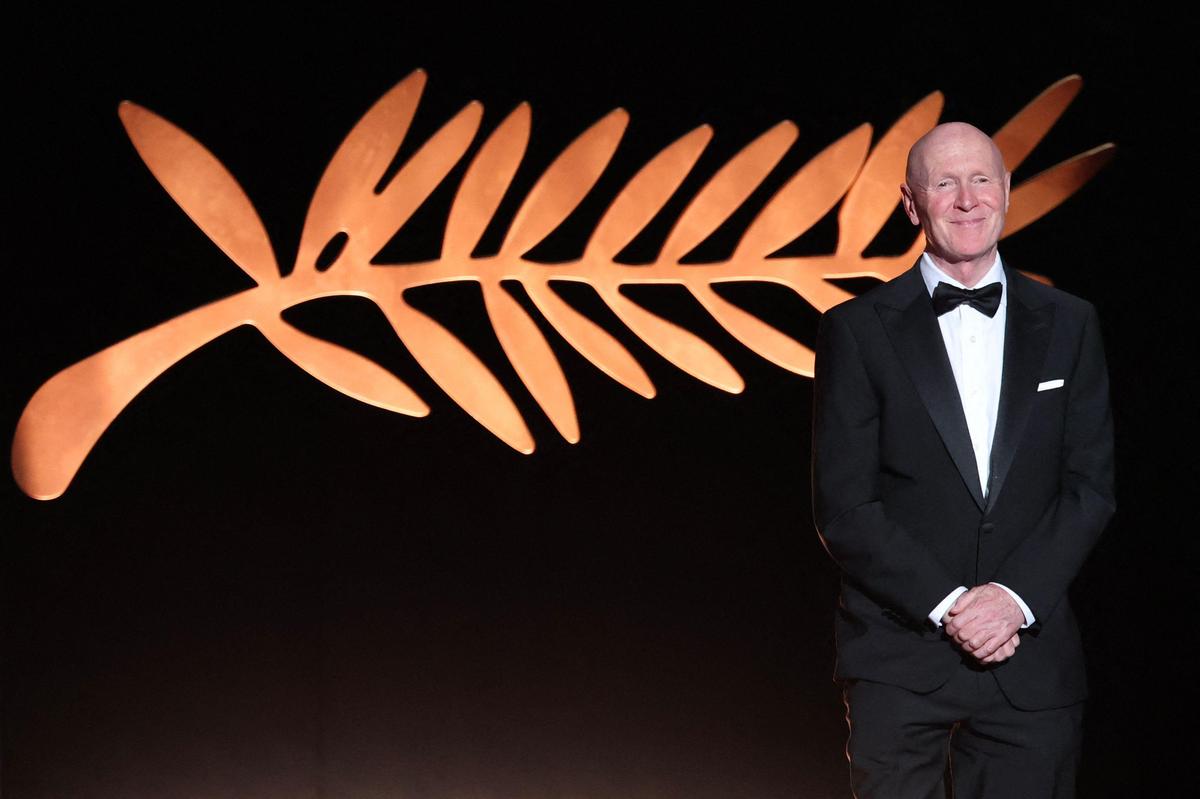
The lessons of 1968 have stood Cannes Film Festival organisers in good stead. That was when Nouvelle Vague (French New Wave) directors such as Jean-Luc Godard, echoing the leftist student protests sweeping the nation, brought the festival to a halt on its ninth day. The world’s premier film festival has since perfected the art of embracing politics without letting agent provocateurs scuttle the event.
This year, the Cannes balancing act unfolded subliminally. Paul Laverty, best known for collaborations with English director Ken Loach, set the tone at the 79th edition’s opening day jury press conference. The Calcutta-born Scottish screenwriter, a member of the main Competition jury led by Korean filmmaker Park Chan-wook, ripped into Hollywood for boycotting actors such as Susan Sarandon, Javier Bardem and Mark Ruffalo for their stance on Israel’s hostilities in Gaza.
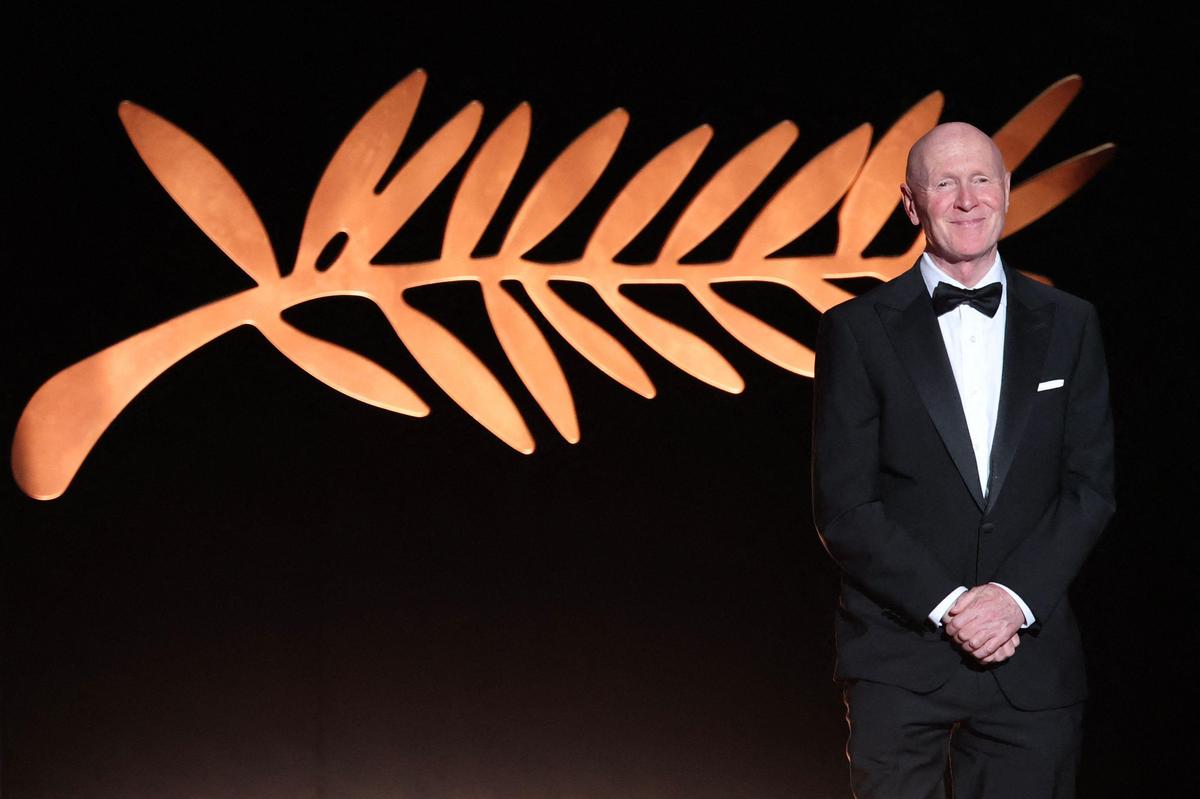
Scottish screenwriter Paul Laverty
| Photo Credit:
AFP
Eleven days later, at the awards ceremony, several speeches were just as political. They were directed against Israeli Prime Minister Benjamin Netanyahu and Russian President Vladimir Putin, though neither was mentioned by name. The attacks were oblique. Unequivocal points were made, a few feathers ruffled, but no major wounds inflicted. It was quintessential Cannes.

And unlike the controversy German maestro Wim Wenders kicked up at the Berlin Film Festival in February — when he talked about how filmmakers should “stay out of politics” — award-winners at the Palais des Festivals asserted that filmmakers cannot shy away from reflecting the reality of the world.
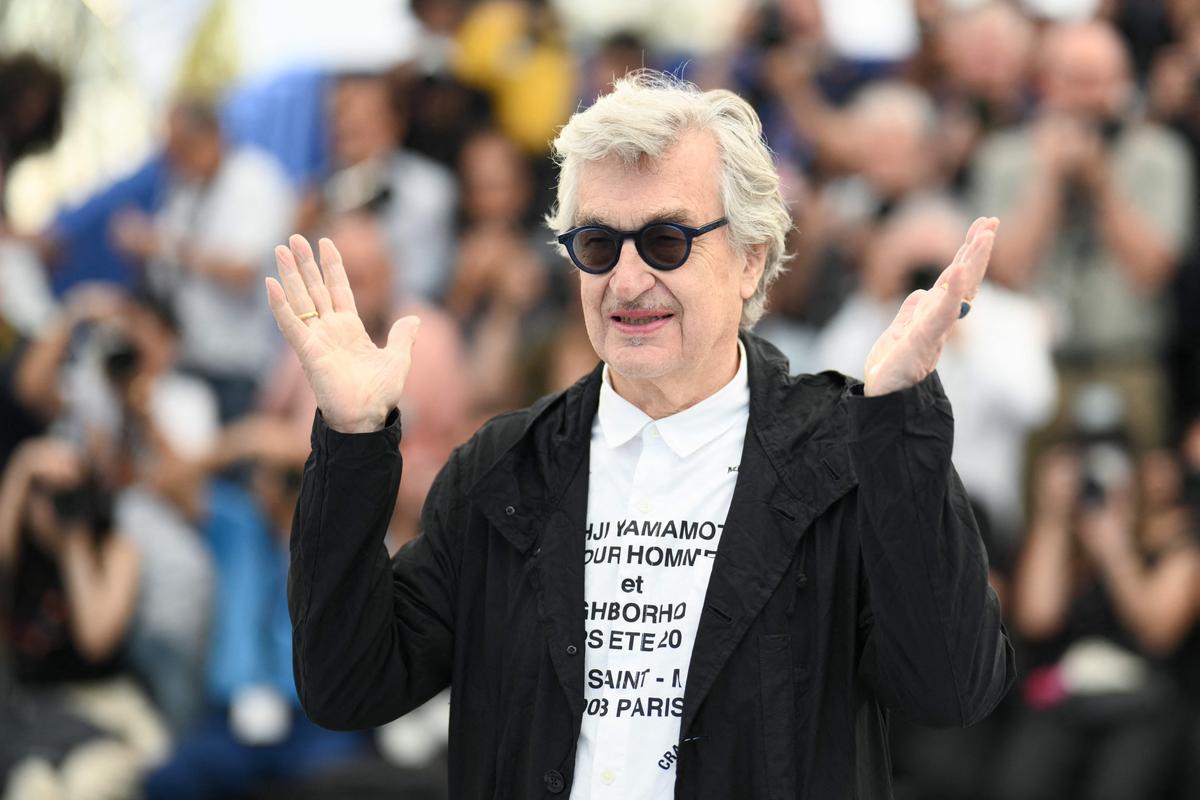
German producer Wim Wenders
| Photo Credit:
AFP
For Sri Lankan director Prasanna Vithanage, who has had many skirmishes with censorship in his country, ignoring politics is never an option. “When you turn a blind eye to what is happening around you, you die as a filmmaker,” he shares.
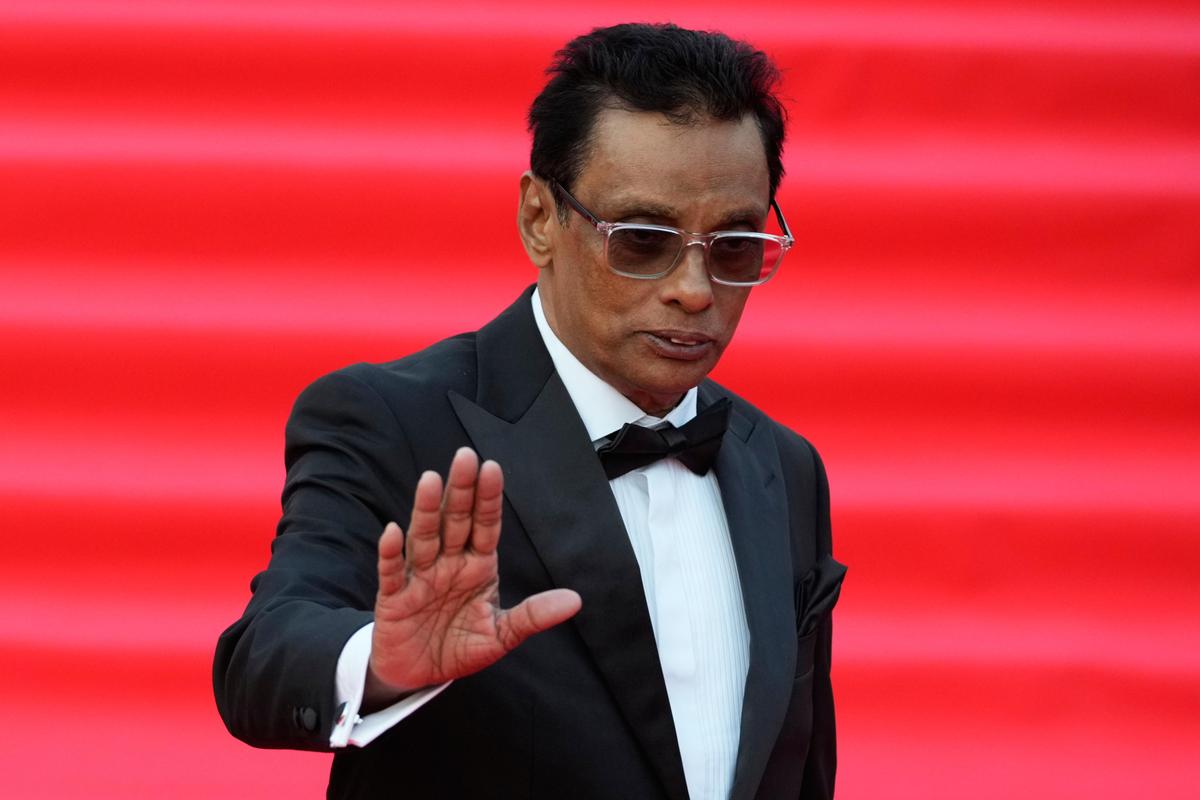
Sri Lankan director Prasanna Vithanage
| Photo Credit:
AP
A sentiment emphasised by Polish filmmaker Pawel Pawlikowski, joint winner of the best director award for Fatherland, a period drama about anti-Nazi German writer Thomas Mann. In his acceptance speech, he said: “Cinema needs to reflect the political situation but not under pre-dictated conditions. It takes courage to talk about what people really see.”
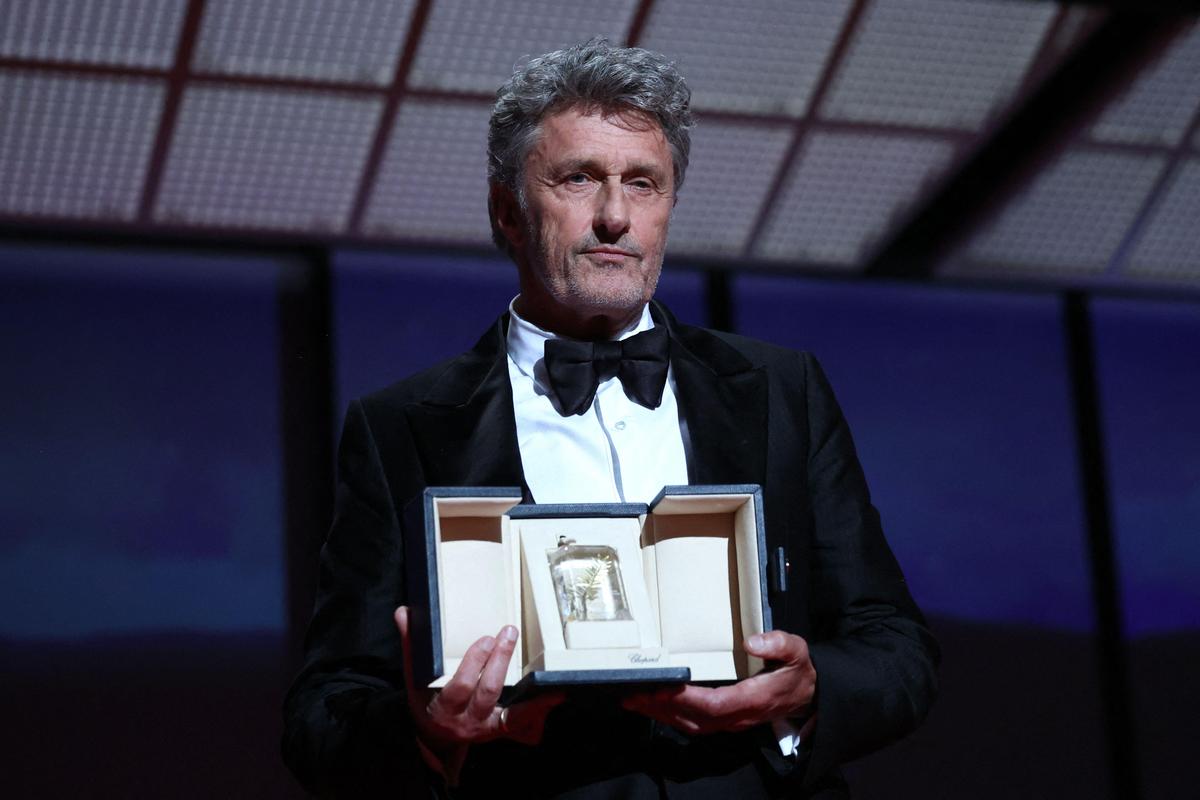
Polish director Pawel Pawlikowski after winning the Best Director prize for Fatherland
| Photo Credit:
AFP
In 2010, Iranian filmmaker Jafar Panahi was named a juror, but Tehran barred him from travelling. So, Cannes prominently displayed an empty chair at every jury meeting and event as a sign of protest.
Gaza was missing at La Croisette
On the last day (May 23), several stirring speeches, from Canadian filmmaker Xavier Dolan quoting Palestinian author Mahmoud Darwish, to Lebanese actor-director Nadine Labaki lamenting Lebanon’s travails, rang down the curtain on a festival that had no dearth of ‘political’ cinema.
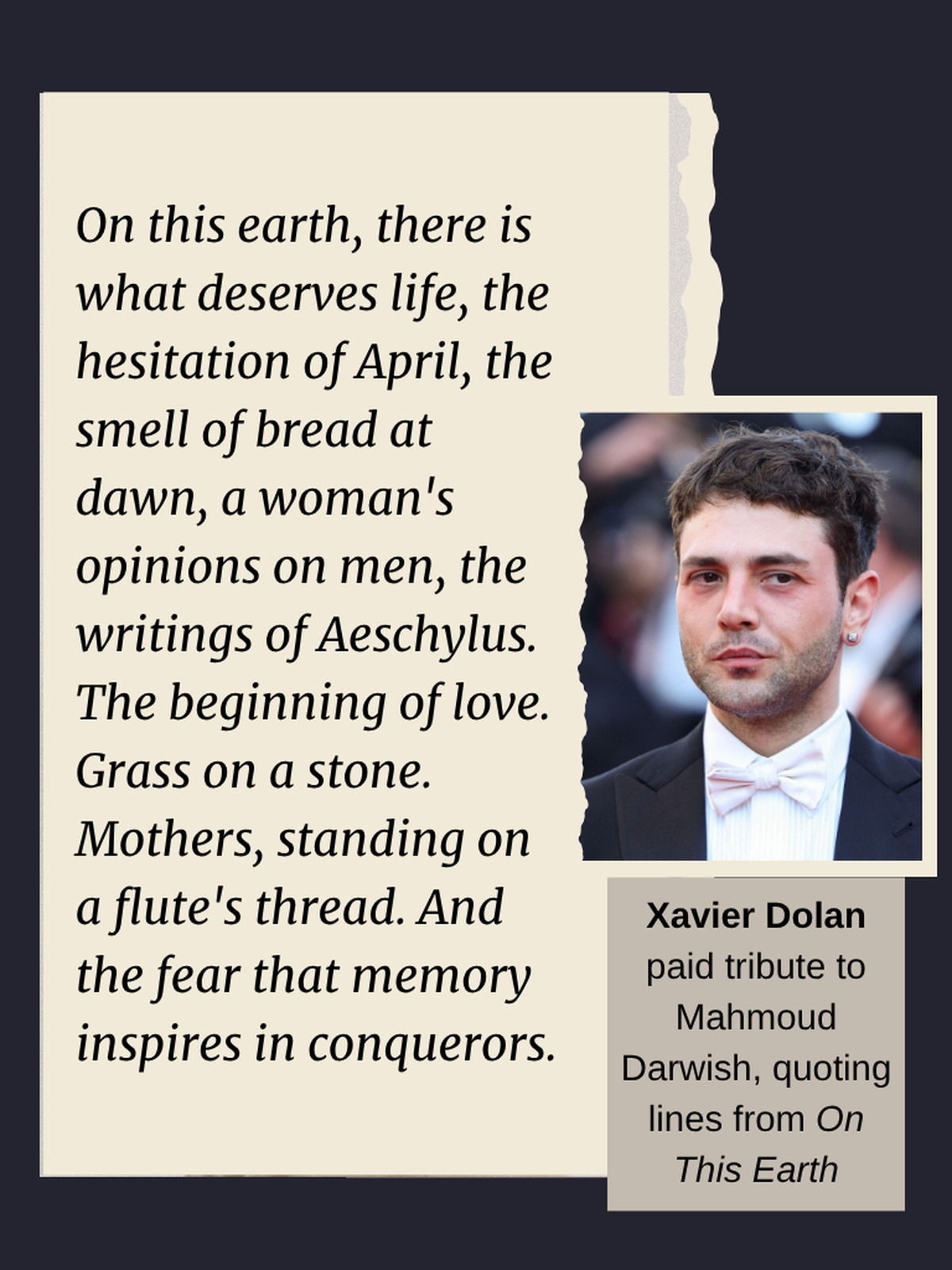
Xavier Dolan during the closing ceremony of the Cannes Film Festival
Many either directly addressed or tangentially alluded to the Ukraine war (Japanese director Koji Fukada’s Nagi Notes and French filmmaker Charline Bourgeois-Tacquet’s A Woman’s Life), and at least one (French director Arthur Harari’s The Unknown) took a swipe at U.S. President Donald Trump. What was missing, however, was any mention of Gaza — not even in the Un Certain Regard title, Yesterday the Eye Didn’t Sleep, an understated film by Palestinian Diaspora filmmaker Rakan Mayasi.
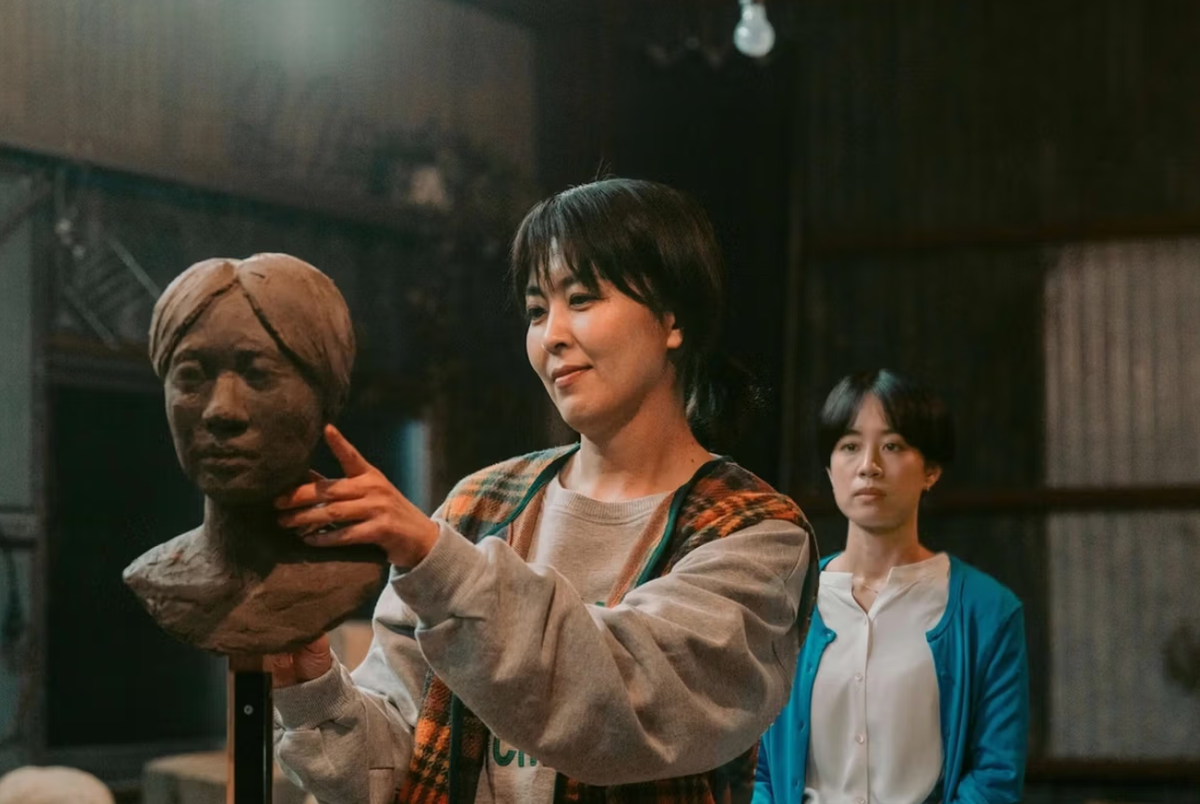
A still from Koji Fukada’s Nagi Notes
“Gaza isn’t mentioned [as often as Iran or Ukraine] in contemporary world cinema because everybody is wary of falling foul of the funding system,” says Tareq Khalaf, the Ramallah-based filmmaker, architect and cultural activist. Khalaf, who was in Cannes to pitch his first feature, Azziza: In a Cherished Land, adds that the Palestine Pavilion at Cannes was “a safe space for those of us who want to tell our stories, resist the erasure of memory and look for support for our projects”.

“Gaza isn’t mentioned [as often as Iran or Ukraine] in contemporary world cinema because everybody is wary of falling foul of the funding system.”Tareq KhalafFilmmaker and cultural activist
The pavilion, organised by the Palestine Film Institute, had about 40 filmmakers and producers in attendance. Among them was Germany-based Palestinian-Syrian filmmaker Abdallah Al-Khatib. His Chronicles from the Siege won the Best First Feature award earlier this year at the Berlinale, where he had used the opportunity to launch a broadside against Israel for the Gaza atrocities and the German government for its complicity.
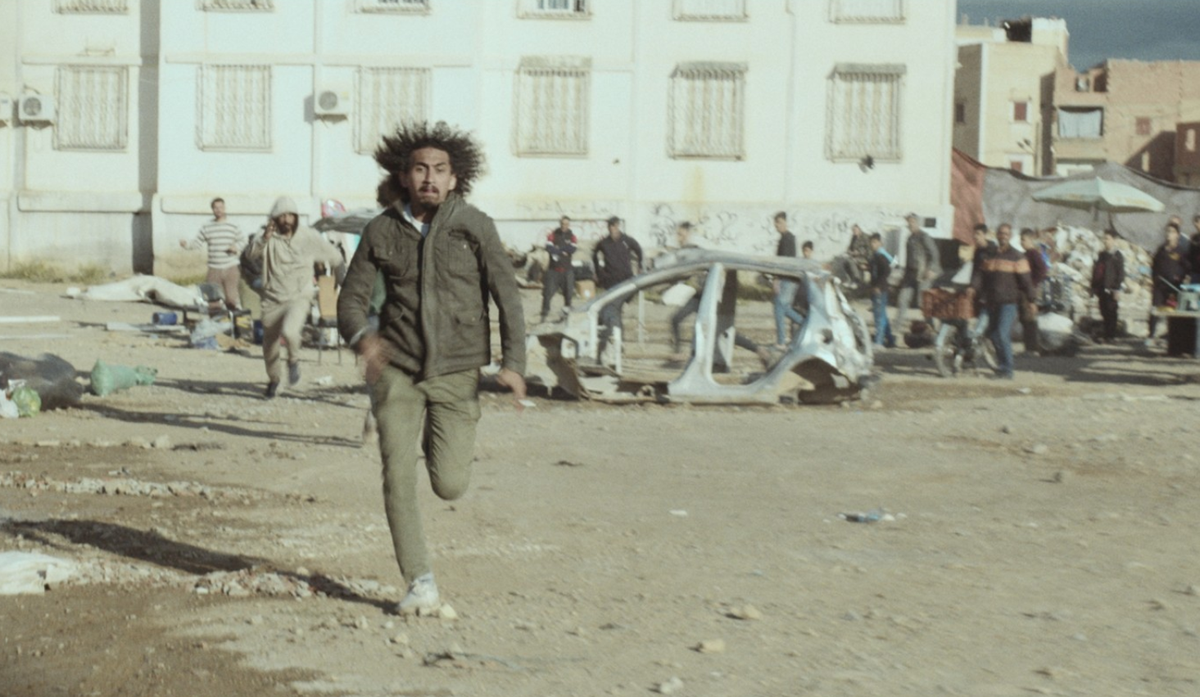
A still from Chronicles from the Siege
His speech nearly cut short festival director Tricia Tuttle’s tenure. But the feisty young filmmaker has no regrets. “I said what I had to,” he says. “I gave it to them.”
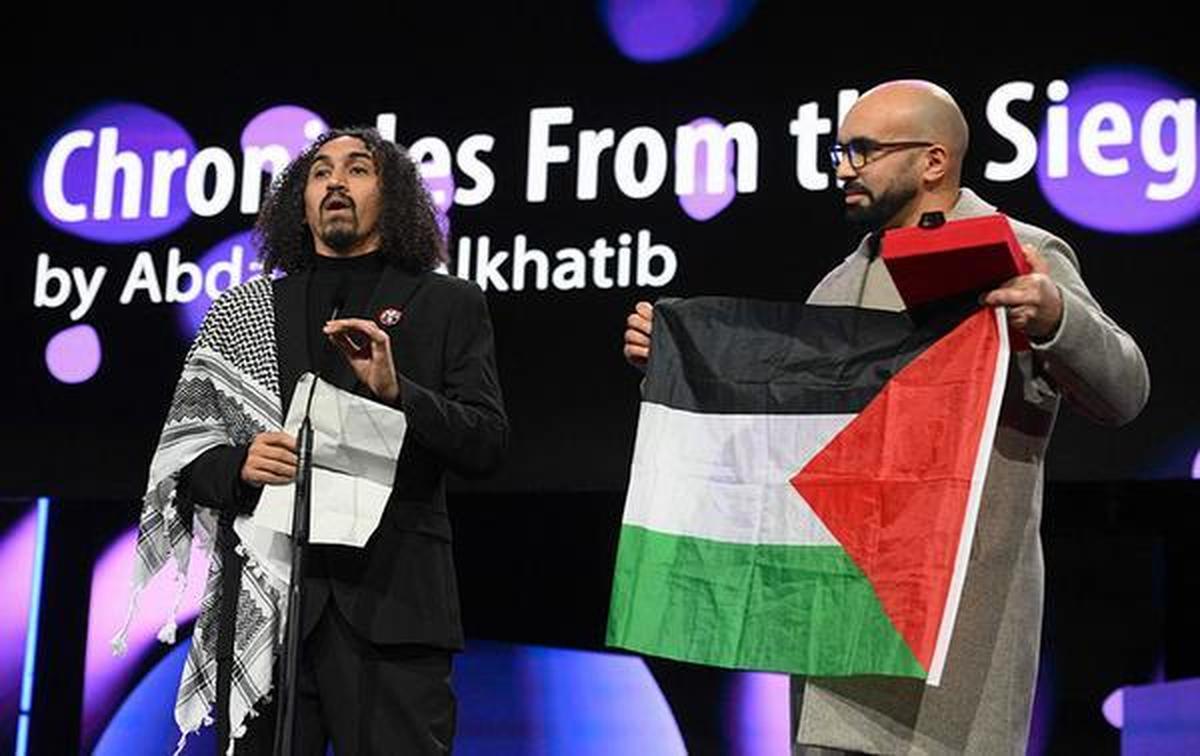
Syrian-Palestinian director Abdallah Al-Khatib gives a speech at the Berlinale, as Algerian producer Taqiyeddine Issaad holds a Palestinian flag
| Photo Credit:
AFP
Hollywood’s absence explained
The absence of Hollywood blockbusters this year had more to do with commerce than politics. Apart from the high cost of a splashy premiere on the French Riviera, Hollywood majors are also increasingly wary of negative reviews by the international press corps, which can jeopardise box-office prospects. So, Steven Spielberg’s Disclosure Day and Christopher Nolan’s The Odyssey, both scheduled for release within weeks of the festival, stayed away.
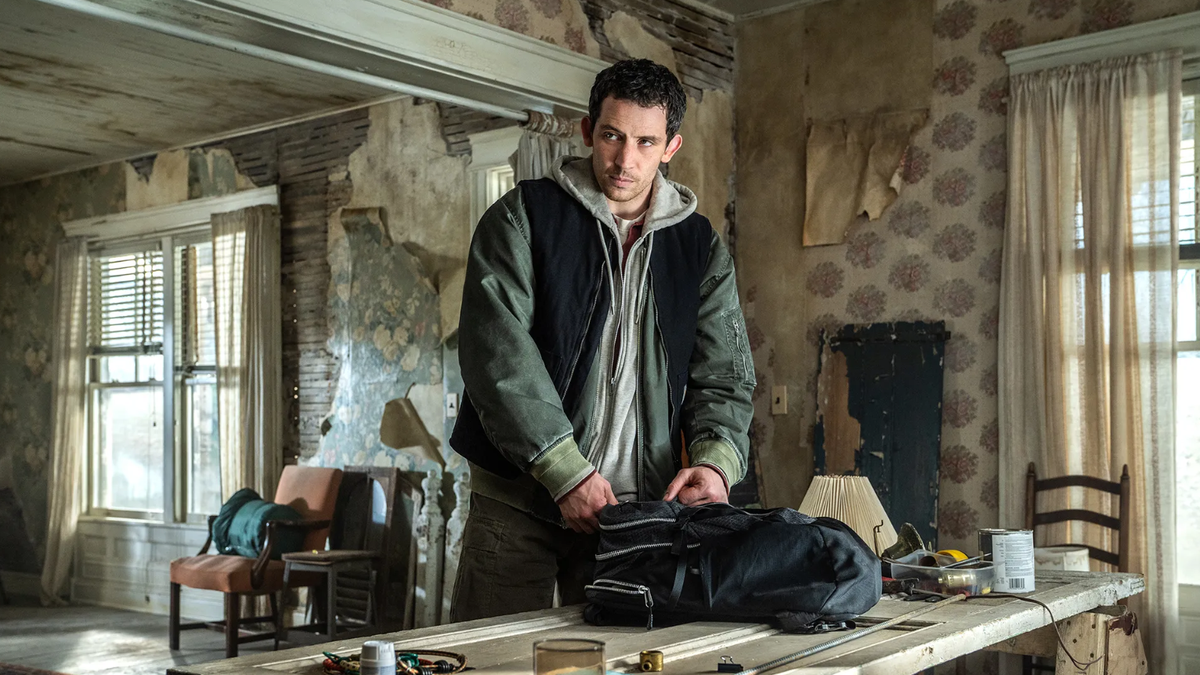
Josh O’Connor in a still from Disclosure Day
No place for Israeli films
Cannes operates in far more controlled ways than other film festivals. Significantly, since the events of October 7, 2023, when Palestinian militant group Hamas attacked Israel, it has not programmed a single Israeli film in Competition or Un Certain Regard.

Last year, Israel director Nadav Lapid’s biting political satire Yes! — about a Tel Aviv-based jazz musician who accepts a commission to compose a new national anthem with belligerent lyrics to capture the nation’s post-October 7 mood — was relegated to the Directors’ Fortnight, an independent sidebar at the film festival. At the same time, actor Juliette Binoche’s jury awarded the Palme d’Or to Iranian dissident filmmaker Jafar Panahi’s It was Just an Accident, which is a critique of all authoritarian regimes.
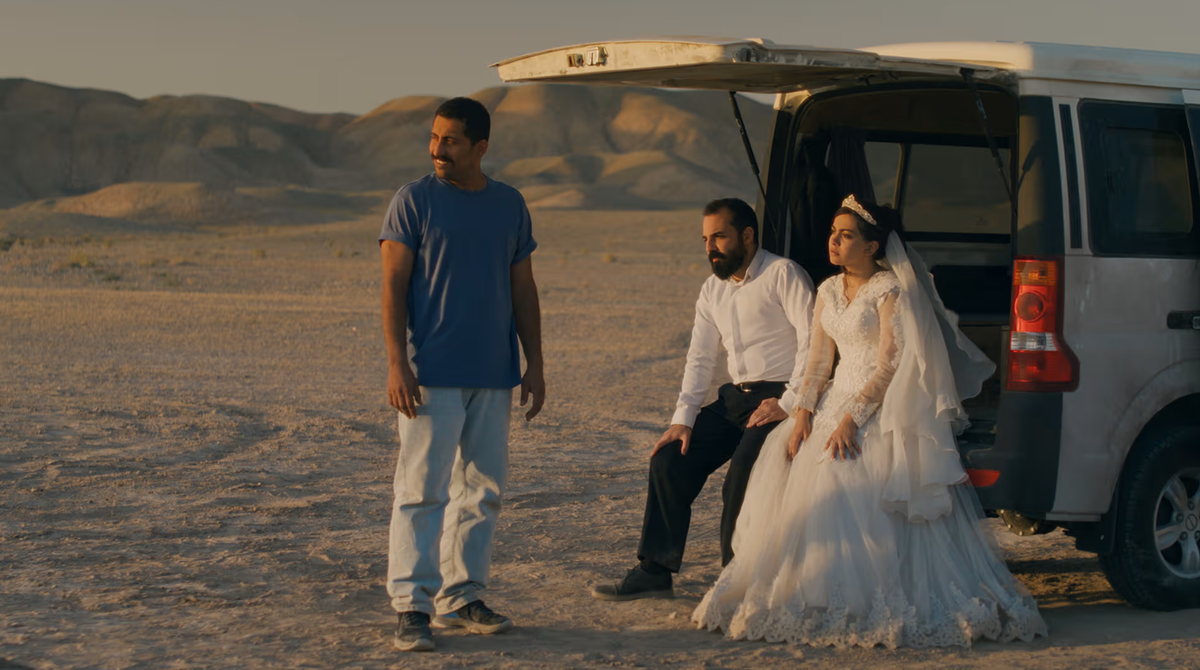
A still from It was Just an Accident, which won the Palme d’Or last year
This year, too, Russian director Andrey Zvyagintsev’s masterfully crafted Minotaur, a crime drama that calls out Putin’s Russia, was tipped to win for reasons both political and artistic. It did not. In a surprise decision, the jury favoured Fjord, Romanian filmmaker Cristian Mungiu’s first film, shot entirely outside the country and, as he said in his speech, “a commitment against all forms of fundamentalism”.
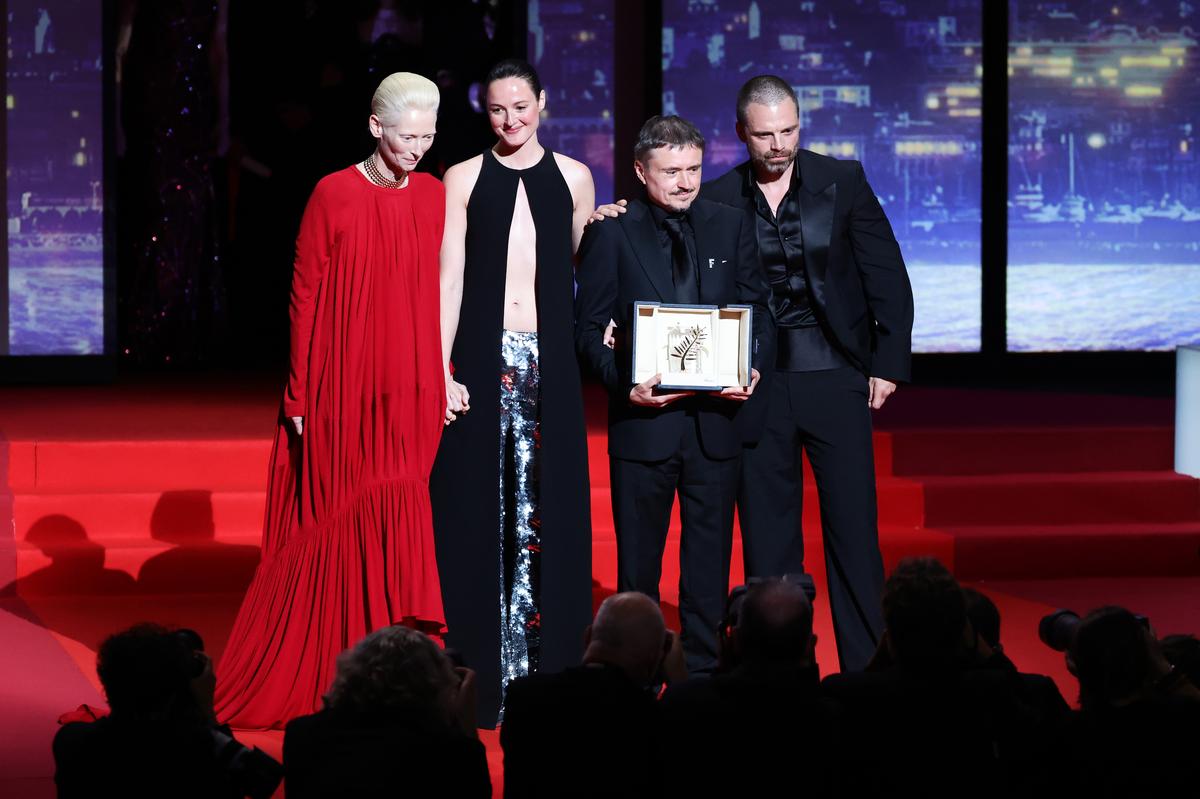
(L-R) Tilda Swinton, Renate Reinsve, Cristian Mungiu, winner of Palme d’Or for Fjord, and Sebastian Stan during the closing ceremony of the 79th Cannes Film Festival
| Photo Credit:
Getty Images
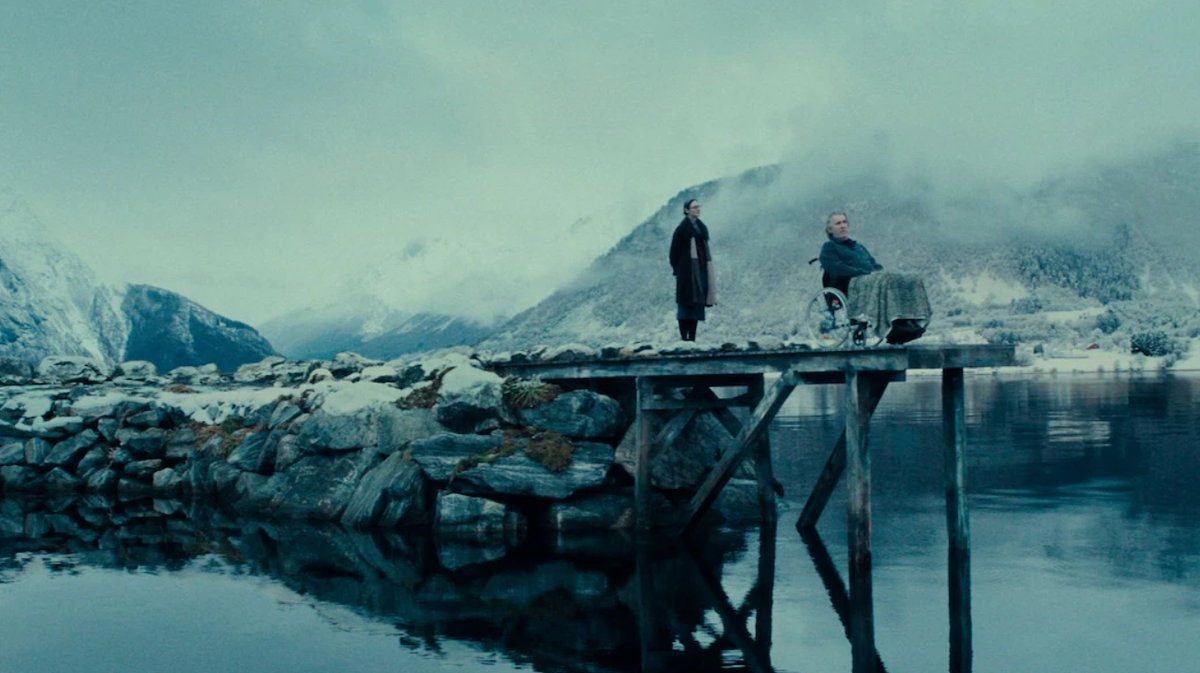
A still from Fjord
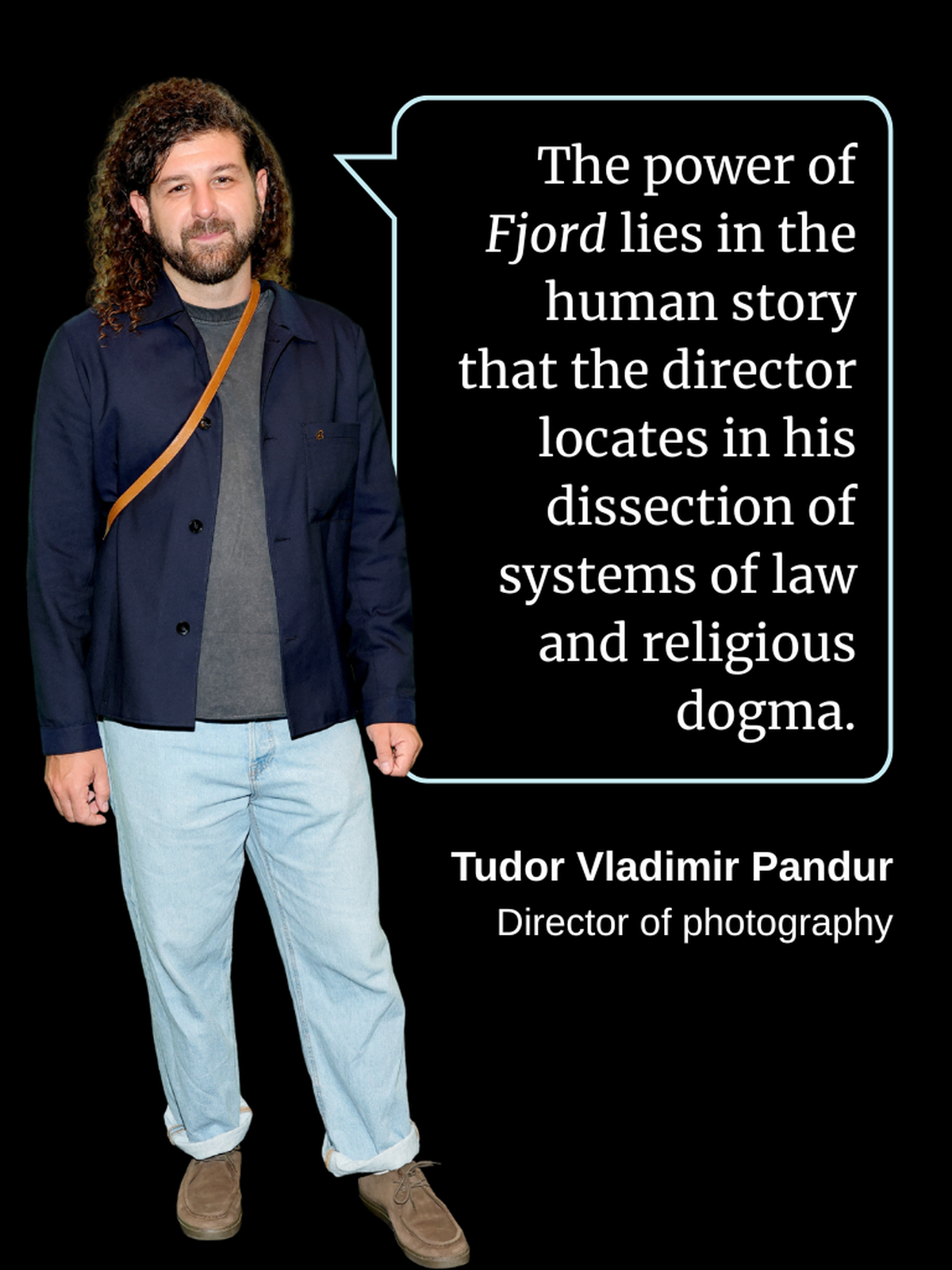
It centres on a conservative Romanian-Norwegian couple who collide with Norway’s stringent child protection system because of their religion-driven parenting. The film’s director of photography, Tudor Vladimir Panduru, tells me, “The power of Fjord lies in the human story that the director locates in his dissection of systems of law and religious dogma.”
Standing up for the oppressed
Cannes does not seek disruptive change; it pursues it through driblets. For instance, last year, the festival’s official selection had a Palestinian film: directors Tarzan and Arab Nasser’s Once Upon a Time in Gaza. It won the Un Certain Regard Prize. In the ACID sidebar, Iranian filmmaker Sepideh Farsi’s documentary Put Your Soul on Your Hands and Walk, occasioned a moving tribute from Binoche to slain Gazan photojournalist Fatima Hassouna.
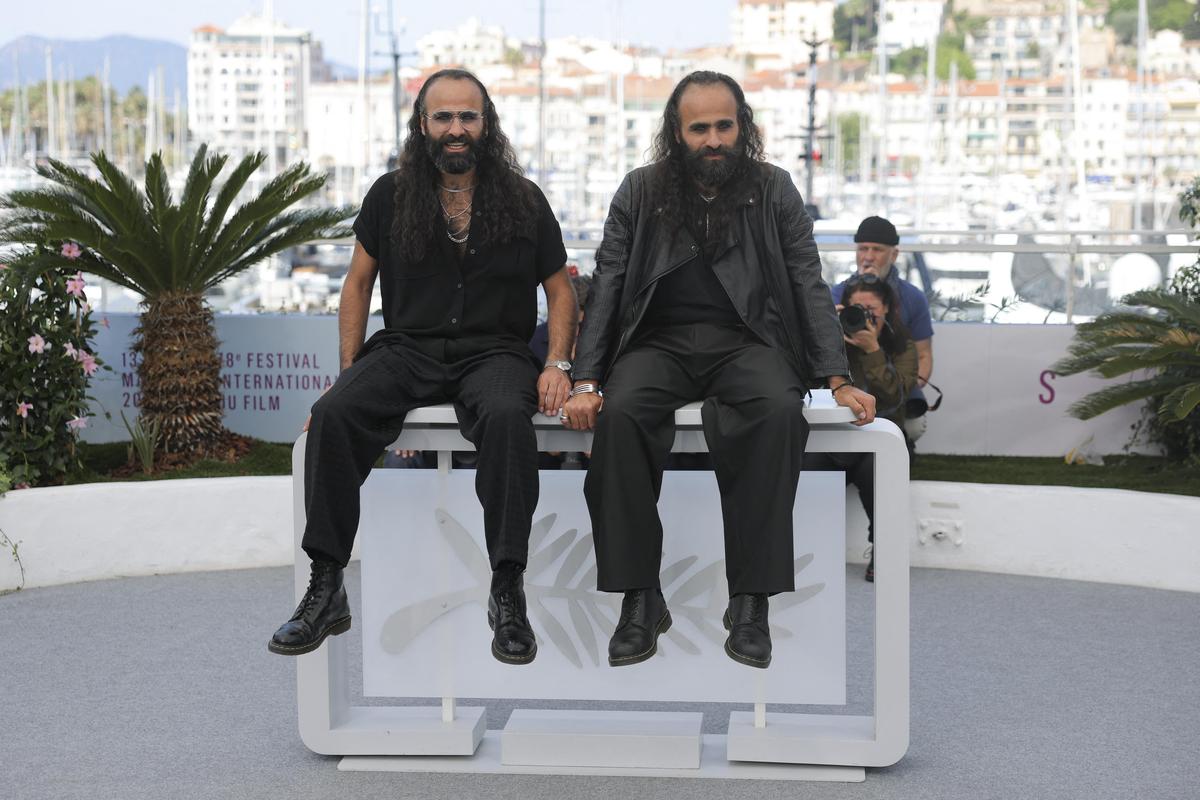
Directors Arab and Tarzan Nasser pose during a photocall for Once Upon a Time in Gaza
| Photo Credit:
Reuters
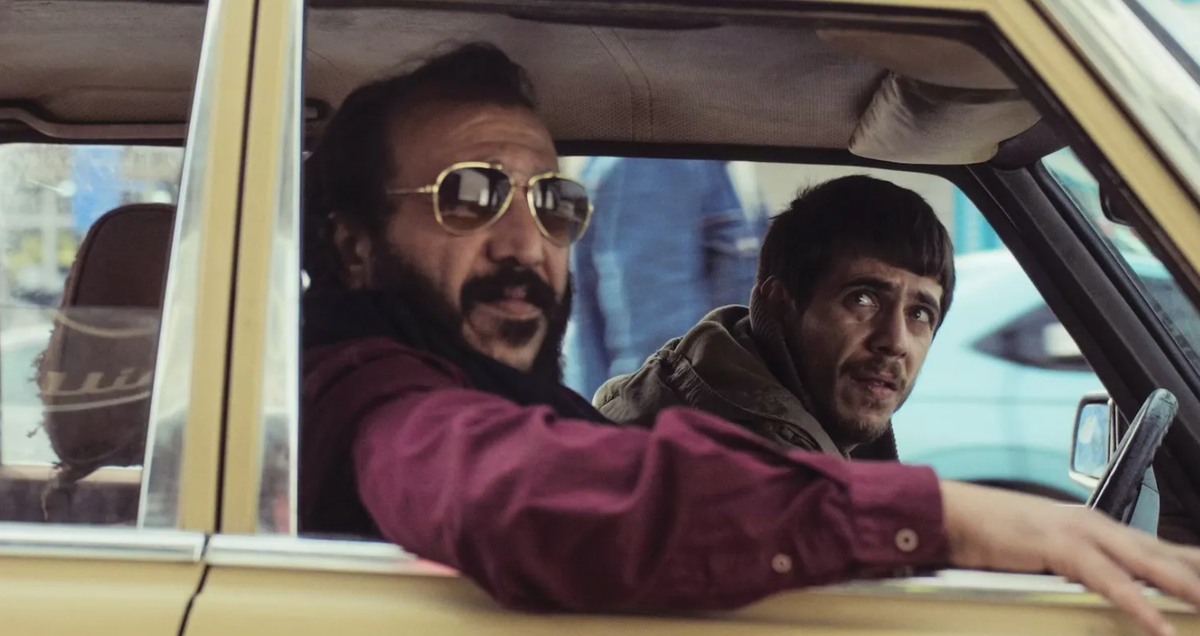
A still from Once Upon a Time in Gaza
The actor was also at the centre of attention way back in 2010 as a Competition jury member. Binoche held up a banner with Panahi’s name at the closing ceremony to acknowledge the absence of the Iranian director. He had been named a juror, but Tehran barred him from travelling. So, Cannes prominently displayed an empty chair at every jury meeting and event as a sign of protest.
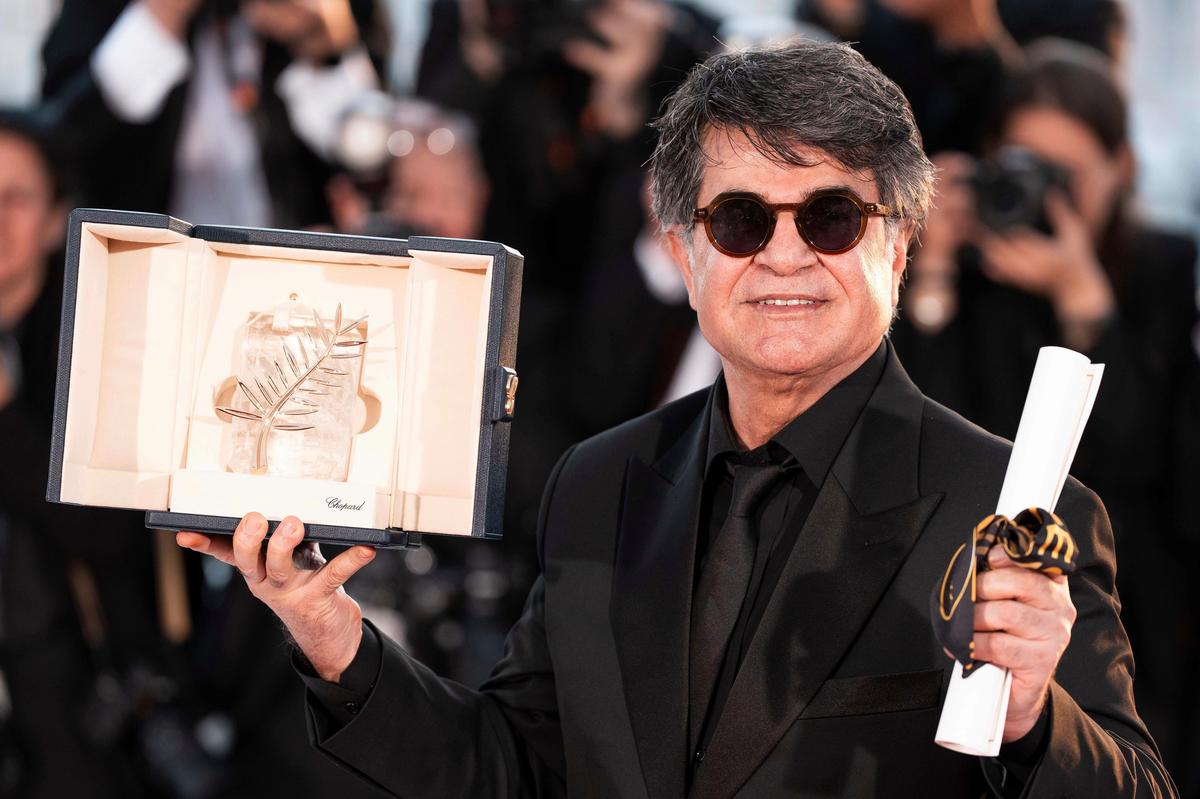
Director Jafar Panahi, winner of the Palme d’Or for It Was Just an Accident
| Photo Credit:
AP
Filmmaker Mohammad Rasoulof faced a similar situation more recently. His film, The Seed of the Sacred Fig, was in Competition in 2024.
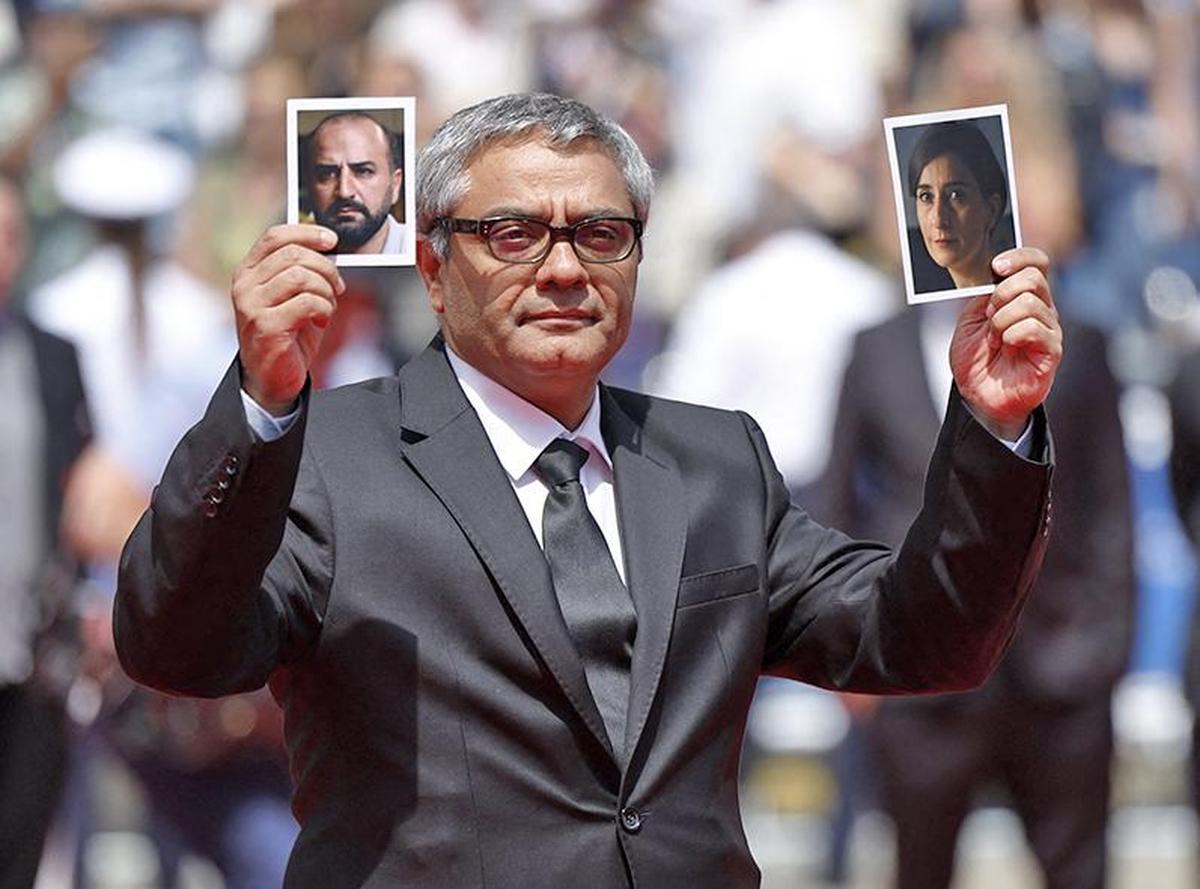
Director Mohammad Rasoulof holds pictures of cast members Missagh Zareh and Soheila Golestani before the screening of The Seed of the Sacred Fig
| Photo Credit:
Reuters
The selection led to Rasoulof being sentenced to eight years in prison for “propaganda against the regime”. He and a few crew members managed to flee Iran and attend the film’s premiere on the festival’s penultimate day.
In Cannes, the show goes on no matter what. The year Godard had his way was an aberration.
The writer is a New Delhi-based film critic.