






Despite the quotation marks in the title, signifying a different take, Emerald Fennell’s Wuthering Heights, with Margot Robbie and Jacob Elordi in the lead, follows the time‑honoured template laid down in William Wyler’s 1939 adaptation of Emily Brontë’s 1847 novel.

The film, with Laurence Olivier as Heathcliff, Merle Oberon as Catherine and David Niven as Edgar Linton, ends with her death, keeping the focus on the love between the two. The Hollywoodisation of the novel, by concentrating on 16 of the novel’s 34 chapters, ensures Heathcliff’s Byronic‑hero status.
With Catherine’s death, the character of Heathcliff loses his counterbalance and ends up being pointlessly vengeful, banging about gloomy corridors making everyone’s life miserable. Filmmakers recognised that and decided to defang the anti‑Romantic novel by ending it with Catherine’s death and made it a story of undying, tragic love instead of a destructive car wreck.
Brontë’s novel, incidentally the only one she wrote, tells the story of a foundling of indeterminate race who is adopted by the Earnshaws, a wealthy family in Yorkshire. In Wuthering Heights, the Earnshaws’ home, Heathcliff finds love, respect and also unfortunately abuse.
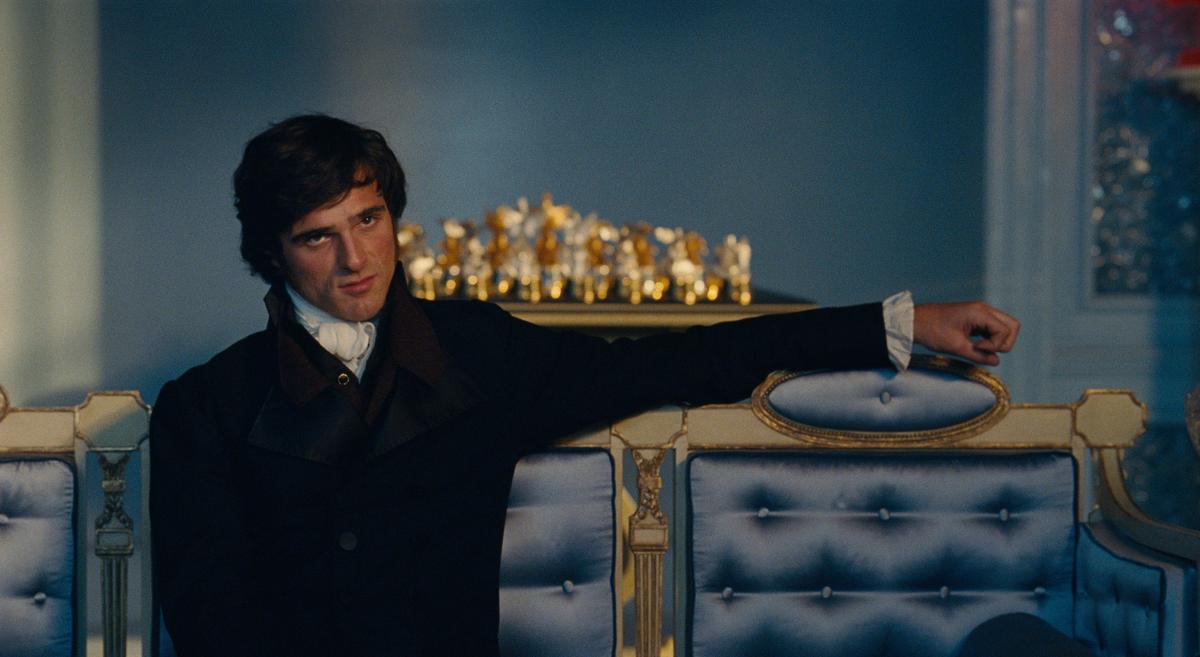
This image released by Warner Bros. Pictures shows Jacob Elordi in a scene from “Wuthering Heights.” (Warner Bros. Pictures via AP)
| Photo Credit:
AP
He forms a relationship with the daughter of the house, Catherine, and when she marries Edgar Linton, a rich neighbour, Heathcliff sets off on a path of revenge.
With no Catherine to rein him in, Heathcliff, like a toxic whirlwind, destroys everything in his path, before burning out himself. Brontë provides a muted redemption with Catherine’s daughter, also called Catherine, and her nephew, Hareton, whom Heathcliff treats as a servant in his own house, falling in love.
The 1970 version of Wuthering Heights, with Timothy Dalton as Heathcliff, also focused on Heathcliff and Catherine, excising the violence and abuse Heathcliff visits on the second generation. There was a BBC mini-series in 1978, shot on location on the Yorkshire Moors, which adapted the complete book as did the 1992 film adaptation.

Directed by Peter Kosminsky, Emily Brontë’s Wuthering Heights (the author’s name had to be added to the title for legal reasons) marked the film debut of Ralph Fiennes. With Juliette Binoche as Catherine, Fiennes seared the screen as the demon lover.
It was Fiennes’s “dark sexuality” as Heathcliff that prompted Steven Spielberg to cast him as the concentration camp commander Amon Göth in 1993’s Schindler’s List.
Fiennes went on to play another tortured lover in Anthony Minghella’s 1996 sweeping love story, The English Patient based on Michael Ondaatje’s 1992 novel. Kristin Scott Thomas plays Katharine (another Catherine!) Clifton, the married woman, Fiennes’ Hungarian cartographer László Almásy, falls hopelessly in love with.
His obsession with the hollow of her neck (“about the size of an impress of your thumb”) has a whiff of Heathcliff. Binoche, as Hana, the nurse caring for the badly burned Almásy, provides the gentlest and sweetest counterpoint to the forbidden love.
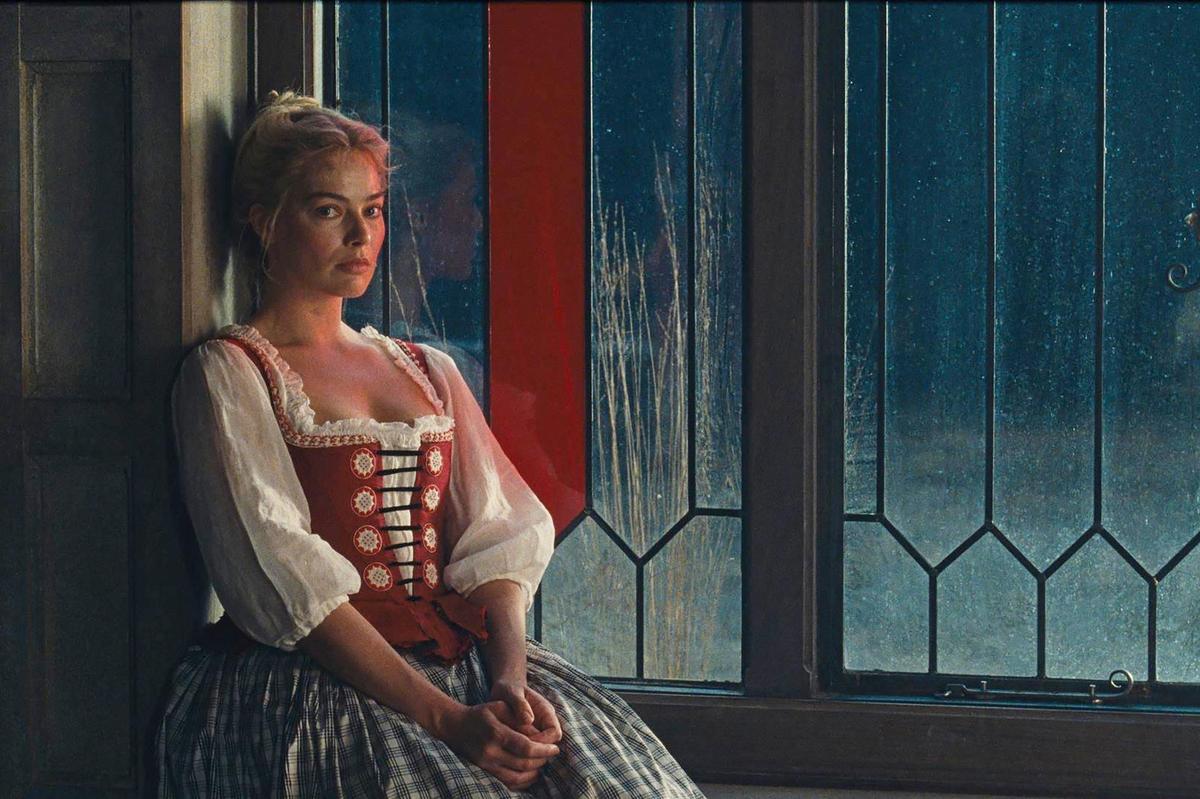
This image released by Warner Bros. Pictures shows Margot Robbie in a scene from “Wuthering Heights.” (Warner Bros. Pictures via AP)
| Photo Credit:
AP
There have been other adaptations of Wuthering Heights, with and without Heathcliff’s revenge arc. Fennell, choosing to leave it out, ensures she does not have to address all the problematic questions from racism and animal cruelty (why does Heathcliff hurt the dogs?) to marital rape.
All the characters in the book are unrelentingly dreadful from Heathcliff’s violent vengefulness and Catherine’s shallowness to Edgar’s irresoluteness and Linton’s manipulative whingeing. The structure of having different narrators creating nesting dolls of misery is not particularly attractive either, nor is the fact that many of the characters either share names or have similar sounding names. Brontë’s idea of showing generational trauma by shearing away individuality works astonishingly well.

Casting the Caucasian Elordi as Heathcliff, comprehensively erases the race question. Fennell says she cast Elordi because he “looked exactly like the illustration of Heathcliff on the first book that I read.”
Releasing the film on Valentine’s Day can be ironic for those who choose to see it that way, and it can certainly be enjoyed as an outrageous bodice‑ripper, but it still ends with Catherine’s death and misses the very point Brontë was making.
Published – February 13, 2026 04:25 pm IST

