



For a city that prides itself on its growing multiplex culture, its existing multi-purpose venues are simply not enough. Hyderabad needs a dedicated, affordable space for theatre. There is no equivalent to Mumbai’s Prithvi Theatre or Bengaluru’s Ranga Shankara—spaces built solely for theatre.
Not enough opportunities
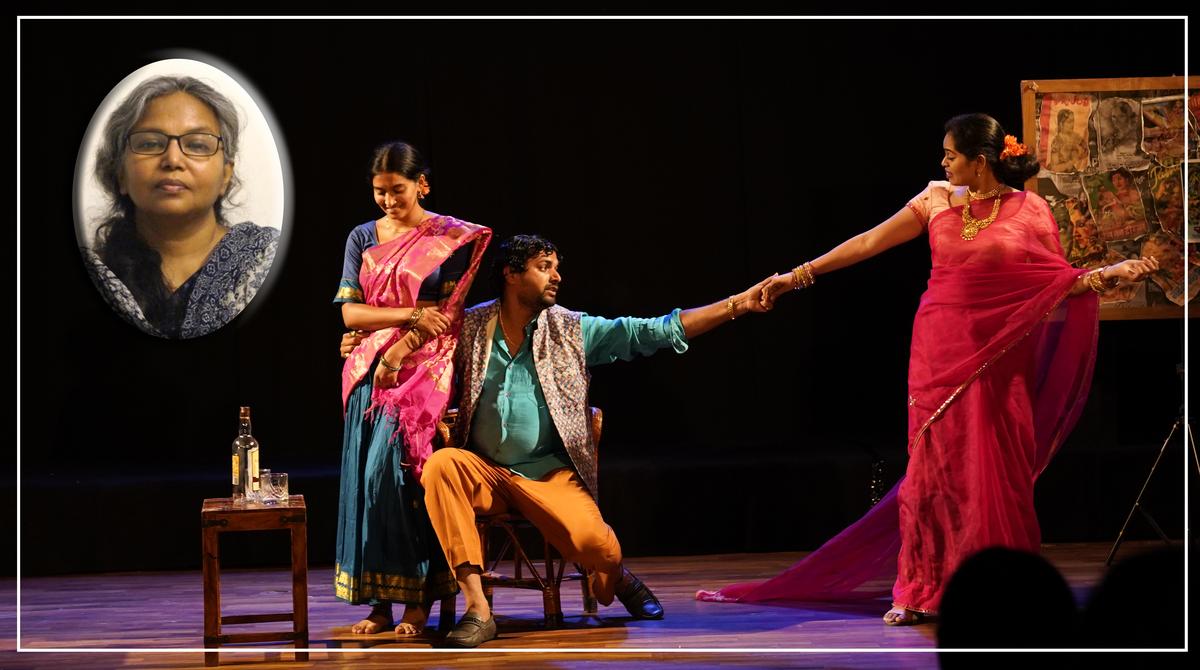
At Lingampally, a suburb in north-west Hyderabad, senior theatre director Nasreen Ishaque is grappling with a difficult decision: to do away with sets, props and costumes. “Perhaps minimal, stripped-down productions will help,” she says.
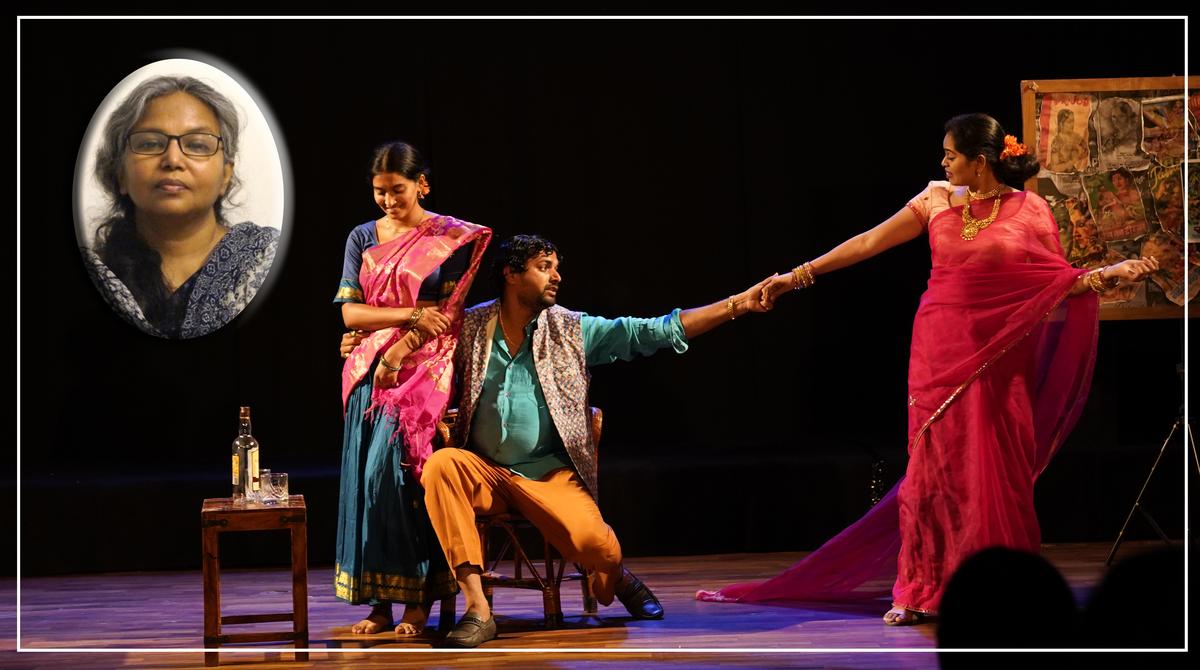
A scene from ‘Paakuduraalu’; Director Nasreen Ishaque in the inset
| Photo Credit:
Special Arrangement
Founder of Nibha Theatre Ensemble and an alumna of the National School of Drama (NSD), Nasreen is known for her large ensemble productions, staged annually with a cast and crew of around 25. Costs, however, have surged—from ₹70,000 in 2018 to ₹2 lakh in 2025, excluding voluntary artiste fees. The rising expenses, coupled with limited access to affordable auditoriums, have left her exhausted.
A few months ago, another NSD graduate, Bhagyashree Tarke, planned to stage Henrik Ibsen’s Hedda Gabler in the city. But the actor, who shuttles between Hyderabad and Mumbai, struggled to find affordable rehearsal spaces in central locations, and actors available beyond day jobs. She eventually moved the production to Mumbai. “It is expensive to stage a play there, but since everyone is engaged in some way, you still thrive creatively,” she says.
Bhagyashree also notes a cultural gap. “In Mumbai, many film professionals remain connected to theatre. Even if they are not acting, they show up to watch plays. That’s largely missing in Hyderabad, and that’s perhaps the saddest part.” She adds that in the Telugu industry, only a few, such as veteran actor-playwright Thanikella Bharani and actor Jhansi, continue to balance films and theatre.
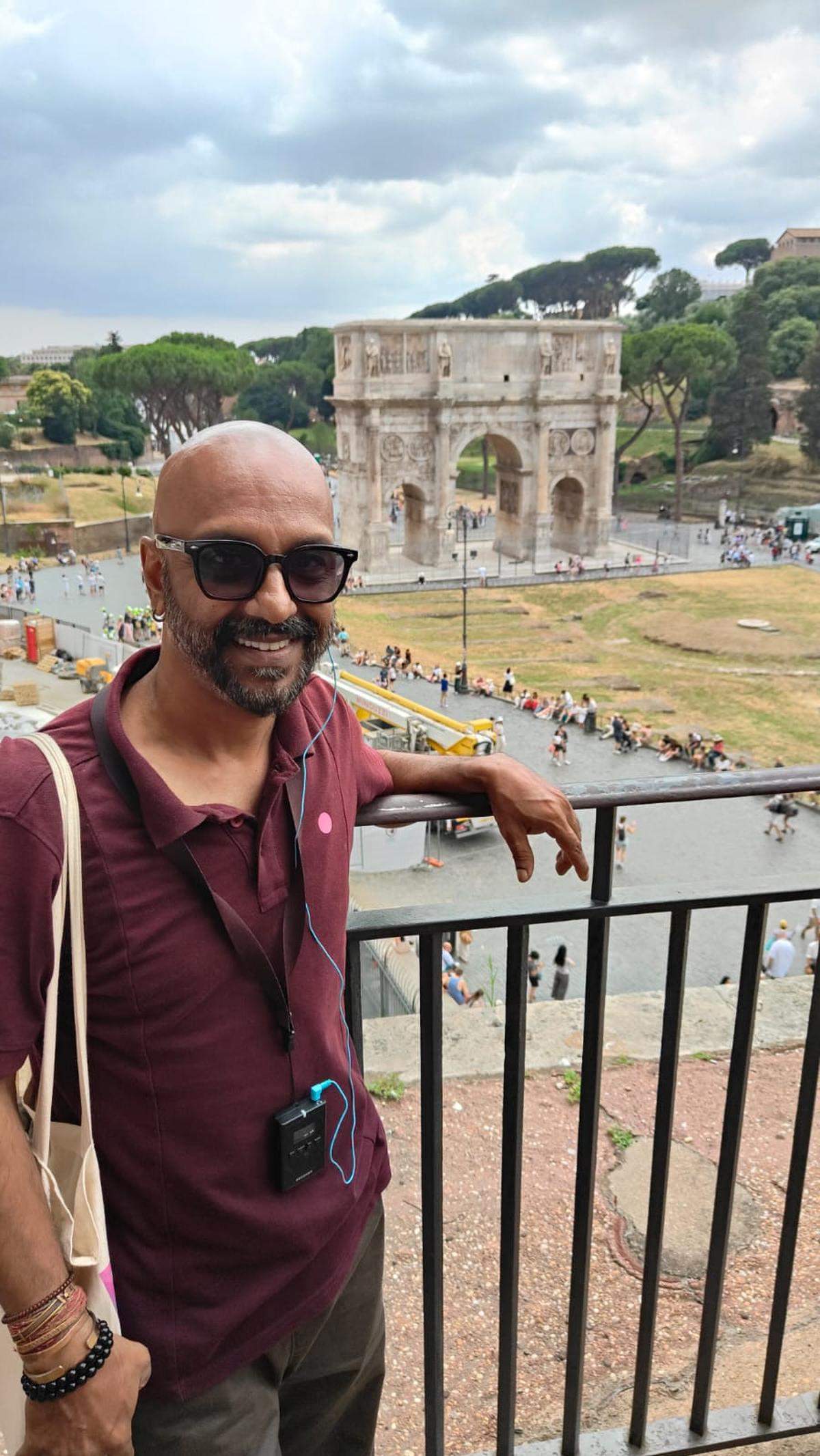
Ram Holagundi
| Photo Credit:
Special Arrangement
Nasreen and Bhagyashree are not alone. Both established and amateur theatre groups across the city face similar challenges. Hyderabad has around ten multi-cultural venues, including experimental spaces, but each comes with its own limitations. Government-run auditoriums like Ravindra Bharathi and Shilpakala Vedika, non-profit spaces such as Lamakaan and Sri Thyagaraya Gana Sabha, and private venues like Rangbhoomi Spaces host performances regularly.
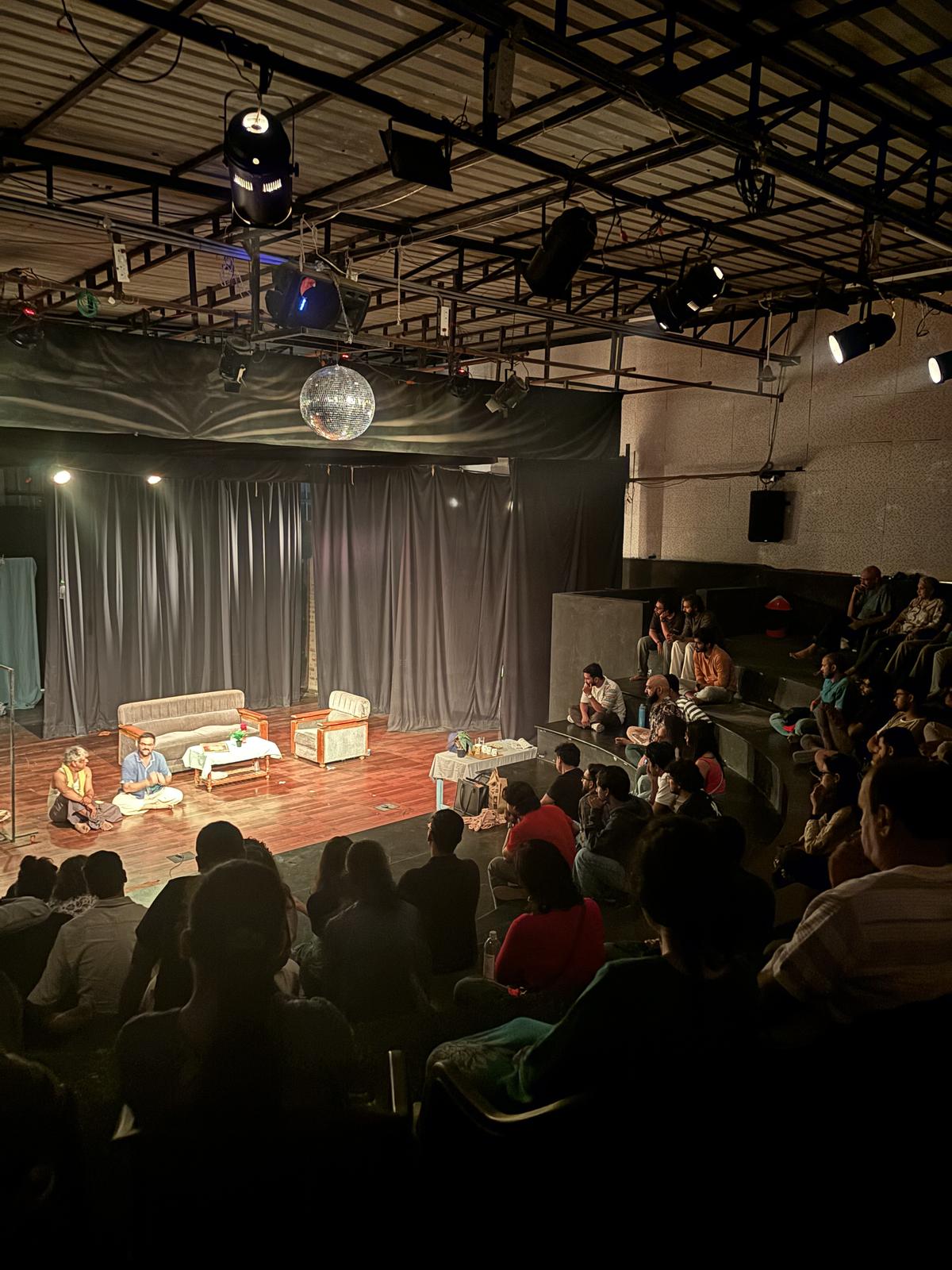
A play being staged at Rangbhoomi Spaces
| Photo Credit:
Special Arrangement
There are also smaller, intimate venues set up by theatre practitioners such as Ram Holagundi and Rathna Shekar Reddy. Other options include open-air auditoriums at Taramati Baradari and indoor halls at Suravaram Pratap Reddy Telugu University, Telangana Saraswata Parishath, Bharatiya Vidya Bhavan in Himayat Nagar and Phoenix Arena.
Yet, the city’s theatre landscape is also marked by loss. Once-thriving spaces such as Hari Hara Kala Bhavan and the Indira Priyadarshini auditorium in Nampally now remain only as reminders of a more vibrant cultural past.
In search of permanence
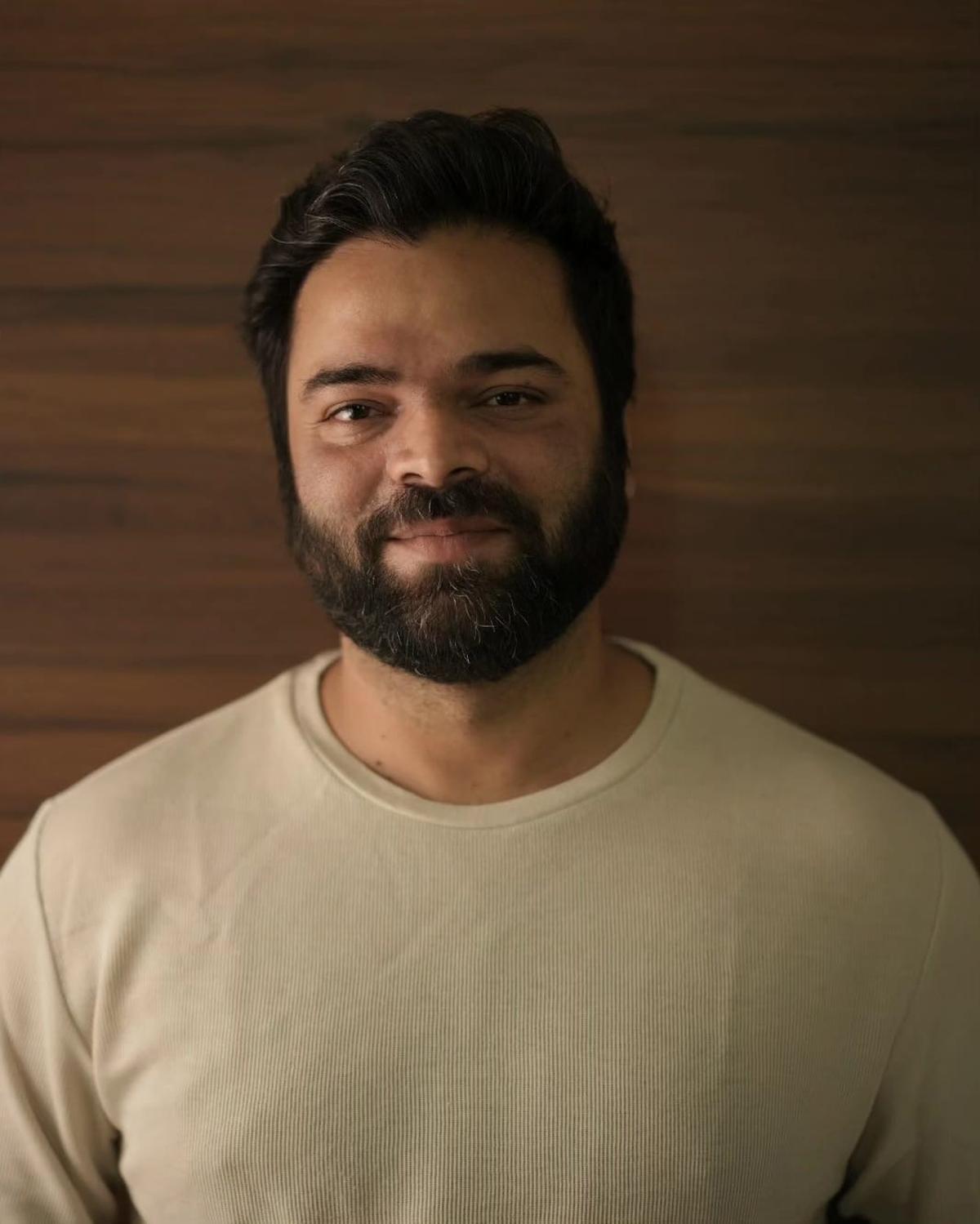
Jay Jha
| Photo Credit:
Special Arrangement
Theatre actor-director Jay Jha is now equal parts angry and resigned. “I’ve been fighting for space for a long time,” he says. Early interest from government officials in creating a dedicated theatre space in Gachibowli or Hitech City never moved beyond discussion. “There isn’t even a small, permanent space for art and culture in west Hyderabad, despite its rapid growth,” he adds.
Jay launched Rangbhoomi Spaces in Gachibowli in 2020, but it shut after three years when the lease ended. It reopened in Serilingampalli in July 2024. “Amita Desai ma’am of Goethe Zentrum helped us restart,” he says. The tiled-roof space, which gets extremely hot in summer, still lacks basic amenities such as toilets near the green room. Monthly expenses are around ₹1.3 lakh. Theatre groups pay about ₹11,000 for a four-hour slot, while other events are charged more depending on the duration and ticket prices.
With around 20 plays a month, the venue also hosts photo shoots and YouTube productions to break even.
Inclusive space
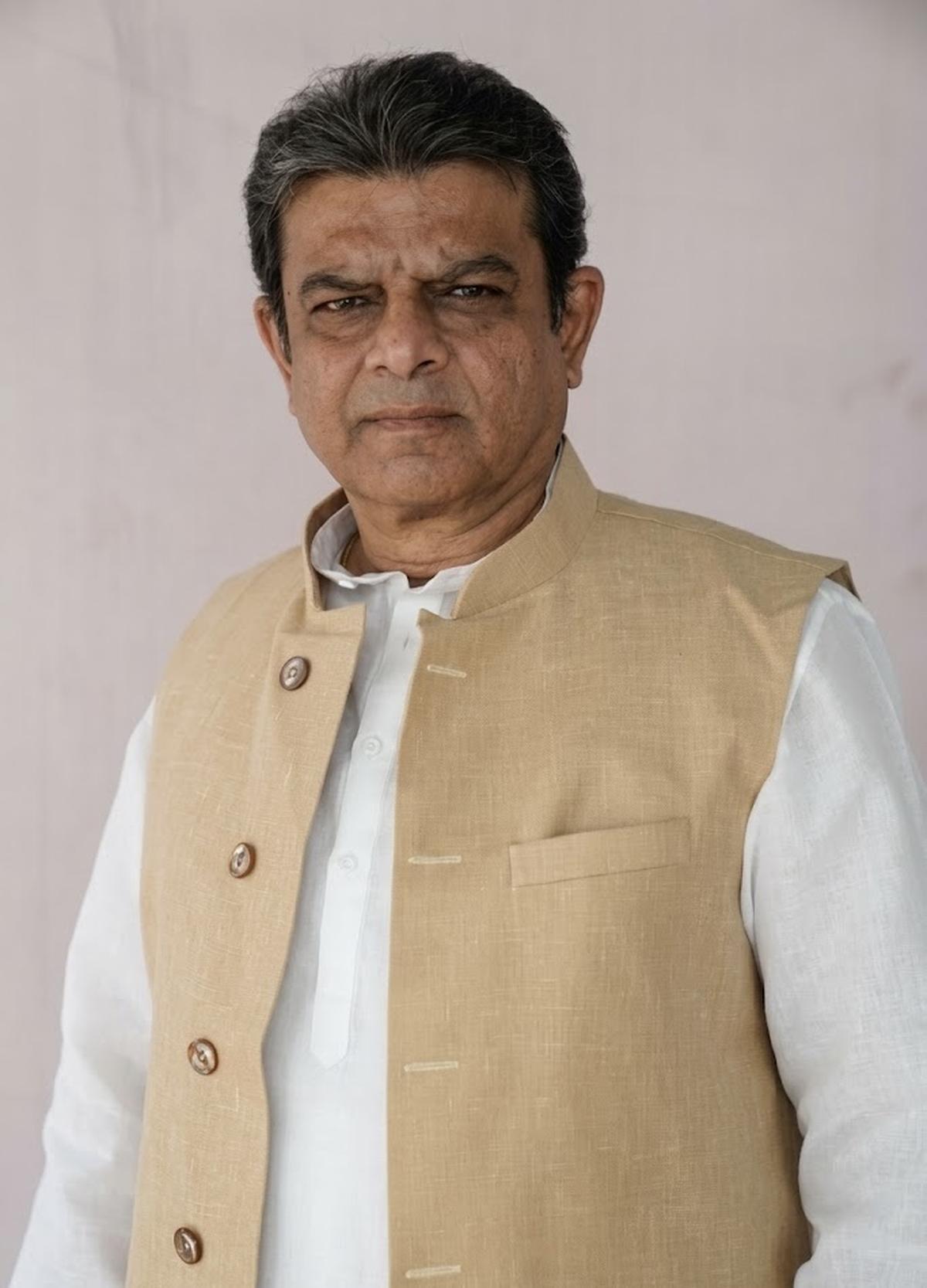
Vinay Varma
| Photo Credit:
Special Arrangement
For 26 years, Lamakaan, a non-profit cultural space in the heart of Banjara Hills, has been a cornerstone of Hyderabad’s arts scene. Widely regarded as an ‘OG’ venue, it remains a vital platform for both emerging and established performers. Its subsidised rates make it highly sought after, with bookings filled three months in advance. Theatre groups pay around ₹1,500 for shows priced at ₹100, though slots are largely limited to weekends.
The open-air stage, with no wings, suits only small productions or monologues. It also comes with its share of challenges—noise from the surroundings and the inevitable mosquito menace.
Elite experience
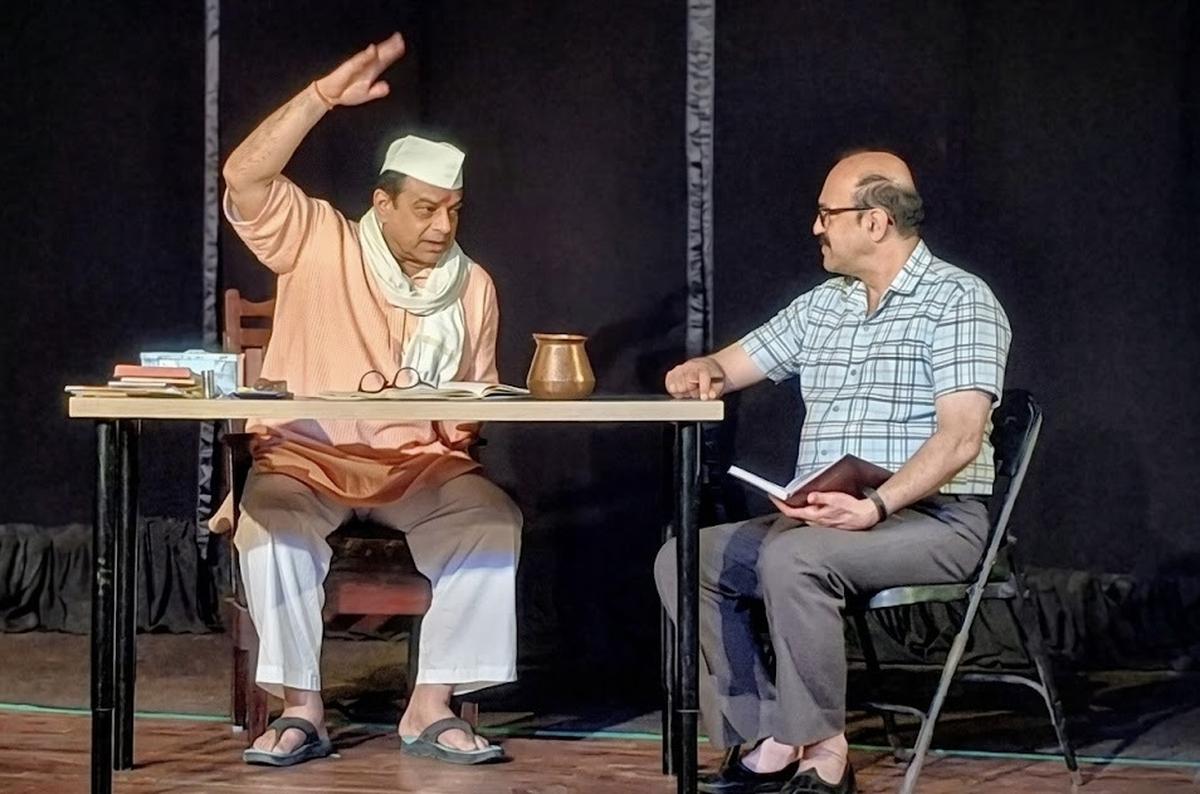
A scene from the play ‘Passwala’
| Photo Credit:
Special Arrangement
A few kilometres away, Shilpakala Vedika in Madhapur offers a far more polished, large-scale venue. But that comes at a cost—around ₹2 lakh plus GST for a weekend—placing it beyond the reach of most theatre groups. Even audiences face a compromise: either pay for front-row seats or settle for a distant balcony view. The auditorium is designed for scale, not intimacy.
“One has to make theatre affordable for it to sustain,” says Vinay Varma of Sutradhar. When his group travels across India, the senior actor-director photographs venues to document how even small spaces can create immersive experiences. “I share these with bureaucrats to show that a modest space is enough, and will be remembered for years.”
Fresh from a performance at Sri Ram Lagoo Rang-Avkash, a black box theatre, versatile and flexible small theatre setting in Pune, his team is struck by the city’s thriving theatre culture. “They have a dozen small spaces booked months in advance. Here, we often don’t even get technical rehearsals because lights are set up only on the day of the show.”
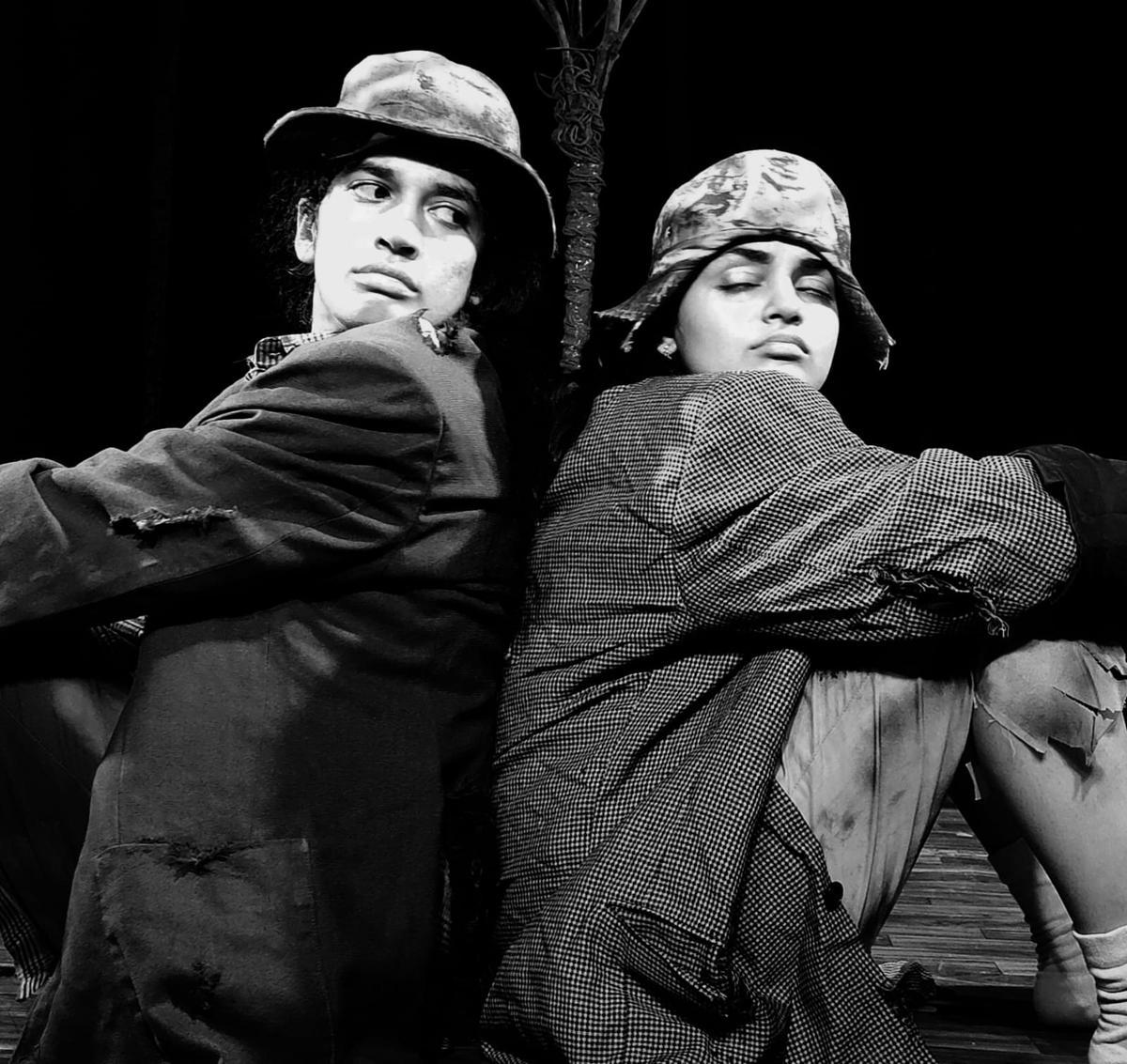
Young actors of Nishumbita during a performance
| Photo Credit:
Special Arrangement
Amid these challenges stands Ravindra Bharathi, the city’s 64-year-old cultural hub. “It is like my second home,” says Rammohan Holagundi of Nishumbita School of Drama. Yet, uncertainty looms. Performances can be cancelled at short notice if a government event takes precedence.
The venue, which hosts national theatre festivals and sponsored shows, is also in urgent need of upgrades—better seating and improved acoustics. “We hesitate to renovate because it would halt cultural activities for months,” says Enugu Narasimha Reddy, director of the Department of Language and Culture.
For now, one small step forward is in the works: a website to streamline bookings online.
Intimate setting
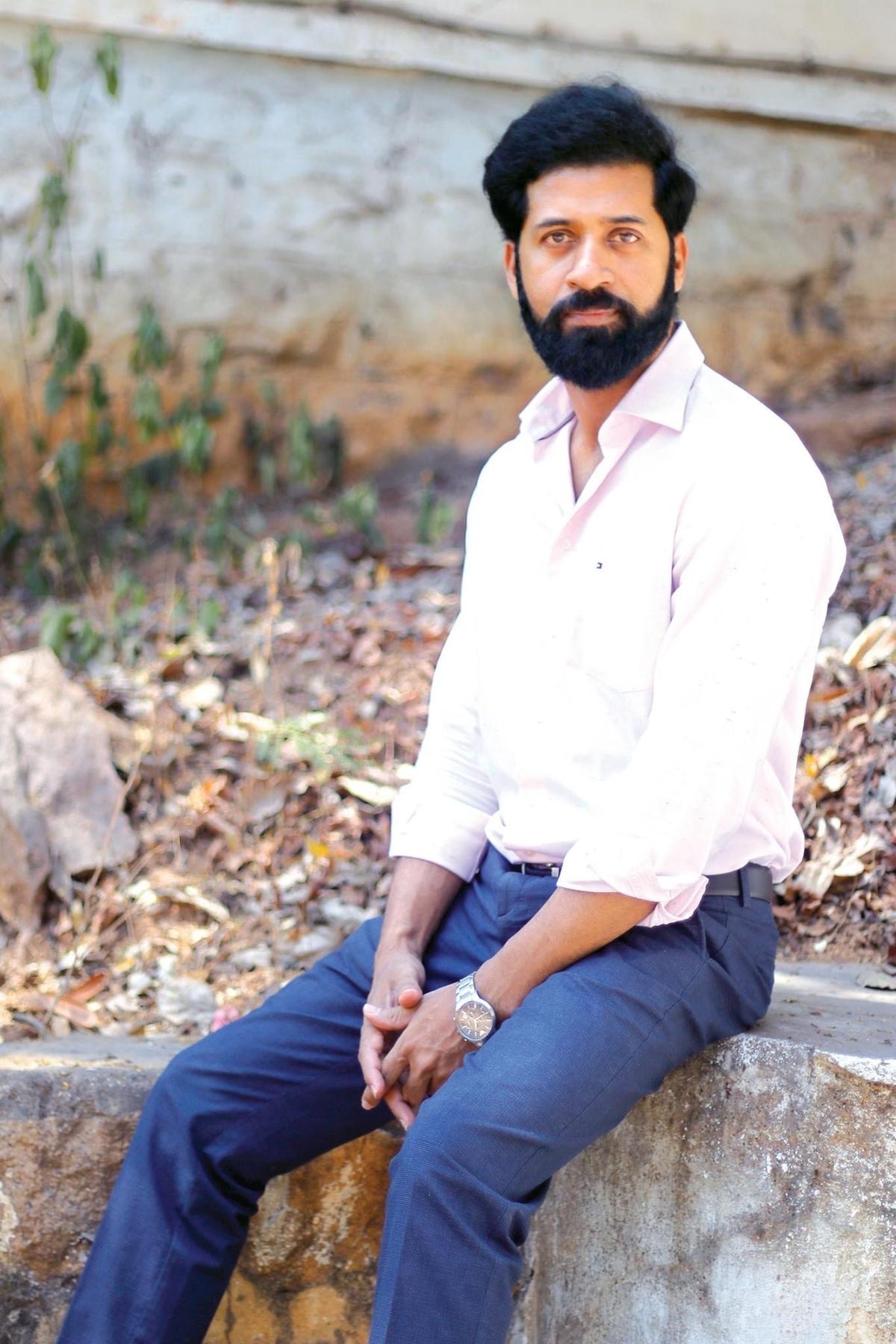
Rathna Sekhar Reddy
| Photo Credit:
Special Arrangement
In the absence of adequate venues, some practitioners have created their own. Ram Holagundi and Rathna Sekhar Reddy of Samahaara Theatre Group have built spaces for different needs. “We have seen a steady rise in Hyderabad’s theatre circuit which has been a training ground for emerging talent. A few active groups have been passionately pursuing the craft against all odds here. We do need auditoriums but we also need sponsors for the craft to thrive,” says Ram.
Rathna Sekhar converted his rehearsal space into a studio for workshop productions, while Ram Mohan turned the third floor of his home into a 100-seat intimate venue—free for struggling groups and priced at a nominal ₹5,000 for professional teams.
For Rathna, infrastructure and artistes are deeply interconnected. “Quality spaces are essential for better performances, but working with new artistes can be challenging. Many see theatre as a stepping stone to OTT and films,” he says. “Without committed performers, repeat shows are difficult, revenue suffers, and large productions become hard to sustain.”
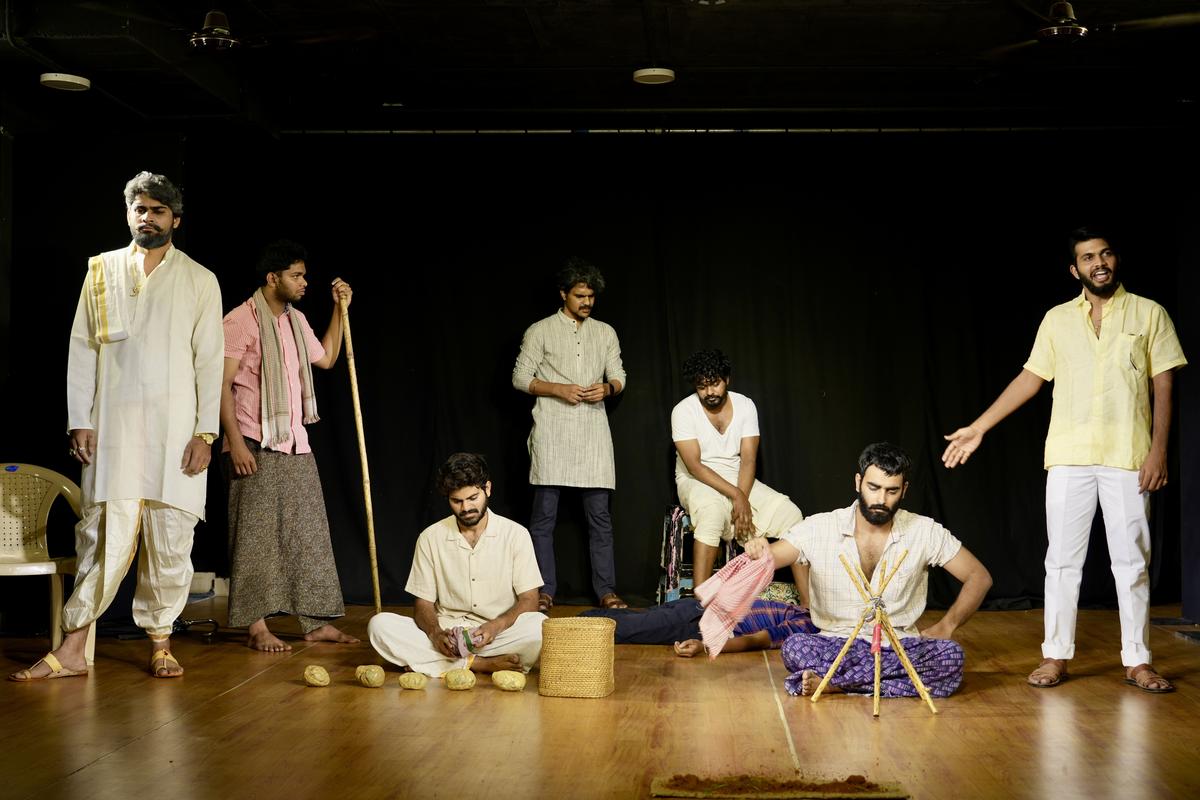
Actors from the Samahaara group stage a workshop production in their studio
| Photo Credit:
Special Arrangement
Lighting and set designer Surabhi Santosh, who hails from the illustrious Surabhi family sees a similar link between audiences and spaces. “Large auditoriums like Ravindra Bharathi are aspirational, but filling them is increasingly difficult,” he says. Community-driven theatre—Marathi or Bengali, for instance—draws its own audiences. Others struggle. Among the 11 shows of his musical play Petromax Panchayati staged in Hyderabad, the audience was mostly friends and families. “People need to show up, whether to appreciate or critique. Without that, quality cannot improve, nor will there be demand for better spaces.”
Vinay suggests reimagining existing infrastructure. “Spaces within venues like Shilpakala Vedika could be converted into black box theatres as it is flexible, intimate and cost-effective,” he says. Jay proposes using community halls in residential areas to reduce commuting barriers, while others point to unused government buildings and college spaces as viable alternatives. Nasreen Ishaque, meanwhile, hopes members of the Telugu film industry will invest in theatre, much like Sanjana Kapoor has sustained Mumbai’s Prithvi Theatre.
As groups prepare for World Theatre Day on March 27, 2026, the demand is clear: an affordable sustainable space that allows theatre to survive and grow