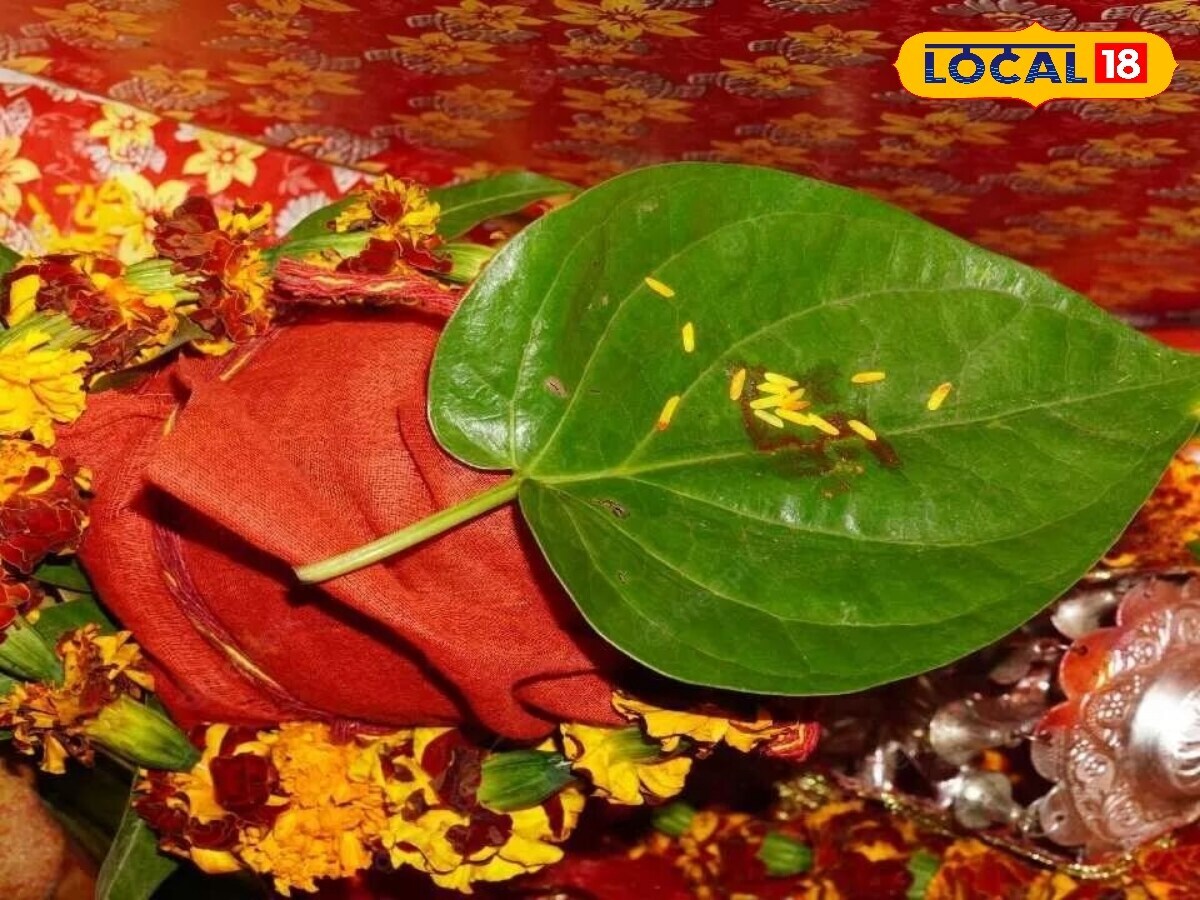
Ever wondered why mango leaves are placed on the Kalash? Read the sacred, spiritual and cultural significance behind this powerful ritual
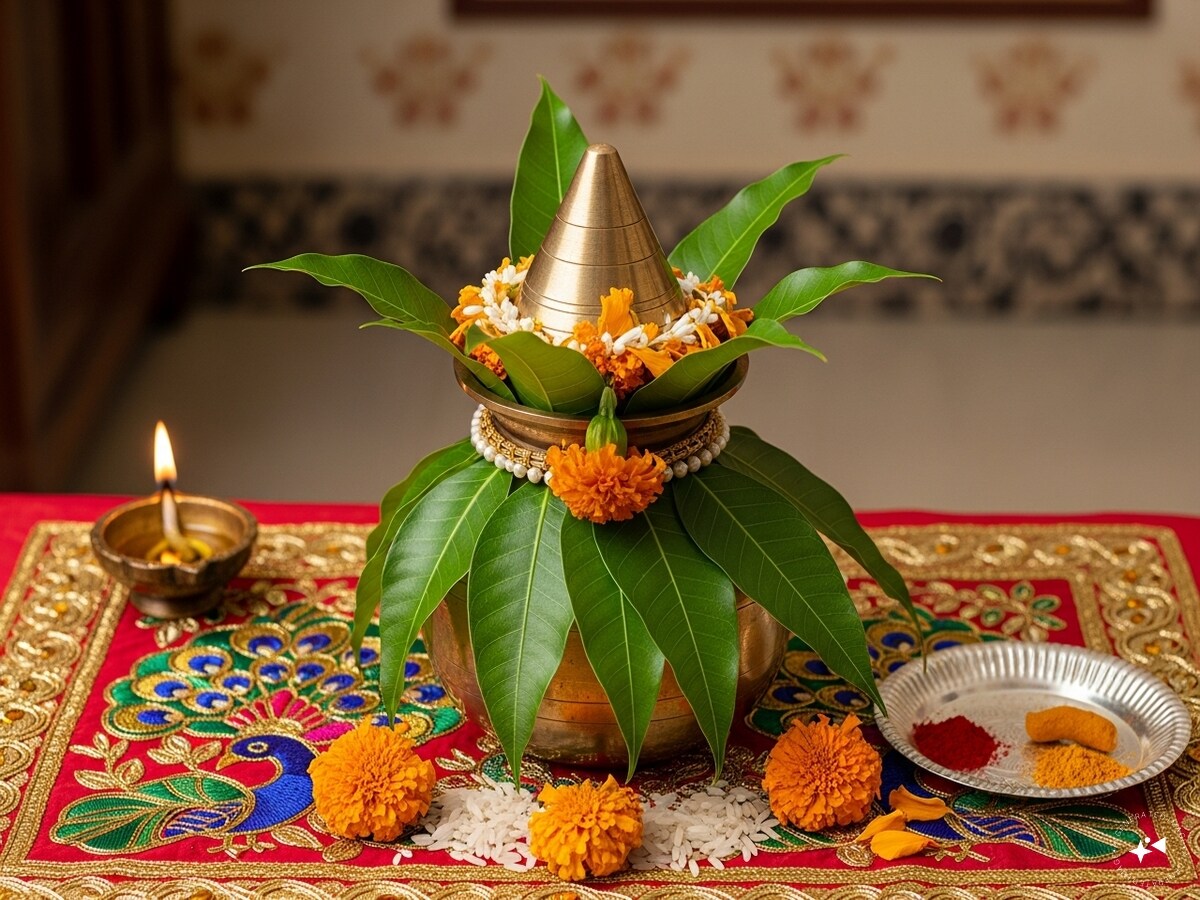
Ever wondered why mango leaves are placed on the Kalash? Read the sacred, spiritual and cultural significance behind this powerful ritual(Image: Canva)
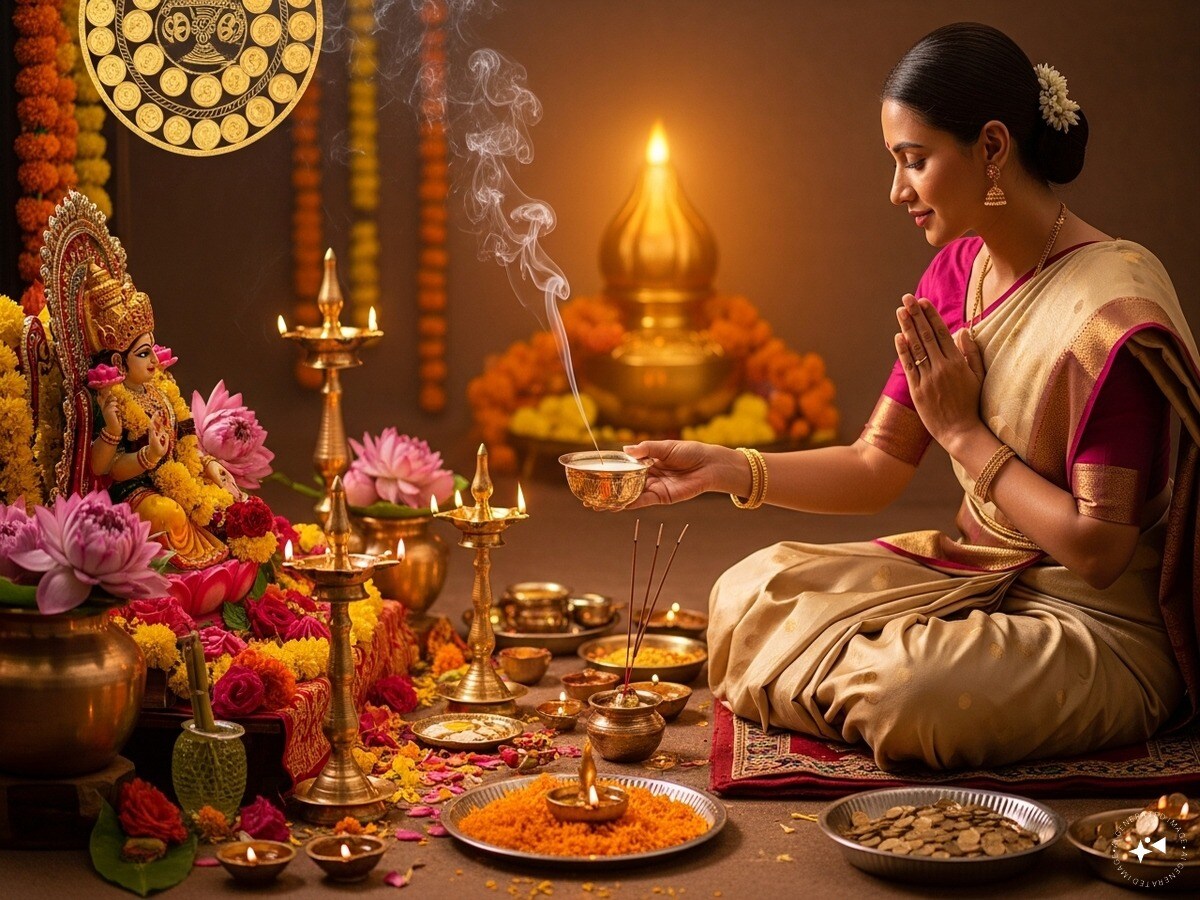
In Hindu traditions, every auspicious ceremony, including puja, vrat or havan, begins with the installation of the Kalash. The Kalash is not merely a water-filled vessel; it symbolises prosperity, purity and divine presence. Scholar Baldev Dutt Bhat from Pithoragarh has shared insights explaining the deeper significance of this ritual and the spiritual symbolism attached to the sacred leaves placed upon it.
According to the Puranas, the Kalash holds immense spiritual symbolism. It is believed that Lord Vishnu resides at the mouth of the Kalash, Lord Rudra (Shiva) at its neck and Lord Brahma at its base. The centre of the vessel is said to house the matriganas. Devotees believe the installation of the Kalash invites positive energy, purifies surroundings and prepares the space for divine blessings.
The leaves placed on the mouth of the Kalash are not simply decorative elements. According to scholar Baldev Dutt Bhat, these leaves represent a connection between nature and spirituality. Their placement is believed to enhance the ritual’s sanctity while symbolising harmony between the natural world and divine forces, reinforcing the sacred energy created during worship ceremonies.
Mango leaves are widely used during Kalash installation due to their cultural and spiritual symbolism. The evergreen nature of the mango tree represents growth, prosperity and continuity. In several regions, other sacred leaves such as Ashoka, peepal, apricot and banyan are also used. These trees are traditionally associated with peace, stability and longevity, making them significant in various ritual practices.
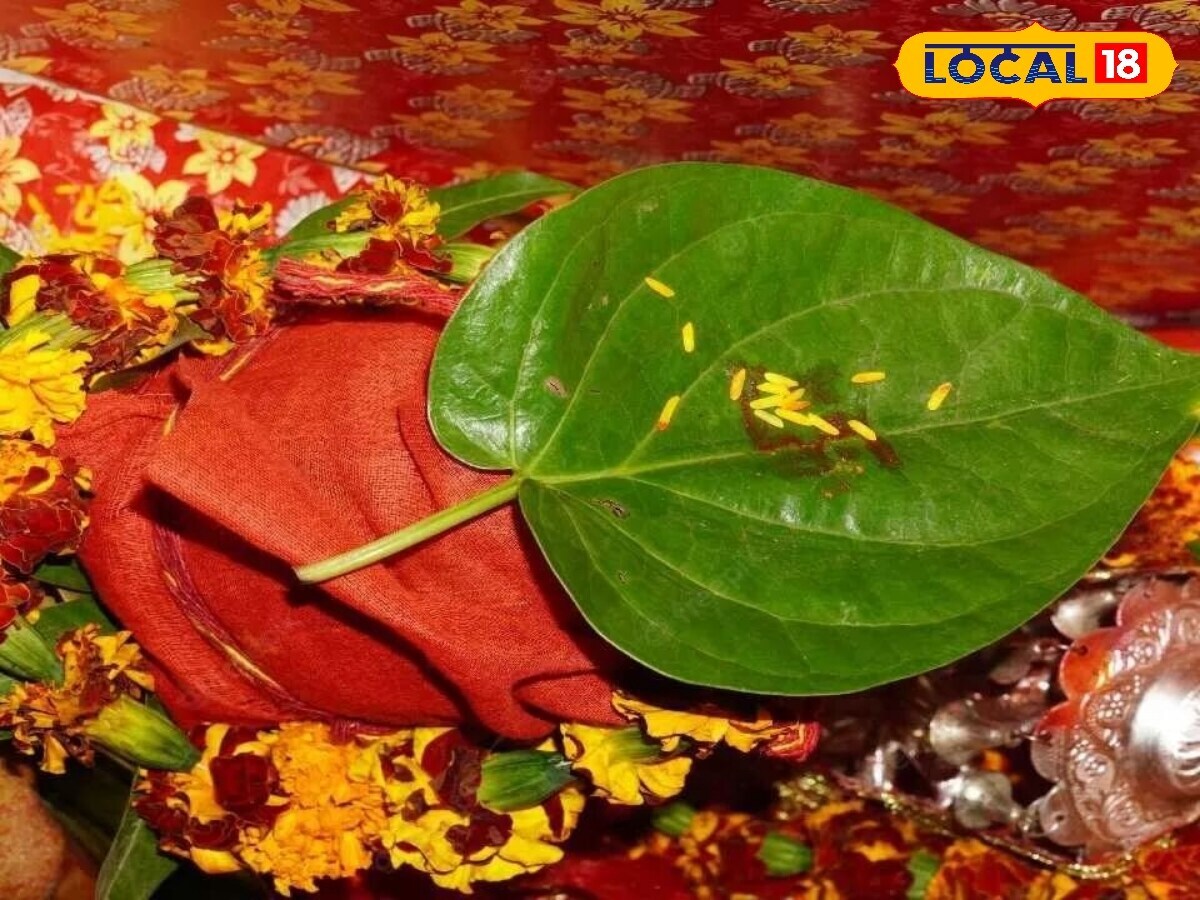
In hilly regions, particularly areas near the Himalayas, Kusa grass is used along with mango leaves during Kalash installation. It is believed to further purify the worship space. Spiritual interpretations suggest that these sacred leaves absorb negative energy and radiate positivity. The water inside the Kalash symbolises the essence of life, while the leaves represent balance and harmony within nature.
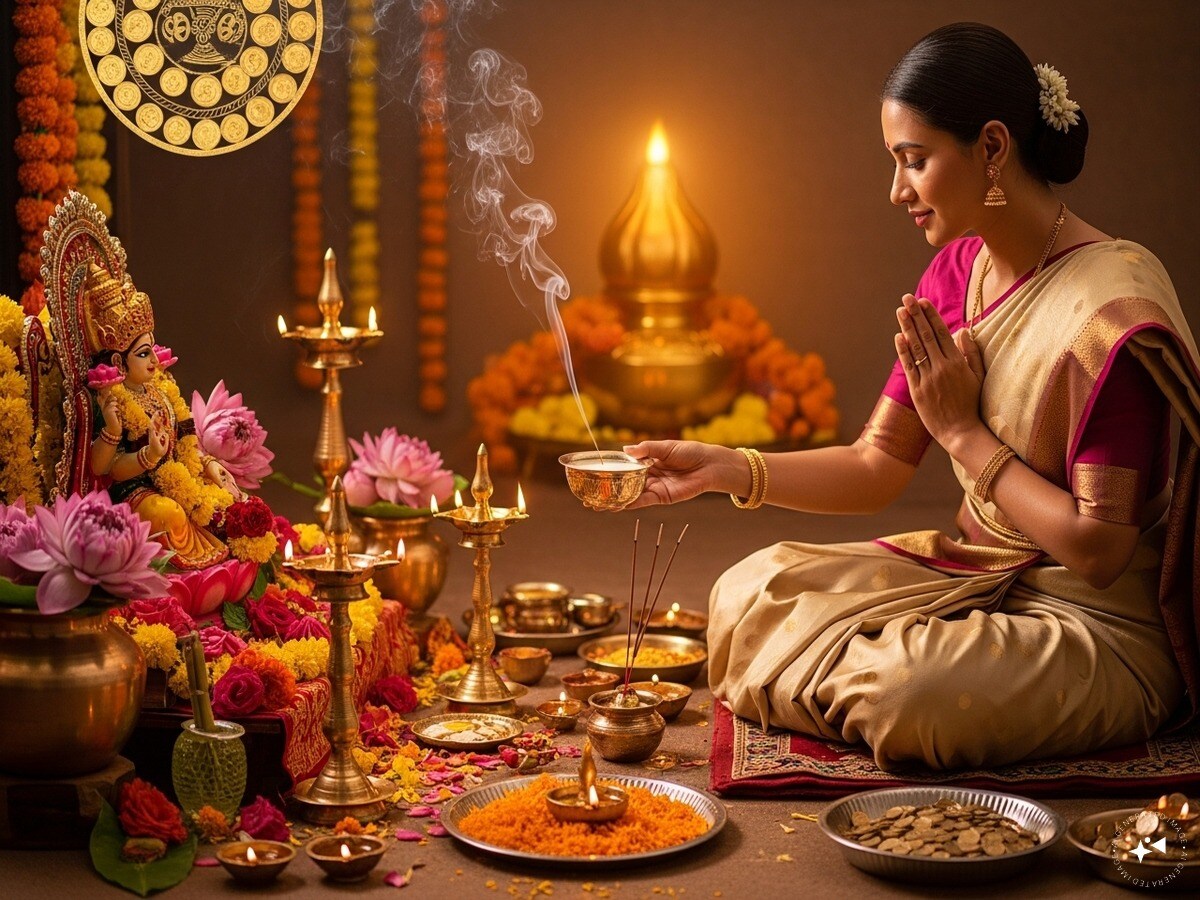
Religious scholars emphasise that the Kalash and the leaves placed upon it are not only ritualistic objects but also powerful symbols of human reverence for nature. The ritual highlights the deep cultural belief that natural elements hold divine significance. The installation of the Kalash is believed to complete religious ceremonies and strengthen spiritual connection during worship.
Handpicked stories, in your inbox
A newsletter with the best of our journalism
First Published:
February 17, 2026, 14:41 IST
Disclaimer: Comments reflect users’ views, not News18’s. Please keep discussions respectful and constructive. Abusive, defamatory, or illegal comments will be removed. News18 may disable any comment at its discretion. By posting, you agree to our Terms of Use and Privacy Policy.
The leaves placed on the mouth of the Kalash are not simply decorative elements. According to scholar Baldev Dutt Bhat, these leaves represent a connection between nature and spirituality. Their placement is believed to enhance the ritual’s sanctity while symbolising harmony between the natural world and divine forces, reinforcing the sacred energy created during worship ceremonies.Mango leaves are widely used during Kalash installation due to their cultural and spiritual symbolism. The evergreen nature of the mango tree represents growth, prosperity and continuity. In several regions, other sacred leaves such as Ashoka, peepal, apricot and banyan are also used. These trees are traditionally associated with peace, stability and longevity, making them significant in various ritual practices.In hilly regions, particularly areas near the Himalayas, Kusa grass is used along with mango leaves during Kalash installation. It is believed to further purify the worship space. Spiritual interpretations suggest that these sacred leaves absorb negative energy and radiate positivity. The water inside the Kalash symbolises the essence of life, while the leaves represent balance and harmony within nature.Religious scholars emphasise that the Kalash and the leaves placed upon it are not only ritualistic objects but also powerful symbols of human reverence for nature. The ritual highlights the deep cultural belief that natural elements hold divine significance. The installation of the Kalash is believed to complete religious ceremonies and strengthen spiritual connection during worship.
Stay Ahead, Read Faster
Scan the QR code to download the News18 app and enjoy a seamless news experience anytime, anywhere.