








In recent years, a sharp claim has unsettled educators and families. According to neuroscientist Dr Jared Cooney Horvath, Generation Z is the first modern generation to score lower than the one before it. The statement gained weight when Horvath submitted formal testimony to the US Senate Committee on Commerce, Science and Transportation in January. The concern is not about laziness or lack of effort. It is about how children are learning, and what constant screens may be doing to young brains.
The first generation to break the upward curve
For more than a century, each generation improved on academic measures like reading, memory, and problem-solving. That pattern stopped with Gen Z, those born between 1997 and the early 2010s. Horvath’s analysis of global test data shows declines across attention span, literacy, numeracy, executive function, and even overall IQ. This matters because these skills shape not just school success, but daily decision-making and emotional control.
When learning became skimming
One core concern is how information reaches children today. Short videos, bullet points, and summaries now replace long chapters and slow reading. Horvath argues that the human brain is not built to learn this way. Deep learning needs time, repetition, and effort. Skimming trains the brain to jump, not to stay. Over time, this weakens memory and reduces the ability to solve complex problems without help.
Gen Z Employment
Screens everywhere, focus nowhere
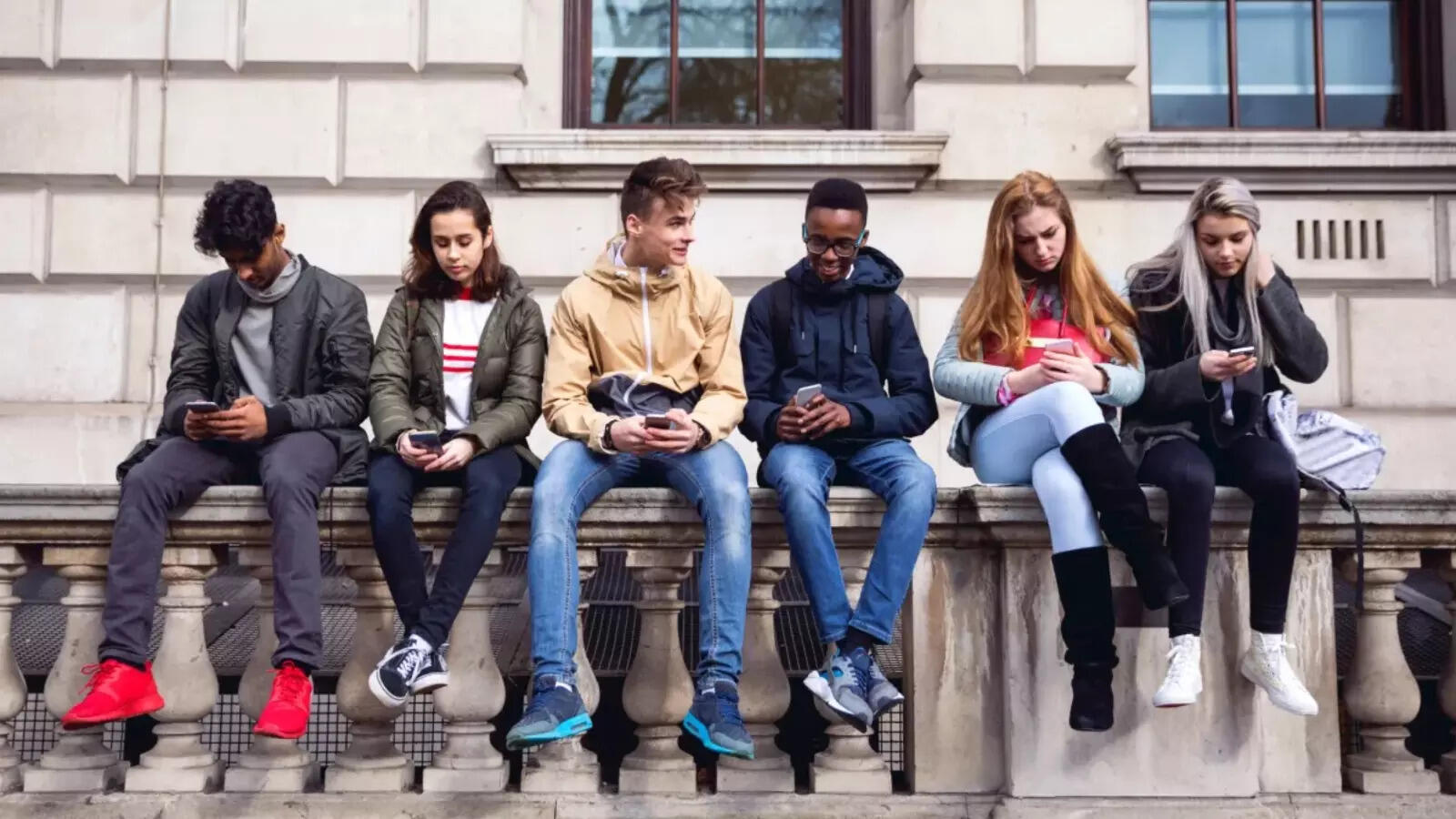
Teenagers today spend more than half their waking hours looking at screens. That includes schoolwork on tablets and laptops, followed by social media and short-form videos at home. Horvath, who has taught at Harvard University and the University of Melbourne, stresses that learning works best through human interaction and sustained study. Screens offer speed and convenience, but they rarely demand mental effort.
Reading is fading, and the effects show early
Independent research supports this worry. A 2024 survey by the National Literacy Trust found that only one in three children enjoys reading in free time. Just one in five reads daily. A study from the journal iScience showed daily reading has dropped by over 40 percent in two decades.
Is technology the villain, or how it is used?
Horvath does not call for banning technology. He describes himself as “pro-rigour,” not anti-tech. His argument is simple. When digital tools replace effort, learning drops. Across 80 countries, once schools adopted heavy digital learning, performance declined. This pattern appears again and again in global data. Horvath’s work through LME Global focuses on bringing research back into classrooms, with fewer screens and more thinking.
Can this trend be reversed for future children?
Experts believe change is possible, but it needs adult guidance. Children need books, boredom, and time to struggle with ideas. Limiting screens during learning hours, encouraging reading aloud at home, and valuing effort over speed can help rebuild focus. The goal is not to go backward, but to balance tools with discipline.Disclaimer: This article is based on publicly reported research, expert testimony, and media coverage, including reports cited by outlets such as the New York Post. The findings reflect ongoing debates in education and neuroscience and should be understood as part of a broader discussion, not a final judgment on an entire generation.