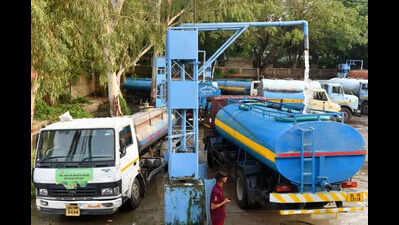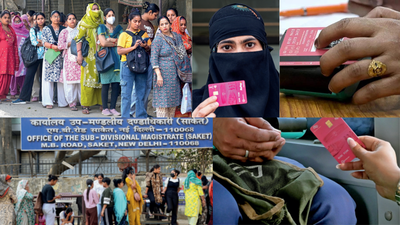



New Delhi: A water audit conducted by Greenpeace India has flagged gaps in Delhi’s water supply in 12 informal settlements. Surveying 500 households, the study found that 34% buy water from private suppliers and 29% depend on tankers that arrive once or twice a week. Families earning Rs 6,000-Rs 10,000 a month spend up to 15% of their income on water, often at the cost of food, healthcare and education.The report, Water Access Audit: Gaps, Costs and Beyond, is based on the survey carried out in Sakurpur Basti, Savda Ghevra, Daya Basti, Chunna Bhatti, Khajan Basti, BIW Colony, Seemapuri, Sunder Nagri, Lohar Basti, Sangam Vihar (waste pickers basti), Raghubir Nagar JJ Colony and Kusumpur Pahari. The study found that a majority of residents are forced to depend on private water suppliers (34%), Delhi Jal Board tankers (29%) or water ATMs (21%) while 14% use submersible connections and 2% borrow from neighbours.Despite Delhi govt’s announcement in April 2025 to install 3,000 water ATMs, only 20 were set up citywide by June, said the report. “Water is a basic right; but for these families, it’s an everyday crisis. In the settlements without water ATMs, people are forced to buy water from private suppliers at Rs 15-30 per gallon. This isn’t just about missing infrastructure; it shows a clear gap between what policies promise and what people actually get. Summer and heatwaves only worsen the pain as people are forced to choose between water and food, water and school fees, water and medicine,” said Vaishali Upadhyay, campaigner in Greenpeace India.According to the report, around 80% of the respondents reported frequent or occasional water shortages, particularly during the March-July peak summer window. The lack of regular and affordable supply forces many to spend Rs 500-Rs 1,500 per month on water, which takes a serious toll on other household essentials. Nearly 37% of the respondents said they either missed days or hours because they were waiting in long queues to collect water.“Many residents shared how they walk long distances or pay steep prices for water that isn’t even safe to drink. Govt sources like tankers come rarely, and water ATMs where they exist are broken or charge extra. Clean and affordable water shouldn’t be a privilege—it’s a necessity,” said Ankit Rana, who was part of the survey.No response was received from the jal board.