




And the winner is Warner Bros. At least where the just-concluded Oscars ceremony is concerned. The studio founded in 1923 by the brothers Harry, Albert, Sam and Jack Warner (yes, there were actually four Warner brothers) had 30 nominations this year, of which it has won 11 Oscars. What happens after this, however, is a concern for some in Hollywood.
Warner Bros. Discovery, the parent company of Warner Bros. studio, has a $110 billion takeover offer from Paramount and Skydance. The deal has to be approved by the U.S. government authorities since it could create a huge monopoly. Until recently, streaming giant Netflix was in the bid too, for $82.7 billion.
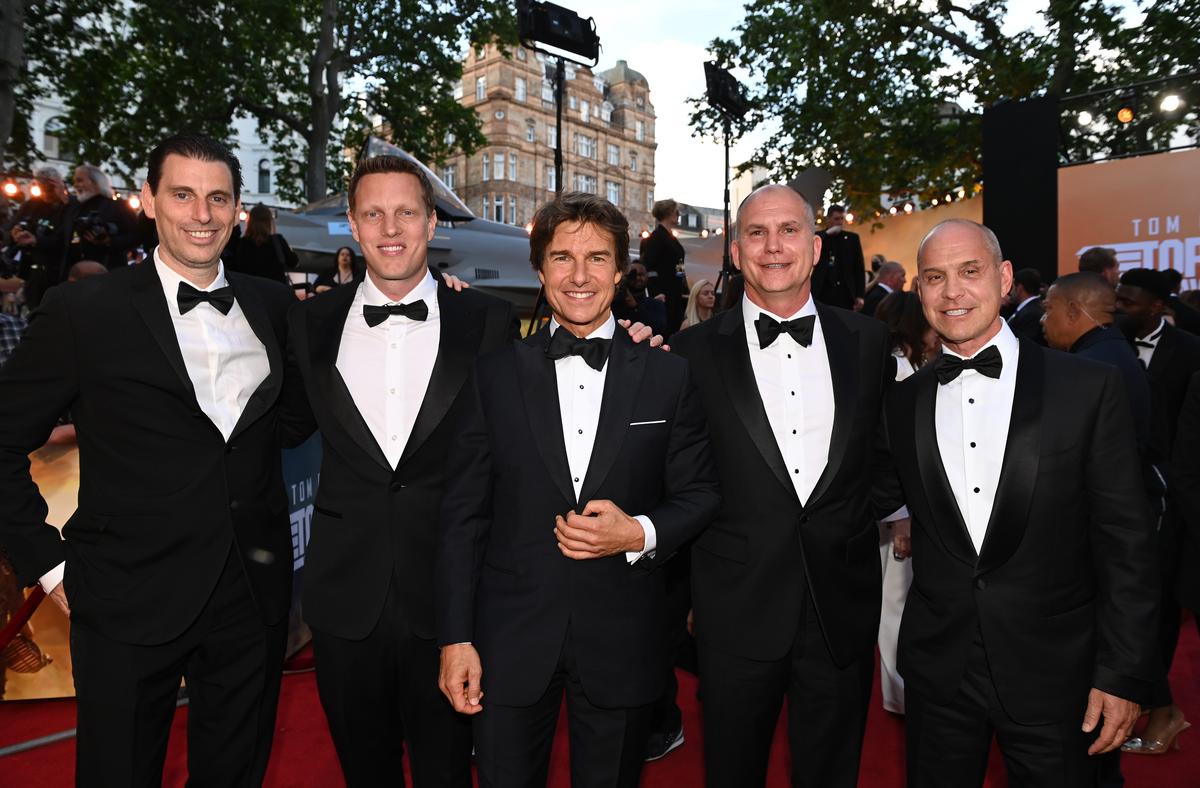
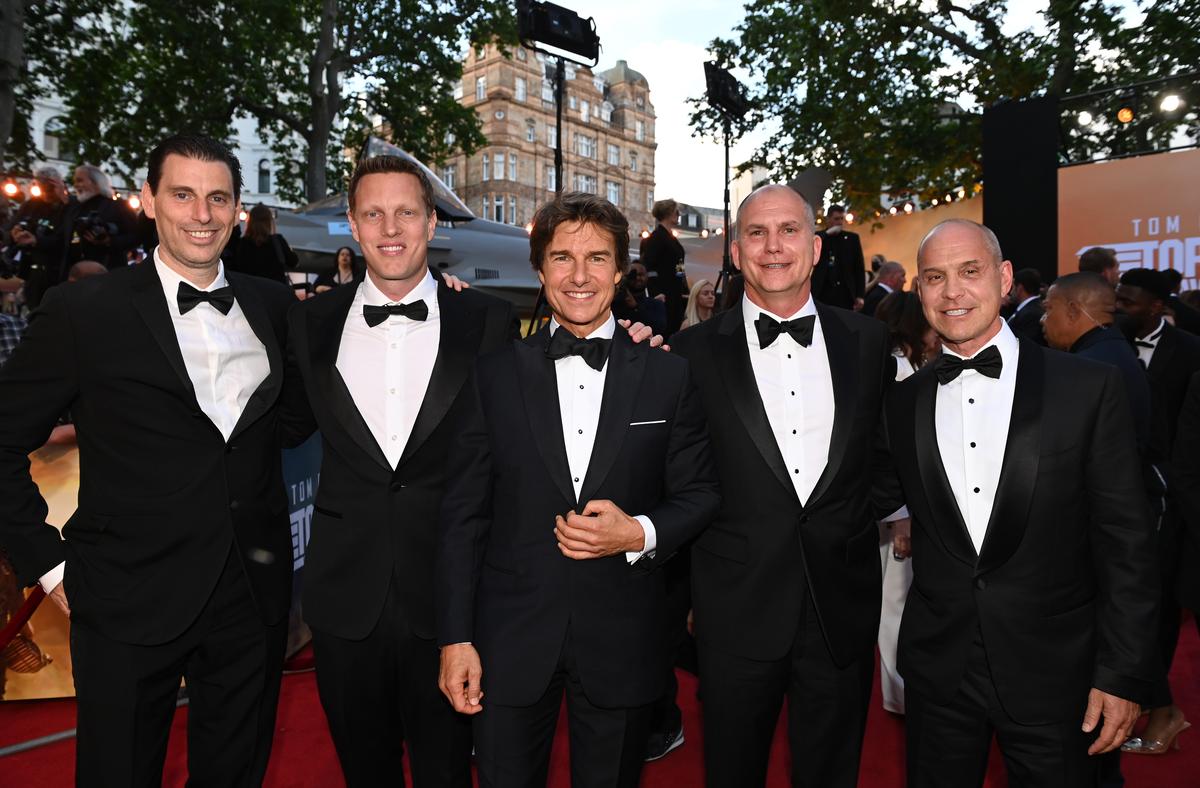
Paramount Skydance CEO David Ellison (second from left) and Tom Cruise (centre), who has given Paramount several big successes, including the final film in the MI franchise, Mission Impossible: The Final Reckoning (2025).
| Photo Credit:
Getty Images
Many observers feel that the deal could go through later this year since the 2025-established Paramount Skydance CEO David Ellison, 43, and his father Larry, the founder of Oracle Corporation, are close to U.S. President Donald Trump. They are also big financial supporters of Israel.
The drama unfolds
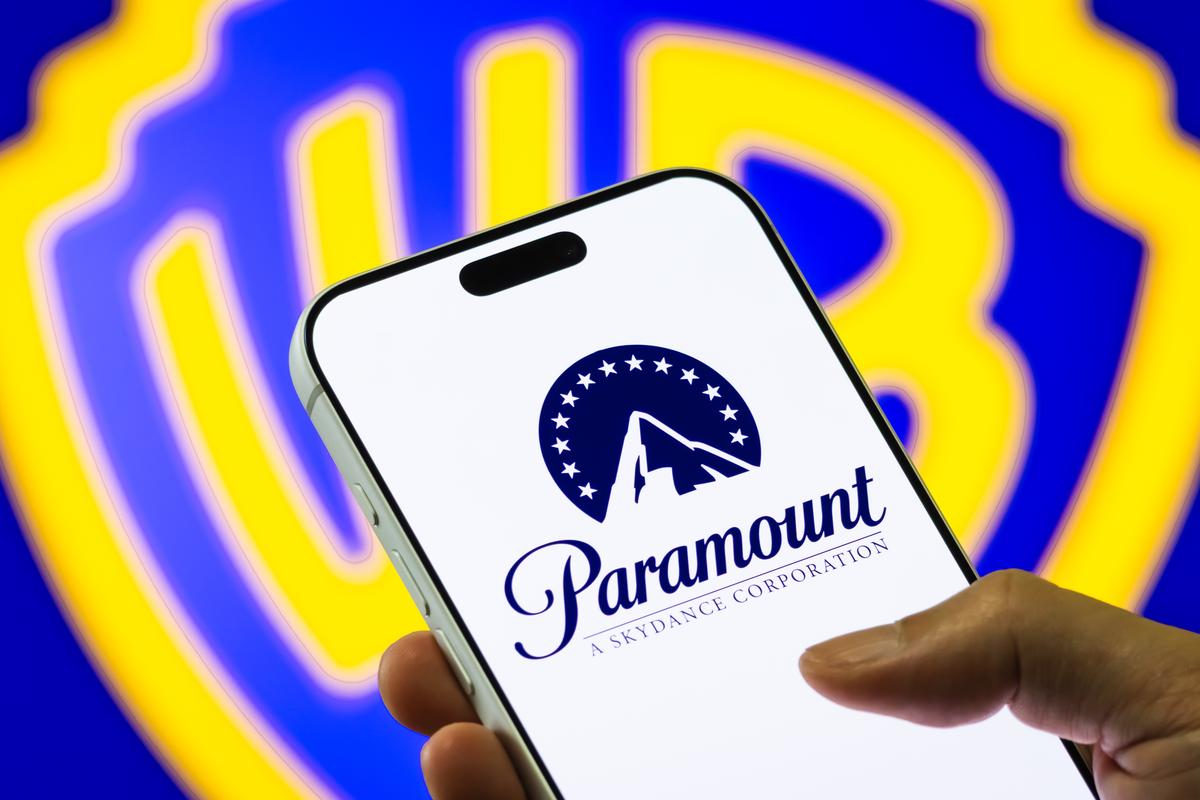
Warner Bros. Discovery studio has a takeover offer from Paramount Skydance for $110 billion.
| Photo Credit:
Getty Images
Paramount had some big successes in 2025, from Tom Cruise-led Mission Impossible: The Final Reckoning, which grossed $600 million, to The Naked Gun franchise’s latest reboot starring Liam Neeson ($102 million global box-office), which had a terrific second innings on Amazon Prime. “I think Paramount’s goal is to be the biggest movie studio out there,” says Gitesh Pandya, editor of BoxOfficeGuru.com, and a voting member of the Academy of Motion Picture Arts and Sciences (AMPAS), which gives out the Academy Awards (Oscars). The other big studios that define the Hollywood terrain are The Walt Disney Company, Universal Pictures, Sony Pictures, and Amazon MGM Studios — a new entity after Jeff Bezos’ Amazon Studios bought MGM in 2022.
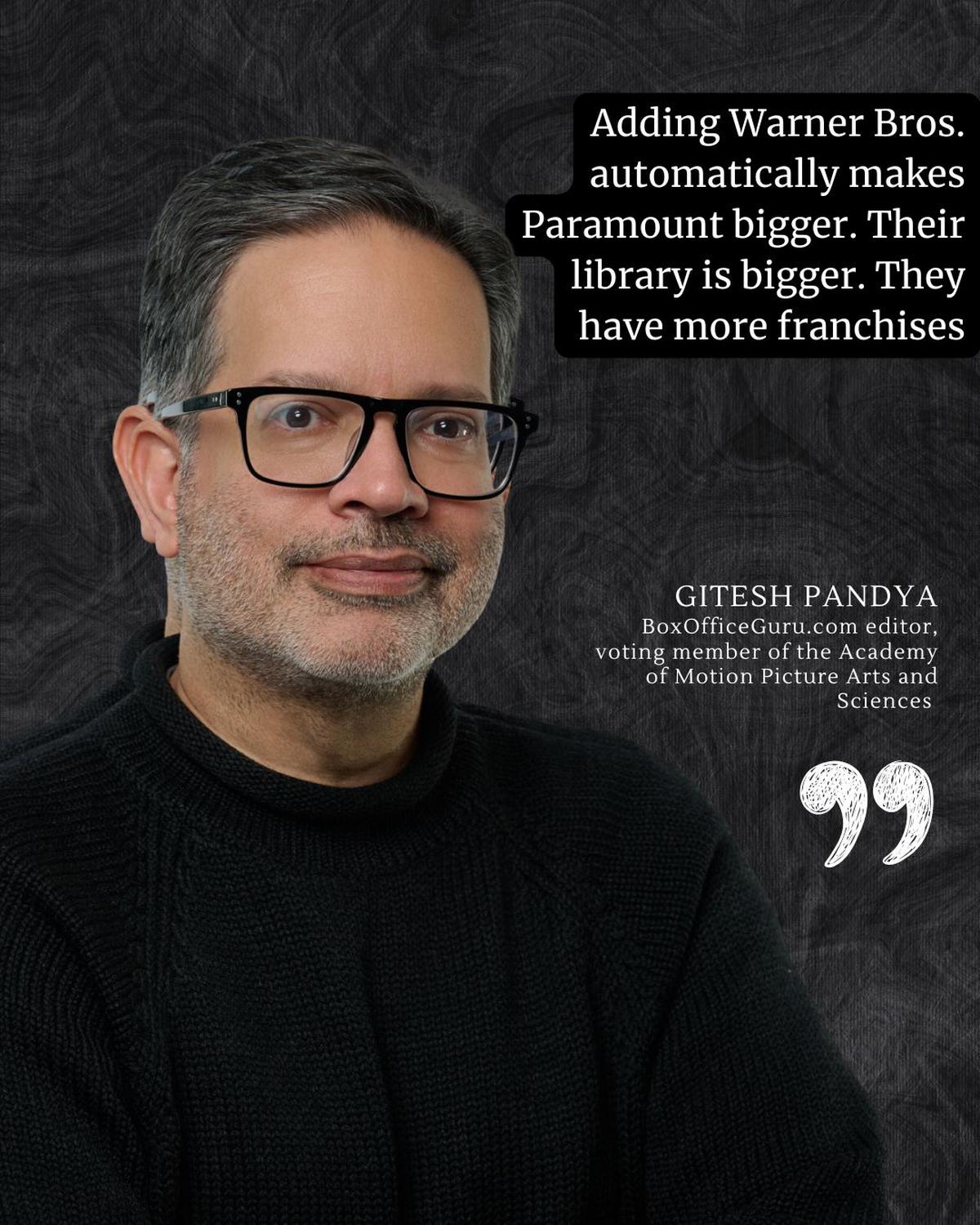
“Adding Warner Bros. automatically makes Paramount bigger,” Pandya observes. “Their library is bigger. They have more franchises.” Over the years, Warner Bros. Discovery has acquired many important media assets, including HBO Max, CNN, Cartoon Network and Turner Classic Movies. Other jewels in its treasury include DC Comics, Harry Potter, F.R.I.E.N.D.S., Game of Thrones, etc. Paramount Skydance hopes to consolidate all of this wealth under its belt. With the merger, Paramount would be able to add HBO Max’s 132 million worldwide subscribers to the 80 million who are members of the Paramount+ streaming service. This would place Paramount on better competitive ground with Netflix, which has over 325 million global subscribers.
But there are obvious darker aspects of a big merger of this kind. It will definitely result in job losses. “Movie studios, streaming services and television are similar businesses,” Pandya says. “There are a lot of divisions that overlap. Some people will end up getting laid off.” At the Vanity Fair Oscars afterparty, actress-activist Jane Fonda, 88, sported a pin with the text ‘Block the Merger’.

Protests against the Paramount-Warner Bros Merger via a billboard truck circling the Oscars on March 13, 2026 in Los Angeles, California.
| Photo Credit:
Getty Images
The merger drama started exactly a year ago. Warner Bros. studio heads Michael De Luca and Pamela Abdy were seemingly in trouble after several box-office failures, including Furiosa: A Mad Max Saga (2024), Joker: Folie à Deux (2024), and Korean master Bong Joon Ho’s Mickey 17 (2025). Warner Bros. Discovery CEO David Zaslav was considering replacing De Luca and Abdy.
But spring 2025 overturned De Luca’s and Abdy’s fortunes as they launched one hit after another, starting with A Minecraft Movie. Based on the 2011 video game, the film had a built-in audience just like that of Barbie (2023), according to Pandya. The film exceeded all expectations, grossing $961 million worldwide, according to film-revenue-tracking website Box Office Mojo.
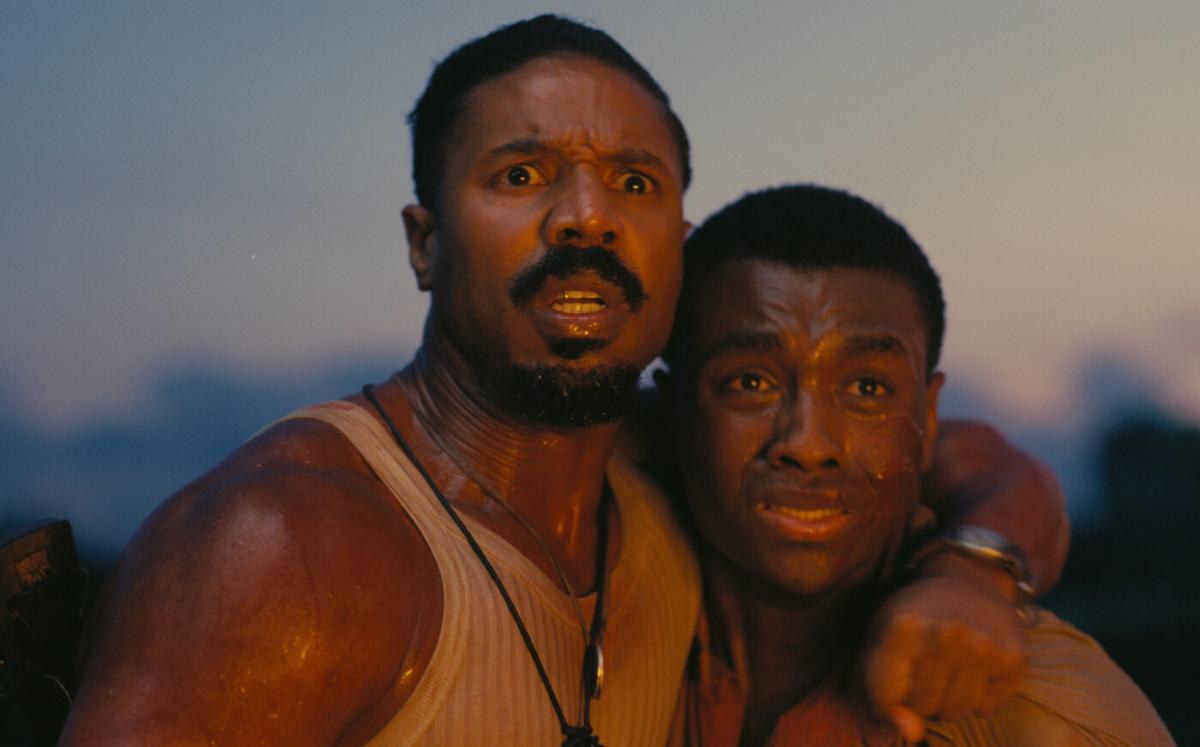
A still from Warner Bros. produced Sinners, which won four Oscars this year.

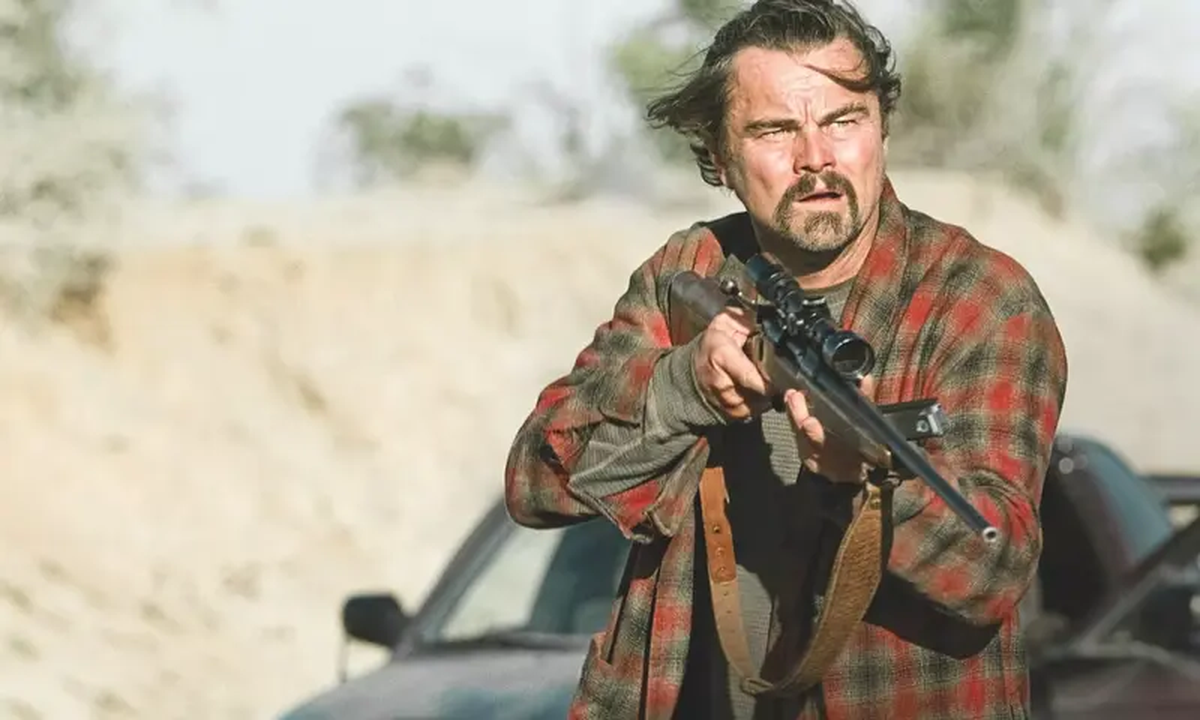
A still from Warner Bros. produced One Battle After Another, which won six Oscars this year.

This was followed by F1: The Movie ($633 million), an Apple TV production distributed by Warner Bros.; Superman ($619 million); The Conjuring: Last Rites ($499 million); Sinners ($370 million) — which became a favourite of audiences and critics; and The Final Destination Bloodlines ($317 million). Even last week’s Oscar Best Picture winner, One Battle After Another, a critically acclaimed prestige film, ended up grossing over $210 million (it’s another matter that owing to its high production costs, it was considered a box-office failure).
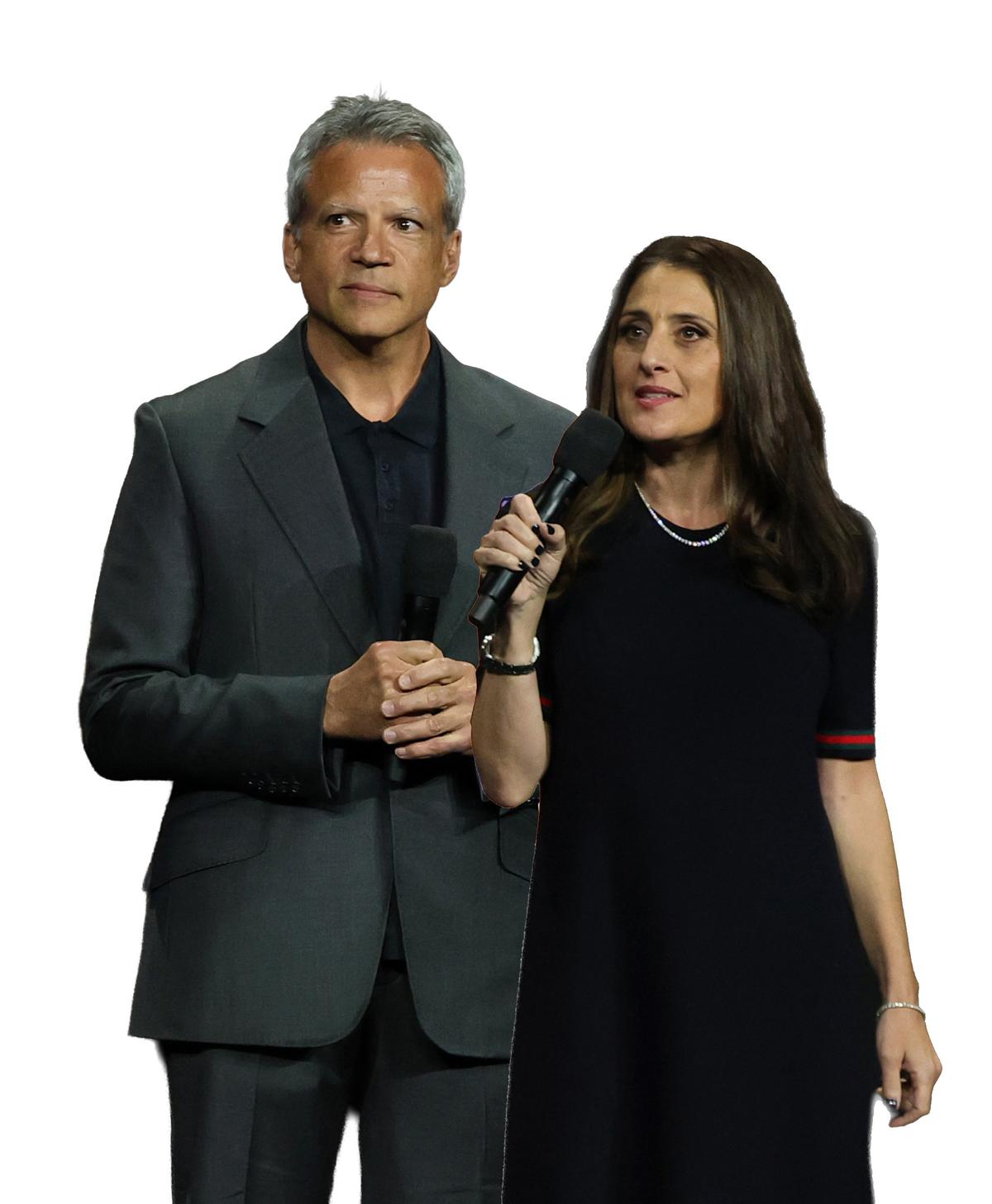
Warner Bros. Motion Picture Group co-chairs and CEOs Michael De Luca (left) and Pamela Abdy.
| Photo Credit:
Getty Images
With a banner year, Warner Bros. Discovery was considered hot property and suitors lined up to buy the huge Hollywood conglomerate. But with Paramount in the picture, Netflix walked away from the bid, albeit with a small benefit — a $2.8 billion payoff from Paramount.
Theatres versus streaming
Netflix’s offer scared many in Hollywood. Netflix co-CEO Ted Sarandos has often expressed his aversion to theatrical releases and would much rather bring films directly to his streaming platform. Last year at the Time100 summit, Sarandos said the theatre model was “outdated”. “Theatres are not their business model,” Pandya says about Netflix. “Their business is streaming, and they want all content to go to streaming first. Many years ago, they started with DVD rentals of movies, but now everything is streaming — films, shows, live events, sports, boxing matches, concerts.”
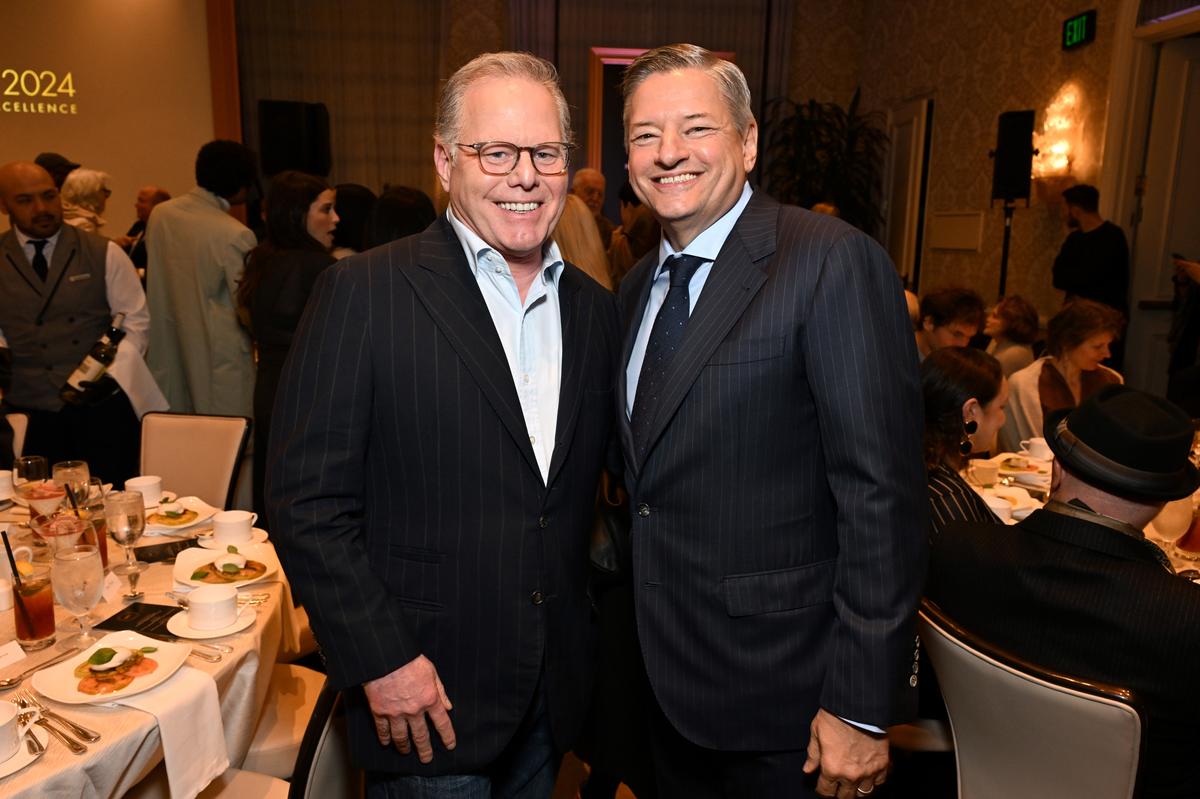
(L-R) David Zaslav, CEO, Warner Bros. Discovery and Ted Sarandos, CEO, Netflix at the AFI Awards last year in LA.
| Photo Credit:
Getty Images
Filmmaker-actor Shekhar Kapur believes the Hollywood landscape is changing. “I remember a top Hollywood studio head telling me, ‘We don’t do drama’,” Kapur says. “I thought, what is storytelling without drama?” Of course, by drama he means dramatic storytelling.
“The best writers and storytellers have moved to OTT,” he says. “There’s a concern in Hollywood that Netflix is the killer of theatrical releases. I don’t think so. Theatrical films have moved towards ‘ride’ movies or Marvel tentpole films where popcorn sales are high.”
During the negotiations with Warner, Sarandos did say that Netflix would honour a 45-day exclusive run window for films to screen in theatres before they came to the streaming service. In recent years, they released the second and third parts of the Knives Out franchise films in theatres, although just for a couple of weeks. Even Guillermo Del Toro’s Frankenstein first got a limited theatrical release, perhaps because the film had the potential for a number of Oscar nominations. Or it was just that Sarandos wanted to keep an Oscar-winning director of Del Toro’s stature happy.
Will the merger impact India?
Had the Netflix-Warner Bros. Discovery deal gone through, it would have benefitted the streamer’s subscribers outside the U.S. — including in India. In India, we were able to watch Frankenstein and Wake Up Dead Man (Knives Out: Part 3) the same time it became available to U.S. Netflix members. In comparison, Marty Supreme, a film that carried huge Oscar buzz, opened in Indian theatres one month after its U.S. release. Hamnet, which won Jessie Buckley the Best Actress Oscar, had a small release in India almost two months after it played in the U.S. theatres.
The theatre versus direct-to-streaming platform tussle will certainly create an upheaval in how we consume films. In 2021, as the pandemic kept people away from theatres, Warner Bros. came up with the plan to simultaneously release films in theatres and on HBO Max for home-viewing. It seemed like a good idea then, except it resulted in piracy, irking filmmakers who weren’t consulted before the move. Christopher Nolan called HBO Max “the worst streaming service”. In September 2021, an angry Nolan left Warner Bros. for Universal. And Denis Villeneuve whose Dune: Part One (2021) was one of the films that had a simultaneous theatrical and streaming release said that it showed “absolutely no love for cinema.”
The merger will hardly have any implications on the Indian market, according to Siddharth Roy Kapur, founder of Roy Kapur Films and former managing director of Walt Disney Company India. “These players really are distributors of their Hollywood content in India, rather than local producers. As far as I know, they are still going to be releasing their movies theatrically.”
“The movies that work in India are the superhero franchises, the disaster features with some sense of scale and spectacle,” Roy Kapur continues. “And those films, by both Paramount and Warner, will continue to be produced.” Consolidations and mergers of studios are never good news for creative people, Roy Kapur agrees. “But these studios aren’t producing locally in India.” The first major Bollywood production of Warner Bros. was Nikkhil Advani’s Chandni Chowk to China (2009) but that experiment did not go down well at the box office, and while they also co-produced Manoj Bajpayee-starrer Dus Tola (2010), Warner Bros. had scaled back its production efforts in India.
Aamir Khan’s Laal Singh Chaddha (2022) was jointly co-produced by Paramount Pictures, Aamir Khan Productions and Viacom18 Studios. The film performed poorly, earning only $15 million globally. Occasionally, Paramount distributes Indian films, including Padmaavat (2018).
Currently, both Paramount and Warner stream their shows and films on JioHotstar in India. These include the Mission Impossible films (Paramount) and a range of HBO shows such at Sopranos, Game of Throne and Succession (all Warner).
The politics of control
David Ellison has promised to keep the two studios — Paramount and Warner Bros. — as separate entities, and each will produce approximately 15 films per year. Amid worries among observers, popular film blog FirstShowing.net editor-critic Alex Billington chooses to stay “optimistic”. He says, “I don’t think it’s going to kill Hollywood, but I do think the consolidation is not going to result in the benefits that we [filmgoers] want.” He is also not convinced about the timing of the deal. “If you had told me this five years ago, I’d have said, ‘Okay, Warner Bros. is in trouble’. But now the studio is doing so good, and they still want to sell off? I don’t get it.”
Billington recalls when Disney bought 20th Century Fox in 2019 for $71 billion, rebranding the studio and shedding the ‘Fox’ name. “Disney said we will let them do whatever they have been doing, and then all of a sudden, they went from 14-15 movies to like five per year that were theatrically released.” And since the merger, Fox Searchlight, the speciality wing of 20th Century Fox that gave us Oscar-winning films such as Slumdog Millionaire (2008), 12 Years of a Slave (2013), Birdman (2014) and Three Billboards Outside Ebbing, Missouri (2017) has had very few theatrical releases. Most of the Searchlight films are now “dumped” on Disney’s streaming service Hulu, adds Billington.
Roy Kapur believes in Paramount’s intentions of producing approximately 30 films per year. “But then, when corporate efficiencies get into play and a certain amount of streamlining happens, then you see the output dropping,” he says. “I hope it doesn’t. Because it’s great for the creative community to have these strong studios independent of each other.”
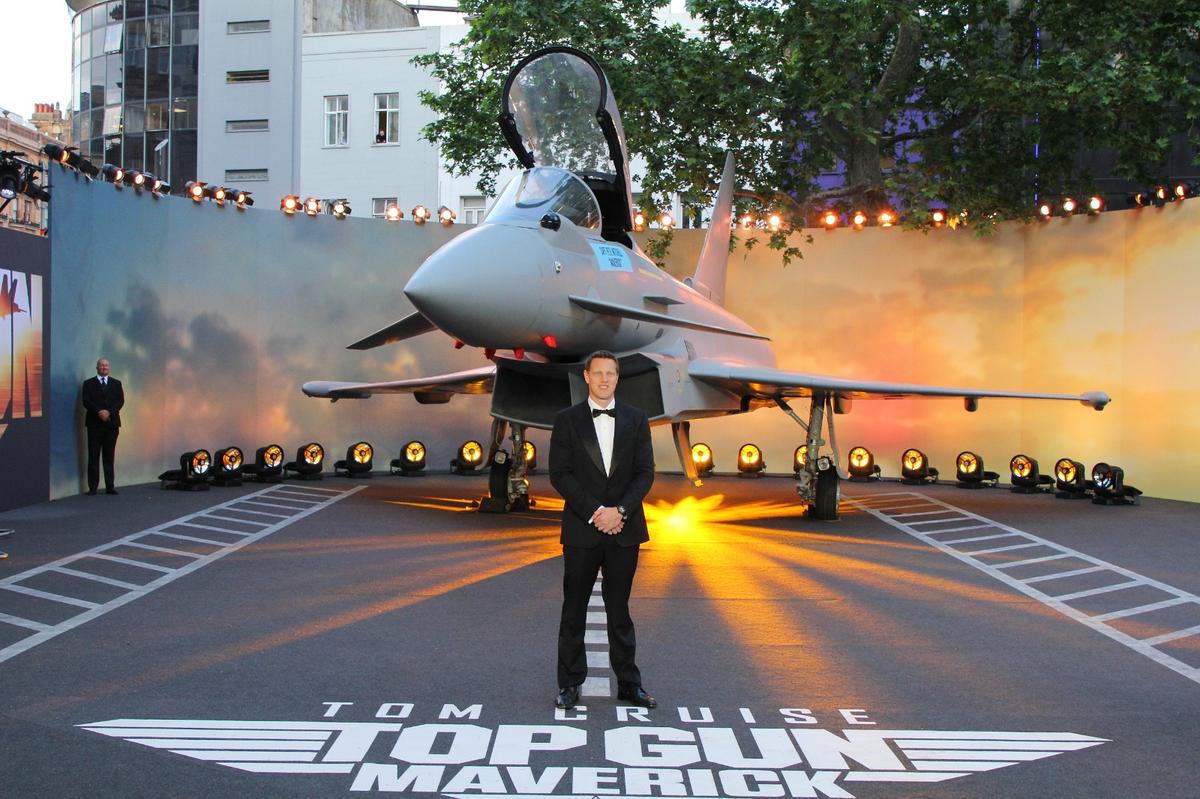
Producer David Ellison at the premiere of the Tom Cruise-starrer Top Gun: Maverick (2022).
| Photo Credit:
Getty Images
Jane Fonda who was married to the late Ted Turner, founder of CNN, also said the merger would result in political control over the news channel. “That’s why [U.S. defence secretary Pete] Hegseth said, ‘CNN can’t come soon enough’ to be under the control of Paramount.”
A recent The New York Times podcast, too, suggested that Ellison wants to buy all the Warner Bros. Discovery properties so as to control and change the political views expressed on CNN. The news channel is President Trump’s least favourite outlet, and he often refers to it as “fake news”. Paramount Skydance has done the same with the CBS channel, cancelling Stephen Colbert’s popular The Late Show. The move was seen by many as a way to curb the anti-Trump chatter on Colbert’s show.
Meanwhile, Larry Ellison has been actively developing a new Artificial Intelligence (AI) infrastructure at Oracle. When it comes to having access to data in the form of film, news and social media, with the hope of training AI models, Warner’s large library could come in handy.
How the deal pans out, one has to wait and watch. The larger Paramount-Warner studio would want to balance big money-earning franchises with critically acclaimed, award-worthy dramas. But Warner Bros.’ winning streak at the box office should continue through 2026. Its next DC Studios franchise film Supergirl opens this summer, and Dune: Part 3 is well timed for the Christmas holidays.
The writer is a film festival programmer and author.