




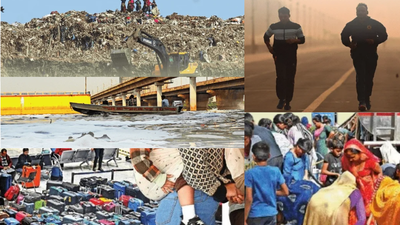
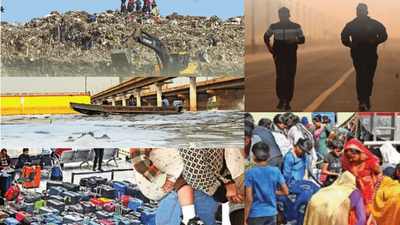
Delhi isn’t exactly wild wild west. but, at times, it came close. while the air was unbreathable and cyber frauds gave sleepless nights, there were some good tidings tooWINTER AIRDIALLED DOWN: STUBBLE FUMESThere was limited improvement in some pollution indicators this winter. Average air quality in Nov stood at 357, marginally better than the 375 recorded in Nov 2024, though it remained in the ‘very poor’ category. Data also showed a reduction in stubble-burning incidents compared to previous years. According to an analysis by the Centre for Science and Environment, lower farm-fire activity helped keep peak pollution levels during early winter lower than last year.SELF-GOAL SEASON PERSISTS
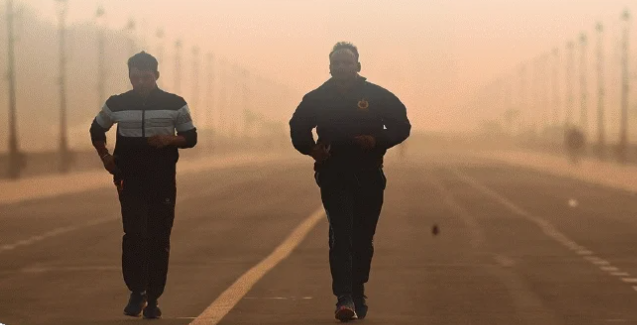
Despite fewer farm fires, overall pollution levels remained elevated. Oct was the second most polluted in the past five years, with an average AQI of 223. Delhi recorded eight ‘severe’ air quality days this winter, with AQI crossing 400. This Dec was most poulluted with an average AQI of 350 since 2018. CSE’s analysis highlighted that as the contribution from farm fires has reduced, local sources are increasingly driving pollution levels.‘GOOD’ AIR MIRAGEThe most concerning indicators underlined Delhi’s persistent air crisis. The highest AQI this winter reached 461 on Dec 14, making it the secondhighest AQI ever recorded for a Dec day. Central Pollution Control Board data shows that from Jan 1 to Dec 29, Delhi recorded 163 days with AQI above 200, higher than the 156 such days in 2024 and 157 in 2023. The city once again failed to record a single ‘good’ air quality day (AQI below 51) this year, despite excess monsoon rainfall. The last such day was recorded in 2023.AIRPORT CHAOSTERMINAL 2 HOPE
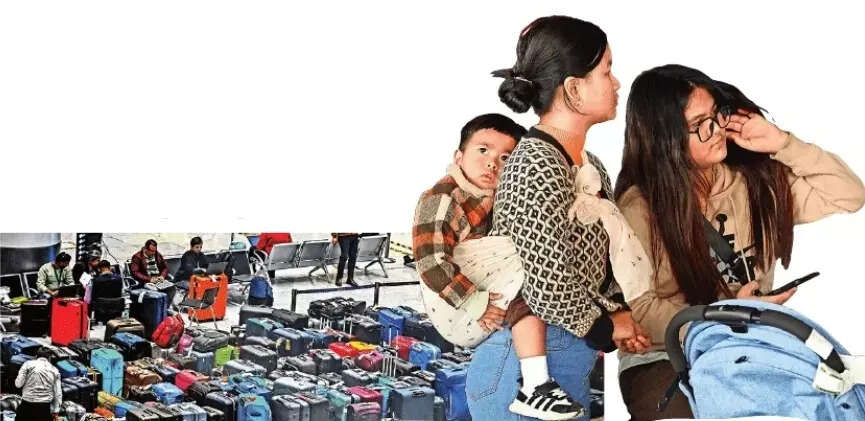
There was little to count as ‘good’ for air travellers in Delhi in 2025. But the opening of a revamped Terminal 2 at IGIA did augur well. Flight operations at IGI Airport were repeatedly disrupted throughout the year, causing widespread inconvenience to passengers. GROUNDED REPEATEDLYSeveral factors disrupted flights at IGIA. In summer, the closure of runway 28/10 on April 8 for instrument landing system upgradation, coupled with a shift in wind direction from westerly to easterly, affected takeoffs and landings. Although the runway was temporarily reopened at the end of April, it was again briefly shut in June for further upgrade. In May, more than 200 flights were cancelled at Delhi Airport after Indian armed forces conducted Operation Sindoor, and several domestic airports were temporarily closed. Flight operations were also impacted by changing international airspace conditions, including closures over Iran and Iraq following Israeli defence forces’ strikes on Iran. A power outage at Heathrow Airport further added to disruptions affecting flights to and from DelhiPERFECT STORM: INDIGO AND FOGThe most severe disruption unfolded in Dec. In the first half of the month, the IndiGo crisis led to over 1,100 flight cancellations, with hundreds delayed daily. Low visibility impacted flight operations daily in the second half of the month. On Dec 15, more than 800 flights were delayed, over 200 cancelled and five diverted. Disruptions continued on Dec 16, with over 500 delays and more than 100 cancellations, and persisted into the fourth week of Dec. Officials said low visibility at both origin and destination airports worsened the situation, bringing a year of repeated airport chaos for flyers to a close. CIVIC ISSUESNOT ALL WENT WASTE CIVIC ISSUESSeven years after Delhi notified its Solid Waste Management bylaws, waste practices continued to remain uneven. However, partnerships between RWAs and the MCD drove change through waste segregation, decentralised composting and reuse in some areas.In Navjeevan Vihar, reforms began in 2017. Faced with an overflowing dhalao, residents adopted 100% waste segregation at source. Through sustained door-to-door awareness, by end of 2025, the colony was processing about 125 kg of wet waste daily using 10 zero-smell aero compost bins. The compost supported three gardens, while the former dhalao were converted into an RRR (reduce, reuse, recycle) centre for books, clothes, toys and e-waste. A similar model was operational in Vasant Kunj, where 70 RWAs have promoted segregation since 2020. By 2025-end, Delhi had 676 zero waste colonies, including Sahbhagita and Haritmitra colonies—still a small share of the city’s settlements. Residents credited MCD’s support but stressed that lasting change must begin within communities.MCD STRETCHED TO THE LIMITThe Municipal Corporation of Delhi faced mounting financial stress, with liabilities rising to Rs15,791.8 crore from over Rs14,000 crore in Feb, while annual expenditure stood at Rs16,530.5 crore. Liabilities included employee pension dues of Rs7,009.7 crore, loan repayments of Rs8,262 crore, contractor payments of Rs520 crore and pending dues to waste management concessionaires. Despite the widening gap, MCD commissioner Ashwani Kumar proposed no hike in property tax or new levies in the 2026-27 Budget, the third consecutive year without additional taxes. Expectations of a special financial package after the Dec 2022 MCD elections didn’t materialise.LANDFILLS: FAR FROM FLATTENED
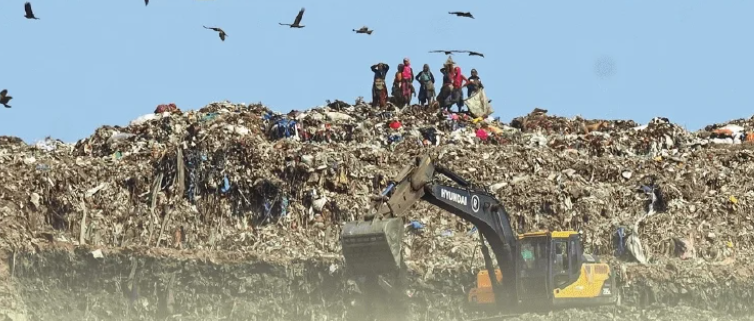
Delhi’s three major landfills— Ghazipur, Bhalswa and Okhla—continued to reflect the city’s waste crisis despite years of biomining following NGT directions. MCD data shows 156.4 MT of waste had been processed, while 136.8 lakh MT of legacy waste remained. Fresh dumping of 3,000-3,500 MT daily continued at Ghazipur and Bhalswa. Revised targets were set at July 2026 for Okhla, Dec 2026 for Bhalswa and Dec 2027 for Ghazipur, though meeting deadlines remained challenging. CYBERCRIMEYOU WILL NOT WALK ALONE

As cybercrime rose in 2025, Delhi Police introduced steps to improve access to redressal for victims. The threshold for registering cyber e-FIRs was lowered from cases involving losses above Rs10 lakh to Rs1 lakh or more. Complaints could now be filed through the 1930 helpline or at local police stations. Integrated help desks were now functioning across all police stations to remove jurisdiction-related hurdles for cybercrime victims. The police also planned to strengthen its 15 cyber police stations, with the Intelligence Fusion and Strategic Operations unit continuing to operate as an independent central cyber cell. Authorities said the National Cybercrime Reporting Portal would remain a key defence in 2026.ON LOOP: DIGITAL ARREST NIGHTMAREDespite interventions, cybercrime continued to grow in both scale and sophistication. Fraudsters refined tactics, combining psychological manipulation with technical exploitation, making scams harder to detect. While “digital arrest” scams drew attention, investment fraud remained a widespread threat. Thousands of residents were lured into fraudulent share trading and IPO schemes with promises of high returns. White-collar cybercrime increasingly ranged from intimidation-based scams to the exploitation of basic utility services.HEAVY PRICE OF FRAUDThe financial toll of cybercrime in Delhi remained alarming. By June, 184 major cybercrime cases had been reported, resulting in losses of Rs70.6 crore in the first half of the year. With data collection still under way, sources estimated that total losses in 2025 were likely to cross Rs1,200 crore. As the year drew to a close, cybercrime continued to cast a long shadow over Delhi’s digital life, highlighting the scale of the challenge facing both law enforcement and citizens.HEALTHSCHEMES TAKE OFF
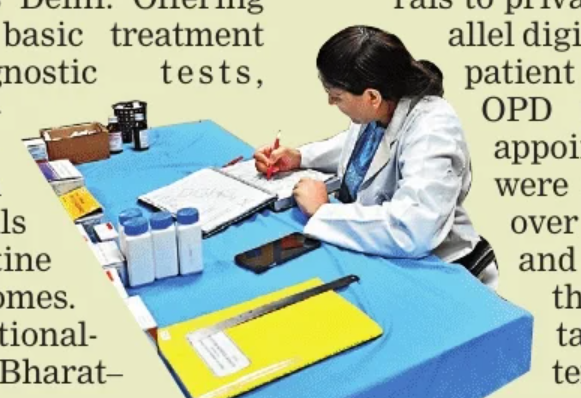
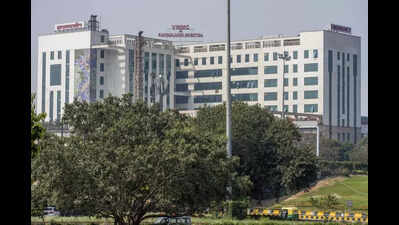
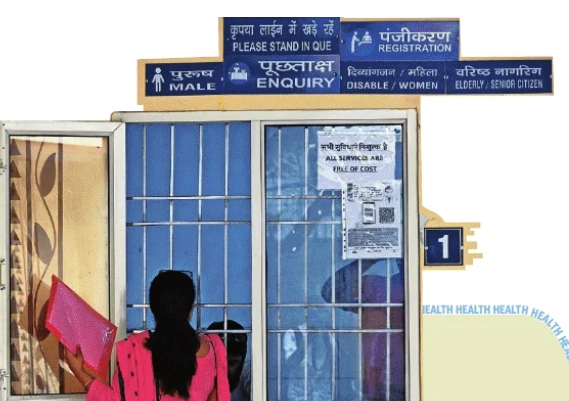
Despite sustained pressure from the sheer number of patients to the adverse impact of pollution, Delhi’s health system posted measurable gains by expanding primary care, strengthening financial protection for seniors and improving diagnostics and digital access.A major on-ground shift came with the rollout of Ayushman Arogya Mandirs, with 238 centres now functional across Delhi. Offering free medicines, basic treatment and over 90 diagnostic tests, these neighbourhood clinics reduced pressure on tertiary hospitals by managing routine cases closer to homes. Delhi also operationalised Ayushman Bharat– PMJAY, extending Rs5-lakh cashless health cover to all residents aged 70 years and above, irrespective of income. Doctors said the move improved access to hospital care for elderly patients with chronic and age-related illnesses.Govt hospitals expanded diagnostic capacity through equipment upgrades and PPP models, strengthening imaging and radiology services and reducing referrals to private centres. A parallel digital push reshaped patient access. Online OPD registration and appointment booking were rolled out across over 35 govt hospitals and integrated with the national digital health system.NEVER ENOUGH HANDSStaff shortages and gaps in medicines and critical care continued to strain public hospitals. Govt facilities relied on ad hoc appointments and walk-in interviews for junior and senior residents, indicating unresolved manpower shortages. Doctors said the lack of senior faculty affected OPDs, emergency care and postgraduate teaching. RTI data showed large vacancies at central hospitals, including Dr RML Hospital and Lady Hardinge Medical College.Shortages of medicines, consumables and critical care beds also surfaced. In Aug, Delhi High Court directed a private hospital to provide EWS treatment to a 12-year-old boy needing a ventilator bed after no govt hospital could accommodate him, highlighting widening gaps between expanded access and emergency capacity. DOCS UNDER ATTACK
Incidents of violence against doctors continued. In June, a second-year woman DNB resident at Dr Baba Saheb Ambedkar Hospital was allegedly attacked by a newborn’s relatives. Similar assaults were reported in Aug and Oct in central and New Delhi. Police said cases were registered after investigation. RML introduced communication training, added security staff and launched a pilot “buddy alert system” with panic buttons for women doctors and nurses, beginning in the gynaecology ward. GOVTSEASON OF POLL PROMISESBJP-led Delhi govt delivered on a few key commitments from its 2025-26 budget. Apart from implementing Ayushman Bharat Yojana and rolling out Ayushman Arogya Mandirs, govt moved to operationalise 11 stalled hospital projects, initiating the process of engaging private players under the public-private partnership model to complete and run these facilities. On Yamuna cleaning, projects worth Rs3,140 crore were approved, including 27 decentralised sewage treatment plants and related infrastructure, significantly higher than the Rs Rs500 crore planned in the budget. These projects were at various stages of implementation. In education, govt introduced a new Act to curb arbitrary fee hikes by private schools. It also formed the Traders’ Welfare Board, as promised in the budget.STALLED: PLANS FOR WOMEN AND SCHOOLS

Several announcements saw approvals or administrative movement but remain incomplete. The Mahila Samriddhi Yojana, which promised Rs2,500 monthly assistance to poor women, was approved by the cabinet in March, but saw no further progress. In education, Mukhyamantri Digital Scheme to provide free laptops to meritorious students was approved, but the wider plan to distribute laptops, set up new CM Shri schools and 100 language labs had not been implemented on the ground. The installation of 50,000 CCTV cameras remained incomplete, with delays attributed to tendering, network integration and logistical challenges. The proposed 100 Atal Canteens were finally launched at the fag end of the year.FREE LPG, FILM FEST ONLY ON PAPER
Several headline announcements remained unimplemented despite much publicity. Free LPG cylinders on Holi and Diwali were not provided, and free laptops didn’t reach students either. Delhi had not hosted the promised International Film Festival, despite Rs117 crore having been earmarked for tourism promotion. The Global Investor Summit and smart travel cards for women commuters had also not materialised, even as govt entered the final quarter of the financial year.WATER SUPPLYMILDER SUMMER SAVES THE DAY
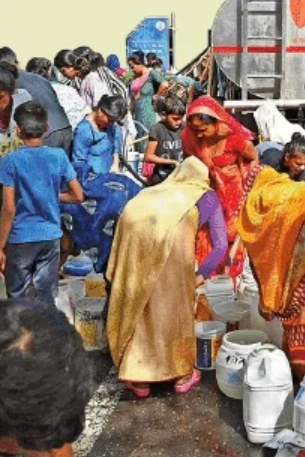
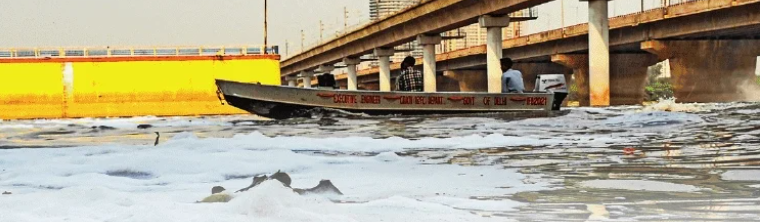
Delhi witnessed comparatively smoother summer water supply in 2025, with shortages significantly lower than last year, helped by improved coordination with neighbouring states. Sources in Delhi govt said timely augmentation from Haryana and Uttar Pradesh eased pressure on the capital’s strained system. The city was also set to receive additional raw water from Himachal Pradesh via Haryana, following discussions at a recent Upper Yamuna Review Committee meeting. Himachal Pradesh agreed in principle to share 113.5 MGD for consumptive use under an earlier pact. Above-normal rain and a relatively milder summer further stabilised supply.AMMONIA ALARMDespite overall improvement, several pockets in Delhi faced intermittent water shortages this summer, largely due to rising ammonia levels in the Yamuna. Areas, such as Vasant Kunj, Majnu Ka Tila, ISBT, NDMC zones, Defence Colony, South Extension, Greater Kailash and Punjabi Bagh reported disruptions. Officials said treatment plants were forced to cut output briefly when ammonia crossed permissible limits. While most issues were resolved within a week or two, residents complained of erratic timings and low pressure. There were also sporadic reports of dirty water, particularly in parts of Janakpuri, raising concerns over distribution and quality monitoring. WATER RELIEF TEMPORARYWhile authorities highlighted improved interstate coordination, Delmonia spikes in Yamuna, triggering supply disruptions across key residential and institutional areas. The dependence on upstream states remained evident, with arrangements needed to stabilise supply. Complaints of muddy and foulsmelling water pointed to lapses in treatment and ageing pipelines. Experts warned that temporary relief from better rain masked deeper structural problems, including river pollution and over-reliance on external sources. Without sustained pollution control and infrastructure upgrades, officials feared similar crises could recur in harsher summers ahead.