




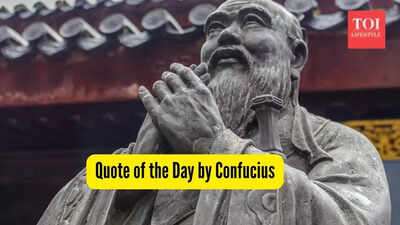
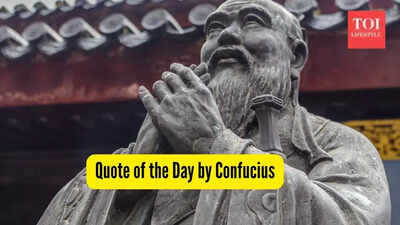
Confucius was born as Kong Qiu in 551 BCE in the state of Lu, which is now part of modern Shandong Province in China. He lost his father when he was young and became an orphan. He learned on his own by studying ancient texts and rituals. He eventually became a teacher who attracted students from all walks of life. He wanted to work for the government to put his ideas about ethical governance into action, but he was turned down and sent into exile. He traveled through states like Wei and Chen before returning home to teach. He passed away in 479 BCE at the age of 73, leaving behind no writings of his own. His philosophy lived on through the Analects, a collection of sayings that his followers wrote down. His life exemplified the quest for moral enhancement amidst disorder, shaping East Asian philosophy for millennia.His ideas are relevant even today. He is a thinker who talks about universal human issues like ethics, social order, and personal growth. Confucius is of the opinion that humans can solve their own problems and they do not require any Godly intervention or magic! He gave practical advice to both rulers and regular people. In a divided China, he pushed for restoring harmony by bringing back the virtues of the Zhou dynasty. His ideas became state orthodoxy during the Han dynasty, and they shaped the imperial exams and the bureaucracy. His focus on moral leadership instead of force shaped how people in Korea, Japan, and Vietnam govern themselves, making hierarchy and kindness part of their cultures. Even today, ideas like lifelong learning and family duty shape business ethics and policy in East Asia. Critics say that his conservatism sometimes got in the way of new ideas, but his focus on human potential fights cynicism in ethics.Confucius changed the way Chinese people thought by putting human agency above fate or mysticism and saying that anyone could become virtuous through study and reflection. He combined old rituals and poetry into a way for people to improve themselves, saying that rulers should be good examples for their subjects to follow, which connected personal morality to social stability. His oral teachings spread through his followers and became Confucianism, which mixed with Legalism under emperors like Qin Shi Huang and then became the main religion under Han Wudi. This philosophy was everywhere in education. At the heart of it all is ren, or humaneness, which is the highest virtue of empathy and kindness that brings people together in mutually beneficial relationships. This is done through self-control rather than natural traits. Li, or ritual propriety, organizes daily life and ceremonies to promote respect and harmony. It makes sure that actions fit with social roles, from family to state. Yi, or righteousness, says that moral choices should be based on what is fair, not what is best for you. This helps you be honest in both your public and private life. Zhi, or wisdom, comes from studying the classics, like the Odes and Rites, and thinking about what you learn. This helps you figure out what the right thing to do is. Xiao, or filial piety, means being loyal to superiors as well as respectful to parents. This is the basis for all duties in a hierarchical but humane order.One of his most popular sayings is, “By three methods we may learn wisdom: First, by reflection, which is noblest; Second, by imitation, which is easiest; and third by experience, which is the bitterest.” In these lines Confucius shows how dangerous it is to chase after things that are not balanced in order to gain true understanding. If you just collect facts without thinking about them, you end up with empty work that doesn’t give you any new information. On the other hand, thinking about things without studying them leads to confusion and mistakes because ideas don’t have a basis in reality. In these lines he beautifully sums up an eternal fact and it depends upon a person’s temperament and circumstance to choose the way he wants to experience wisdom in life.