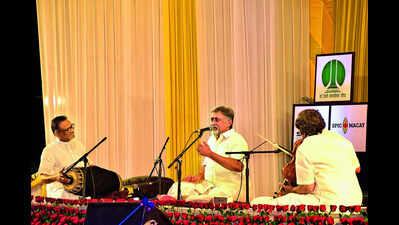




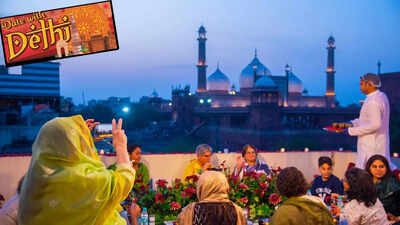
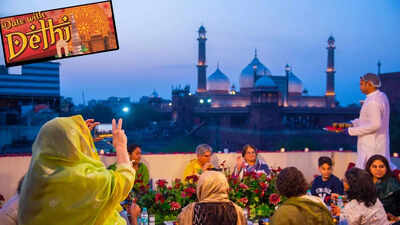
This isn’t a lecture or a concert. It’s a pause. A remembering. A shared quiet to relive Mirza Ghalib. Come sit with Ghalib for a while…’ read an invite for a recent mehfil. Another promised a pakora party of Delhi’s edible trees, think shehtoot ke patte ke pakore with ber ki chutney. A home concert invitation reassured first-time listeners, ‘If you’ve ever felt classical music wasn’t for you, maybe you just hadn’t been in the right room. The evening isn’t about sitting quietly, it’s about trying, asking, responding, and noticing.’The appetite for meaningful, immersive experiences is growing everywhere, and in Delhi, that appetite is finding an intimate expression. Beyond auditoriums and large-scale festivals, homes, havelis and heritage monuments are emerging as thoughtful cultural stages. Here, the distance between artist and audience collapses.
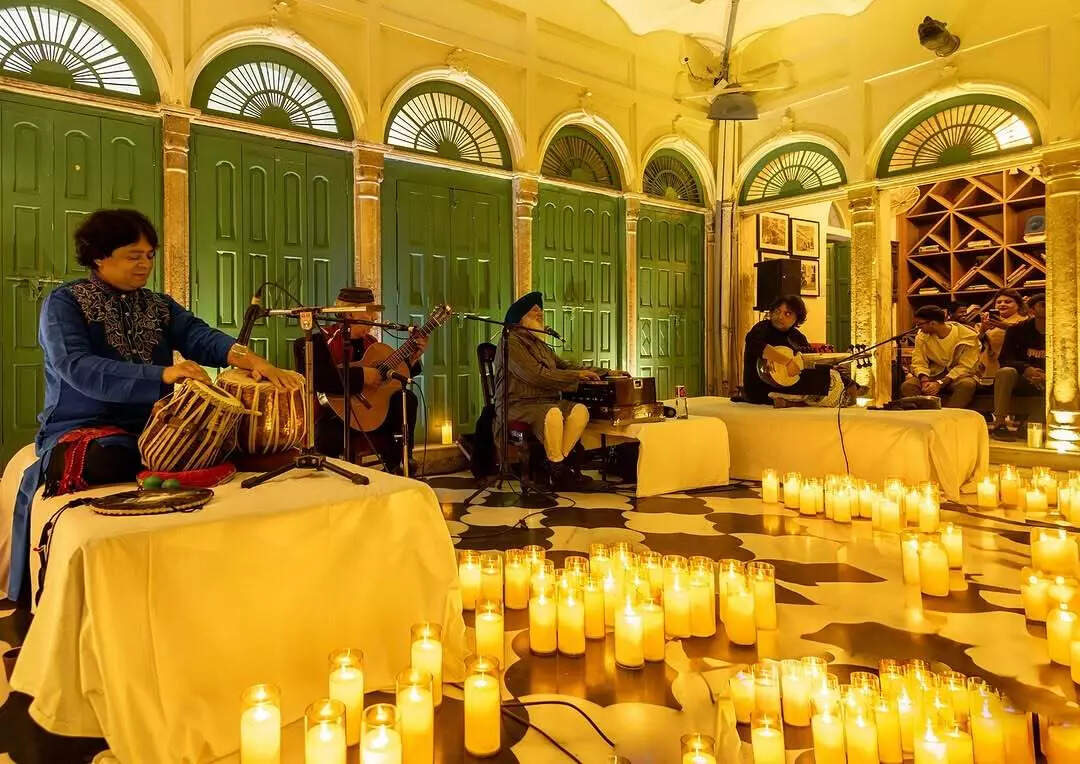
The appetite for meaningful, immersive experiences is growing everywhere, and in Delhi, that appetite is finding an intimate expression (Pic: @kathikaolddelhi)
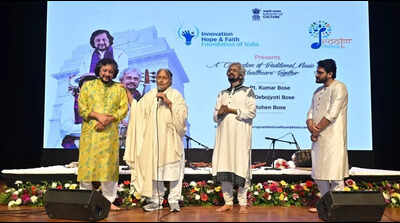
Reviving the city’s rhythmDelhi’s weekend culture is now expanding inward — into courtyards, terraces and drawing rooms. Abu Sufiyan, founder of Tales of City, shares that leading heritage walks led him to start curating gatherings. “The idea of curating events like Jahaanuma Mehfil in living havelis or Dastarkhwan-e-Jahaanuma in cultural spaces and haveli terraces was to revive the city’s older rhythms. In these gatherings, homes and heritage spaces become vessels of continuity, not relics. It restores the intimacy that is missing in a big festival.”“Traditionally, these gatherings took place inside homes and havelis, in courtyards, on takhats, under dim lamps, where music wasn’t performed at people, it was shared with them,” says Tanvi Singh Bhatia, co-founder of IBTIDA, which recreates the mehfil culture in heritage spaces such as Safdarjung Tomb or in private spaces. “The artist and the listener are in dialogue. There was nuance, silence, storytelling and emotional exchange. There is a beautiful emotional choreography that takes place between the monument, artist, music and audience. The energies are inexplicable,” she says.
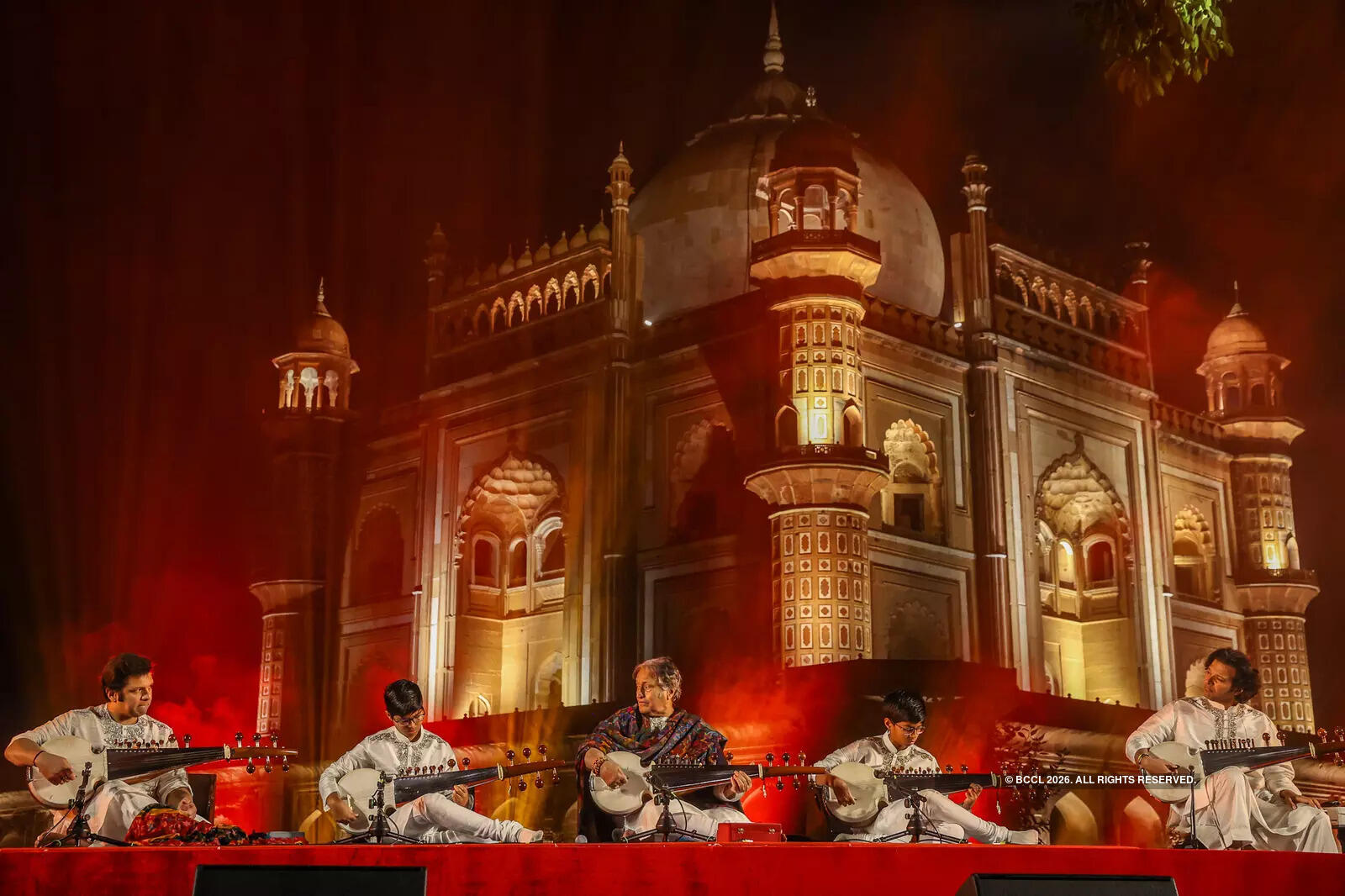
here is a beautiful emotional choreography that takes place between the monument, artist, music and audience: Tanvi Singh Bhatia, co-founder, IBTIDA-Ek Mehfil
Similarly, Sukanya Banerjee, founder of a home concert series, Upstairs With Us, points to the disappearance of traditional third spaces in the city. “Our lives are now largely lived indoors, and indoor lives are largely governed by algos. Our curation becomes the bridge from unknown to known. Instead of figuring things out via YouTube or Spotify, you’re learning with guidance and in company. These curated evenings serve an important role of pulling people out of our echo-chambers and giving them access to the parts and communities that we have lost to insularity,” says Sukanya.
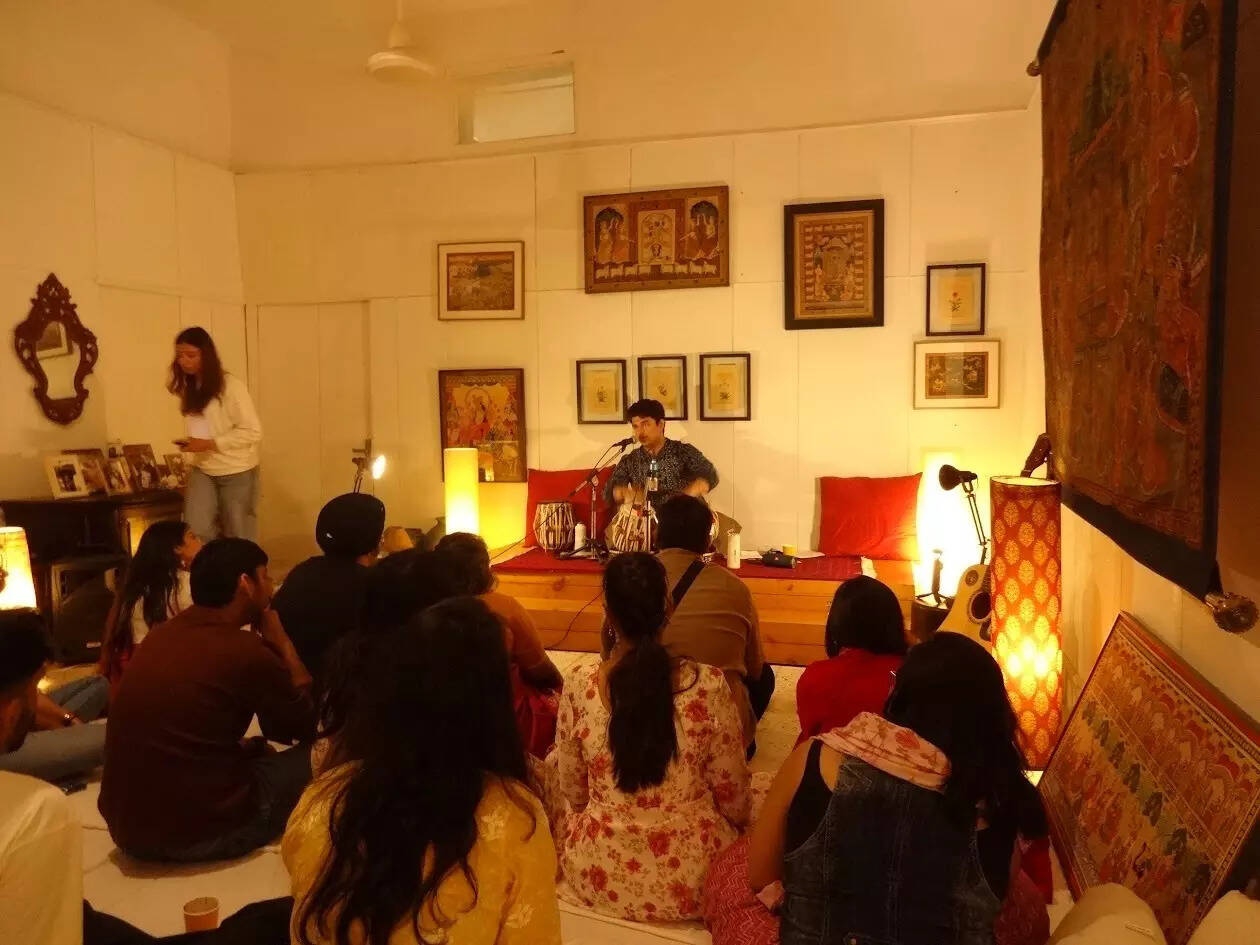
These curated evenings serve an important role of pulling people out of our echo-chambers and giving them access to the parts and communities that we have lost to insularity (Pic: @upstairswithus)
Atul Khanna, founder of Kathika Cultural Centre and Museum, which hosts baithaks, cultural experiences and candlelit musical experiences in the haveli courtyard, says, “Saving a haveli is like saving a life, and with cultural experiences, the haveli continues to thrive in the middle of Old Delhi. After navigating the lanes, especially in extreme weather, visitors can sit down for a cup of tea, relax, and watch or even participate in a programme of Indian music, dance or workshops. Recently, we’ve had many all-women groups coming in for their monthly catch-up and enjoy their brunch with cultural programmes.”Moving away from the predictableArpita Sharma, co-founder of Once Upon India, which hosts baithaks and mehfils in homes, boutiques, studios and even spaces like Travancore Palace and Surtal Open Theatre sees curated gatherings as part of a deeper cultural shift. “The change we are witnessing is not limited to how people experience Delhi; it reflects a deeper shift in how people are choosing to spend their time, and how they identify themselves,” she says.People today, she notes, are intentional about where they invest their time. “Cultural participation has become an extension of identity. People no longer want to be part of a crowd. Whether it is music, poetry, folk traditions, craft or storytelling, they seek spaces aligned with their interests.” This intentionality has led to the rise of curated formats. “You are not just attending an event; you are entering a thoughtfully designed space where curation matters. You experience the subject through the lens of a curator, which brings context, perspective and learning alongside enjoyment. Over time, these gatherings foster community. Guests return. Faces become familiar. Conversations extend beyond the performance. What begins as an event slowly becomes a circle,” says Arpita.
Curated gatherings are very much the new cultural currency, not because they are fashionable, but because they respond to a genuine need. People want intimacy over noise, alignment over scale, and engagement over spectacle. And that is quietly reshaping the cultural fabric of Delhi
Arpita Sharma, co-founder of Once Upon India
For Arjun Shivaji Jain, director of Red House in Okhla, this shift is also emotional. “There seems to be a gradual moving away from the predictable and the pretentious. People would like to sit down with ‘family’ again and write in the manner of Virginia Woolf, or eat pakore and chutneys native to the city, or co-create in a workshop.” Savouring food and storiesDelhi’s dining culture has long revolved around restaurants, cafés and bustling food streets. But across the city, a quieter trend has been gaining momentum — intimate supper clubs and home tables where strangers gather over carefully curated meals inside someone’s home.These gatherings offer more than just food. Hosted by chefs and passionate home cooks, supper tables bring together small groups of diners for immersive culinary experiences that blend regional cuisine with storytelling, conversation and community. Guests often spend hours at the table, sharing meals inspired by family recipes, regional traditions or seasonal ingredients.
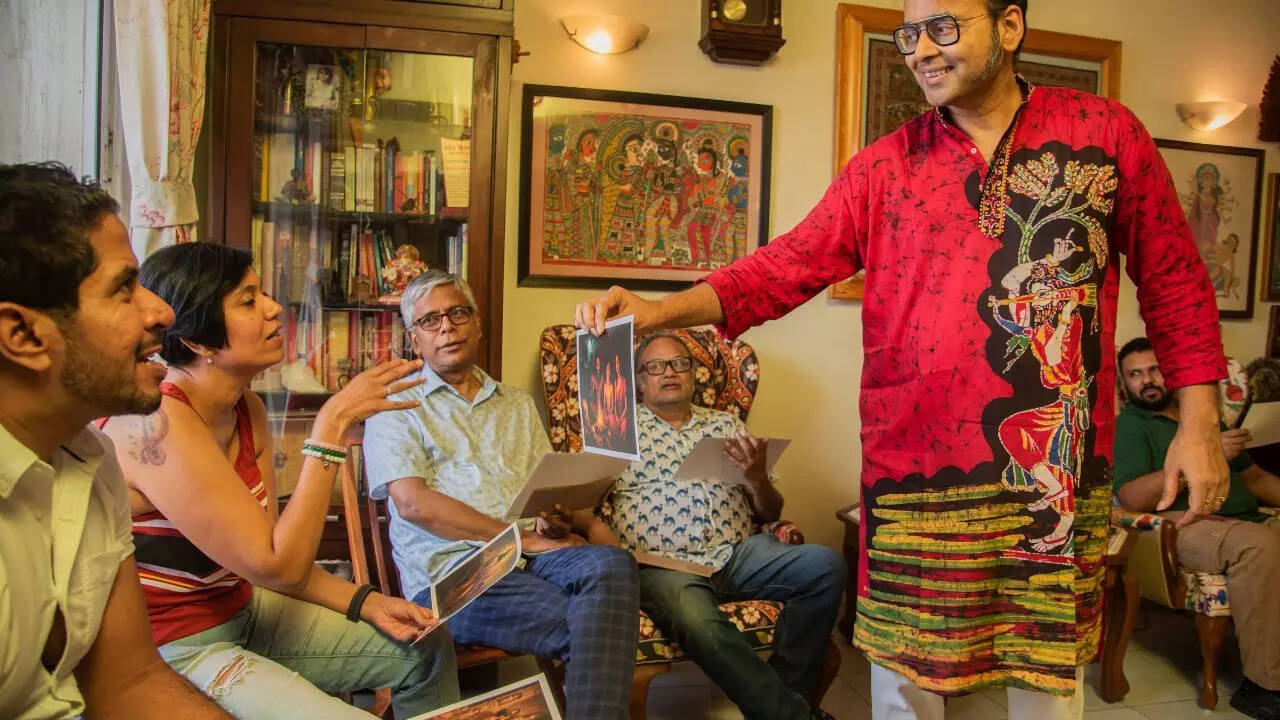
Savouring stories at the supper club
Pricing culture: Restoring dignity and sustainabilityThis revival is not just emotional; it is structural. Curated mehfils are now consciously ticketed and positioned as complete cultural experiences. “When we entered the live cultural space, one of the biggest gaps we identified was economic respect for traditional arts,” says Tanvi. Historically, many legendary classical artistes performed free or at nominal prices. While well-intentioned, this created a culture where traditional performances were expected to be accessible at little to no cost. Meanwhile, large-format commercial concerts commanded premium pricing. “For us, that imbalance needed correction,” she says.By consciously ticketing mehfils and pricing them in alignment with the stature and mastery of the artistes, Ibtida and other such entities reframe audiences as patrons rather than passive spectators. “Charging for tickets was never about exclusivity. It was about repositioning traditional arts within the contemporary entertainment economy.”When audiences invest financially, they also invest emotionally. Listening becomes intentional. Engagement deepens. “Our business model is built on the belief that sustainability in culture requires financial integrity. By formalising ticketing and valuing these performances appropriately, we are not commercialising tradition; we are protecting it. In many ways, the shift from a ‘free cultural evening’ to a ‘valued cultural experience’ marks one of the most significant transformations in Delhi’s evolving weekend culture,” observes Tanvi.