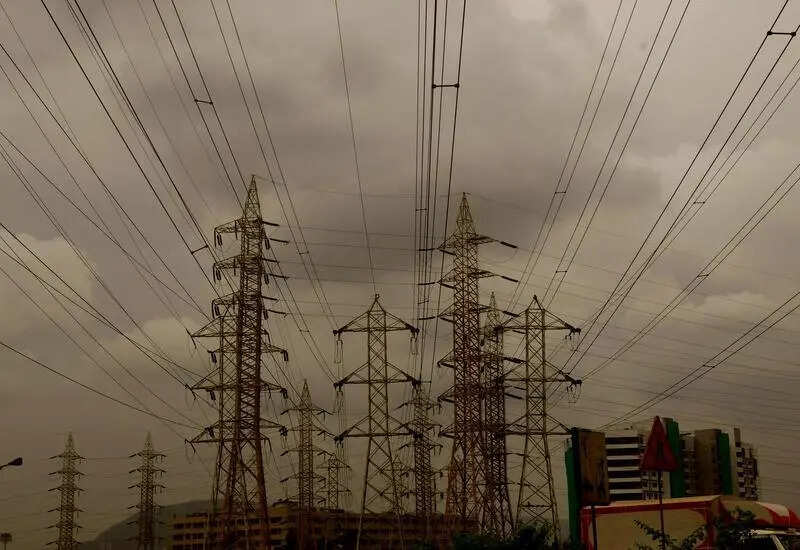




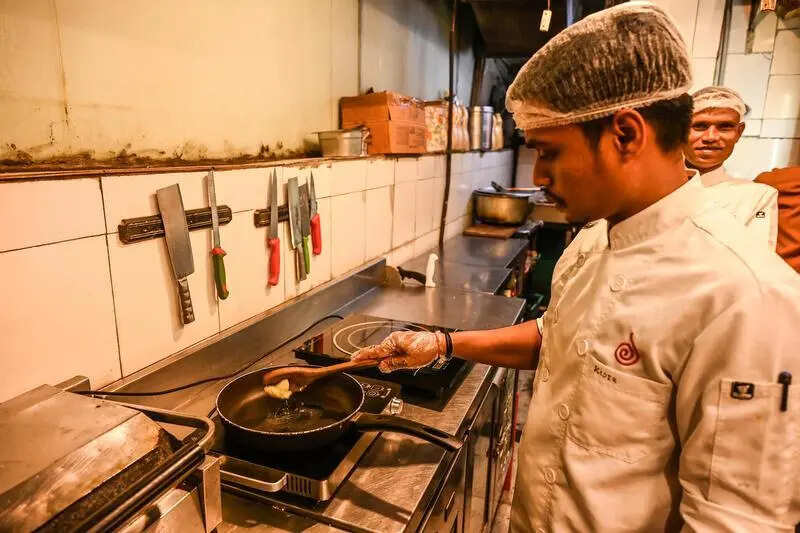
Pune: Just as restaurants and hotels in the city were beginning to stabilise operations amid recent LPG supply disruptions, a fresh challenge has hit them — prolonged load shedding in the last two to three days following unseasonal rain.Across several parts of the city, commercial establishments have reported daily power cuts lasting three to five hours, severely impacting kitchens that had shifted to induction-based cooking during the LPG shortage. Industry representatives said the twin impact of rain or heat-related outages and scheduled load shedding has led to order delays of over an hour, with cancellations also rising.“When you move to induction and ovens, your kitchen becomes entirely dependent on electricity. One induction unit consumes around 3.5 kilowatts. These systems don’t run on inverters — they are as heavy as ACs. So, when there is no power, the kitchen simply shuts down,” said Saili Jahagirdar, chapter head of the National Restaurant Association of India (NRAI), Pune.The disruption has had a direct impact on service timelines. “There is a lot of turbulence in order deliveries. Customers are calling repeatedly asking where their orders are. Delays are stretching up to an hour or more in some cases,” she said, adding that earlier LPG-related delays were limited to 15–20 minutes.“Induction uses a lot of power. In the middle of cooking, if the power goes off, everything stops and you have to restart the process, which adds to delays,” said a manager at a city-based hotel, choosing anonymity.“We do have a generator backup, but it is not always adequate to run heavy equipment like induction systems smoothly,” he said.“Not just room service, even restaurant orders are getting delayed because of the outages,” he explained, adding, “Earlier, the average serving time was around 20 minutes. Now, it has increased to at least 30–40 minutes due to load shedding and related disruptions.”A spokesperson from Maharashtra State Electricity Distribution Company Limited (MSEDCL) said, “Restaurant owners need to alter their approved electricity demand load after they have switched to electric stoves from LPG. If the earlier approved load is less and the usage exceeds after the switch to electric stoves, it will lead to tripping at restaurant level or at MSEDCL transformer for that particular area. This will lead to disruption in power supply. A single household electric stove consumes around 3 units of electricity if used for three hours as an example. The consumption of larger models is much higher especially if it is used for several hours. This also impacts the quality of electricity supplied as all the cumulative excess consumption is reflected at the transformer. The approved load can be increased by making application to MSEDCL.”He further cautioned, “The utility can also can take action against consumers who have exceeding their approved load and impose penalties. Additionally, restaurants should also make changes to wiring and electrical boards.”