




Enjoying music is a subjective experience, shaped by many factors — familiarity with the artiste’s work, knowledge of the genre, one’s receptivity at the moment, and even the quality of the sound system. At a large music festival, the added element of being exposed to so much music in a short span of time further alters one’s perspective. The current trend in North India of scheduling concerts for only an hour or an hour and a half, followed immediately by another and then a third, is not the most conducive way to experience music. Absorbing what one has heard is an essential part of savouring it. As such, any selection of performances is necessarily open to debate.
Pt. Madhup Mudgal created a serene ambience at his morning concert. There was no hurry, no gimmicks — just pure music. He began with raga Ahir Bhairav, a highly lyrical interpretation of the morning raag Bhairav, enriched by elements of khamach that heightened its melodious quality. The popular vilambit bandish ‘Rasiya Mharo’ was explored with gentleness.
Madhup ji’s daughter, Sawani, accompanied him in the lower register, complementing the difference in their vocal pitches, while his long-time disciple, Khushal Sharma, lent his voice in the higher notes. This contrast was particularly pleasing. One admired how the maestro resisted the current trend of prolonging the exposition to 45 minutes, as is common nowadays. Instead, he sang just enough to fully explore every nuance without unnecessary lingering.
Such restraint is becoming rare among the younger generation of vocalists, many of whom feel compelled to extend the first piece in order to establish their musical credentials.
Next, he sang raga Kukubh Bilawal, a rarity on today’s concert stage. The vilambit composition was one composed by his guru, Pt. Kumar Gandharva. This was followed by an unusual self‑composed tarana, rendered in double speed and marked by deliberate pauses between notes. Dramatic in effect and novel in gait, the piece commanded attention.
Continuing along the time scale of ragas, Madhup ji then presented raga Madhmad Sarang. His tarana, set in Ek taal and again self‑composed, was appealing and served as a fitting conclusion to the concert. He was accompanied by Shambhunath Bhattacharya on the tabla and Chinmay Kolatkar on the harmonium.
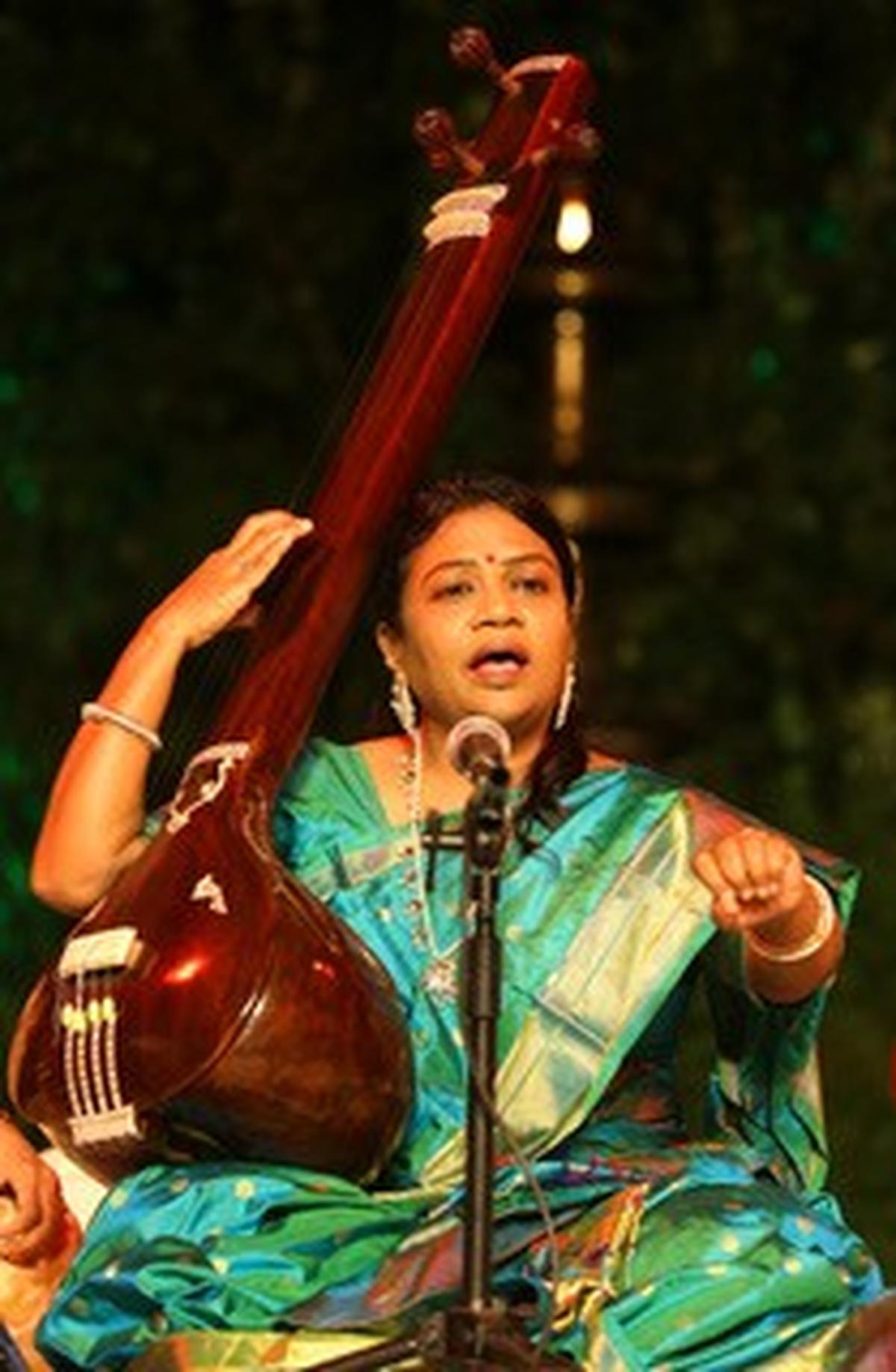
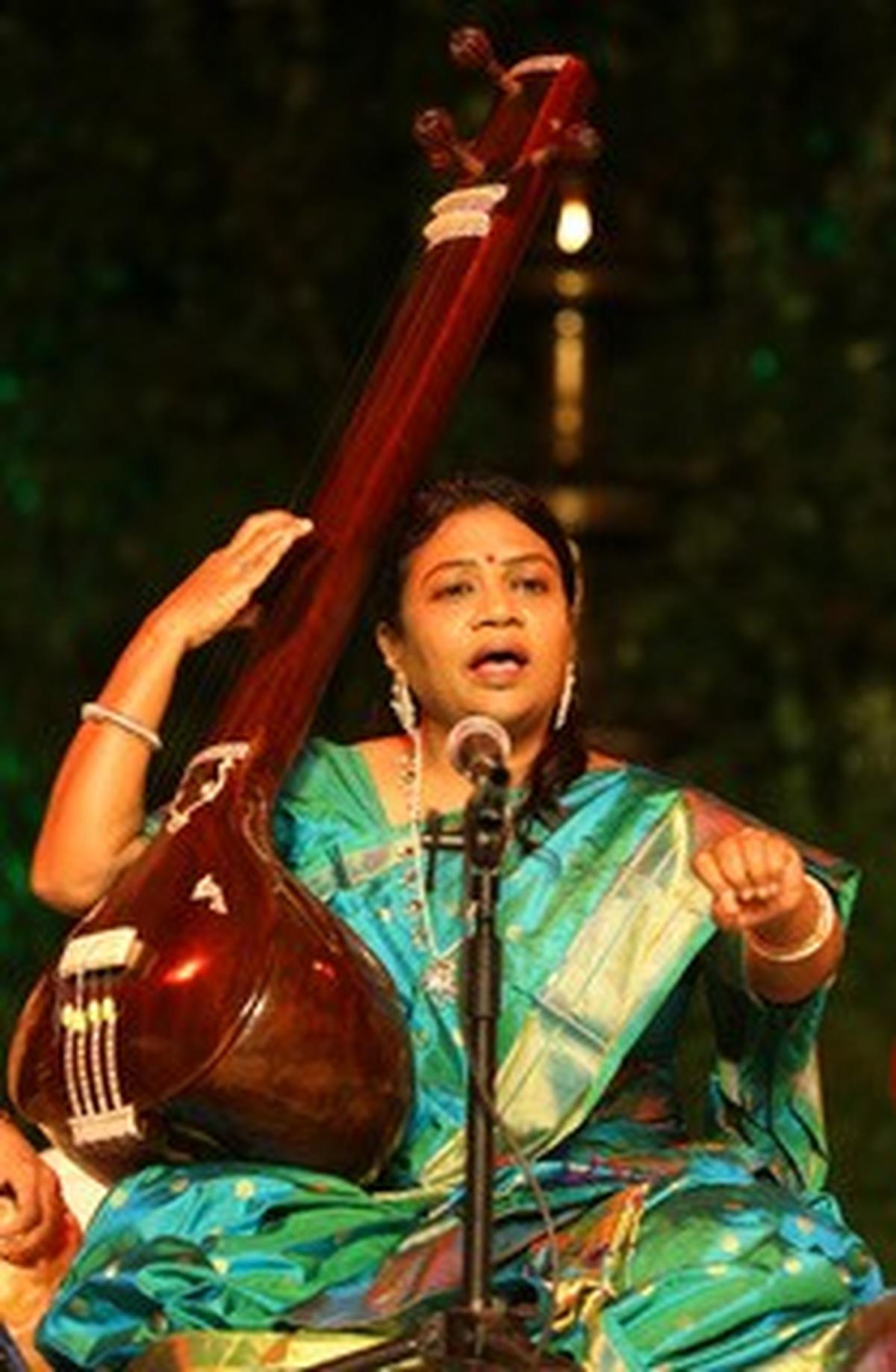
Shashwati Mandal.
| Photo Credit:
Special Arrangement
The second concert that captivated the audience was by Shashwati Mandal. Incidentally, she is currently training under Pt. Madhup Mudgal, despite already having a distinguished lineage of gurus. Beginning with raga Malgunji, Shashwati gradually built a deep connection with her listeners. The taans had variety and executed with remarkable breath control, including a novel closed‑mouth taan.
Like her guru, Shashwati also demonstrated her strength as an inspiring teacher — both her disciples who accompanied her, Swati Tiwari and Chinmayee Athale Oak, were impressive in their own right.
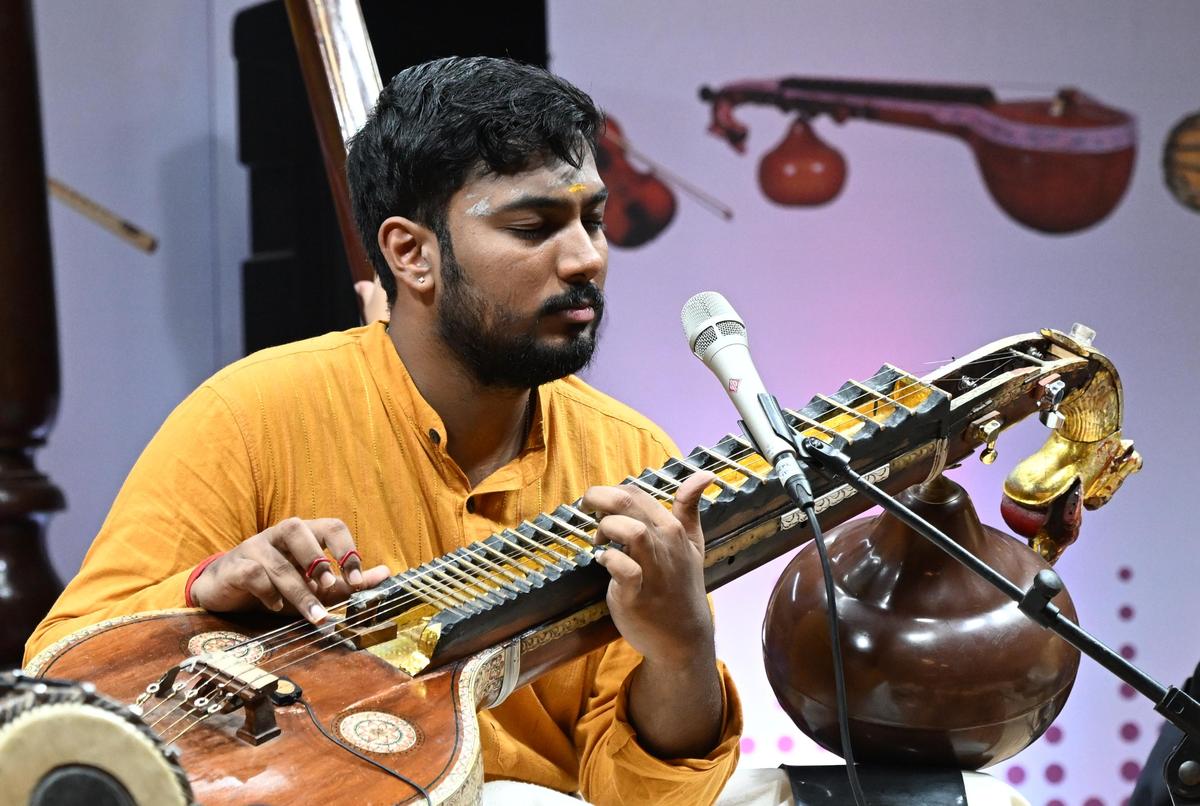
Ramana Balachandhran
| Photo Credit:
B. Jothi Ramalingam
The festival opened with a performance by Ramana Balachandhran, accompanied by Patri Satish Kumar on the mridangam. Though many in the audience were unfamiliar with Carnatic music or the Saraswati veena, as soon as Ramana plucked the first notes on the deeply resonant strings of his instrument, a perceptible sense of awakened interest spread through the hall. He began with a brisk yet brief composition of Tyagaraja ‘Ramabhakti Samrajyamu’ in raga Shuddha Bangala, dedicated to Lord Ram, which he also sang, as is his practice. This was followed by a ragam-tanam-pallavi in raga Sarasangi — a raga closely related to Hindustani’s Nat Bhairav, and thus was instantly recognisable to many listeners. The lively sawaal–jawaab with Patri Satish Kumar was particularly entertaining. Ramana then wove in snatches of ragas Saraswati, Saramati and Maru Bihag. In the North Indian tradition, presenting a ragamalika within the main piece is unusual, which made this moment all the more striking.
Ramana concluded with Sindhu Bhairavi and the prayerful chant that has become his signature closing. Patri Satish Kumar, as always, was an equal partner in the impressive presentation, his brief solo interlude drew immense appreciation. The inclusion of Carnatic musicians in such conventional festivals is a welcome decision —this year, flautist Shashank Subramaniam also offered his first-ever solo recital here, which was highly enjoyable.
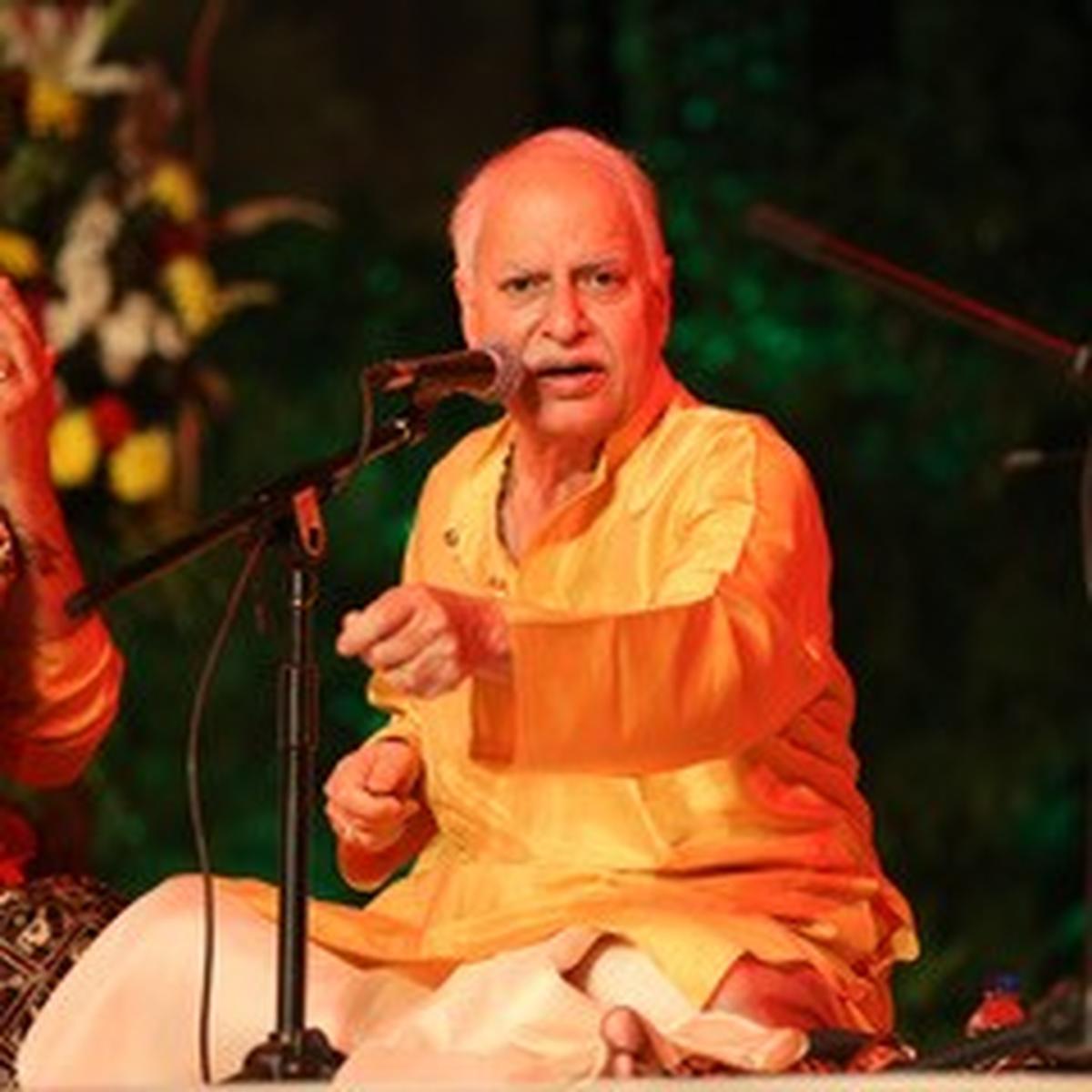
Pt. Sajan Mishra.
| Photo Credit:
Special Arrangement
Siddharth Belamannu not only possesses a luminous voice but has established himself as a vocalist to watch out for with his dexterity. Beyond technique, it is his clear articulation of the lyrics that lends an edge to his singing. His rendition of raag Hameer was particularly engaging.
Other highlights of the festival: Pt. Tejendra Narayan’s alap in raga Kafi Kanhra — incidentally, Kafi is generally perceived as a raga of spring — was sublime. Sawani Shende’s relaxed interaction with her harmonium accompanist, Rahul Gole, was admirable; too often, artistes remain absorbed in their own musical vision and fail to receive a co‑artiste’s input. Lokesh Anand, one of the finest shehnai players today, concluded with a lilting Banarasi dhun. Pt. Sajan Mishra and his son Swaraansh offered a rare Hori in raga Sindhura Kafi, known for its leisurely pace and reminiscent of an era gone by. Pt. Biswajit Roy Chaudhury’s rare Hindol Bahar, a blend of two spring ragas, was interesting.
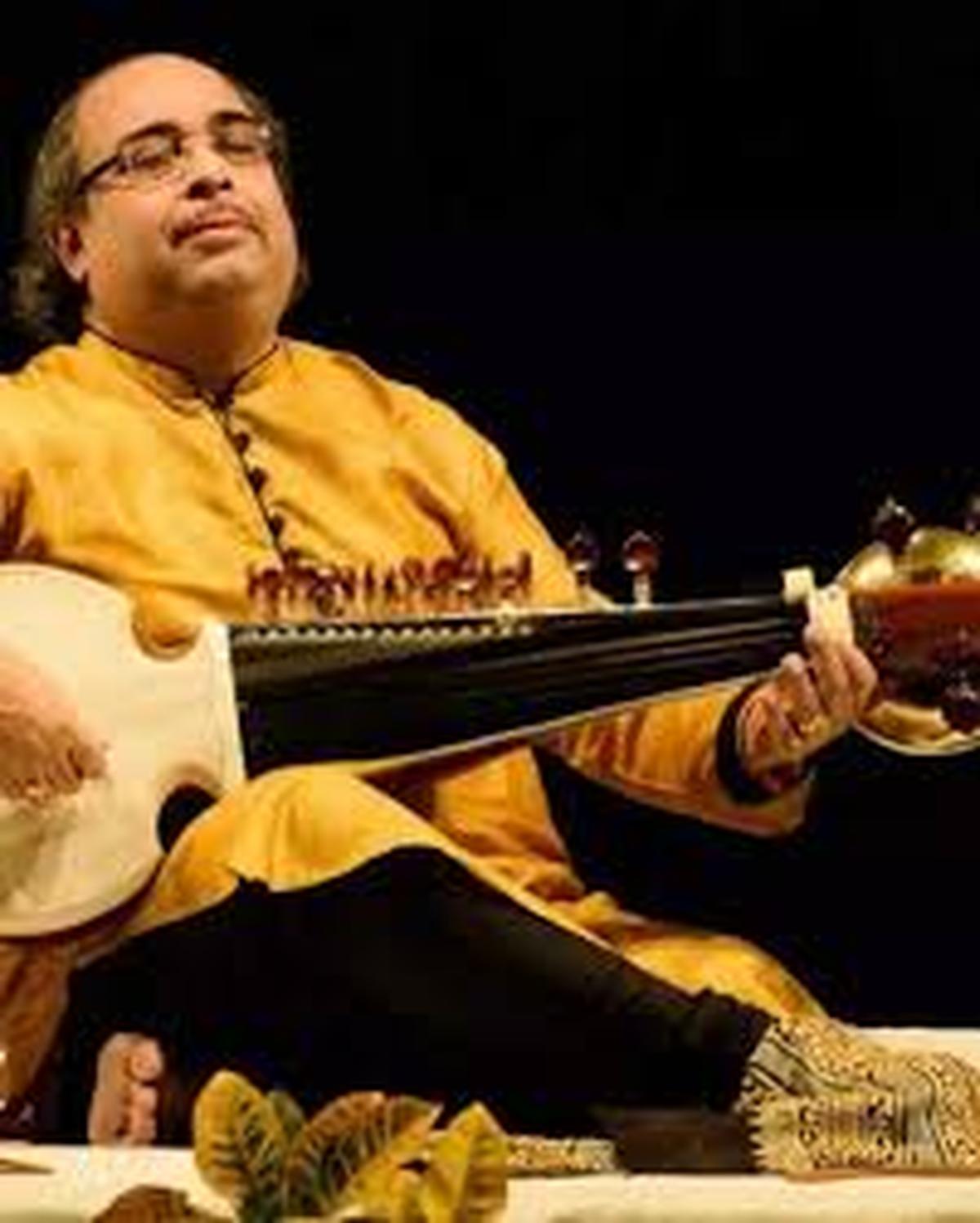
Sarodist Pt. Tejendra Narayan Majumdar.
| Photo Credit:
Special Arrangement
The presence of an enthusiastic young audience at the festival augurs well for its continuity. One effective way of ensuring their participation is by coming with an unusual and diverse line-up of musician. The organisers deserve commendation for their thoughtful artiste selection, which broadens the festival’s scope.
Published – March 17, 2026 02:57 pm IST
