






Last Updated:
Why do women look at the moon through a sieve on Karva Chauth? There’s a beautiful meaning behind this age-old ritual


Gazing through the sieve marks the sacred transition from the day’s penance to the evening’s fulfilment and celebration. (AI Generated)
The very mention of Karva Chauth brings a smile to the face of many married women and a sparkle to their eyes. Celebrated annually on the Chaturthi Tithi (fourth day) of the Krishna Paksha (waning moon) in the month of Kartika, this year’s festival falls on Friday, October 10, 2025.
On this auspicious day, married women observe a nirjala fast, a strict fast without food or water, and offer prayers to Goddess Karva for the long life, happiness, and prosperity of their husbands.
As evening approaches, women dress in traditional attire and prepare a puja thali with a lit lamp, sweets, a karva (a small water pot), and a sieve.
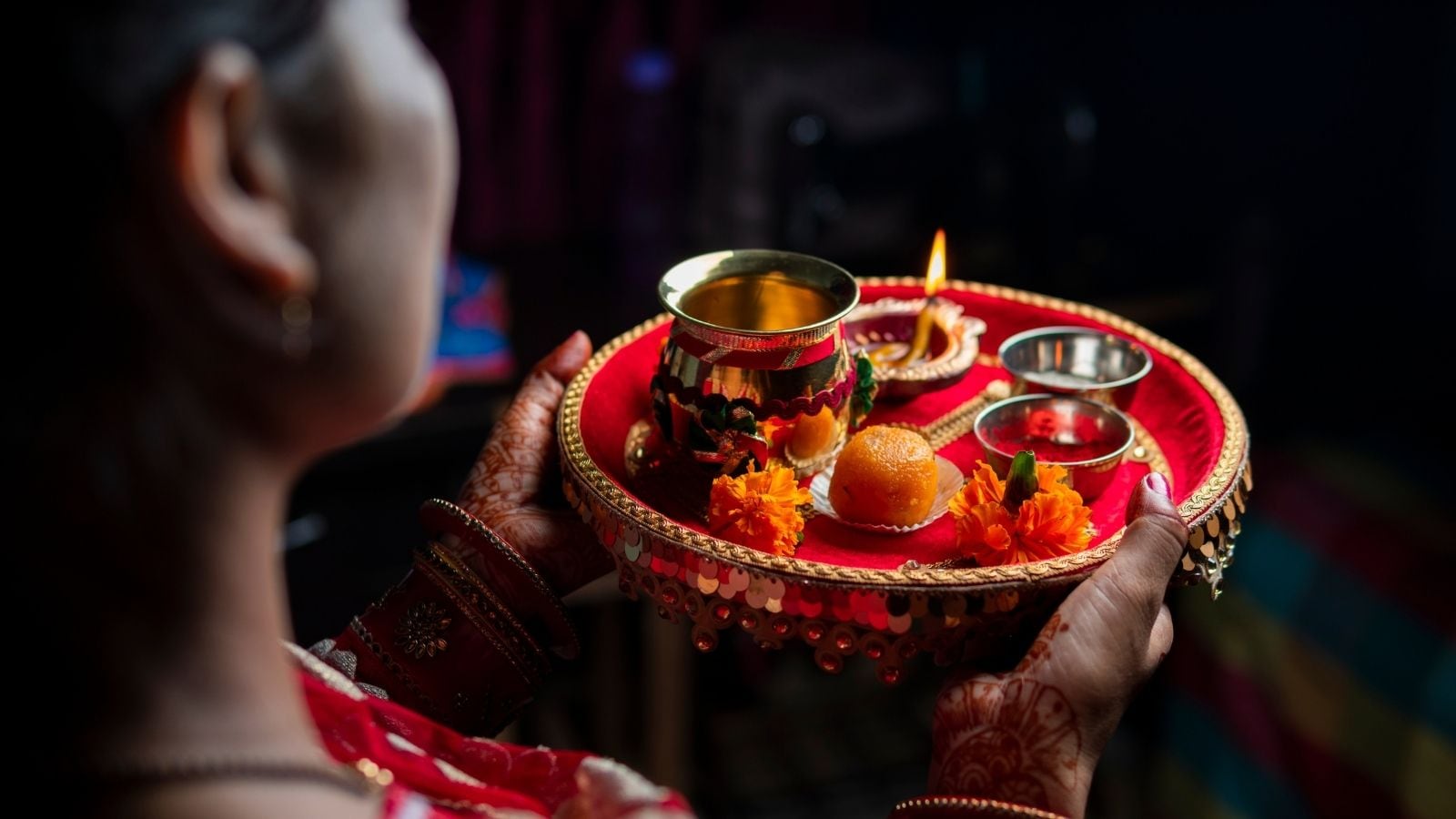
Once the moon rises, they gaze at it through the sieve and then look at their husbands’ faces in the same manner; only after this ritual do they break their fast.
But why is the sieve such an essential part of this tradition?
Significance Of The Sieve In ‘Karva Chauth’ Rituals
Looking at the moon and one’s husband through a sieve is a deeply symbolic gesture in the Karva Chauth ritual. The sieve, with its countless tiny holes, is said to reflect the moonlight multiple times. This act is believed to enhance the positive energies and blessings associated with the moon and, by extension, contribute to the well-being and longevity of one’s husband.
Traditionally, it is believed that without this step, the fast remains incomplete. Gazing through the sieve marks the sacred transition from the day’s penance to the evening’s fulfilment and celebration.
Mythological Origins: The Moon & The Curse Of Ganesha
The ritual also finds its roots in ancient Puranic tales. According to legend, the Moon God (Chandra Dev) once became vain due to his beauty and mocked the appearance of Lord Ganesha. Offended, Ganesha placed a curse on the Moon God, declaring that anyone who looked at the moon on Bhadrapada Shukla Chaturthi (the fourth day of the bright fortnight in the month of Bhadrapada) would be falsely accused or face dishonour.
Chandra Dev, upon realising his mistake, sought forgiveness. Ganesha, moved by his repentance, modified the curse, limiting its effects to just one day, now known as Kalank Chaturthi.
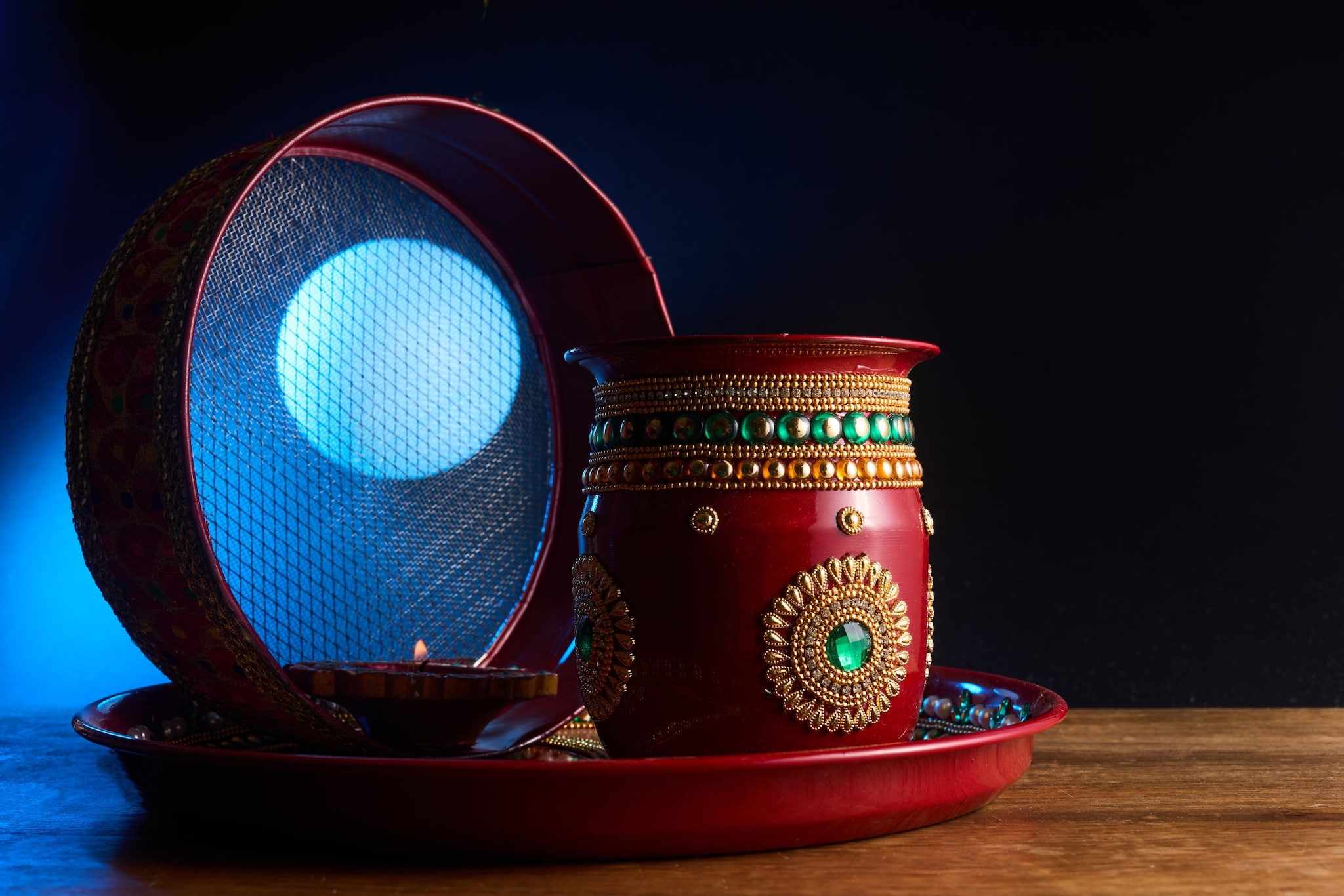
Since then, it has become customary to avoid looking directly at the moon on any Chaturthi night.
On Karva Chauth, women uphold this tradition by viewing the moon only through a sieve; thus symbolically respecting the age-old belief while still honouring their rituals.
October 08, 2025, 16:10 IST
Read More