



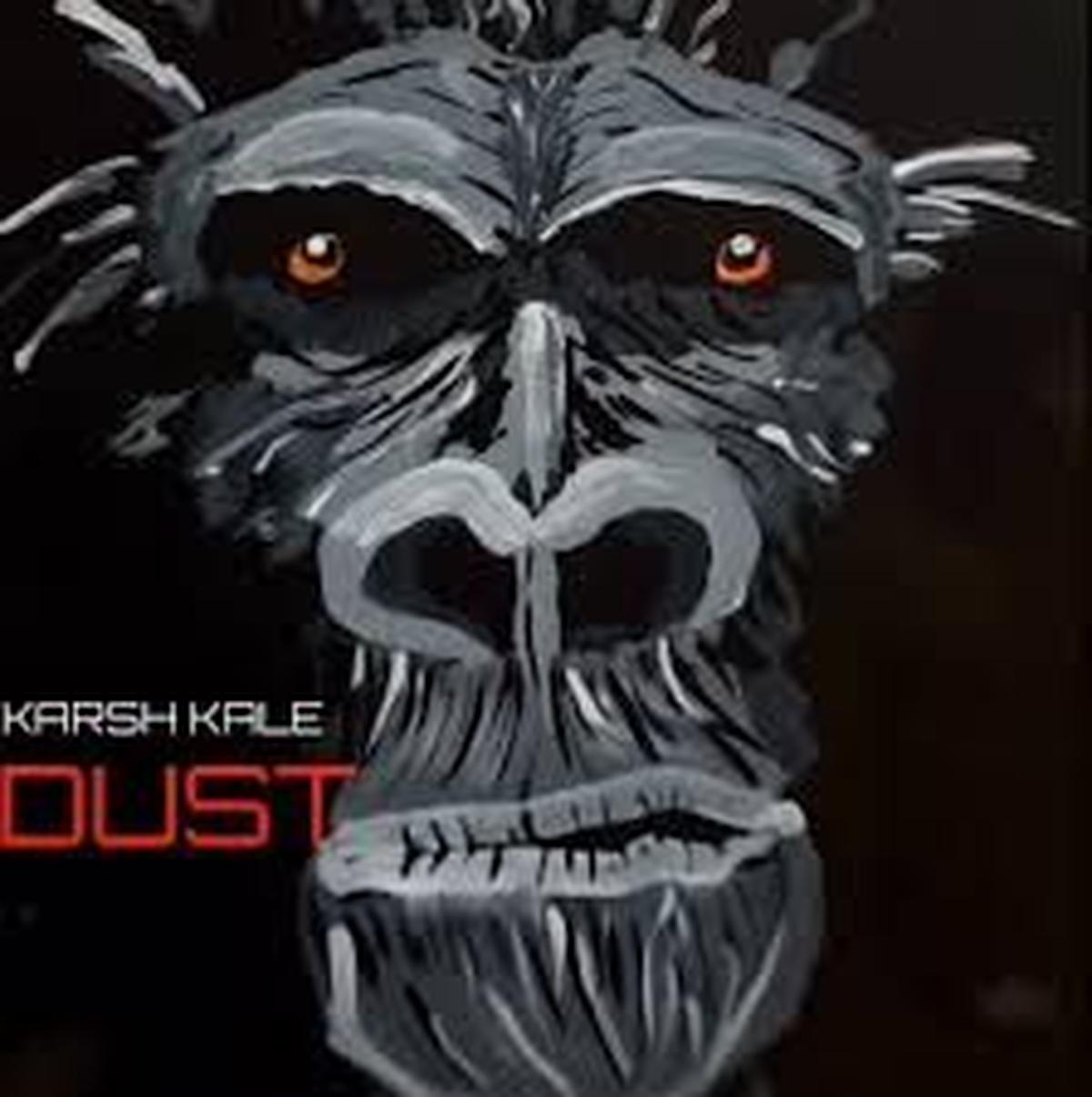
One of the pioneering figures in the indie music scene, UK-born, New York-raised Karsh Kale is releasing a full-length album Dust after nine years. “I am looking forward to its release in February end,” says Karsh.
Besides his skills as a tabla player and a drummer, Karsh is also known for his eclectic mix of Indian classical, folk, electronica, rock and ambient music. He plans to showcase a good chunk of the new album at his performance at Lollapalooza, the multi-genre festival, presented by BookMyShow Live in Mumbai on January 24 and 25. “The event attracts different types of listeners, who are open to new sounds. Though people may come for rock, hip-hop or pop, they also love sounds with an Indian flavour. I will play a mix of new numbers and older material, and some wonderful guest artistes will join me,” he says.
Dust features collaborations with keyboardist Salim Merchant, sitarist Purbayan Chatterjee, and indie artistes — Gaurav Raina of the MIDIval Punditz, Neel Adhikari and Komorebi. Karsh says the difference this time is that instead of having too many other vocalists, he has done a lot of singing himself. “Another highlight is the song ‘Tabla Beat Scientist’, dedicated to Ustad Zakir Hussain, who has played a major role in my career,” he adds.
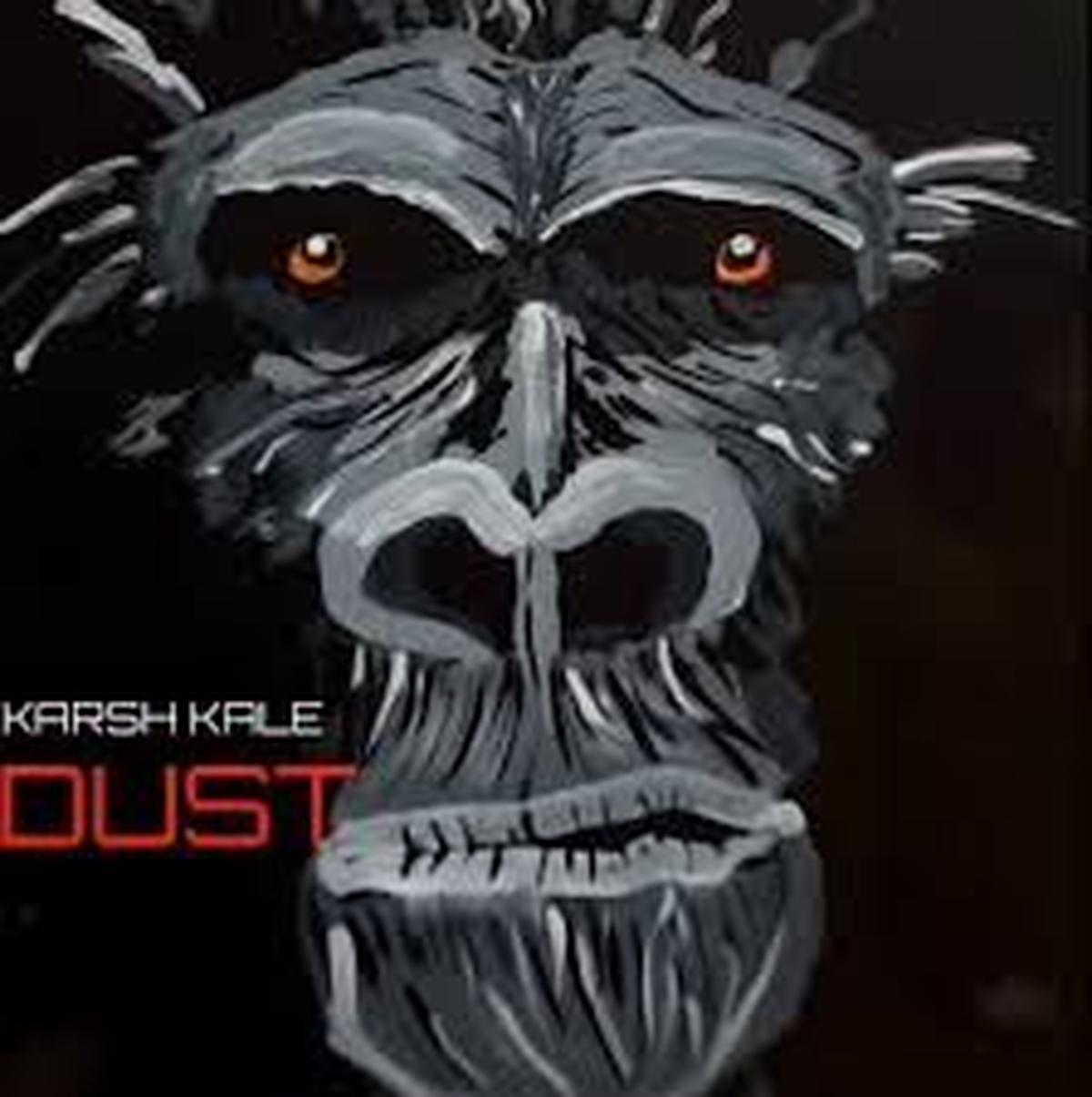
The album cover
| Photo Credit:
Special Arrangement
In keeping with his desire to follow a new process each time, Karsh began working on ‘Dust ‘by spending two months making 28 paintings which inspired him to write the compositions on piano. He says, “I was sick of the same process of staring at a screen and working on tracks. So, I wanted to go back to my childlike creativity. Once I finalised the melodies and finished the songwriting, I approached engineers. The next step was to spend four months in a studio where I worked on the soundscapes on my own.”
Karsh has been on the scene for over 25 years, releasing his first full-length album ‘Realize’ in 2001. The Asian Underground sound was popularised by Talvin Singh and other musicians in the UK in the late 1990s, blending electronica with Asian sounds. When Karsh began playing similar music in the US, its popularity had expanded considerably. He recalls, “It was no longer underground, and in the US, we were collaborating with artistes from India, Japan, Canada, various places. So the name ‘Asian Massive’ became associated with this genre.”
Around that time, American producer Bill Laswell approached Karsh for his electronic foray ‘Tabla Beat Science’, featuring Zakir Hussain and sarangi maestro Ustad Sultan Khan. Karsh recalls, “The project acted as a seminal moment in the history of Asian electronic music. Before that, there were a bunch of young musicians experimenting with these sounds in their bedroom studios. But here, we had stalwarts who not only acknowledged that sound but became part of it. They elevated it to a place of legitimacy for the rest of the world to accept.”
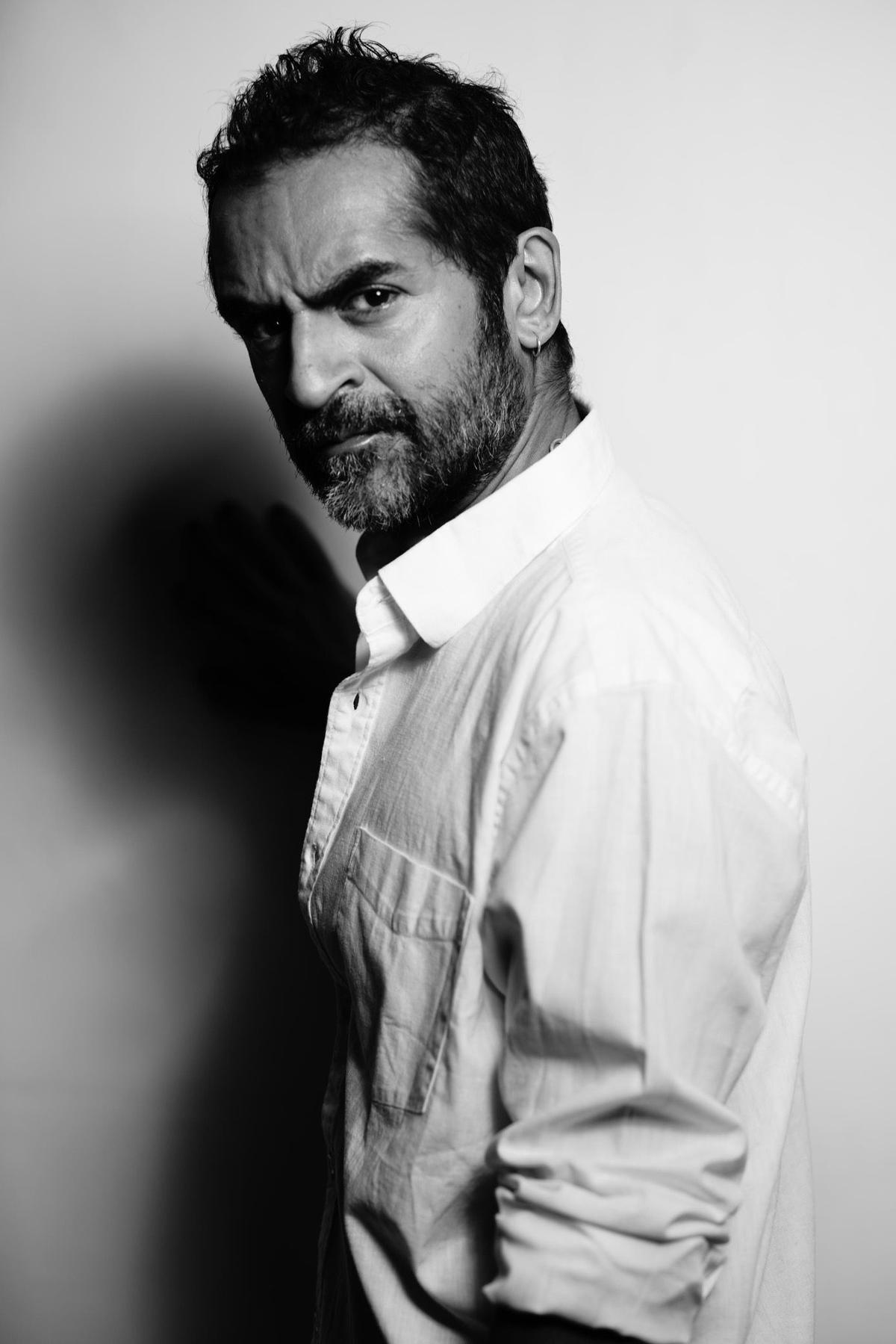
Karsh believes technology and AI can only act as tools in the creation of fresh music
| Photo Credit:
Special Arrangement
With the albums ‘Liberation’ and ‘Broken English’, Karsh established himself on the indie circuit. He even did projects with singers Sting and Norah Jones, sitarist Anoushka Shankar, trumpeter Dave Douglas and pianist Herbie Hancock. After releasing the album ‘Up’ in 2016, he chose shorter EPs, besides appearing on Coke Studio, collaborating with Amaan and Ayaan Ali Bangash and being part of the Gully Boy film soundtrack.
About the indie scene in India, Karsh says, “The good sign is that there is an indie scene. I remember playing in India for 10 or 15 years, when we were so underground, because people only listened to classical or film music. Today, we have DJs who mix different kinds of sounds from jazz and rhythm ’n’ blues with Indian music, and sitar players who play the blues. They have a fairly large audience listening to them.”
However, the floodgates have opened so wide that thousands of songs are released, and many go unnoticed. He says, “We’ve reached a situation where some artistes have millions of fans, but but as many people haven’t heard them. I guess this is a transitional phase. Today, a young artiste from India can say he/she wants to become a full-time singer-songwriter, or do something like Radiohead, Jeff Buckley or Adele. That was so out of reach 20-25 years ago.”
Though he’s deeply rooted in electronic music, and keeps a tab on the changing trends, Karsh believes technology and AI can only act as tools in the creation of fresh music. He says, “What people want is a unique experience, which only a human can create. AI is only going to create something routine. Sadly, people are talking more about the convenience of AI rather than its dangers.”
According to Karsh, technology keeps changing with the times, but it is only a tool. He explains, “How it is used depends on where you come from as a creator. One can take two spoons and write a song. Even in a sci-film, there has to be a script first. Everything else comes later.” That’s an approach he’s used in his new album too.
Published – January 23, 2026 02:50 pm IST