





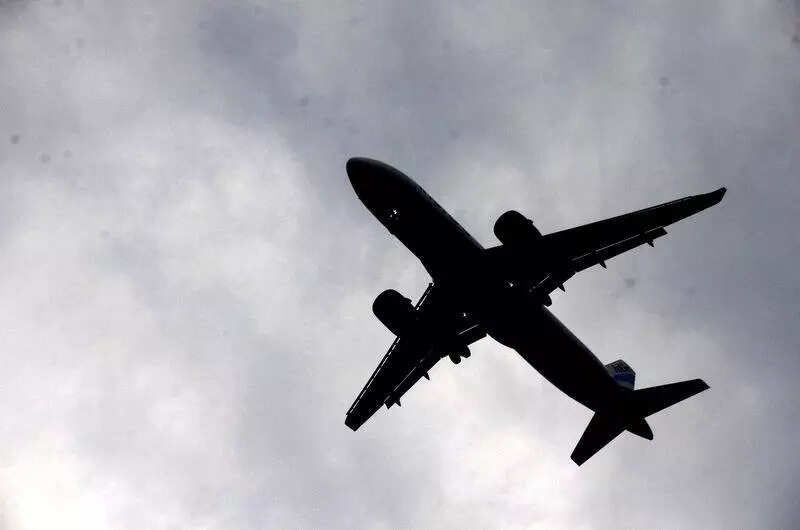
“This step should have been taken on the first or the second day of the crisis. It will bring down IndiGo’s network to a more manageable size. The govt should now find ways to reduce the dependence on one player and increase the shares of others. IndiGo has been a dominant player in every market, not Pune alone. The govt will now have to reallocate slots fairly so that there is adequate choice for all passengers, especially in Pune,” he added.IndiGo operated about 55% of all flights connecting Pune before the fiasco. Post-crisis, flyers having IndiGo tickets for future travel are worried. Prateek Kumar, slated to go to his hometown for Holi in March, said, “I don’t know whether I will be able to go or not. The information of cancellations is coming a day in advance,” the working professional said.Aviation analyst and expert Dhairyashil Vandekar said IndiGo routes with limited or single daily flights were unlikely to be affected. “Similarly, routes from Pune to cities such as Delhi and Bengaluru are unlikely to face any reduction in the number of flights because these generate significant revenue,” he told TOI, emphasising that even a minor reduction in services from Pune would severely inconvenience passengers.“Other airlines cannot take slots by their choice. The Directorate General of Civil Aviation (DGCA) takes the decision based on many factors. It generally takes some time before airlines fill in any vacated spots. In case of flight reduction, flight options and seat availability reduce. This reduction in seat capacity, combined with current high demand, can result in increased fares,” he said.Former Pune airport director Deepak Shastri stressed on the need to closely monitor the airfare cap. “It should be studied further and remain in effect at least till the end of this travel season.”He said, “The travel demand right now is huge. If the frequency to some destinations reduces, authorities should ensure that flyers booked on the flights to be stopped do not face any hassles.”