






Are you into South Korean culture? Maybe you’re a sucker for a good K-drama, or you have an ultimate K-Pop group or two. Or maybe you just don’t get the hype around it, or in some cases, you absolutely hate it. But there’s one question we all need to ask – how did this madness start?
Explaining the term
The Korean wave, popularly called ‘Hallyu’, encompassed the global craze for all things South Korean. ‘Hallyu’ is derived from the Chinese word hanliu, which means the popularity of Korean popular culture.
Tracing the wave
Korean entertainment was available enough in India, but had not got a fanbase until the 2010s.
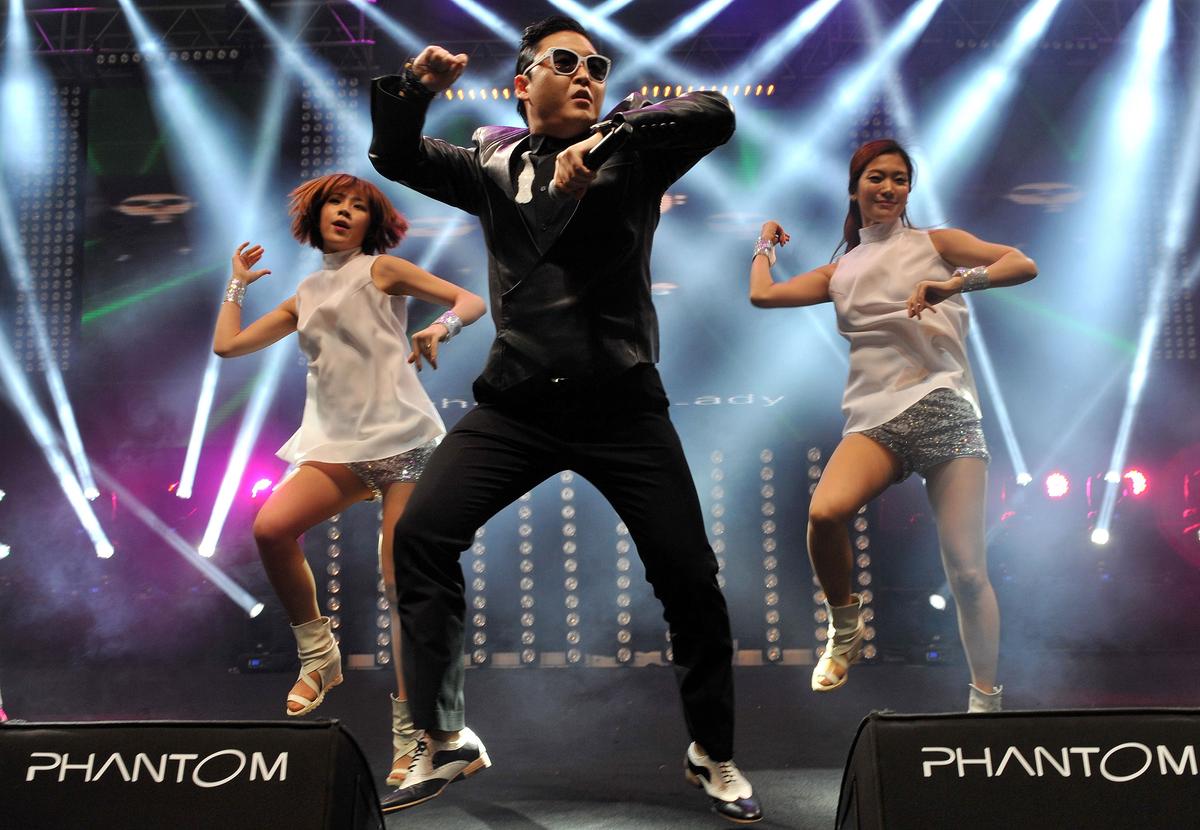
In 2012, South Korean rapper, and singer-songwriter Park Jae-sang, better known as Psy, released a song called Gangnam Style (admit it, the song is playing in your head now that we have mentioned it), and it took the whole world by storm.
The song quickly found its way to India, becoming a must-have song in school functions, wedding sangeets, and college festivals, and is still rocking in these places even to this day. Psy and his song eventually became the gateway to opening the K-Wave in India, and subsequently other K-Pop groups and artists found themselves an audience in India.

South Korean singer Psy (L) performs his hit single “Gangnam Style” during a concert in Istanbul as part of the Istanbul Blue Night festival.
| Photo Credit:
AFP
But, it wasn’t until the lockdown that India’s love for Korean culture took off — and we mean REALLY took off, and it was here to stay. COVID-19 had the whole country locked up, looking to Netflix, Prime, and other streaming apps for entertainment. And so, Korean dramas began to gain a growing viewership in India.
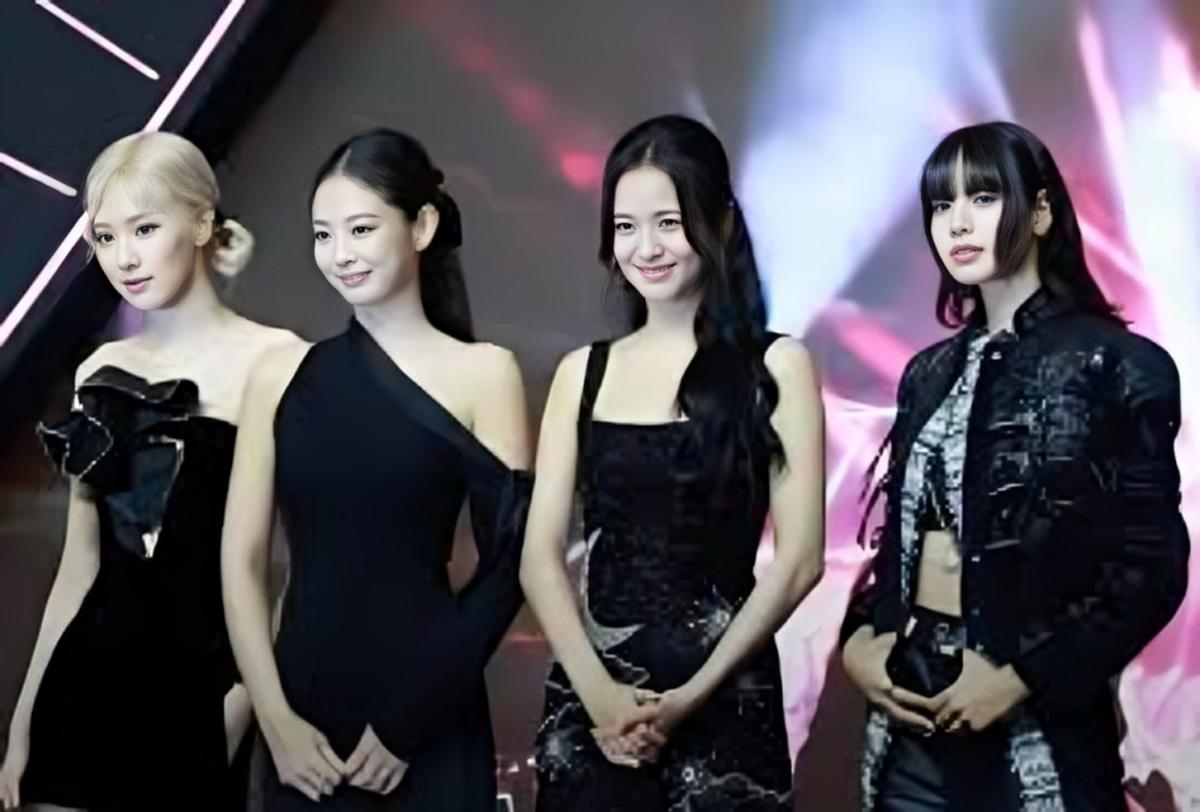
Blackpink, a female K-Pop supergroup
| Photo Credit:
WIKIMEDIA COMMONS
Euromonitor revealed a startling piece of data which stated that Netflix saw a massive 370 per cent increase in K-drama viewership in 2020, as compared to the previous year. Reasons were their content and the drama, drawing similarities to our own soap operas, full of high emotions, and plot twists. Some common fan favourite K-dramas include Vincenzo, Business Proposal, Kingdom, What’s Wrong With Secretary Kim, and more.
Indian streaming platforms such as Zee5 and MX Player have also taken the initiative to dub K-Dramas in other Indian languages, ensuring a wider audience being able to enjoy them in their own local language.
As for the music scene, K-Pop supergroup BTS released their first English song “Dynamite” in 2020. With its stunning visuals, rocking choreography, and catchy beats, the song not only became a global hit, but also expanded the group’s already established fanbase. JioSaavn, a music streaming app, revealed that before January 2020, BTS was ranked 68th with around 780,000 streams. When the pandemic happened, their position jumped to eighth place in October that same year, with an alarming listenership of over 2.3 million streams. Now, more and more artists like Blackpink, TXT, Twice, and Stray Kids have found a fanbase in India.
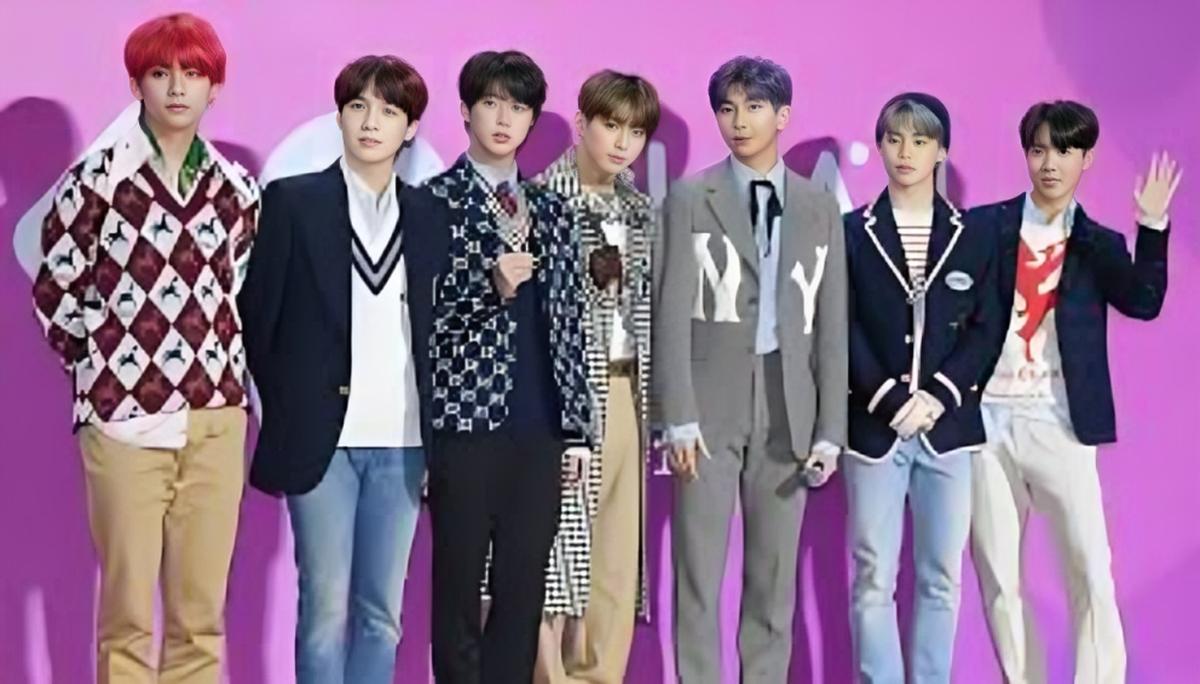
K-Pop supergroup, BTS.
| Photo Credit:
WIKIMEDIA COMMONS
Impact
India is loud, proud, and going all out with displaying their love for Korean culture. From birthday projects for favourite idols and actors, to fan meet-ups, streaming parties, and even random dance challenges to test how well people know their K-Pop hook steps, India has not left any stones unturned in embracing the K-Wave.
Nagaland is known for its yearly cultural event, The Hornbill Festival, and they had a discussion with the Republic of Korea, and organised music festivals in their city Kohima. Events like these have a platform for cultural exchange, and a deeper understanding for Korean culture and music among the Indian youth.
There has been a surging interest in Korean fashion. Bucket hats have especially become a common trend among the youth.

Hanbok, a traditional Korean outfit.
| Photo Credit:
FLICKR
K-Pop and K-Dramas are also influencing our love for Korean fashion. Idol styles in music videos, and their airport looks have become a style reference for fans in India. K-Dramas are also boosting fashion. Their subtle cuts, pastel colours, and smart, casual styles have won the hearts of the Indian audience and left them wanting more. Social media is also boosting the trend, with content creators experimenting with looks referenced across Korean media, and these outfits are even available on online shopping platforms.
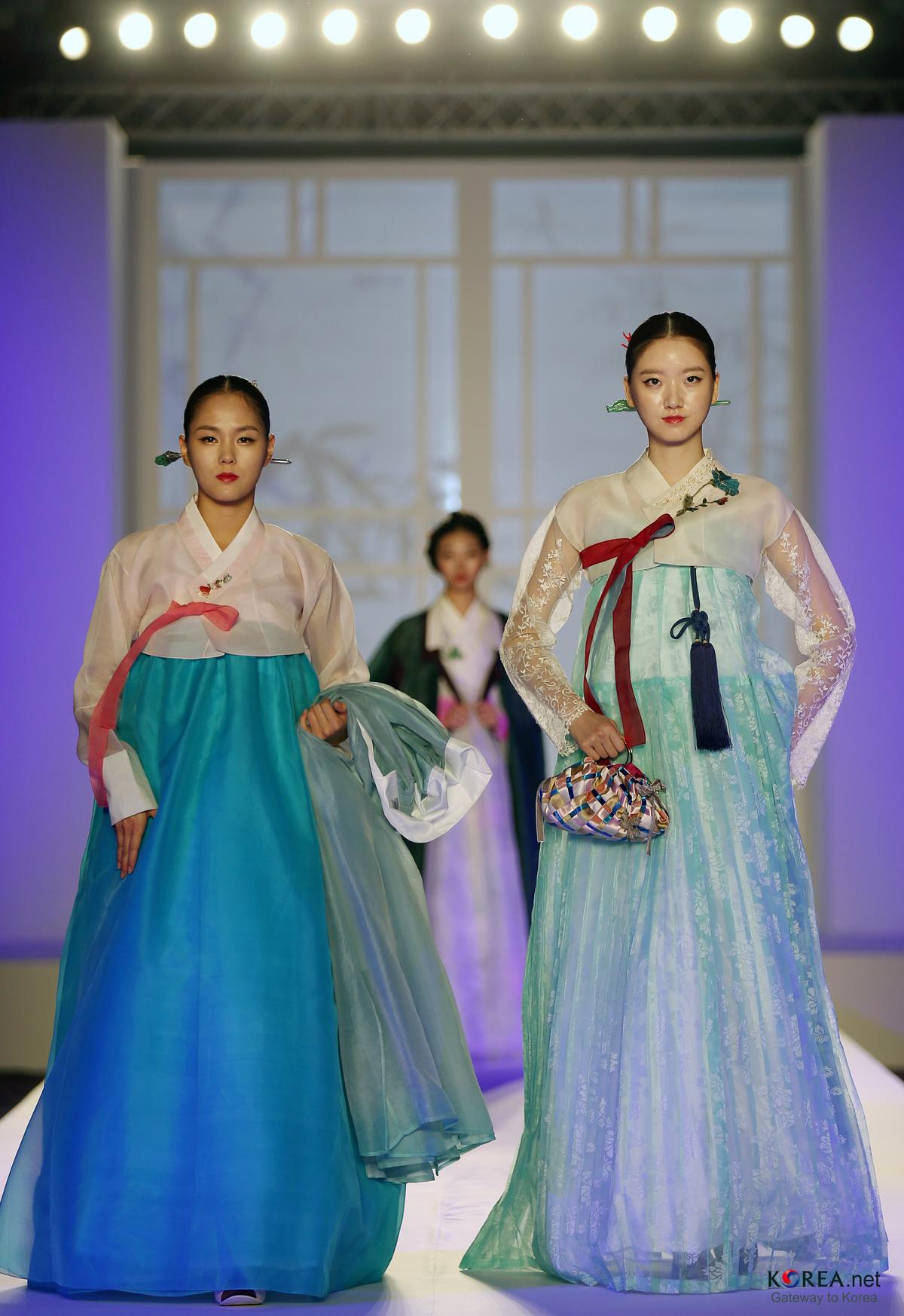
Hanbok, a Korean traditional outfit.
| Photo Credit:
FLICKR
K-Pop and K-Drama fans have also developed a passion to learn the language to understand their favourite songs and shows. Initially, fans relied on English lyrics. Over time, they manage to pick up a few words and phrases. Now, phrases like “saranghae” (I love you), or “annyeonghaseyo” (hello) have come into common usage among friends.
And it’s not just the common public, even the Indian government is on the action. In 2020, the Indian government introduced a new education policy allowing Korean to be taught as one of eight foreign languages in Indian schools. The move is a reflection of the growing love for Korean culture and language.
New Delhi is home to the Korean Culture Centre India (KCCI). Founded by the Ministry of Culture, Sports and Tourism (MCST) of the Republic of Korea, it came with the objective of creating a cultural bridge between both the countries. It hosts art exhibitions, theatre performances, film and animation screenings, and K-Pop contests to strengthen the cultural relationship.
The stats
India has a rapidly growing fanbase of all things South Korea, and more, and the statistics are here to prove it. In 2023, a report by Facebook Analytics, showed that there were over 15 million consumers of Korean cultural products such as K-pop music and K-dramas across the country. Similarly, a report by Duolingo, the language learning app, showed Korean to be the fourth most accessed language on its app in India, following Hindi, English and French.
The dark side
Of course, we all have our obsessions, but there have been multiple cases of taking our love WAY too far. There have been concerns with identity loss, or cultural disconnection, especially among teens. There also seems to be unrealistic beauty standards seen on social media, making people insecure. Lack of official K-Pop concerts in India are also a matter of concern for fans. It is important that people, especially young ones, have a healthy love for the culture with some set boundaries.

The finger heart was also popularised by Hallyu.
| Photo Credit:
WIKIMEDIA COMMONS
From a niche fandom to a big time mainstream buzz, Hallyu has come a long way with India. And as fans continue to grow in number and voice, it does not look like this wave will crash for a long time.