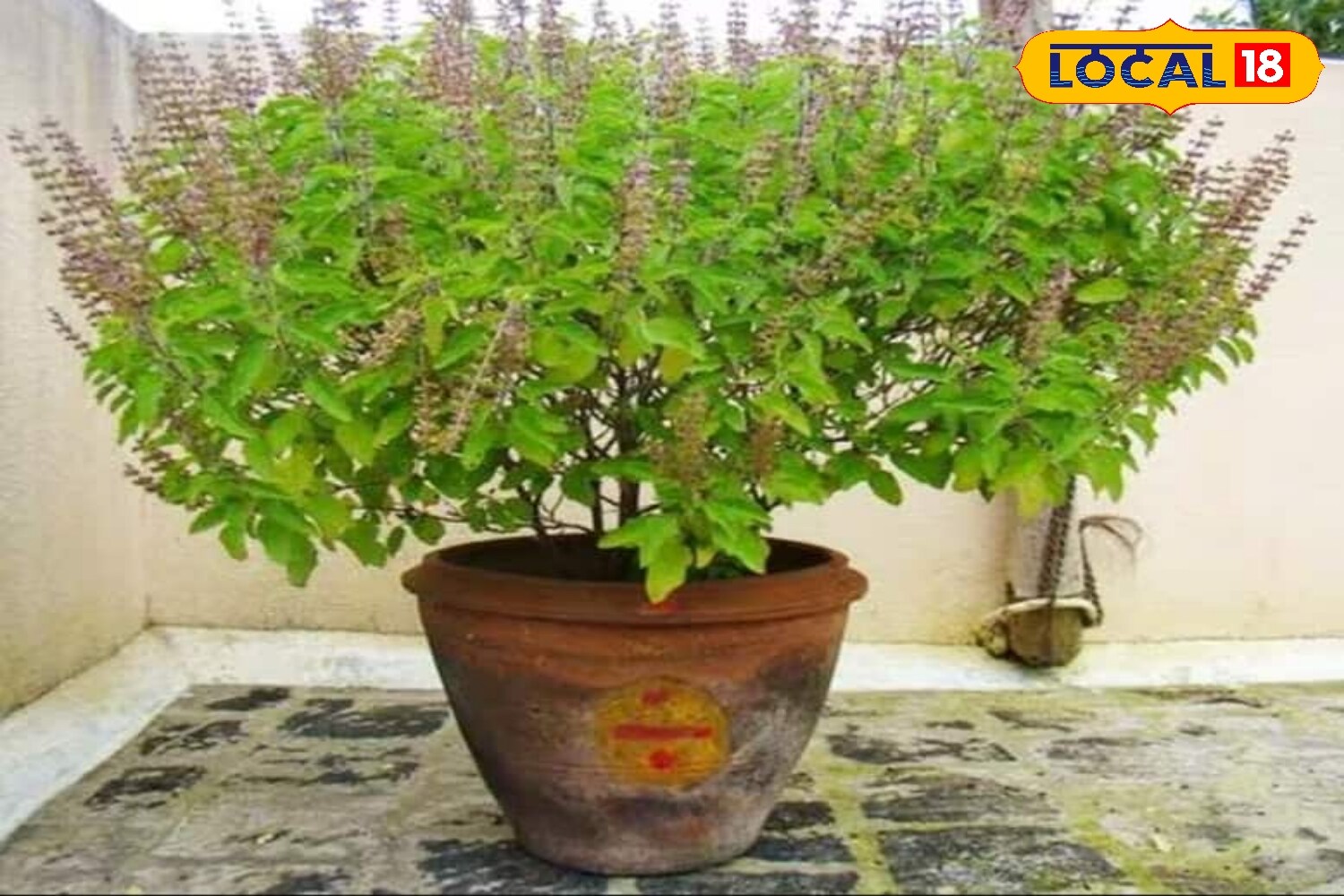
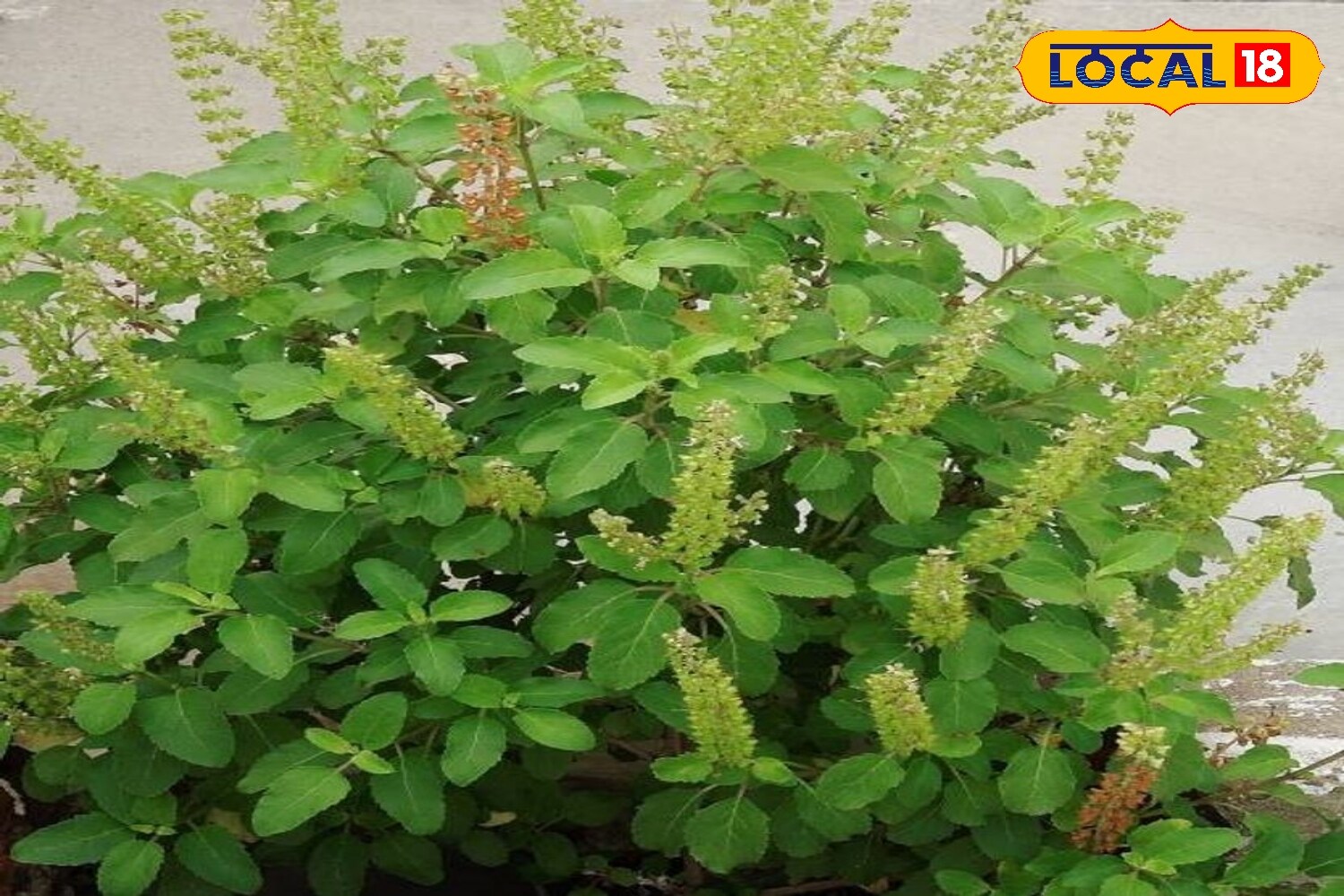
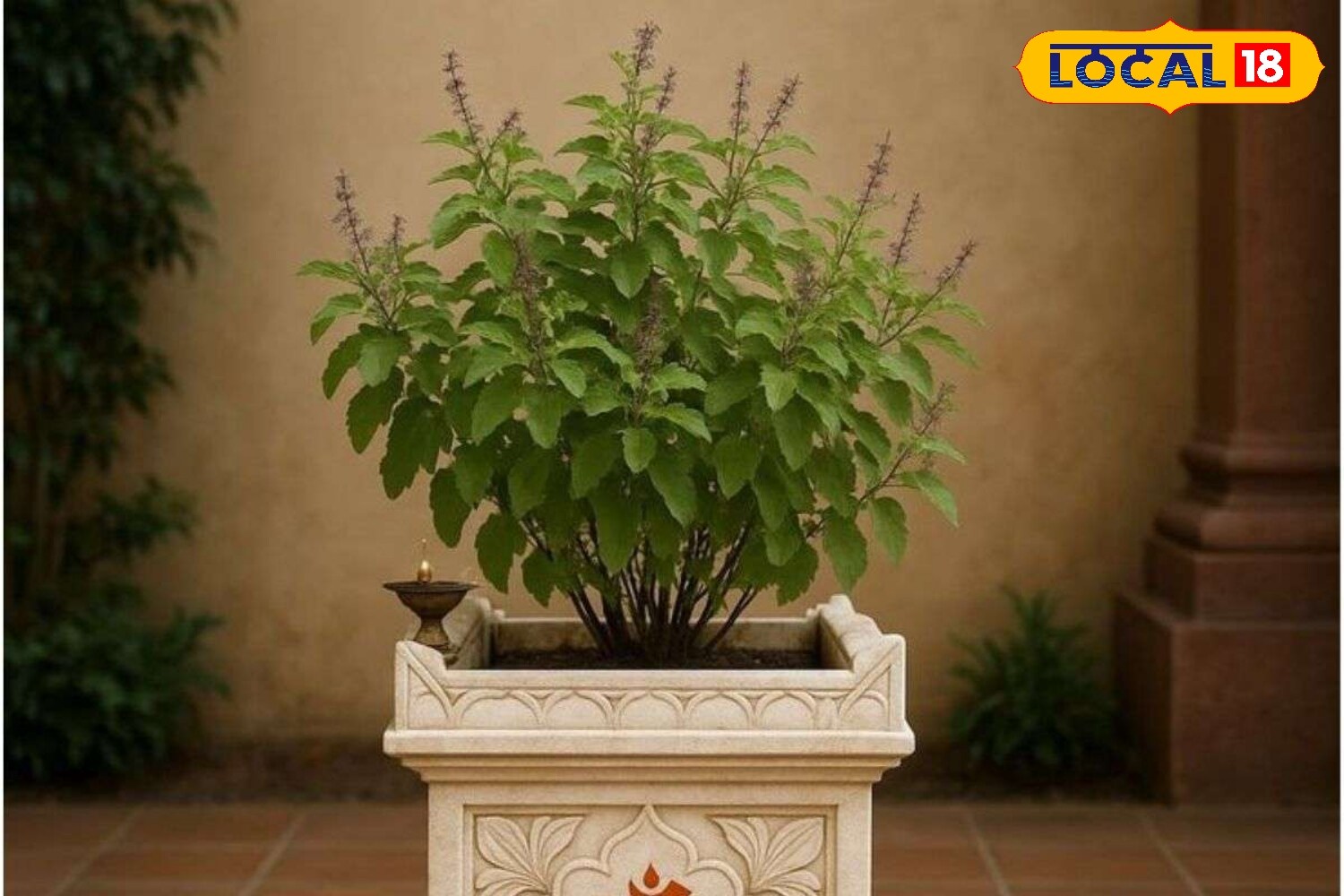
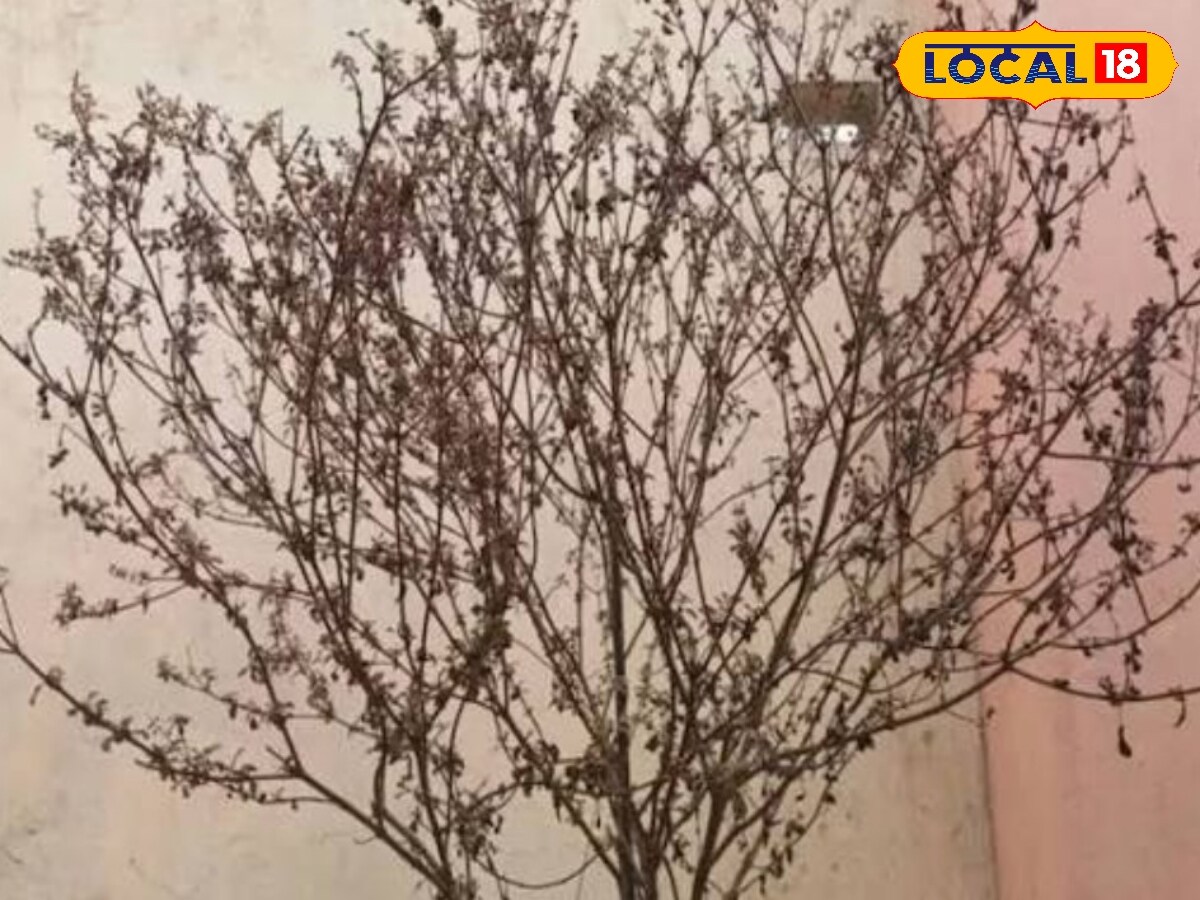
If your Tulsi plant dries up, do not discard it carelessly. Scriptures say improper handling can reduce positive energy and negate prayers. Here’s the right way to do it.
Sacred texts highlight that Tulsi is deeply connected to spiritual energies. Disrespecting a dried Tulsi plant is believed to reduce positive vibrations in the home and diminish the benefits of prayers. Elders warn that this negligence may lead to financial troubles, mental stress, and family disputes.Astrologers also emphasise that dried Tulsi should never be mixed with household garbage. Stepping on it, throwing it on roads, or handling it disrespectfully is considered a serious dosha. Burning the plant or its branches is also said to go against religious principles and may invite unforeseen difficulties.What should be done when a Tulsi plant dries up? One should first remain calm, wash hands and face, and remember Tulsi Mata with devotion. The dried leaves or the entire plant should then be wrapped in a clean cloth or paper. It should be respectfully immersed in a flowing river, pond, or any natural water body.If a water source is unavailable, scriptures say it is auspicious to bury the plant in clean soil, either near a temple or within the home’s courtyard. While doing so, one should mentally offer prayers to Tulsi Mata, expressing gratitude for the protection and blessings she provided to the household.According to religious texts, Thursdays, Ekadashi, Purnima, and Amavasya are considered the most auspicious days for the respectful disposal of a dried Tulsi plant. Performing the ritual on these days is believed to prevent negative effects and restore peace and prosperity at home. True devotion lies not only in caring for Tulsi while she thrives, but also in treating her with reverence after she dries. Even small negligence, elders say, can lead to significant loss.
Stay Ahead, Read Faster
Scan the QR code to download the News18 app and enjoy a seamless news experience anytime, anywhere.
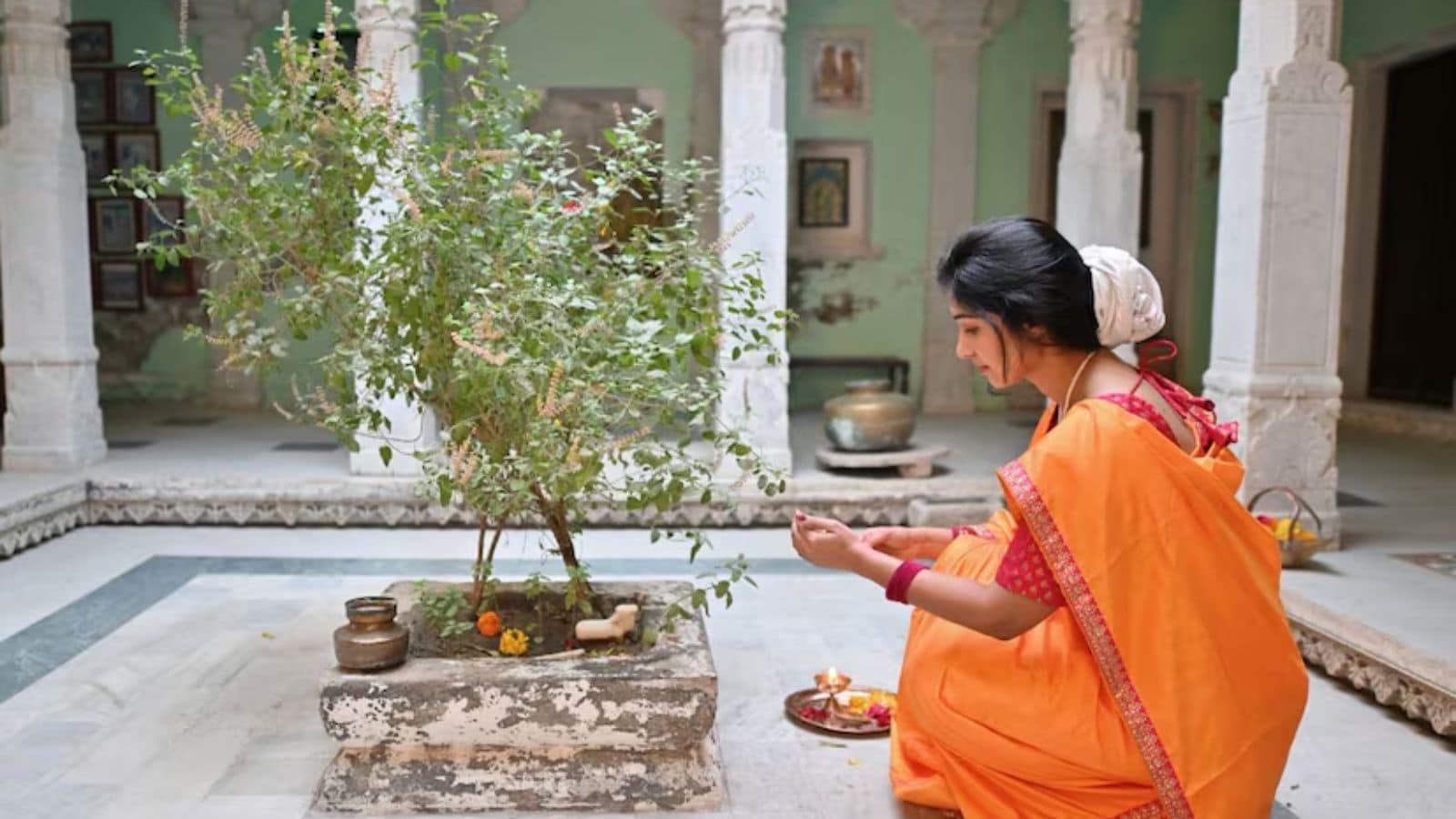
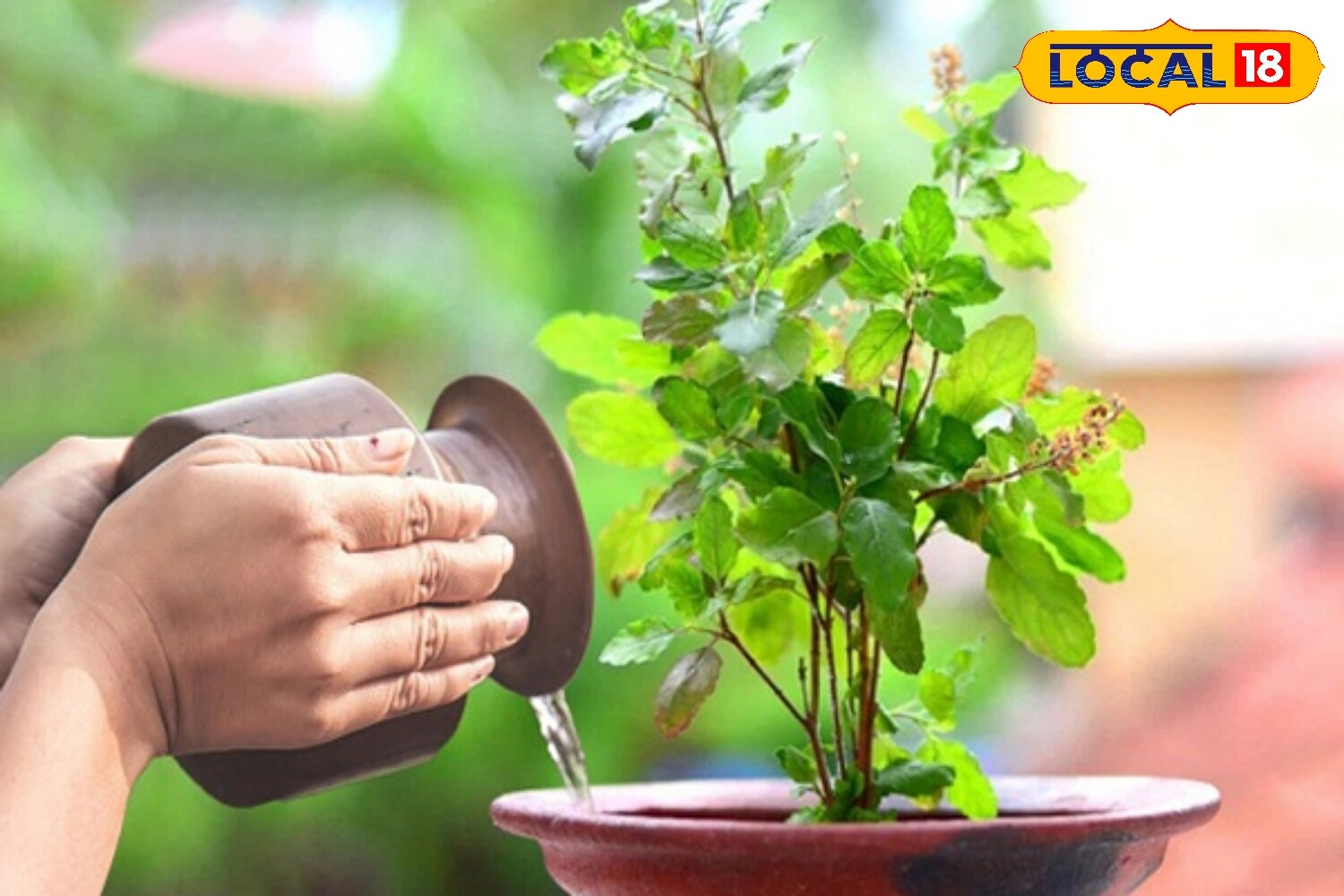
In Hinduism, Tulsi is not seen as an ordinary plant. She is worshipped as Tulsi Mata, a manifestation of Mahalakshmi. Keeping a Tulsi plant at the entrance or courtyard of the home is considered a sacred tradition. Scriptures state that a house with Tulsi attracts positive energy and enjoys lasting divine blessings. This is why devotees light lamps and offer water to the plant every morning and evening with devotion.