




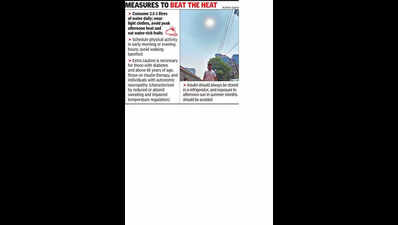
Pune: Doctors are seeing people coming to hospitals with complaints of dehydration-related symptoms such as fatigue and fluctuating sugar levels as the city witnesses a rise in daytime temperatures setting in early in the day. They have cautioned those with diabetes to ensure they remain hydrated, especially if they stay outdoors for longer, while warning gig workers of a possible stroke if they do not take precautions.
Dr Vineet Rao, consultant, internal medicine and diabetology, Jupiter Hospital, said excessive sweating leads to dehydration, causing dry mouth, dizziness, fatigue and dark urine. “Hot weather can seriously impact health. If the body overheats, heat exhaustion may develop, with symptoms like heavy sweating, headache, nausea, weakness or fainting. In severe cases, a heat stroke can occur — a medical emergency where body temperature rises above 40°C (104°F), leading to confusion, unconsciousness, hot, dry skin and a rapid pulse. We have been seeing a lot of patients come in with complaints related to heat over the past few weeks,” he said.During summer, in excessive heat or very high-temperature conditions, the risk for those suffering from diabetes increases, said Dr Monika Sharma, senior consultant endocrinologist at Aakash Healthcare. “Dehydration is very common in high-temperature conditions, which can raise blood sugar levels. In such a situation, it also becomes difficult to control glucose levels. High temperatures also directly impact how our body uses insulin. Thus, even people who think they are stable can see a sudden rise or fall in blood sugar levels. High temperatures or heat are also not good for those suffering from blood pressure issues or with a history of stroke,” she said.Dr Sharma further said dehydration and high temperatures can stress both the heart and brain. “This can result in high blood pressure. Since very high heat can also make the blood more prone to clotting, it increases the risk of stroke. In addition, high temperatures can increase the risk of urinary tract infections in patients who are taking medication for diabetes that causes urinary sugar loss.”Dr Suhas Khaire, consultant endocrinologist at Noble Hospital and Research Centre, explained that dehydration reduces effective plasma volume, leading to a higher concentration of glucose in the blood. “Subsequently, sugar levels rise. In addition, heat stress can increase hormones such as cortisol, which may trigger transient hyperglycaemia. Exposure of insulin pens to high temperatures can reduce their potency, resulting in fluctuations in blood sugar levels,” he added.People with diabetes cannot take heat lightly as it can quietly throw blood sugar out of control, said Dr Sajli Mehta, consultant paediatric endocrinologist at Surya Mother and Child Super Speciality Hospital. “Insulin may act faster in the heat and cause sudden low sugar, while dehydration can push sugar levels very high. I always tell patients to check their sugar more often on hot days, sip water regularly even if they do not feel thirsty, and stay indoors during peak afternoon hours. Keep insulin and testing devices away from direct heat because they can be affected and stop working properly. If ignored, heat can lead to fainting, severe sugar swings, ketoacidosis, heart strain and even heat stroke,” he said.