



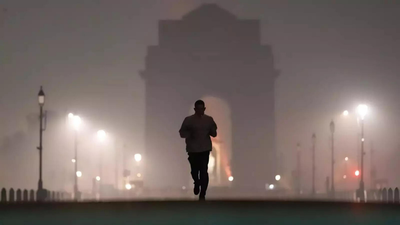
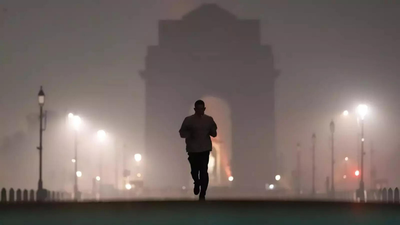
NEW DELHI: As winter makes way for spring and air pollution lifts, Delhi is left with a familiar residue — not just in its lungs, but in its memory of winter routines. From face masks and flu shots to air purifiers, the capital adapted, like every year, once again to weeks of hazardous AQI by quietly reorganising daily life around survival. The smog is almost gone, but the exhaustion of coping with yet another polluted winter lingers. Here’s all about how different age groups coped with the excesses of pollution. For more than two months, Delhi lived under a haze of PM2.5, PM10 and the persistent anxiety of dealing with the effects of such intense pollution. With history offering little reassurance and short-term solutions such as cloud seeding delivering limited relief, residents across age groups settled into a familiar pattern of precautions—minimising outdoor exposure, sealing homes, stocking up on masks and remedies, and tracking air quality. What emerged was not panic, but ‘adaptation fatigue’ – a city learning how to live when clean air feels temporarily out of reach.Shaad Wahab, 53, stays at a locality on the Delhi-Gurgaon border. He moved to the city recently and was concerned about pollution affecting his three-year-old daughter. “One thing I did was to arrange enough alternatives in advance for indoor activities as my daughter couldn’t go outside to play during peak pollution days,” he says. He adds, “I also got pollution meters installed inside and outside my house to get the general reading on pollution levels. Bad air quality is harmful for everyone, but it’s particularly notorious for children as their bodies are still developing.” Wahab’s home underwent ‘pollution checks,’ meaning repair of any opening in windows or doors because “Air purifiers help improve indoor air quality only when doors and windows are tightly shut. For myself, I kept face masks easily accessible and used them as a non- negotiable rule whenever I stepped out of my house.” Clearly, his home gave a tough fight to smog and its allies.
Caution was the word for the elderly
The elderly of the city were divided over how much they should do to manage the bad air menace. Saket resident Saroj Shukla, 64, became more AQI aware to plan her outdoor walks accordingly. She says, “Small adjustments helped me manage winter’s worst pollution weeks. I used air purifiers only at night because keeping home too sanitised can be problematic as we can’t stay at home all day.” Shukla’s friend and walking partner, Ritu Gupta, 56, from the vicinity, was more vigilant due to her health issues. “I have an auto-immune disorder and pollution is not good for my vulnerable body. I did take extra care by washing my hands and face and taking steam after coming back home from my evening walks. Saline-based nasal drops were stocked to manage nose-related irritation and having ‘kadhas’ a few times a week was part of my ‘fight pollution’ routine,” she says in an exhausted tone. Promila Bhagat, 74, braved winter air with air purifiers, snake plants, peace lilies and other plants she believed can help clean up indoor air to an extent. “My home faces Ring Road and the fumes and smog that comes inside my home is hazardous for my ageing lungs. My two sons moved to Goa a couple of years back because of the worsening air quality here, but I couldn’t do that. I am an entrepreneur, and my work and social life is in Delhi,” she reveals.Bhagat does leave Delhi for a month to visit Goa sometime during December or January every year. She explains: “When the air gets too suffocating to breathe and throat starts feeling scratchy and eyes begin to get a burning sensation, I take a break from my life here and go to Goa. It’s a temporary respite but relocating permanently isn’t an option for everyone. It has worked for my sons, but it won’t work for me.” This sentiment is echoed by the young and the old of the city. The elderly and retired have more time on their hands and the flexibility to go to another city. This option doesn’t really exist for office goers and students. Taking a month-long WFH is utopian, which is why precautionary preparation was the buzzword.
Demand for flu shots rose!
Delhi-based senior ENT Dr Nidhi Dhawan had more people inquiring about flu shots in 2025 end and 2026 beginning. “Those with respiratory ailments opted for flu shots. There was this awareness in public that these shots can make a difference,” reveals she. Dr Dhawan clarifies that viruses in cool weather leads to flu and pollution typically isn’t the main culprit. The link, though, is that pollution increases risk of respiratory issues and a flu shot can reduce the span of illness if it happens. This line of thought made Vishal Sharma, a 31-year-old from Dwarka, consider a flu shot, so he didn’t have to mark sick days at work. “Along with researching new air purifier models that capture fine dust particles for my living room, I also got plants like spider plant and peace lilies that can help purify air,” he says. Safdarjung Enclave resident Jhelum Biswas, 45, on the other hand, chose the alternate medicine route to stay healthy. Her to-do list: “I took crabapple and walnut Bach flower remedies and regular steam inhalations because I am prone to colds and coughs that increase in bad air months.” The haze has lifted and now spring is in the air – literally – signalling ‘breathe easy’ days. But the fatigue of constantly adjusting to polluted air lingers across homes and generations. For many, coping has become a season. In this slow normalisation of crisis lies a deeper question – how long can survival replace solutions?“For individuals with asthma or respiratory conditions, poor air quality is not just an environmental issue – it becomes personal, emotionally charged, and in some cases fear-evoking.” – Rachna Khanna Singh, psychologist and founder of a mental health clinic in south Delhi