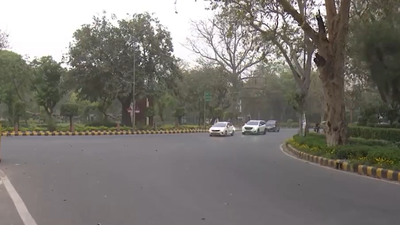







The data for this weather forecast has been sourced from AQI.in, providing residents with comprehensive information to plan their daily activities and weekly schedules accordingly.New Delhi is experiencing patchy rainfall on September 17, 2025, with temperatures expected to range between 29.8°C and 35.3°C, offering relief from recent heat. The city recorded poor air quality yesterday with an AQI of 110, while the week ahead promises a mix of rain and rising temperatures reaching up to 37.3°C.The average temperature today is 32.2°C with moderate humidity at 53%. Wind speeds are gentle at 11.5 km/h, and there’s an 85% chance of rain. Visibility remains good at 10 kilometers, making commuting easier despite the weather conditions.Yesterday’s pollution levels showed concerning readings with PM2.5 at 34 µg/m³ and PM10 at 115 µg/m³. CO levels were elevated at 624 µg/m³, affecting those with respiratory sensitivities. Today’s rain may help improve air quality by dispersing pollutants.The morning weather is pleasant with a cool breeze, though
masks are recommended in traffic-heavy areas due to poor air quality
. The light rain and moderate temperatures make it suitable for indoor activities, with
precautions needed while driving on slippery roads
.Tomorrow, September 18, will see an increased chance of rain at 86% with temperatures between 28.6°C and 35.8°C. September 19 will be warmer with highs of 37°C accompanied by scattered rainfall.Clear skies will return on September 20, bringing sunny conditions and temperatures around 37.3°C. The weekend of September 21 and 22 will remain hot and dry, with peak temperatures of 37.2°C and 37°C respectively.The current air quality shows a slight deterioration from Monday’s AQI of 107 to yesterday’s 110. Today’s rainfall is expected to provide temporary relief from poor air conditions before temperatures rise over the weekend.The weather conditions make it
advisable to carry umbrellas and wear light, breathable clothing
. Evening walks are possible, but
those sensitive to damp conditions should limit outdoor exposure
.The data referenced in this article has been sourced from AQI.in.