





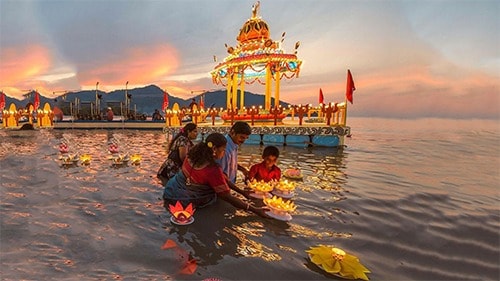
Magha Purnima is considered very sacred in Hinduism. Bathing in holy rivers throughout this month is highly auspicious. Magha Purnima, which is popularly known as Maghi Purnima, is the last and most important day of Magha Mahina.
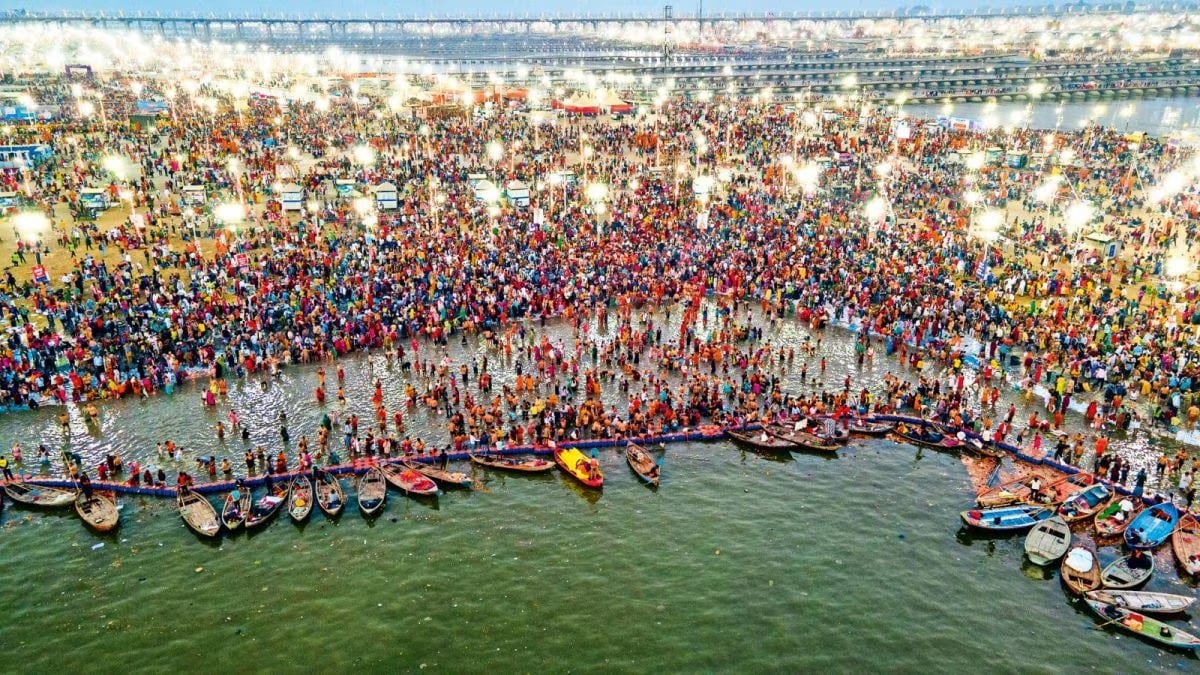
This auspicious day is particularly significant for Kalpvasis (those staying for the full month). Family devotees and pilgrims also perform sacred bathing and donations. The rituals include a holy bath, offering alms, donating a cow, and Homa at Prayagraj, the confluence point of the rivers Ganga, Yamuna, and Saraswati, on Maghi Purnima.
In this article, we have listed down when Magh Purnima is this year, the rituals one must follow, the fasting rule, and things to eat and avoid.

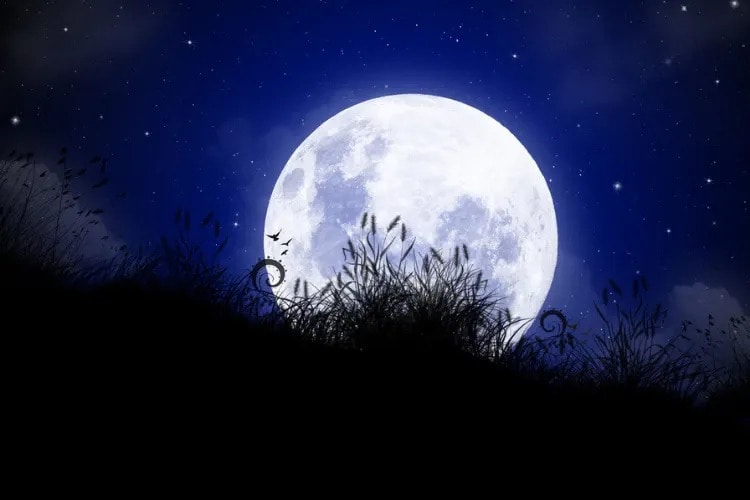
As per Drik Panchang, Magha Purnima will be celebrated on February 1. The tithi will begin at 5:52 AM on February 1 and end at 3:38 AM on February 2. The moonrise time of Magha Purnima will occur at 5:43 PM.
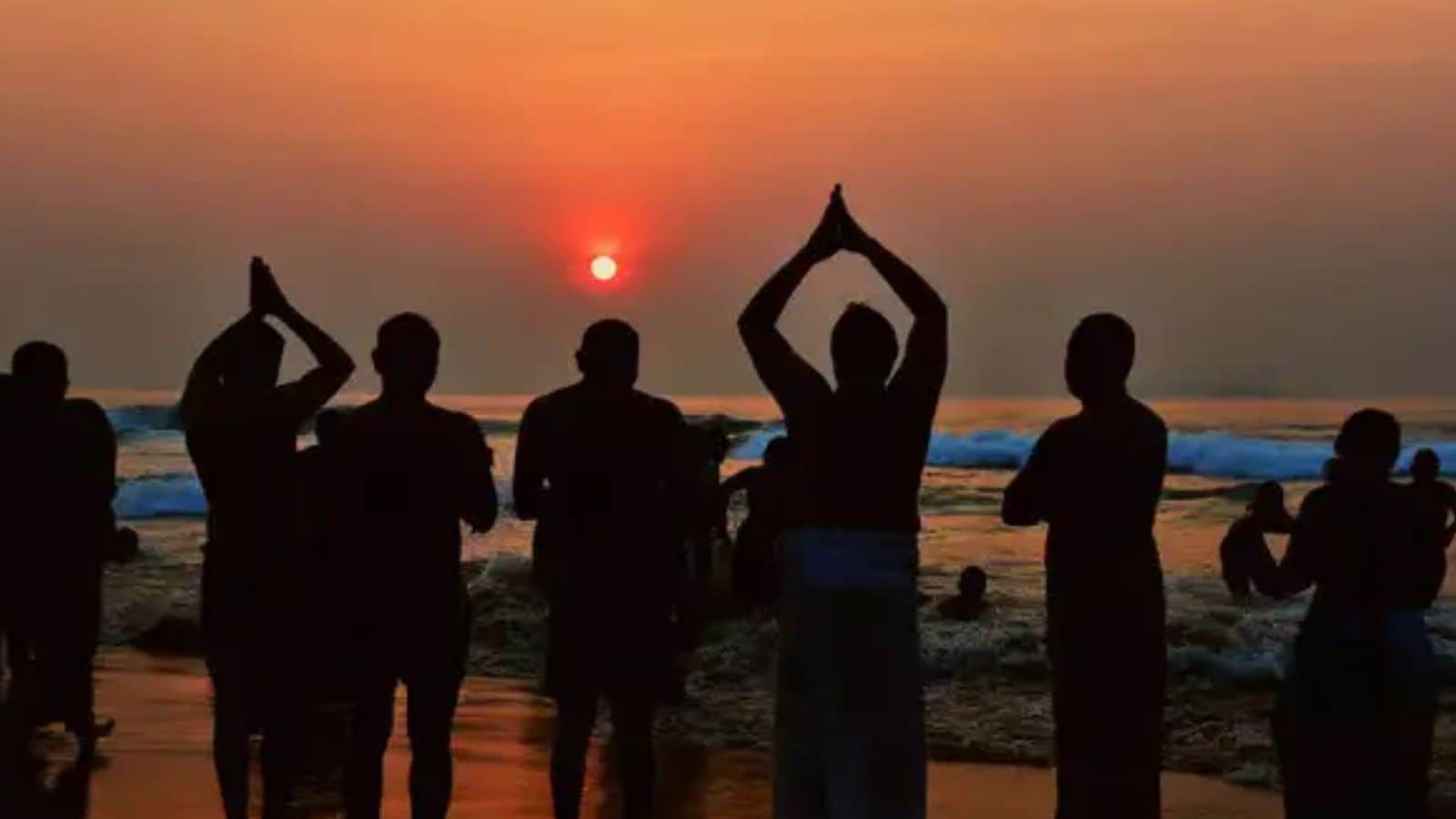
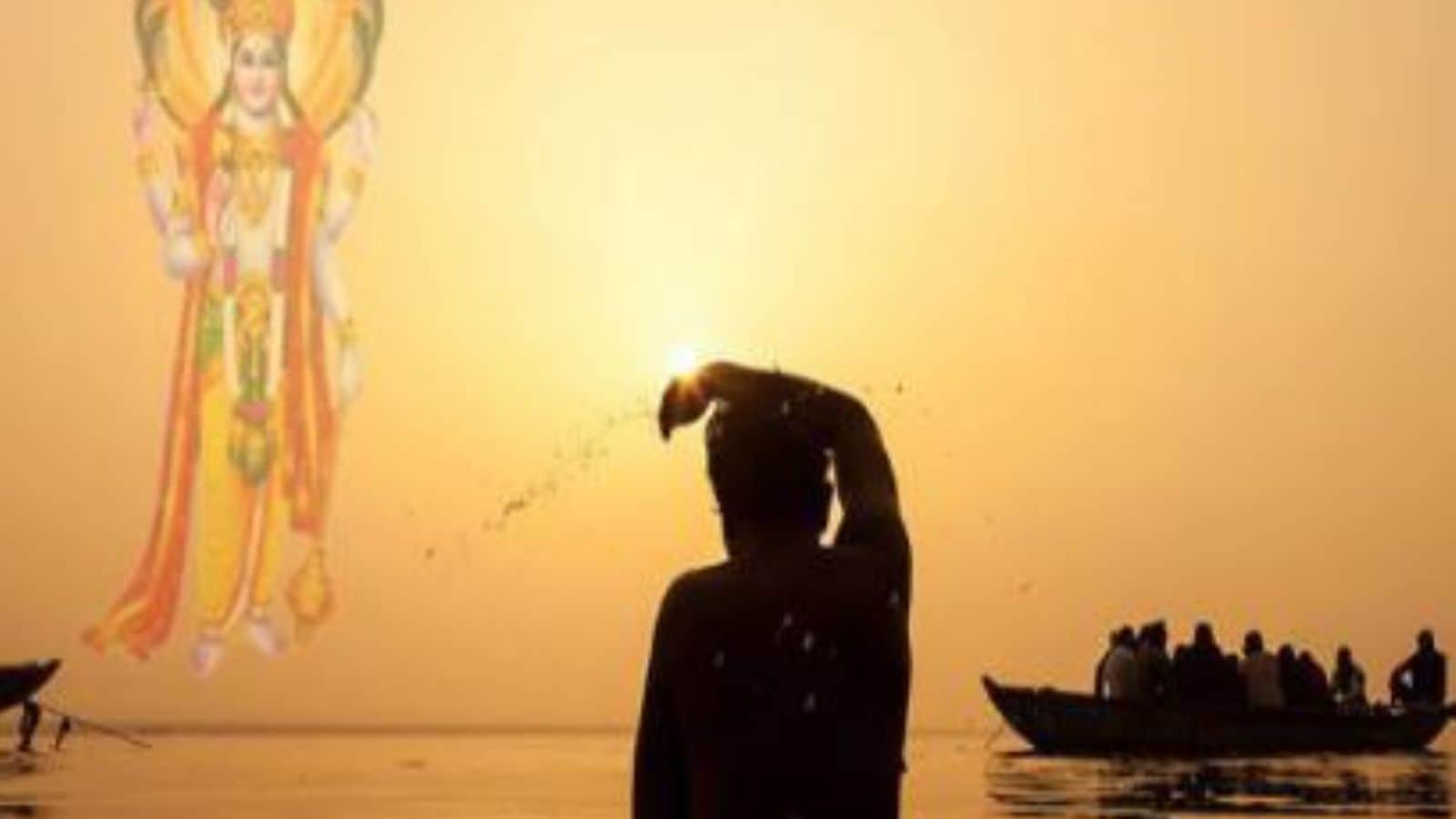
During Magha, people wake up early in the morning and take baths in the Ganga or in the Yamuna throughout the month. The daily bathing, which starts from Paush Purnima, ends on Magha Purnima.
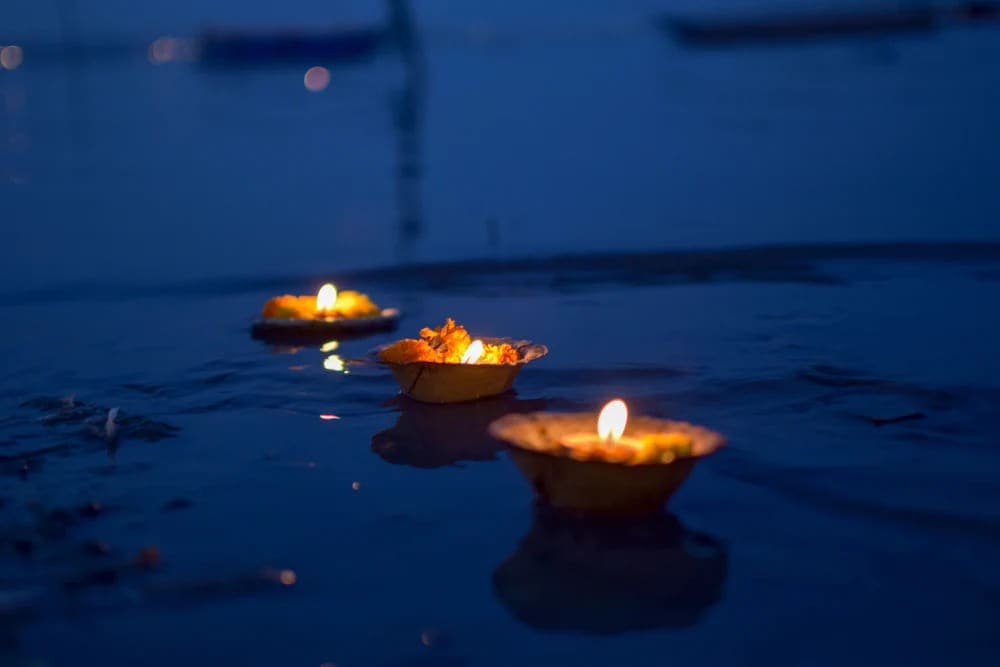
It is believed that all charity work done during this time is fructified easily, hence, people offer essential items, food, or clothes to the needy according to their capacity. It is also the last day of Kalpawas, the one-month austerity camp put up on the bank of the river Ganga at Prayag.
In Hinduism, the Purnima Vrat is considered highly important and is observed on the Purnima Tithi of the Shukla Paksha every month. The fast should begin from the full moon of the months of Margashirsha, Magha, and Vaishakha and be concluded on the Purnima of the Bhadrapada or Pausha month.
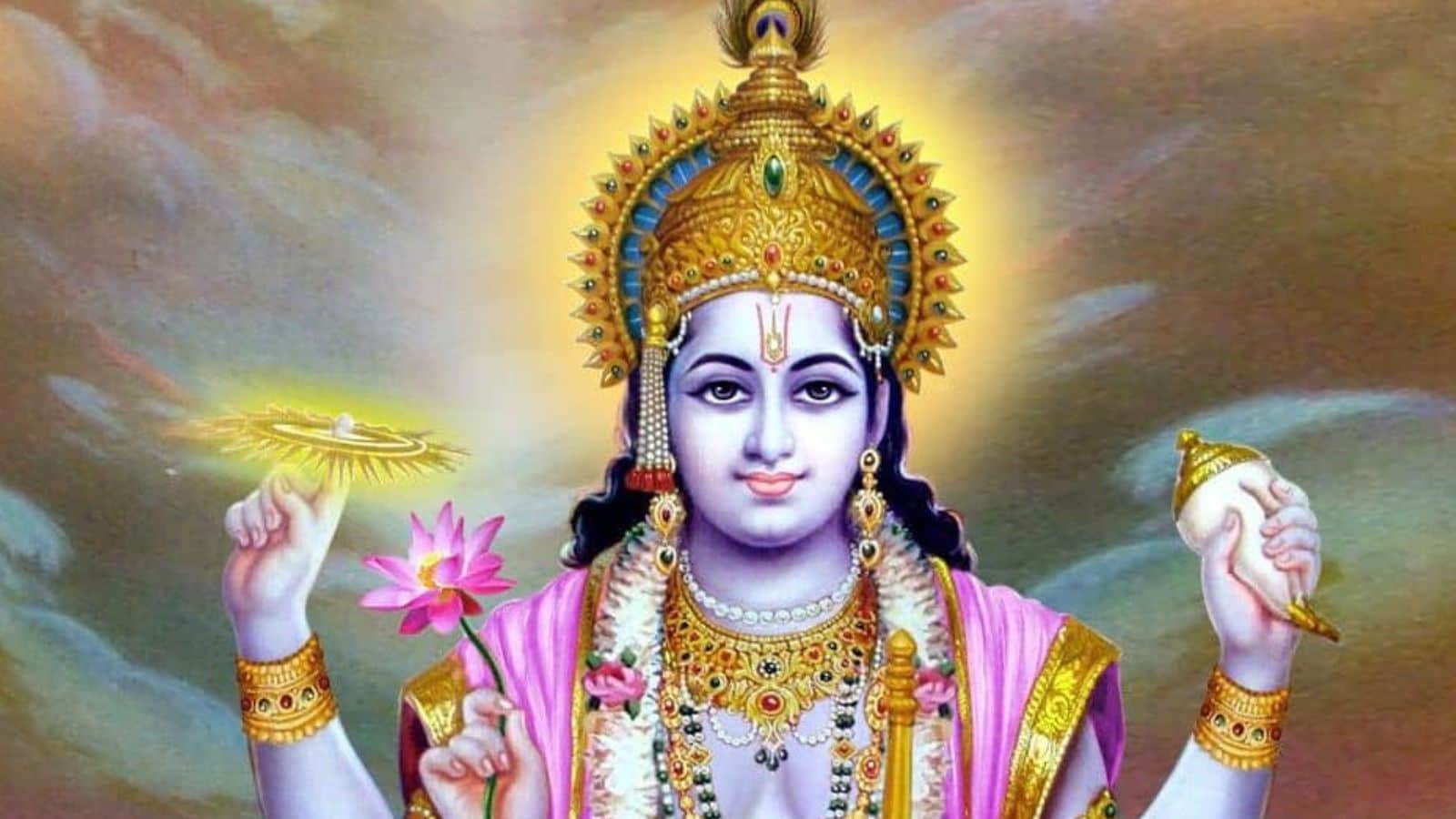
The Purnima Tithi is also considered very significant for worshiping Lord Vishnu. On this day, the Lord Chandra appears in his full form. Worshipping him on this occasion is believed to destroy sins, increase merit, and purify the mind. Scriptures such as the Skanda Purana, Padma Purana, Narada Purana, Bhavishya Purana, and the Mahabharata mention the observance of this fast.
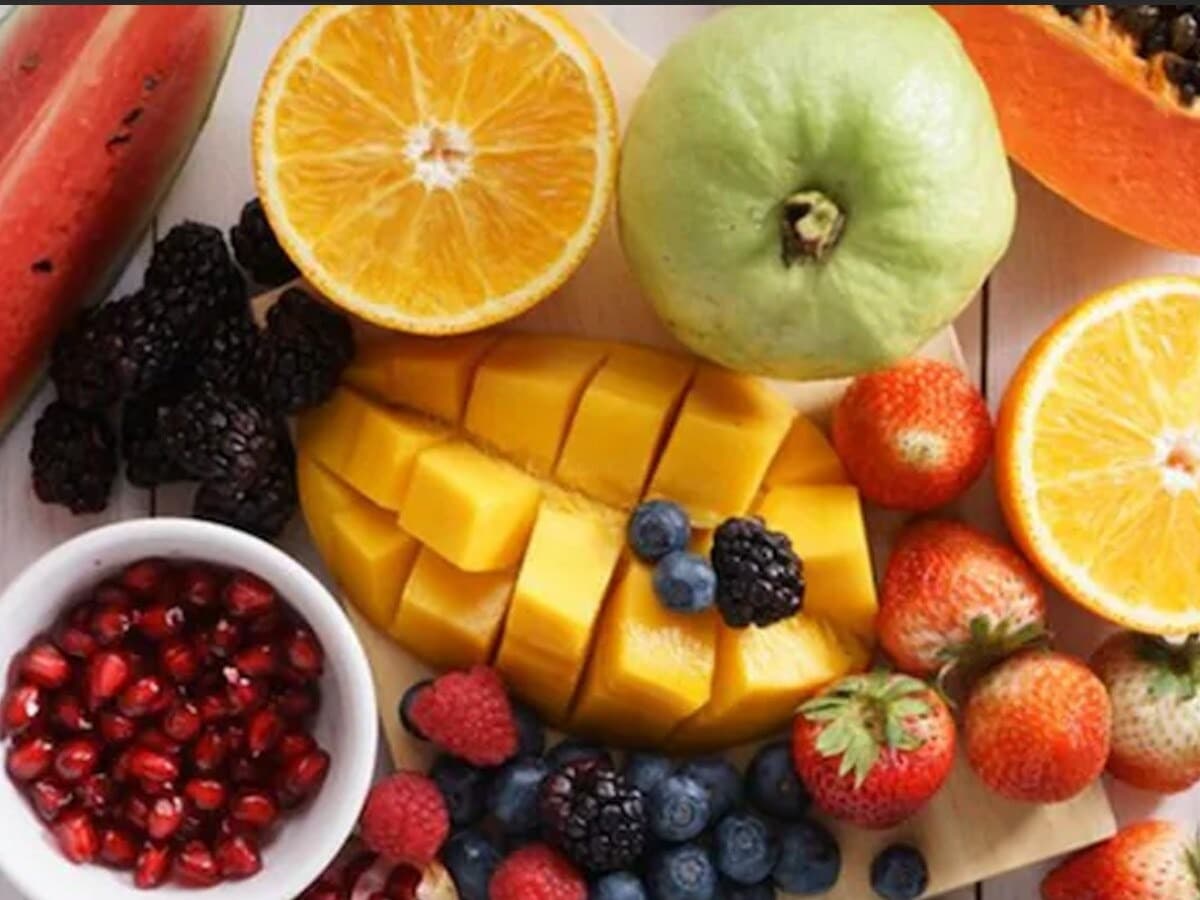
Observing this fast is believed to bring all forms of happiness, good fortune, and progeny. On this day, people refrain from grains, spicy and non-vegetarian food, and consume water, fruits, and food made with milk. Many people observe a water-only fast.
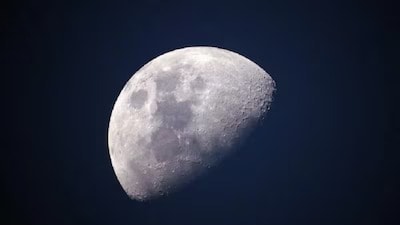
After the day-long fast, devotees offer Arghya to Lord Chandra (Moon). They then donate food, clothes, ghee, sesame, rice, etc., to a Brahmin with a Dakshina, as per their capacity. Following this, the devotee should break the fast by consuming fruits, etc.