




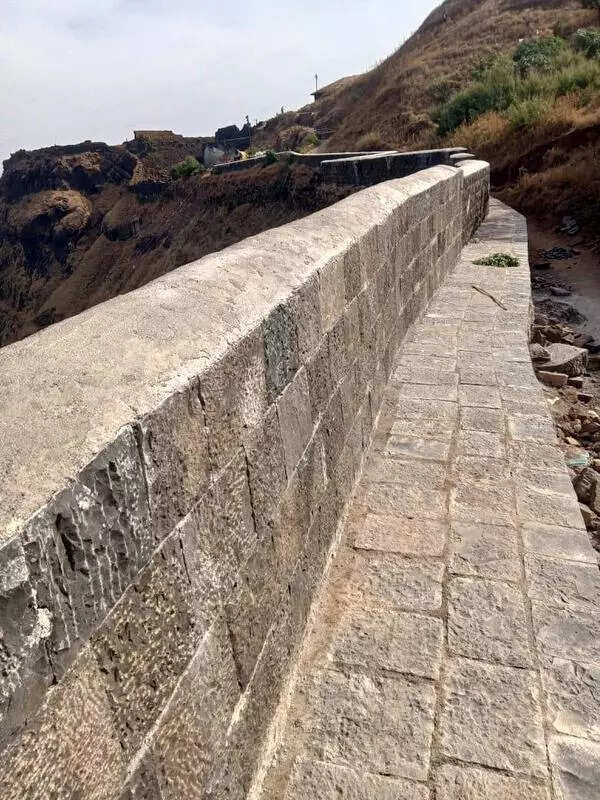
Pune: Rising concerns over tourist safety atRajgadFort, one of Maharashtra’s most iconic historical monuments, have prompted a demand for the immediate deployment of emergency medical facilities and trained rescue teams at the site.Bhor–Rajgad–MulshiMLA ShankarMandekarhas urged the Pune district administration toestablisha permanent emergency healthcare mechanism and rescue infrastructure at the fort, citing recent tragic incidents involving tourists.Mandekarhassubmitteda written memorandum to Punezillaparishadchiefexecutiveofficer Gajanan Patil, seeking urgent intervention.Rajgad, the historic capital of Chhatrapati Shivaji Maharaj, haswitnesseda sharp increase in tourist footfall in recent years, particularly after its inclusion in the list ofUnescogloballyrecognisedheritage sites.However, the surge in visitors has not been matched by the availability of basic medical facilities or emergency response systems, said locals and MLA.The issue gained urgency after two touristsreportedly diedof cardiac arrest atRajgadover the past three weeks, raisingserious questionsabout preparedness to handle medical emergencies at high-altitude heritage sites.The remote terrain, steepclimbsand limited accessibility significantly delay medicalassistanceduring emergencies.“There is a glaring lack of primary healthcare facilities, emergency medical response systems and immediate rescue pathways atRajgad,” saidMandekar”With thousands of tourists visiting the fort, especially during weekends and monsoon months, this gap poses a serious risk to lives.”Tourism experts andlocal residentscalled for the installation of a dedicated emergency medical unit at the fort, along with the deployment of trained rescue personnel equipped to handle accidents, medicalemergenciesand evacuation operations. The proposal also includes posting healthcare staff, policepersonneland a disaster response unit on a permanent basis.They said that the need to provide ambulances, communication systems and advanced life-saving equipment, including modern rescue and evacuation tools,toensure rapid response during critical situations.ZP CEO Patildidn’trespond to phone calls.The ZP officials acknowledged that the rugged geography ofRajgadmakes emergency response particularly challenging. In the absence of on-site medical facilities, victims oftenhave tobe carried down manually for several hours before reaching the nearest hospital.Tourism experts andlocal residentshave echoed the demand, pointing out that similar heritage and trekking destinations across the country have implemented structured safety and medical response systems.