



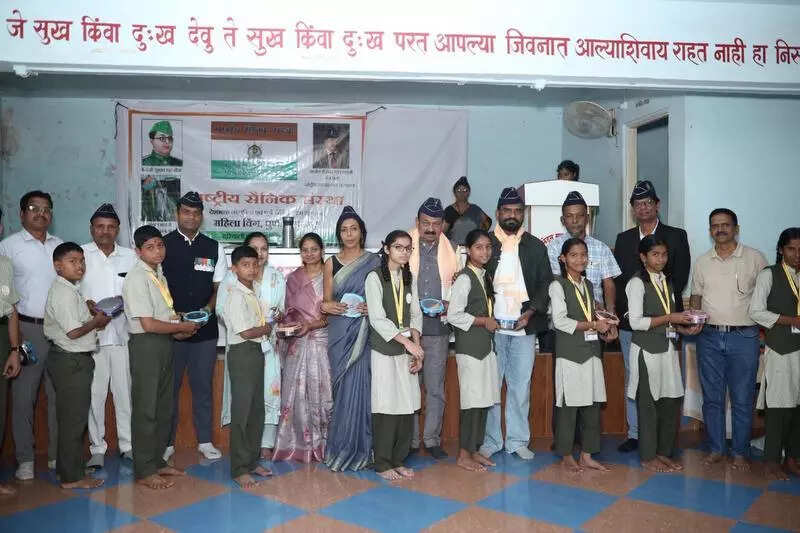
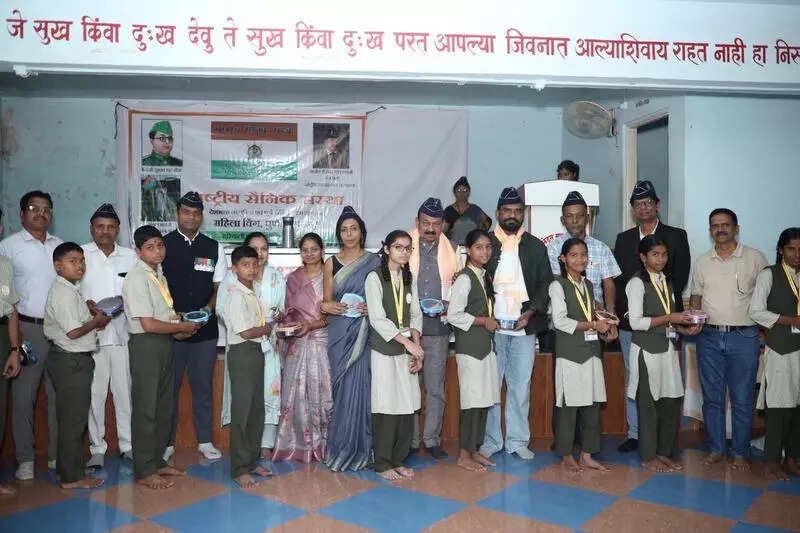
Pune: When farmer Amrita Bharati entered the zilla parishad school in her village, Karanjgaon, last Sept, she was shocked by what she saw: children eating directly from thin plastic bags and then discarding them on the ground. Concerned about the health and environmental risks of carrying food in plastic, she visited two other schools in her village and observed the same widespread practice.“It upset me to see children having food from plastic bags,” Bharati recounted. “When hot food touches plastic, harmful chemicals leach into it, affecting their bodies and contaminating the soil when thrown away. We grow food from this same soil, and it made me feel we were poisoning our own fields.” Bharati, who left her corporate career 20 years ago and spent several years abroad, eventually settled in Pune. In 2021, she embraced full-time organic farming in Karanjgaon, in Pune district’s Mawal taluka, cultivating seasonal crops like Indrayani rice during the kharif season, followed by winter crops such as wheat and sweet corn.This deep connection to the soil ignited her “tiffin revolution”. Determined to combat plastic use, she raised funds from friends, family, and acquaintances to purchase steel tiffin boxes for students. Nearly 200 children across three schools in Karanjgaon, Kamshet, and Maval have received tiffin boxes to date, participated in awareness sessions, and pledged to protect the environment from plastic waste.The initiative extended beyond just reducing plastic. Bharati also focused on improving the nutritional content of meals. Collaborating with fitness expert Sujit Thorat, she organised workshops for parents on preparing healthier children’s meals. “Eating roti sabji daily often doesn’t provide adequate protein,” said Thorat. “The sessions guided parents on incorporating protein into children’s meals, dispelling the myth that it only comes from paneer or meat. We showed them plenty of affordable and convenient sources readily available in their own kitchens to tweak recipes and boost protein in their diets.”Bharati added, “Most of the time, parents would pack aloo sabji and roti. I gave them practical tips, such as using leftover dal to knead the atta for parathas.”Parents are now actively implementing the lessons learned. Rupali Adhav, whose daughter attends one of the schools, said, “Earlier, we were giving food in plastic wrappers because we didn’t know the harmful effects of putting food directly in polythene bags. It was in the session that all this was explained to us. Now, we are very happy to pack tiffins in steel boxes for our kids.” Midday meals in zilla parishad schools are frequently of substandard quality. Often, students miss such meals due to inconsistent supply from centralised kitchens. Consequently, parents who can afford to generally pack lunches for their children to ensure they don’t go hungry. Another parent, Kavita Tambore, noted the broader impact: “The sessions also educated us about wet and dry waste. Now, we put all wet waste in our fields to make fertilizers. We also got to know about balanced food for kids, and we are trying to give them protein-rich food in the morning for their tiffin.”