



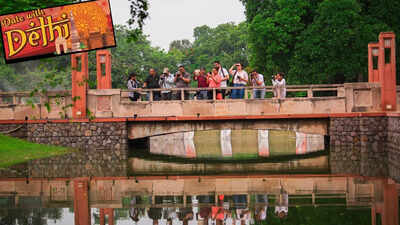
What began as weekend heritage strolls has grown into something far richer, they are curated worlds within the city, each walk offering a different lens to know the Delhi — flavour, art, memory, ecology. It is about discovering the city with an intention.Walking reveals the lived character of a city, its textures, sounds, stories and everyday traditions that cannot be experienced while you are on a vehicle,” says Sachn Bansal, chief explorer & founder of Delhi Walks. It is the same idea that shaped the concept of curated walks – discovering the city with an intention. What began as simple weekend heritage strolls evolved into an immersive exploration of the city, with each walk offering a different lens through which to experience Delhi – its flavours, art, memories and ecology. Delhi does not walk for monuments alone. From art crawls in Def Col to forays in city forests, Delhiites experience the city, its history and present through different lenses. It has evolved into an ecosystem of experiences – heritage trails, food exploration, art crawls, themed walks and even nature immersions.Capturing a city in transitionThe easiest way to document the city is through photographs. Photographer Virendra Shekhawat, who started leading heritage photo walks in 2009 by forming the Delhi Photography Club, says, “Photography is not just about capturing an image; it’s about capturing the essence of a place. Through photo walks, you’re on a continuous journey of self-exploration, often visiting parts of the city you might otherwise hesitate to explore alone. ”For many Delhi-based photographers, including K Siddharth, the impulse to capture the city goes beyond aesthetics. It is about archiving a city in flux. A regular at heritage and food walks, he sees his camera as a tool of preservation. “I try to capture some essence of Delhi’s stories that are present in each physical location,” he says.He is quick to add that photography is inherently subjective. “I don’t claim to do justice to the place or to the people when I click photos,” he says. “But each picture is a reminder of the collective experience, something that is being eroded away. I wish to document this experience before it fades.”
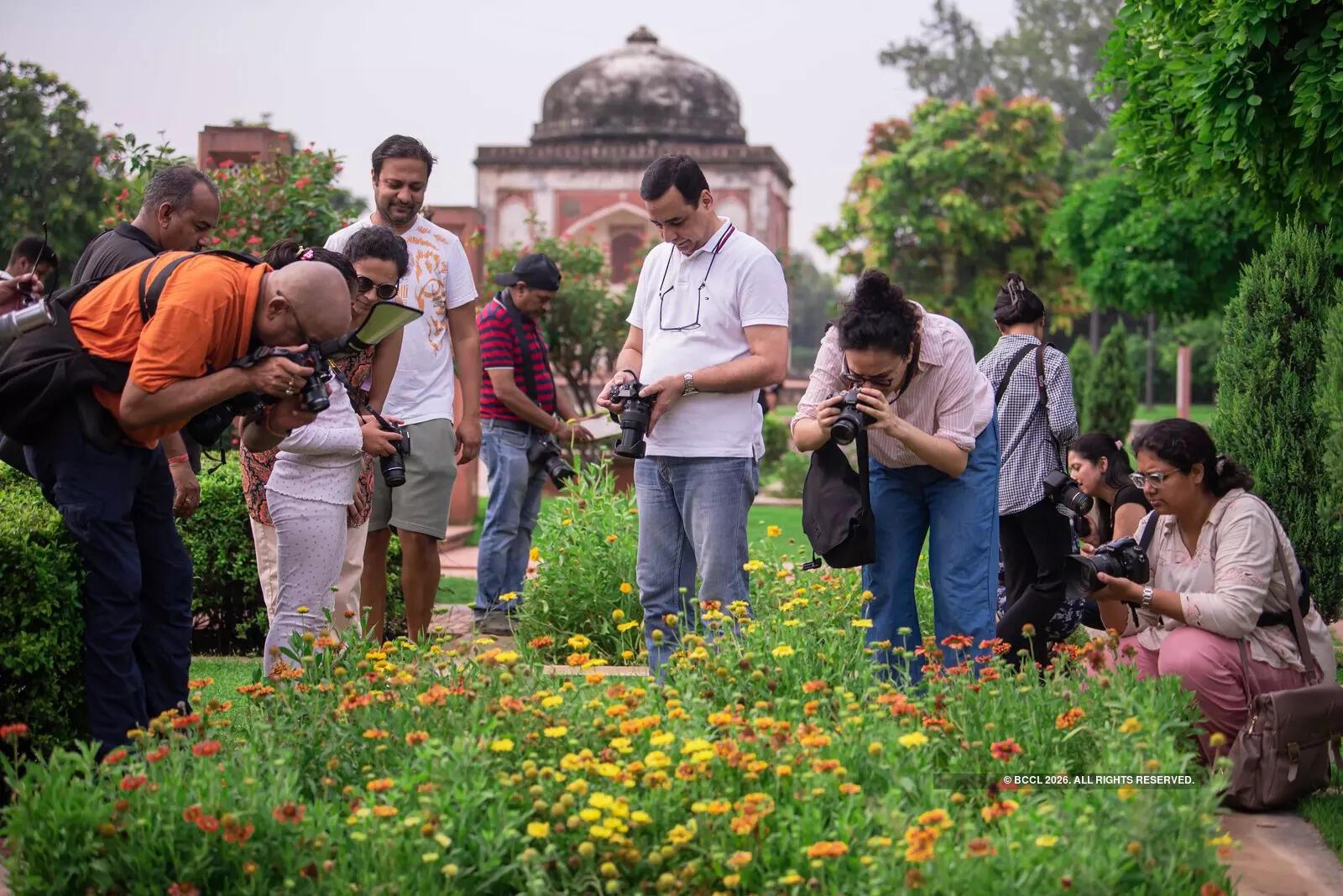
Documenting the city in pixels
People want to know real stories, have a visceral experience, and, for that, performative and narrative-led walks are being curated
Nitika Arora of Darwesh Taleweavers
Immersed in history and heritageHeritage walks in Delhi are no longer just guided strolls past monuments. The focus is on slowing down and engaging with the city as a lived, layered experience. “People don’t realise that heritage could be an interesting experience – an immersive, intentional and a tactile way to know history and culture,” says Anoushka Jain, who leads conceptual heritage walks across the city. Her trails range from themed Old Delhi explorations such as Badass Begums, which focuses on women-built architecture, and Ittarwallahs of Delhi, centred on the craft of perfume-making, to Raat Ke Afsane, a night walk around the Qutub complex.
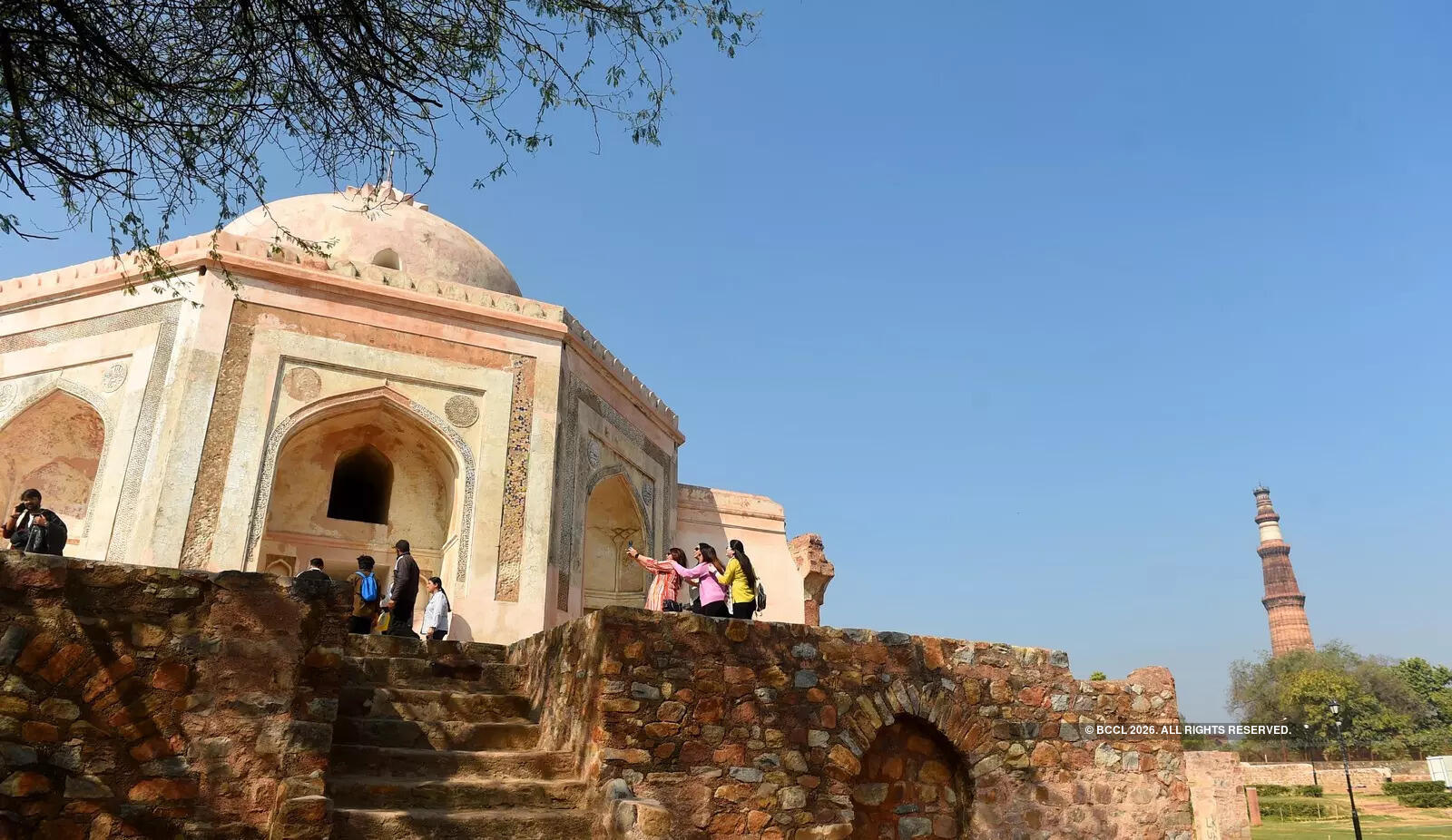
Heritage walks in Delhi are no longer just guided strolls past monuments. The focus is on slowing down and engaging with the city as a lived, layered experience.
India City Walks, helmed by Nidhi Bansal, curates research-led experiences. “With concept-led experiences like Ishq-e-Ghalib or Patangbaazi during Independence Day, the aim is to go beyond viewing heritage as static monuments and instead create spaces where participants can engage with culture as a lived, shared experience,” she says.Emphasising on the value that narrative-led walks bring, Nitika Arora of Darwesh Taleweavers, shares, “Walks like the Daughters of Shah Jahan, which delves into the relationship between the emperor’s daughters Roshanara and Jahanara after he was imprisoned in Agra Fort, ends with a dramatic reading of some of the excerpts.” Beyond this, she curates a range of themed walks — from tracing the memory of old single-screen cinema halls that have since shut down, to exploring Delhi’s queer history through a visit to Hijron Ka Khanqah in Mehrauli Village, and Dilli Ko Dekhna, which revisits the city through the lens of the 1947 Partition at Purana Qila.
Food is one of the most immediate ways to understand culture. A plate of chaat or a cup of chai carries traditions, trade influences and social rituals passed through generations
Sachn Bansal, chief explorer & founder of Delhi Walks
The zaika of the city Ramit Mitra’s pre-pujo walk at CR Park starts with a hot cup of lebu cha and some fish chops. During his iftar walk, participants savour shahi tukda and keema samosa. Talking about food-centred walks, the DelhiByFoot founder says, “Food has an emotional connect. It helps people bond over shared histories, and reminds us that at the core, we are all simply humans who love to enjoy a plate of nicely-prepared, authentic food.”
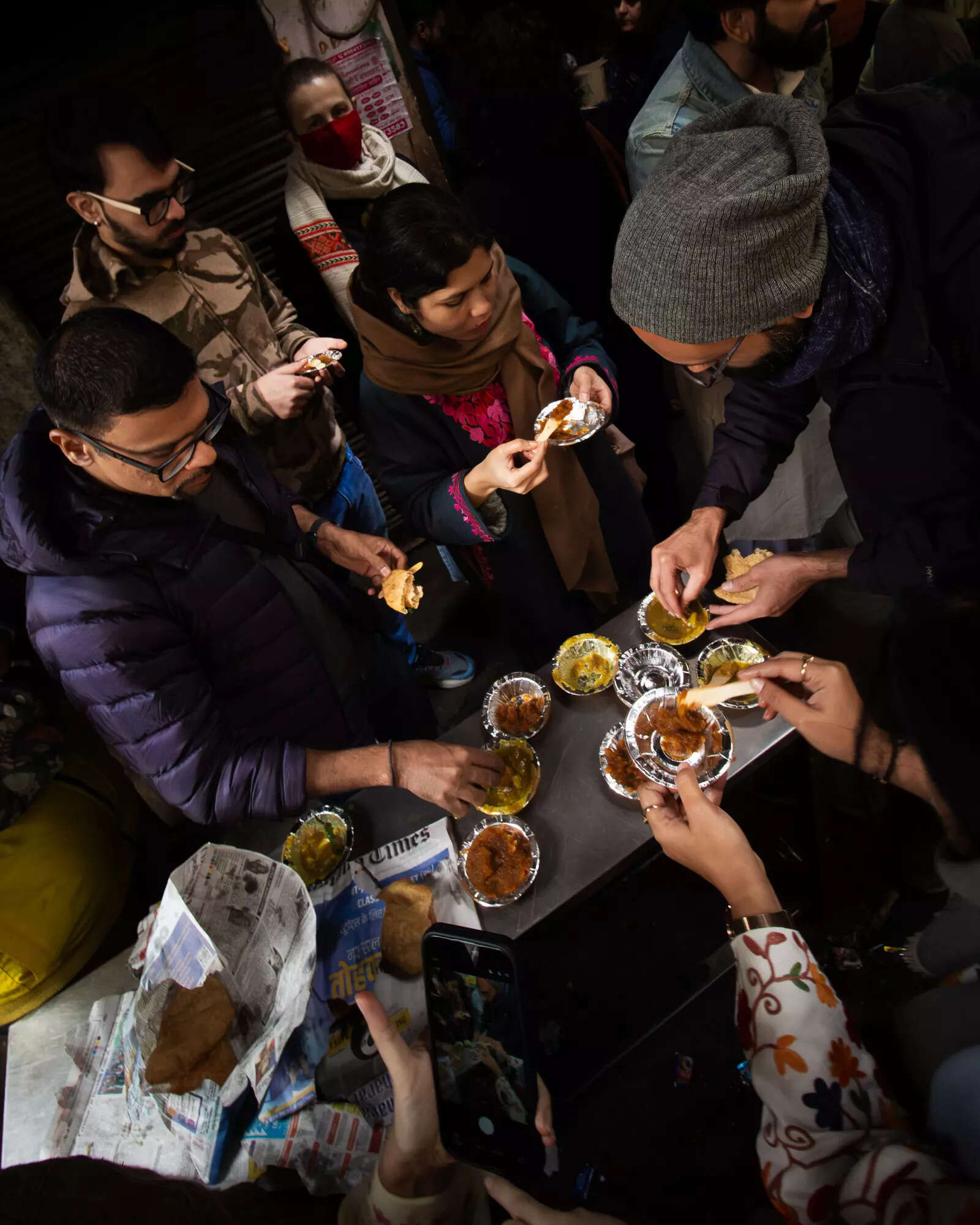
Food has an emotional connect. It helps people bond over shared histories: Ramit Mitra (pic: @sid_s_clicks)
Anubhav Sapra, founder of Delhi Food Walks, who scouts for the best food in Delhi’s neighbourhoods, says, “The idea is to trace the relationship of different communities with the city through their food. During Ramzan, we curate walks not only in Urdu Bazaar but in Daryaganj and Jamia Nagar as well. In Majnu Ka Tila, Tibetan food becomes an entry point into stories of exile. In the relatively newer neighbourhoods like Humayunpur, we explore food of the northeast. In Chandni Chowk, we talk about the Kayastha community’s food while eating kuliya chaat or discuss the recipes of Baniya community’s food while having bedmi puri… So food walks become an overlap of heritage and the current foodscape.”When art tells the city’s storyArt-led walks have grown popular in Defence Colony, Lado Sarai, Okhla and the Lodhi Art District, where murals become entry points for conversations on public art and urban identity. From the halls of Bikaner House and the National Gallery of Modern Art to clusters of galleries and open-air murals, the capital offers multiple entry points into art. In many ways, the city speaks art as a second language.
These walks also reposition ownership. When a mural is explained in relation to its neighbourhood, residents, architecture and political or ecological context, visitors begin to see the area as layered rather than anonymous
Anoushka Rabha, a communications professional in the arts space
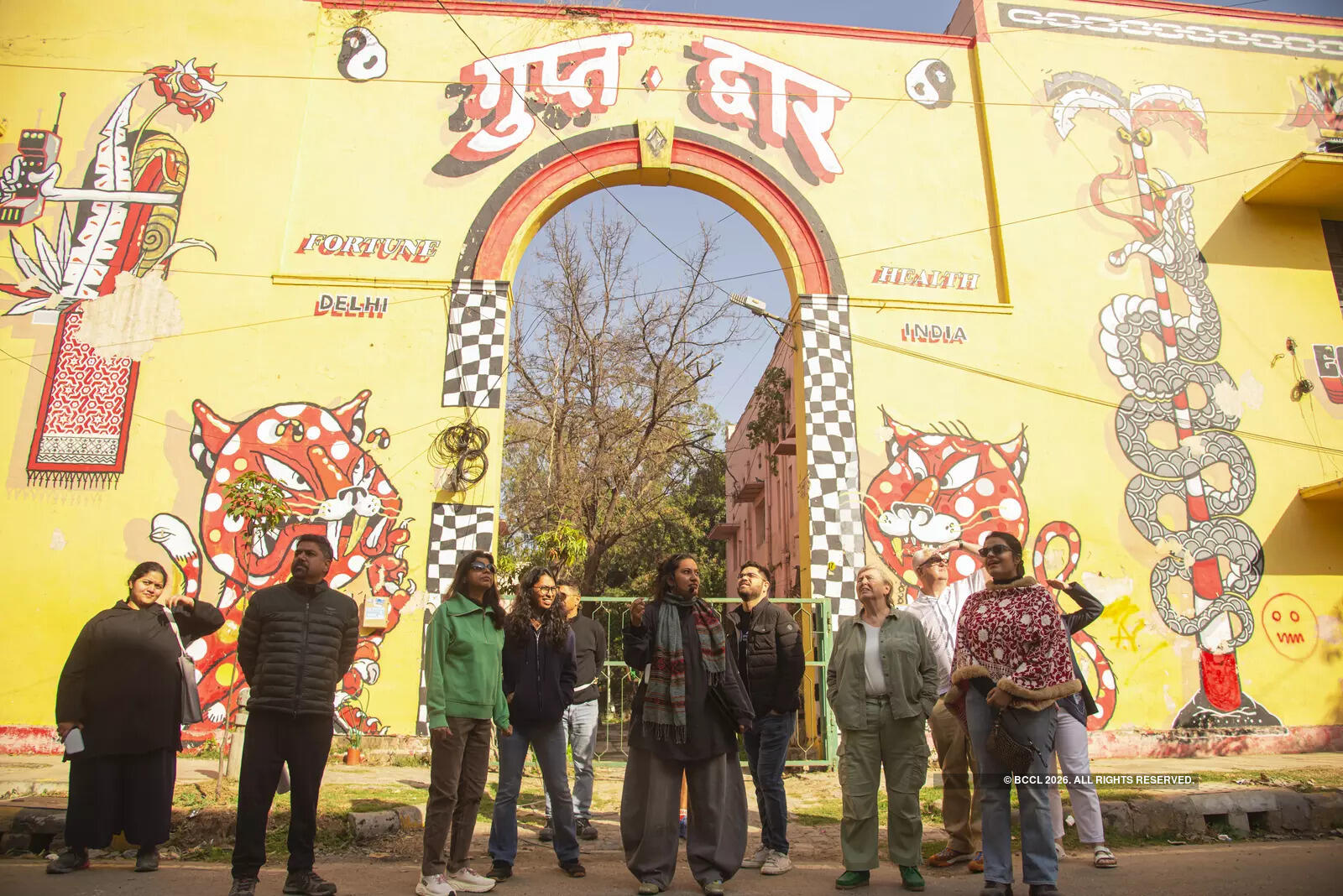
In Delhi, where scale and speed often dominate experience, an art walk introduces a different tempo: Anoushka Rabha
“Art walk allows one to experience a neighbourhood not just as infrastructure, but as a living cultural organism,” share Def Col Galleries Association founding members Arjun Bhutani and Arjun Sawhney. Addressing how art crawls have become a popular segment of the walks, they add, “Defence Colony became home to 11 contemporary spaces, including Vadehra Art Gallery, Photoink and Galerie Mirchandani + Steinruecke, among others. But it lacked cohesion. With Def Col Art Night – one evening each month when all 11 galleries remain open, with at least three or four new exhibitions opening simultaneously – it has gained the energy of a gallery hop, almost like a pub crawl, where visitors move freely from one space to another. What is most gratifying is how it brings together varied sections of society. Collectors, art students, neighbourhood residents and seasoned aficionados all find themselves in conversation.”
Art crawls allow art lovers to enter beautiful old buildings – from havelis to heritage spots – that most of us have seen but never bothered to know
Vanshika Jain, an artist
‘Nature walks explore Delhi’s living heritage’ In the green pockets, tucked behind traffic snarls and busy markets, Delhi feels less like a metropolis, more breathable and alive. Verhaen Khanna, founder, New Delhi Nature Society, shares that most people experience Delhi through its commercial pulse, the malls, multiplexes, bowling alleys, and weekend brunches at cafes. “There is another Delhi that waits quietly in its green pockets – the ridge forests, the riverine wetlands, the hidden groves and rocky outcrops that have been part of this landscape for centuries. These are not just green zones, they are the city’s living heritage, and they offer a completely different kind of a date with Delhi,” he says.
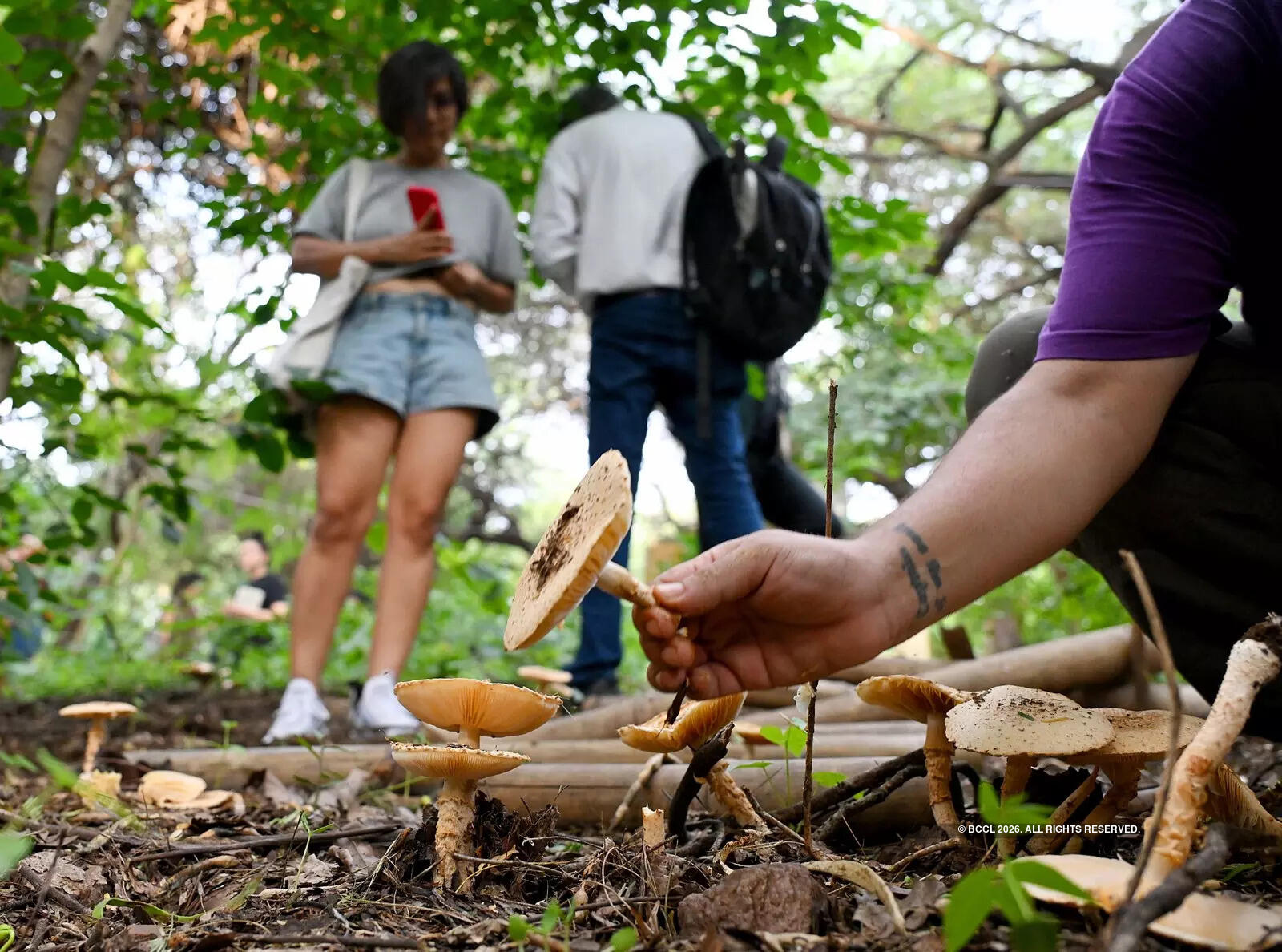
In the green pockets, tucked behind traffic snarls and busy markets, Delhi feels less like a metropolis, more breathable and alive
At a time when Delhi’s green cover is under constant pressure, the most effective conservation tool we have is genuine connection
Verhaen Khanna, founder, New Delhi Nature Society
On nature walks, you learn the stories hidden in the bark of a centuries-old banyan, recognise the call of a purple sunbird, watch a plain tiger butterfly drift between wildflowers, and feel the surprising coolness of a forest floor even in the middle of May. “These are not structured lectures; they are shared discoveries. At a time when Delhi’s green cover is under constant pressure, the most effective conservation tool we have is genuine connection. So, we guide these walks, not just to show trees and birds, but to help people fall in love with the living city they already live in. These nature walks are the most refreshing dates you can have with this city, one that needs no reservation, no ticket, and no screen, only your senses and a willingness to look up,” Khanna adds.Delhi through its museumsSummer is perhaps the best time to rediscover the capital’s museums, where air-conditioned halls hold centuries of art, craft and conflict. From the vast collections at the National Museum and the tactile histories of the National Crafts Museum to the modern masters at the National Gallery of Modern Art, these are not just quiet buildings but repositories of who we have been. Even the familiar red sandstone of the Red Fort Archaeological Museum and the layered remains at the Purana Qila Museum reveal deeper narratives when explored more thoughtfully.Beyond the expected, stories unfold in the city’s offbeat spaces — the portraits inside the Rashtrapati Bhavan Museum tracing colonial power, the exhibits at the Sulabh International Museum of Toilets mapping sewage systems from Mughal to British Delhi, the nostalgia-laden galleries of the Shankar’s International Dolls Museum near ITO, and the deeply moving archives at the Partition Museum housed in Dara Shukoh’s restored library.
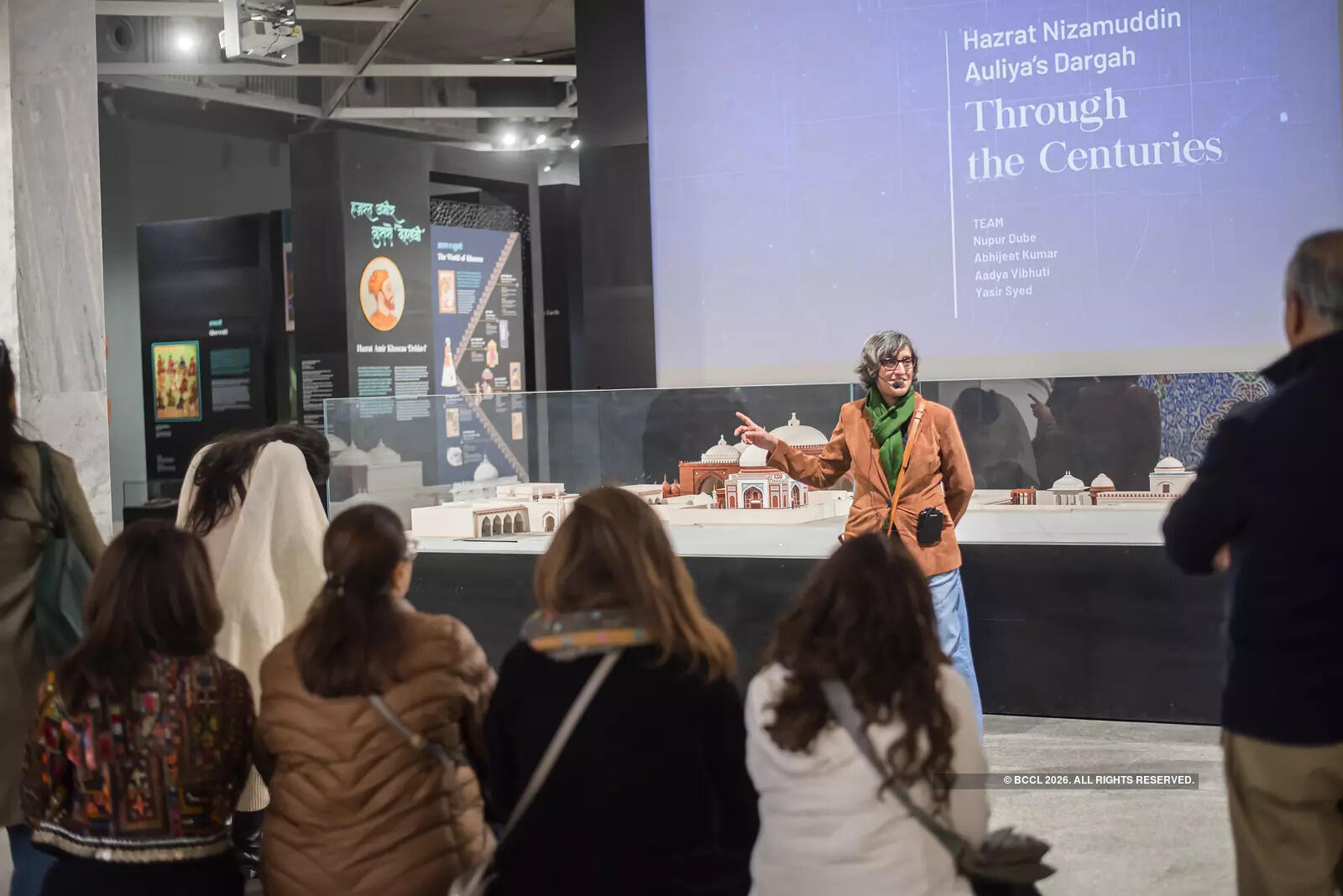
Summer is perhaps the best time to rediscover the capital’s museums