





The book cover
| Photo Credit: Special Arrangement
Priya Purushothamam’s latest book is a slim yet engaging collection of vignettes on eight living musicians who have shaped her artistic journey. At 270 pages, it is a brisk read — accessible to newcomers to Indian classical music and rewarding for connoisseurs alike. Though released last year, any book on music is a welcome addition, especially since so few are written on the art.
Priya’s choice of artistes is eclectic — from the U.S.-based sarod exponent Alam Khan to the Mumbai-based senior vocalist, Shubhada Paradkar. It also includes acclaimed musicians such as Yogesh Samsi (tabla artiste from the Punjab gharana) and violinist Kala Ramnath to the lesser-known like Rumi Harish and Suhail Yusuf Khan. Says Priya, “I chose to include a spectrum of artistes… what a young artiste may lack in experience, they may compensate for in freshness of perspective. Wisdom is not a function of time but of depth of experience and capacity for reflection.”
Each essay follows the same format — an introduction of the musician, their journey, and moving on to a more personal perspective. Alam Khan, the inheritor of a great legacy was brought up in the US, influenced by many musical streams. For him tradition can be a handicap. “I feel it doesn’t give me enough creative freedom. But, I love Indian classical music. My guiding light. I takes you through the experience and then resolves itself,” he shares.
The chapter on Shubhada focusses on the challenges faced by a homemaker and a singer, which Priya found inspirational.
Two elaborate chapters are dedicated to Priya’s guru, Sudhindra Bhaumik, where he discusses the challenges he faced. The crux of his story is that not all singers get to be performers, but what matters is the journey of music and how it can transform the true lover of music.
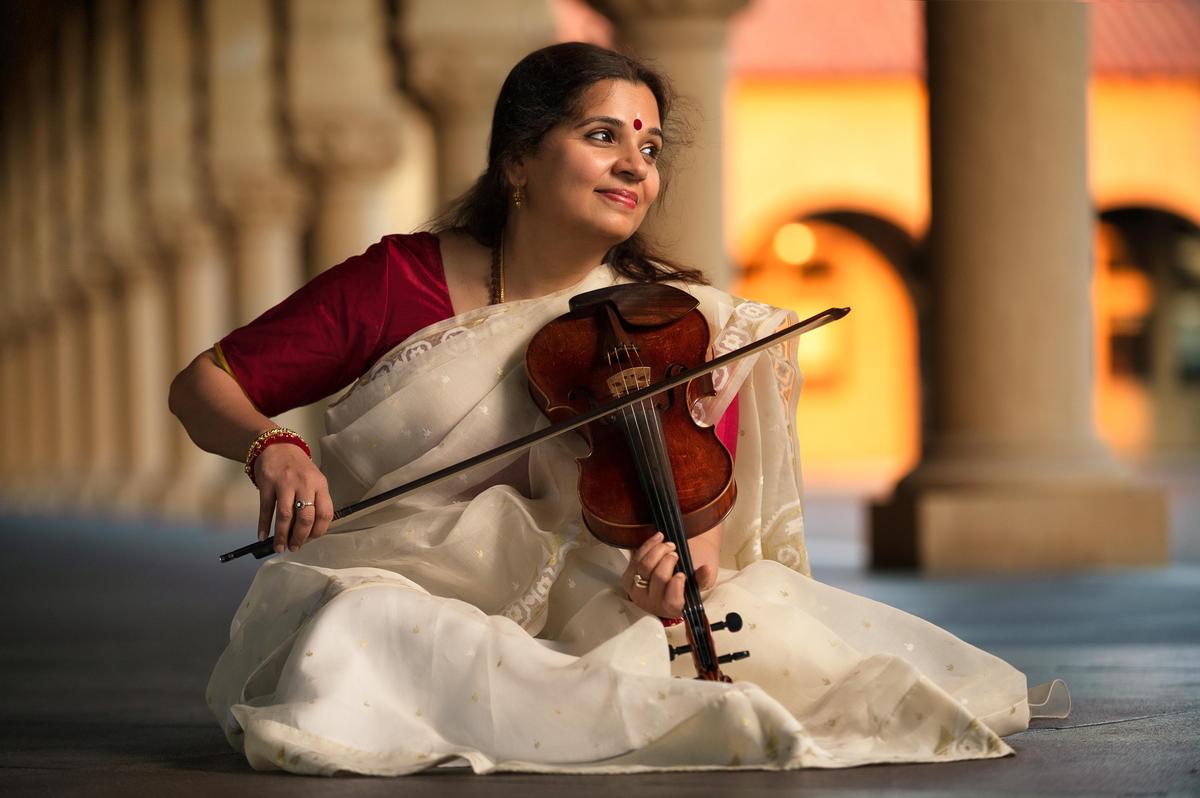
Kala Ramnath is presented through a feminist lens.
| Photo Credit:
Special Arrangement
Violinist Kala Ramnath is presented through a feminist lens — touching upon topics such as gender discrimination and even regional discrimination (she is a South Indian playing the North Indian style). She boldly states that senior musicians “are not promoting the next generation,” adding: “you become a big name in your country only when the West recognises you.”
Trans-man and vocalist, Rumi Harish, trained in the Agra gharana, talks about lost opportunities after his gender transformation. What sustained him through his difficult journey were the words of his first guru Ramarao — “You should be able to sing anything anywhere at any point of time. It’s easy to sing for people with full stomachs (well-informed). Sing for those who are yearning to know.” As concert opportunities were few, he turned to music composition for theatre. He also says: “I don’t see any difference between activism and music. My musical choices are not patriarchal or bhakti-based. That’s why I feel singing has to be political.”
Suhail Sabri Khan’s story is linked with the sarangi, He belongs to a hereditary family of musicians. Interestingly, much of his music is imbibed through the women in his family. Though not formally trained, they were repositories of knowledge, knowing hundreds of ‘marsiyas’ (laments sung in memory of the Prophet’s grandson Husain ibn Ali) set to ragas. Realising the limitations of being an accompanist, Suhail, based in the U.S., ventured into collaborative music and scholarship.
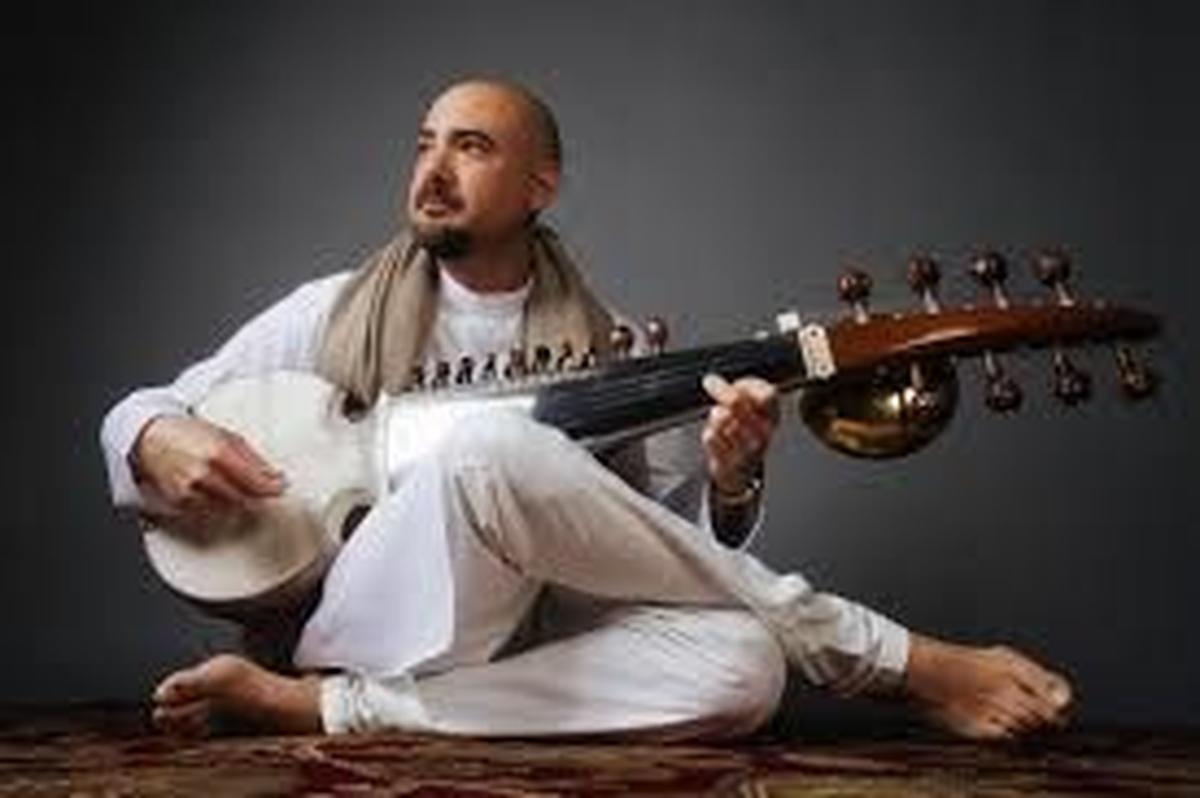
Sarodist Alam Khan
| Photo Credit:
Special Arrangement
The essay on Shubha Joshi — thumri and ghazal singer based in Mumbai — again highlights the difficult journey of a non-gharanedar musician in acquiring and processing musical knowledge. Learning from Ustad Taj Ahmed Khan (ghazal composer) often meant waiting for more then two hours to learn.
The last essay is about the Mumbai-based Punjab gharana tabla exponent Yogesh Samsi. He is the author’s guru. Yogesh’s journey with Ustad Alla Rakha is well-known. What is not known much is his recent training under Sushil Jain from Punjab. Though not a performer, Sushil is a repository of information of much of what was lost in the tabla baaj of the Punjab gharana, which only a masterly practitioner such as Yogesh could decipher and imbibe.
Beyond narrating the lives of these musicians, The Call of Music highlights what makes each story unique, and that is what sets the book apart.
Published – March 12, 2026 05:05 pm IST
