





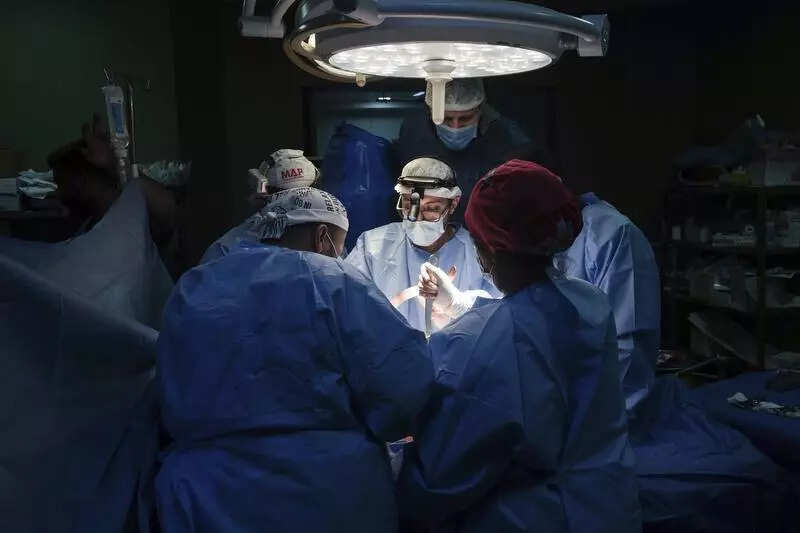
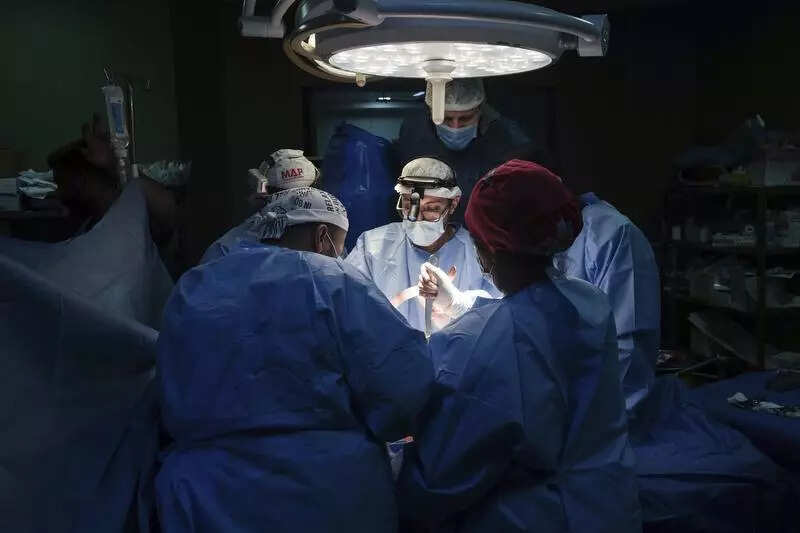
Pune: Doctors at a private hospital in the city have successfully treated a nine-year-old boy battling hyper IgE syndrome (a rare primary immunodeficiency) and Burkitt lymphoma (an aggressive blood cancer).The case presented a clinical dilemma. The boy’s pre-existing immunodeficiency meant his body could not fight infections, yet the aggressive nature of Burkitt lymphoma required intensive chemotherapy – a treatment that further suppresses the immune system.The child’s journey began years ago when he was diagnosed with hyper IgE syndrome. While managing this chronic condition, he developed Burkitt lymphoma, a fast-growing malignancy. Treating cancer in an immunocompromised patient is exceptionally risky, as chemotherapy-induced immunosuppression often leads to fatal infections.To navigate this, a multi-disciplinary team was formed. Between Oct 2023 and March 2024, the child underwent three grueling cycles of chemotherapy. The process was fraught with complications; the young patient required multiple ICU admissions, prolonged ventilator support via tracheostomy, and constant blood pressure stabilisation to survive severe infections.Once the cancer was in remission and the child was stabilised, doctors proceeded with the definitive cure: a specialised haploidentical bone marrow transplant on Sept 10, 2024. The boy’s father served as the donor. To minimise the risk of “graft-versus-host disease” and other complications, doctors utilised advanced alpha-beta T-cell receptor depletion, a sophisticated form of immune-cell processing.Dr Sachin Shah, director, Neonatal and Paediatric Intensive Care Services, highlighted the intensity of the care required: “The child needed prolonged respiratory support and reliable vascular access over an extended period. This level of critical care was only possible due to the 24/7 presence of highly trained pediatric intensivists who ensured his stability through both chemotherapy and the transplant phase.“Dr Sandeep Bartakke, senior consultant in hematology and oncology, added, “This was an exceptionally challenging case. We had to balance aggressive cancer treatment with meticulous infection control at every step. The haploidentical, TCR-depleted transplant was the critical intervention that allowed for long-term recovery.”The recovery was not without hurdles. Following the transplant, the boy battled lung and biliary tract infections, which were successfully managed with targeted therapies. After a period of stabilisation, he was discharged on oral medication and monitored closely through Aug 2025.Today, the child is doing well. His immune function has normalised, and he remains cancer-free. This success story serves as a vital reminder to parents: doctors emphasise that recurrent or unusually severe infections in children should be evaluated early, as they may be symptoms of underlying immune disorders. Timely intervention and coordinated specialist care remain the keys to surviving such complex medical challenges.