




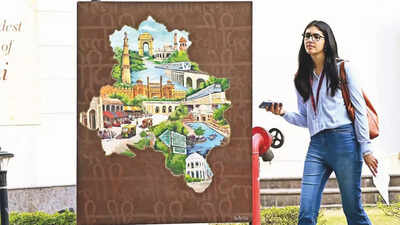
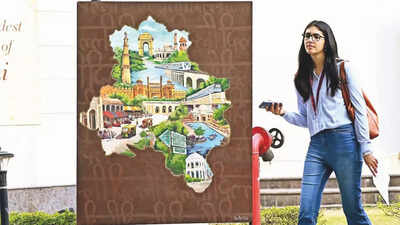
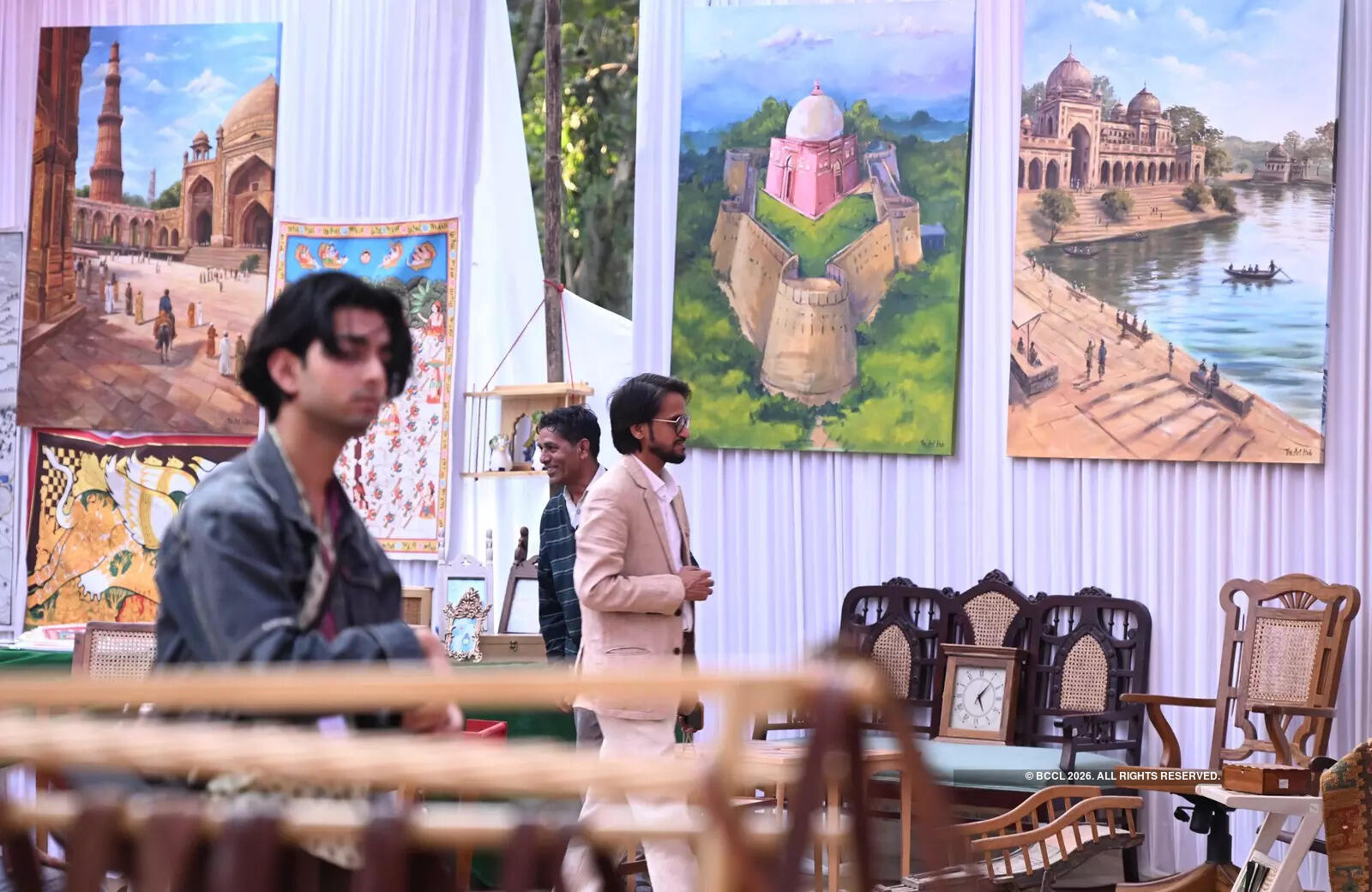
As one stepped into the bazaar at Kahaani Dilli Ki at Travancore Palace, the scent of shamama attar filled the air. Photographs of Delhi’s urban villages drew attention, while Mirzapur’s colourful durries added warmth. An installation showcased spices from Khari Baoli, and a live station served sheermal with paneer, pickle, kasoori methi and jeera. At the recently concluded two-day festival, the city’s many facets came alive through installations, artworks, panel discussions and performances.
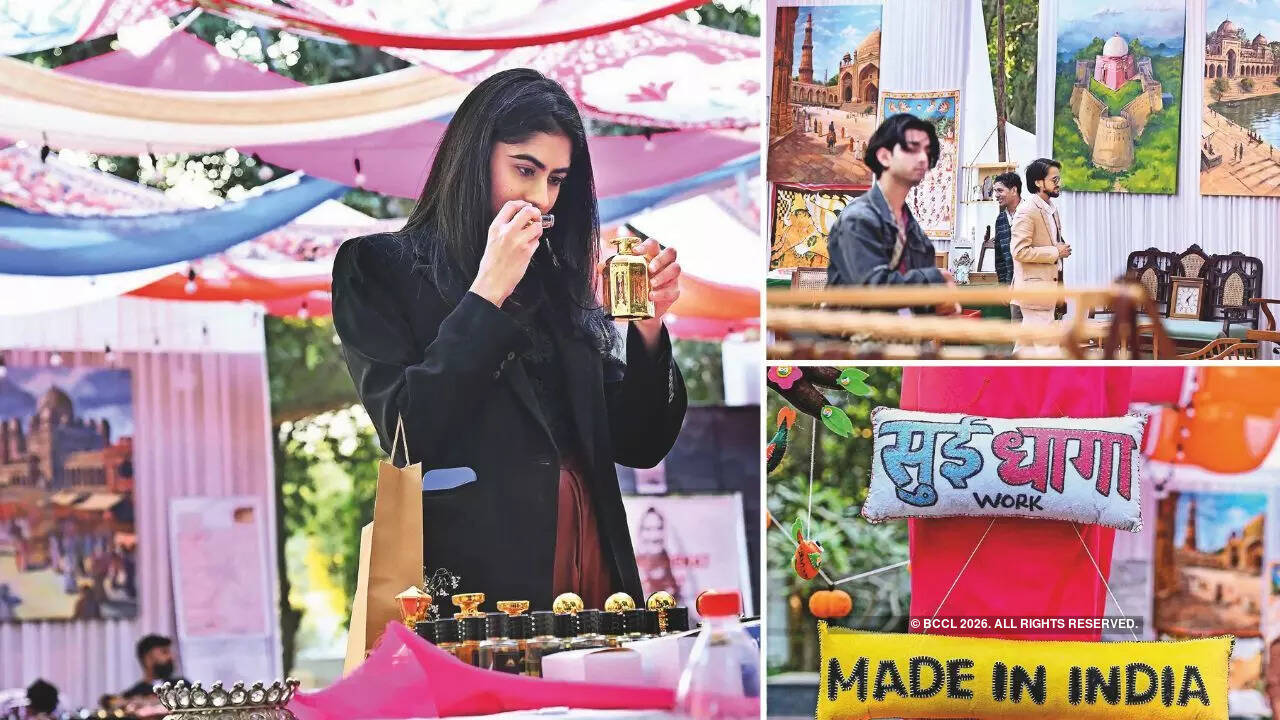
The Dilli Bazaar, curated by Mohammad Anas Khan, brought together craftspeople from Old Delhi, embroidery practitioners, terracotta artists and attar makers from Kannauj
Curated and conceptualised by Sara Abdullah Pilot and Aishwarya Jha of Indophile, and supported by the Ministry of Culture, the festival brought together scholars, walk leaders and cultural practitioners documenting Delhi. The idea was to offer visitors an immersive experience of the city’s culture and lived heritage.
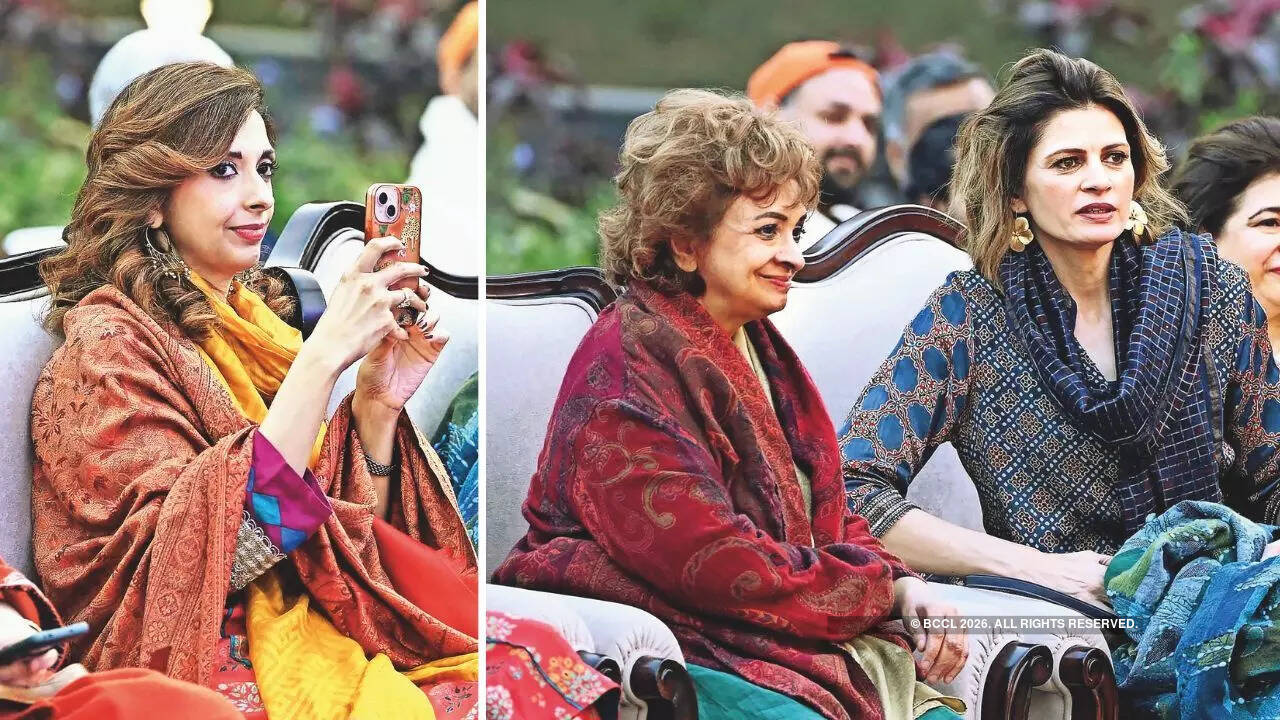
Aishwarya Jha; Sara Abdullah Pilot with Mother
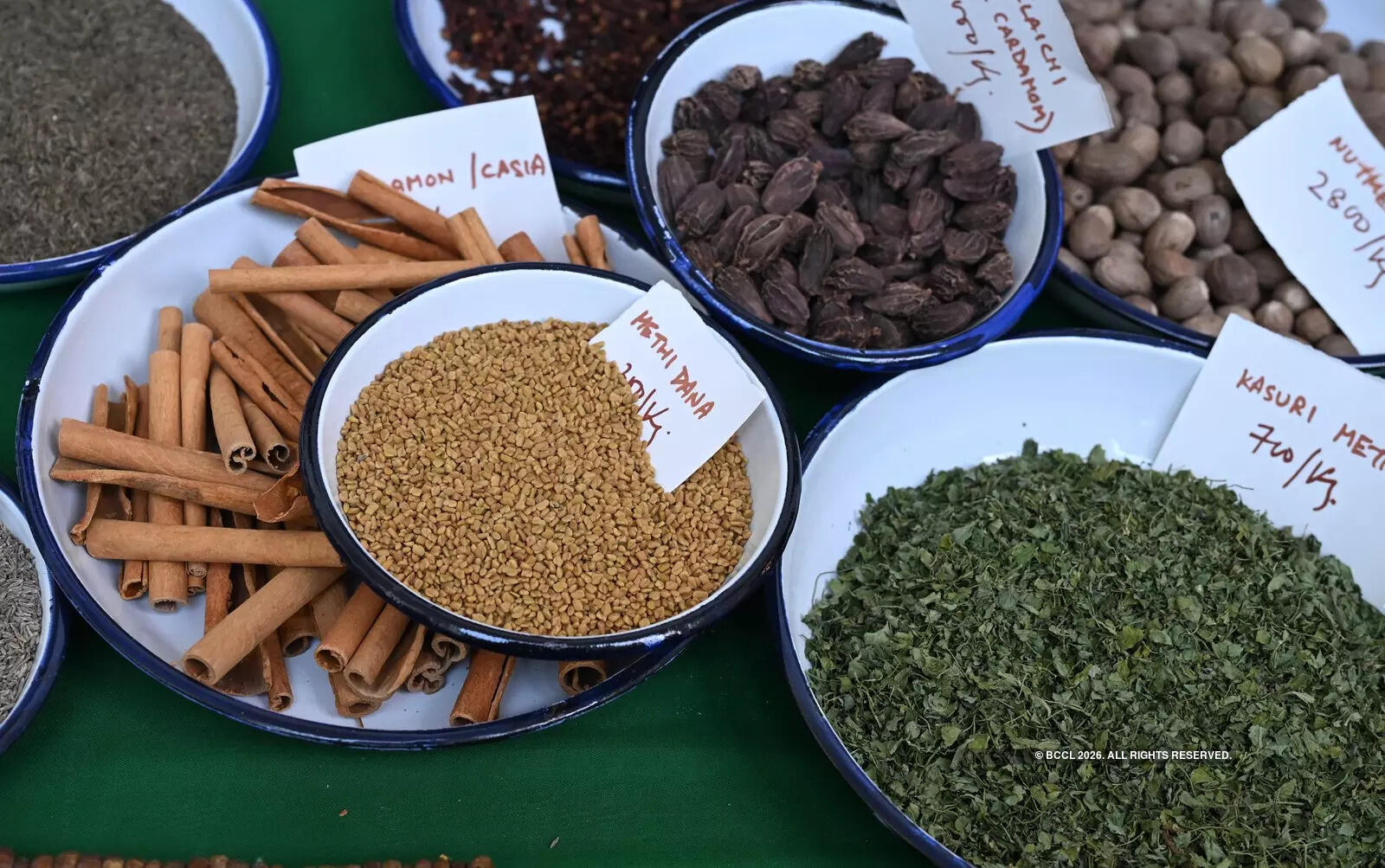
Edible Archives, an restaurant and art project, presents a sensory-led exploration of Delhi’s spice traditions, featuring whole spices hand-picked from Khari Baoli by chef Anumitra Ghosh Dastidar
‘Vision is to preserve Delhi’s culture in an engaging manner’Speaking about the first edition and its inspiration, Aishwarya said, “The festival was rooted in the belief that Delhi is not one city but many – historic, mythical, modern, lived and imagined. At a time of increasing homogenisation, many cultures are in danger of being lost. Our inspiration to organise the festival is our spiritual mentor, whom we lovingly call Mother. The vision is to preserve culture and present it in an accessible and engaging manner.”Sara added, “The festival is a way of protecting and preserving Delhi’s heritage and culture, whether through dance, art, handicrafts or recipes from the many communities that make up the city.” Visitors moved through Delhi’s many eras, savoured its flavours, listened to its music and encountered stories that continue to shape its enduring character.
“The festival was rooted in the belief that Delhi is not one city but many – historic, mythical, modern, lived and imagined,” says Aishwarya Jha
A vintage photo booth allowed attendees, including author and historian William Dalrymple, to take home retro-style portraits. Visitors explored a photography exhibition curated by Mahatta Photo Studio, showcasing rare archival images of Delhi.
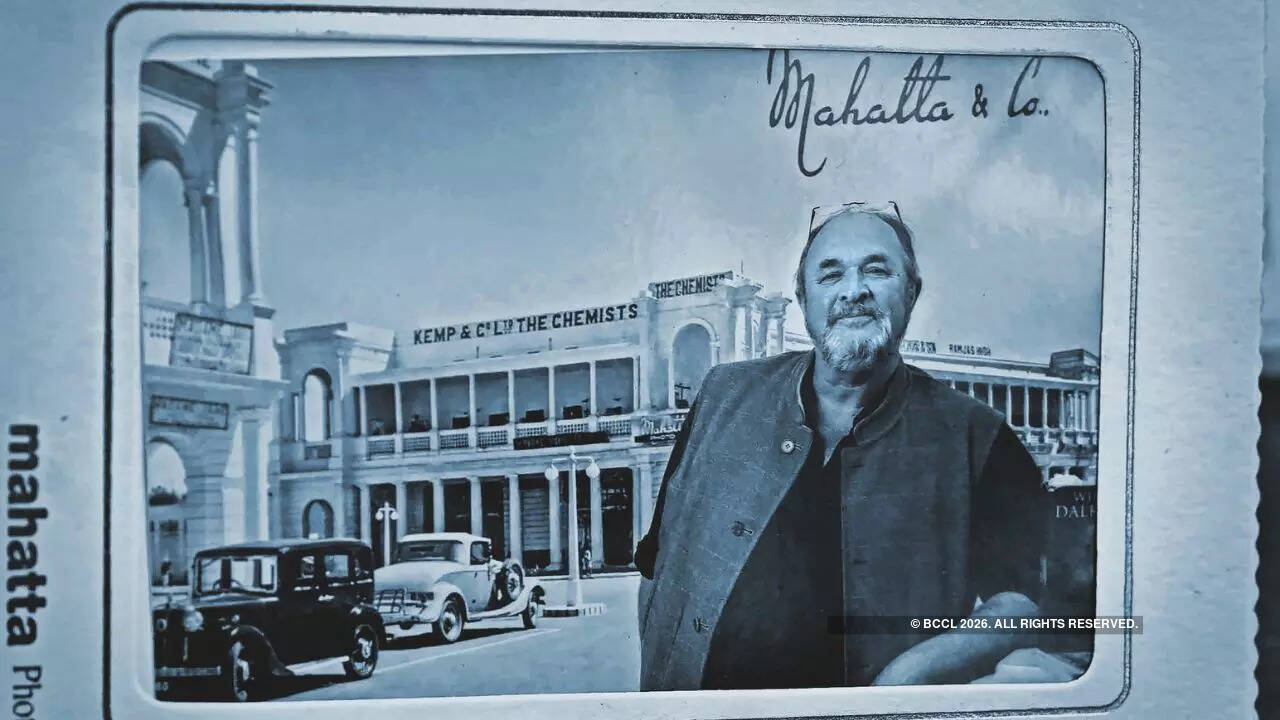
A vintage photo booth allowed attendees, including author and historian William Dalrymple, to take home retro-style portraits
The programme featured a kathak recital titled Ishq-e-Dilli by Gauri Diwakar and her troupe on songs like Phool Rahi Sarson Sakal Ban, followed by a musical performance by Fareed Hasan Khan. Day 1 concluded with Deveshi Sahgal’s soulful performance.
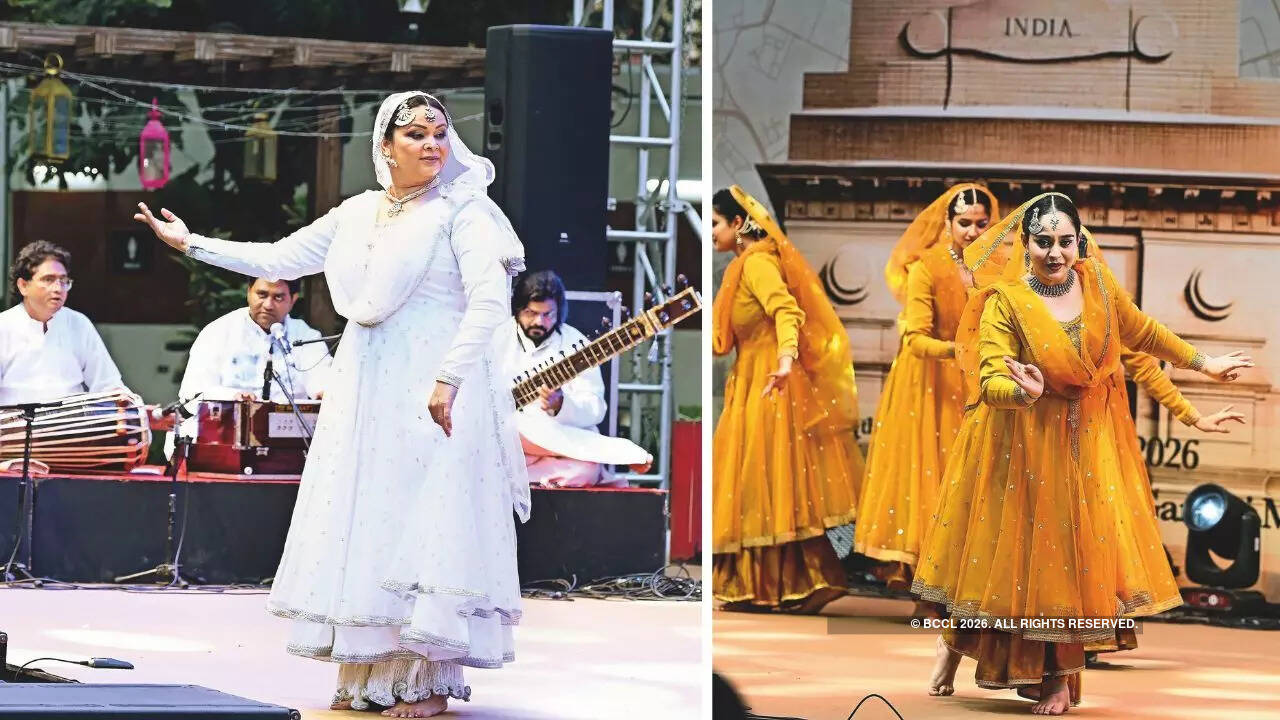
The programme featured a kathak recital titled Ishq-e-Dilli by Gauri Diwakar and her troupe
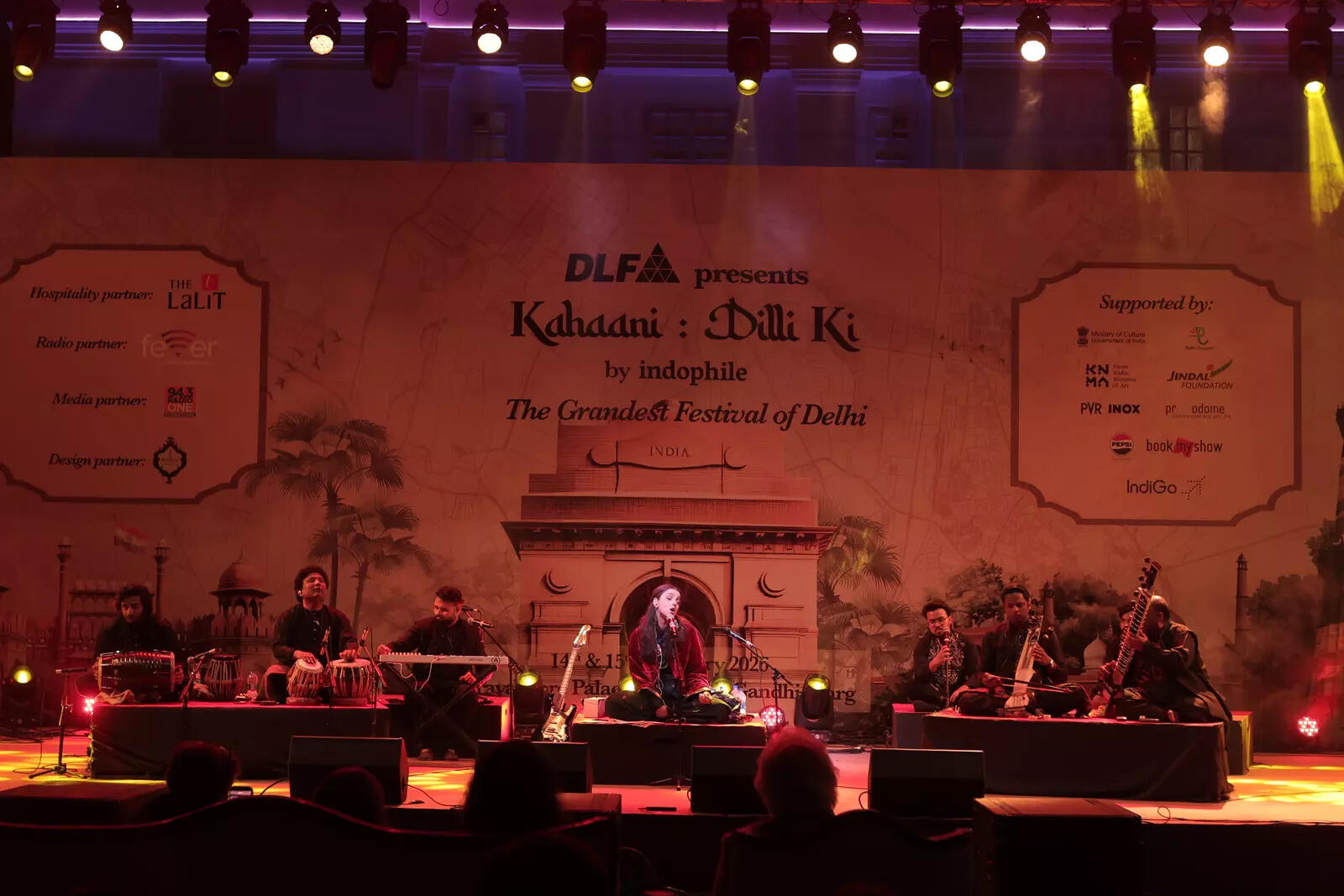
Deveshi Sahgal
Rahul Ram and his band Indian Ocean and Sonam Kalra performed on day 2 of the festival.
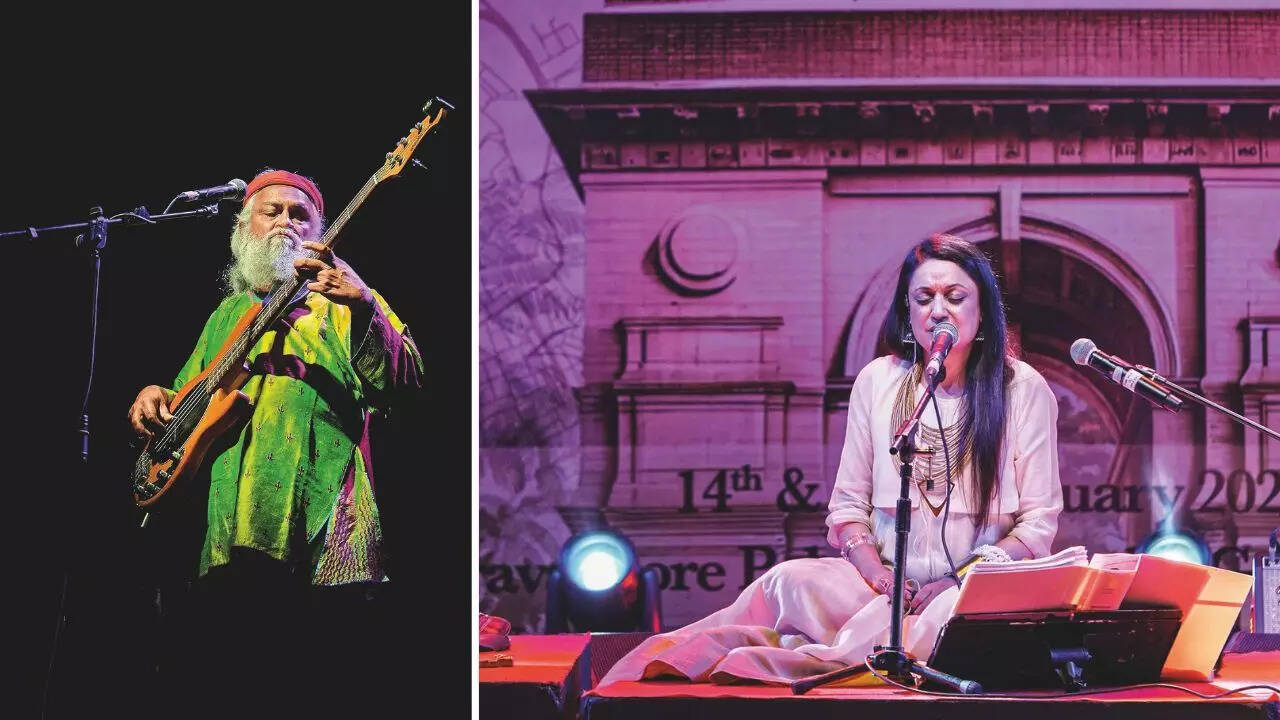
Rahul Ram and his band Indian Ocean and Sonam Kalra performed on day 2 of the festival
The Dilli Bazaar, curated by UnZip Delhi founder Mohammad Anas Khan, brought together craftspeople and calligraphists from Old Delhi, embroidery practitioners, terracotta artists, duree makers from Mirzapur and attar makers from Kannauj. Also present was a hakeem from Purani Dilli, serving gheekwar halwa. Sharing an anecdote about the royal hakeem who saved Ballimaran in 1857, Anas shared, “One of the hakeems from Old Delhi once served as the royal hakeem to the Maharaja of Patiala. At one point, the Maharaja was gravely ill and close to death. The hakeem prepared a khameera wala halwa — a blend made with gheekwar (aloe vera), Unani ingredients, and even traces of sona and chaandi — and administered it to him for a week. The Maharaja recovered fully and, in gratitude, offered the hakeem a wish. Years later, during the upheaval of 1857, when Delhi was being ransacked and the East India Company forces advanced, the same hakeem, who lived in Ballimaran, sought the Maharaja’s intervention. He requested that the ruler persuade the Company to spare the locality. Negotiations followed, and Ballimaran was ultimately saved from destruction.”