





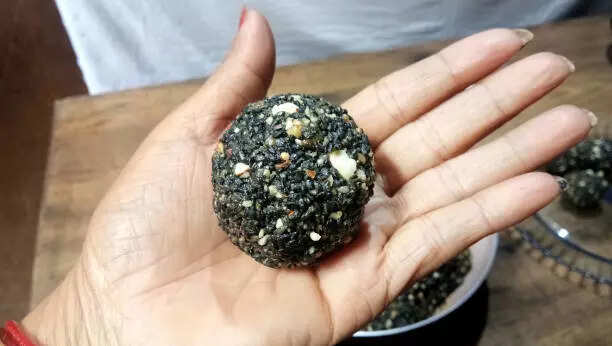
Scroll Instagram reels for five minutes and you’ll notice a sudden obsession: people rolling tiny brown laddoos in their palms and claiming “hair fall band ho gaya” in a few weeks.From dermatologists-inspired creators to nani-approved wellness pages, everyone seems to have a version of the same idea — eat sesame daily and your hair will thank you. Recipes differ slightly, but the promise stays the same: stronger roots, less breakage and baby hair growth.
So is this just another viral food trend… or is there real science behind it?
Let’s break it down like a normal person would – no miracle claims, no blind dismissal.
Why sesame seeds suddenly became a haircare star
Sesame (til) has always been part of Indian winters. We ate it for warmth, energy and bones – not Instagram aesthetics. What social media did was connect a traditional ingredient to a modern concern: chronic hair fall.Here’s why sesame makes sense nutritionally:1. ZincHair follicles need zinc to repair themselves. Low zinc levels are directly linked to shedding.2. IronMany people losing hair unknowingly have borderline iron deficiency. Sesame + jaggery is basically a natural iron combo.3. Healthy fatsYour scalp is skin. Without fats, it becomes dry, inflamed and weak – meaning fragile roots.4. Calcium & magnesiumThey indirectly help by improving blood circulation and reducing stress response in the body.In short: sesame doesn’t magically grow hair overnight – it fixes nutritional gaps that quietly cause hair fall.
The viral recipe most people are sharing
This is the one you’ve probably seen everywhere:Simple hair growth til laddooIngredientsBlack sesame seeds – 100 gFlax seeds – 100 gJaggery – as per tasteGhee – 1 tbsp (optional)Roasted makhana – handfulMethodRoast sesame seeds and flax seeds separately till aromatic.Grind them coarsely with jaggery.Add ghee and crushed roasted makhana.Shape into small laddoos.People prefer this version because flax adds omega-3 fats – helpful for scalp inflammation.
The classic dadi-style recipe
This one is closer to traditional winter laddoos and slightly richer.Traditional til laddooIngredientsSesame seedsJaggeryCashew nutsGreen cardamom powderGheeMethodDry roast sesame seeds on low flame for ~8 minutes.Melt jaggery with ghee slowly till sticky.Add sesame, cashew and cardamom powder.Mix well and cook briefly.Cool slightly and roll into laddoos.Store in an airtight jar.This recipe is popular because it’s easier to digest and more energy-dense – useful if hair fall is linked to weakness or fatigue.
Other variations people are trying
Once a food trend starts, Indians innovate instantly:Protein version: add almonds & peanutsPCOS version: add pumpkin seeds & sunflower seedsLow-sugar version: use dates instead of jaggeryGut-friendly version: add dry ginger powderThe goal stays the same – nourish from inside instead of applying 12 oils outside.So… will they actually stop hair fall?Here’s the honest answer:They help – but only if your hair fall is nutritional or stress-related.They won’t fix:genetic baldnessthyroid disorders alonesevere hormonal imbalancesBut they can improve:seasonal sheddingbrittle hairslow growthbreakagepostpartum recoveryWhy? Because hair is a “non-essential tissue.”Your body feeds vital organs first. When nutrients are low, hair is the first thing sacrificed.Til laddoos simply refill the tank.
What changes people usually notice
Not dramatic Bollywood transformation – subtle improvements:Week 2–3: less hair on pillowWeek 4–6: softer textureWeek 6–10: baby hair near hairlineConsistency matters more than quantity. Two small laddoos daily works better than six for three days.
Health benefits beyond hair
Interestingly, hair growth is just a side effect.Sesame laddoos also support:Skin elasticity (natural oils)Digestion (high fibre)Dental health (oil content reduces plaque bacteria)Energy levels (iron + minerals in jaggery)Blood pressure balanceBone strength (calcium & zinc)Which explains why older generations ate them seasonally – they were winter multivitamins before capsules existed.
The mistake most people make
They expect laddoos to act like a treatment instead of nutrition.If you:sleep at 2 AMeat one proper meallive on caffeinestay stressedNo seed in the world can rescue your hair.Think of til laddoos as support, not magic.
How much should you eat?
Ideal amount: 1–2 small laddoos dailyBest time:Morning empty stomach, orMid-evening snackAvoid overeating – they’re nutrient dense but calorie rich.The real reason the trend went viralBecause for once, the solution is simple.Not a ₹3,000 serum.Not a 10-step routine.Not a scary diagnosis.Just consistent nourishment.People aren’t shocked that sesame works – they’re shocked that something this basic was ignored while shelves filled with complicated products.Til ke laddoo won’t regrow a receding hairline overnight.But they can absolutely strengthen roots, reduce shedding and improve hair quality if your body needed nourishment.Which, honestly, most modern lifestyles do.So the reels aren’t entirely exaggerating – they’re just simplifying an old truth:Healthy hair often starts in the kitchen, not the bathroom shelf.And sometimes, grandma’s winter snack quietly beats modern haircare.