






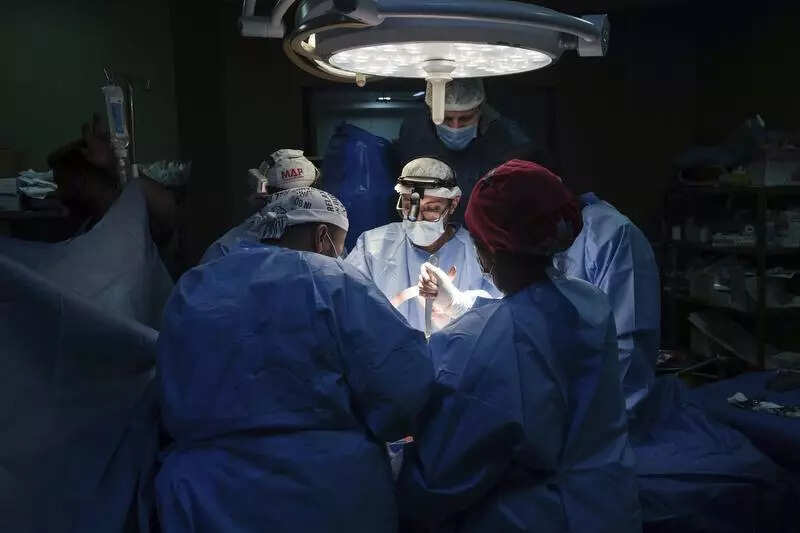
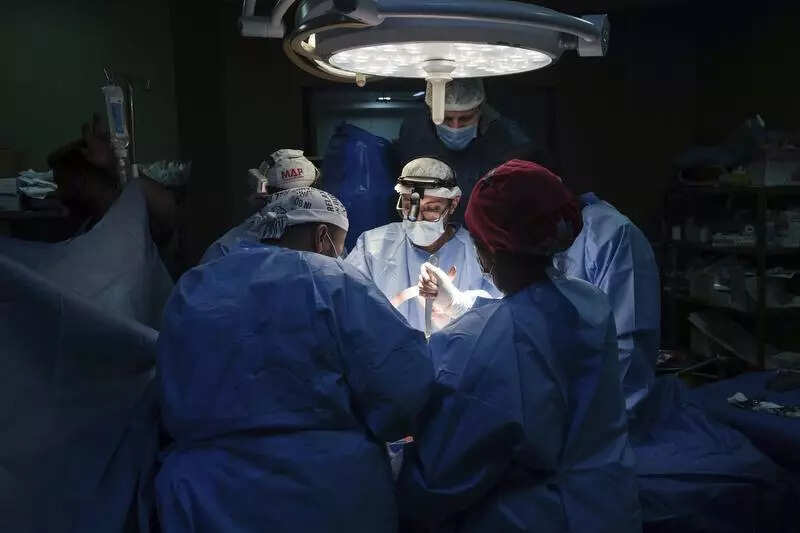
Medical experts said the case was exceptionally complex due to the baby’s prematurity, the nature of twin pregnancy, and an ongoing active infection. “The baby had severe breathing difficulties immediately after birth and required advanced respiratory support,” said Pradeep Suryawanshi, director, neonatology and paediatrics, Sahyadri Hospitals. “Our investigations confirmed CDH, which had significantly compromised the infant’s lung function.” Because conventional ventilation was insufficient, the neonatal intensive care unit (NICU) team utilised high-frequency oscillatory ventilation (HFOV) to keep the infant alive. For two weeks, the team focused exclusively on stabilising the baby’s fragile vitals before attempting surgery. The critical corrective procedure took place on Oct 27. At the time, the infant was still dependent on ventilator as well as multiple life-saving medications, making the surgery extremely risky. “Performing surgery on a preterm neonate who is ventilator-dependent is a massive challenge,” Suryawanshi said. “We waited until clinical indicators suggested the baby was stable enough to withstand the procedure, though the risks remained significant.” Following the surgery, the infant underwent weeks of prolonged intensive care and monitoring for potential complications related to lung function and infection. The baby’s condition gradually improved, and the medical team successfully weaned the infant off respiratory support. After six weeks in the NICU, the baby was discharged on Nov 29 in stable condition and is now feeding orally.