


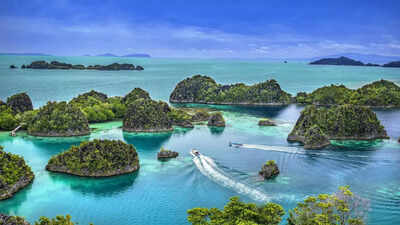
Not all of Earth belongs to humans. It seems some islands are ruled by creatures great and small. From pigs to snakes, cats to seals, there are places where animals call the shots. Humans might visit, snap a few photos, and maybe leave some food. But really? The locals are in charge. Some of these islands are tiny, some larger. Some are famous, others nearly unknown. Each has its own story. It appears the animals thrive because humans either left long ago or simply cannot compete. Curious travellers might be drawn in, but it’s easy to forget who really rules here.Check below 7 islands where humans are visitors, and animals hold the crown.
Animal-owned islands around the world
Pig Island
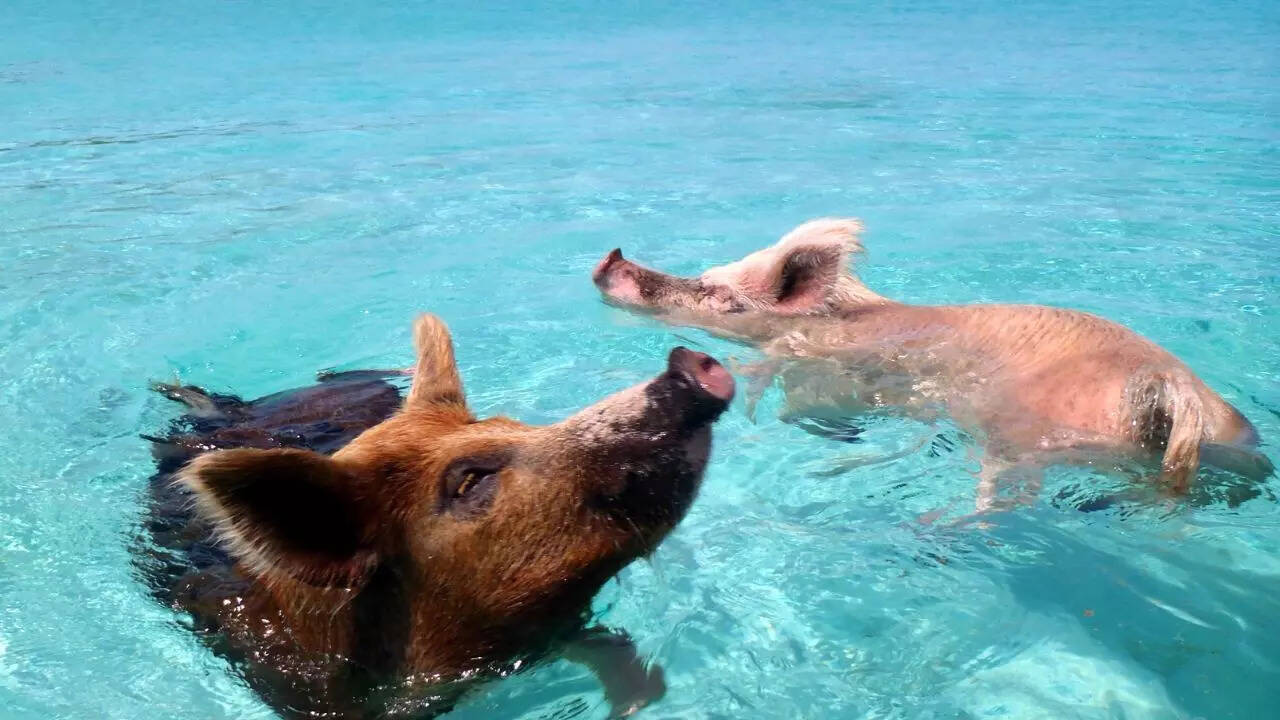
Big Major Cay is also known as Pig Island, uninhabited. Just pigs and sand. Experts say the pigs were either left by sailors or survived a shipwreck. Either way, they’ve adapted. They swim out to boats, hoping for handouts. Tourists come for the photos and the novelty. But watch your fingers. The pigs are bold. They might jump right into your boat for food. It seems they’re less shy than humans in some ways.
Cat Island
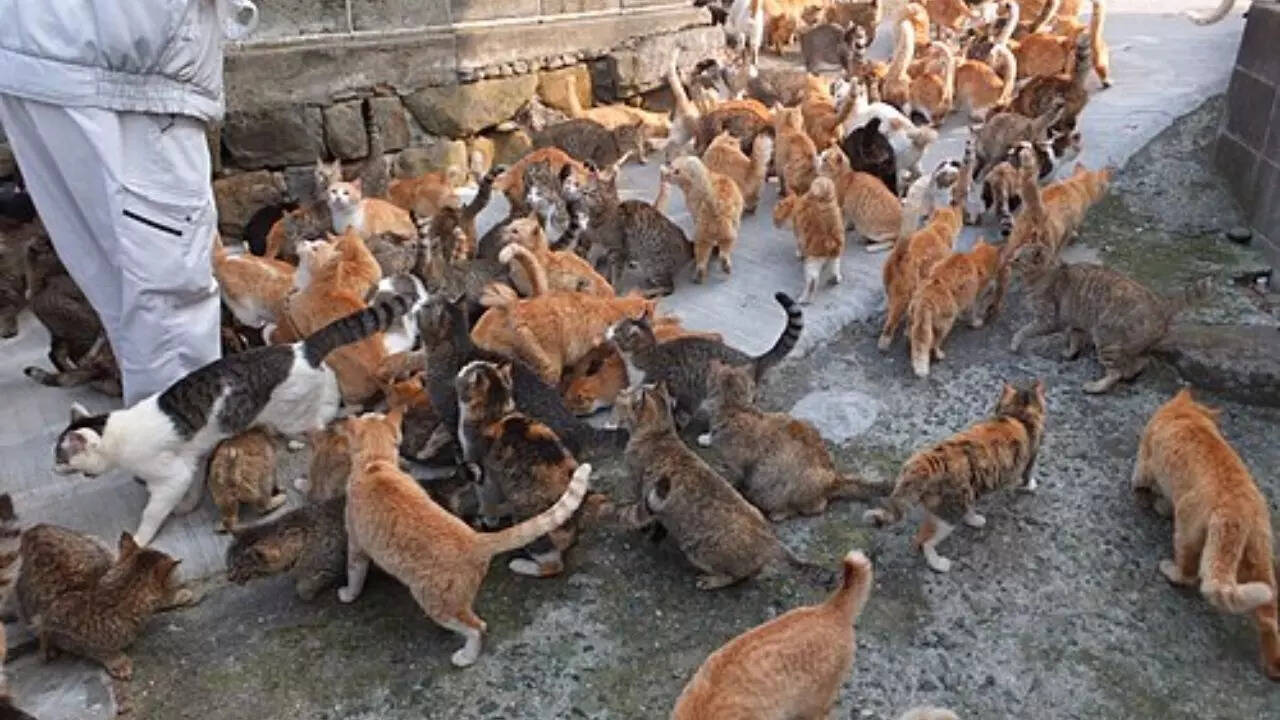
Tashirojima is a small Japanese island where cats outnumber people. The population once numbered about 1,000. Now? Around 100 humans remain. Cats have steadily increased. Visitors reportedly leave food, admire the felines, and even stay in cat-shaped lodgings. Cats here are considered good luck. They roam freely. The tourists keep the cats pampered. Some might find it charming, others a little eerie. Either way, it’s clear who rules.
Rabbit Island
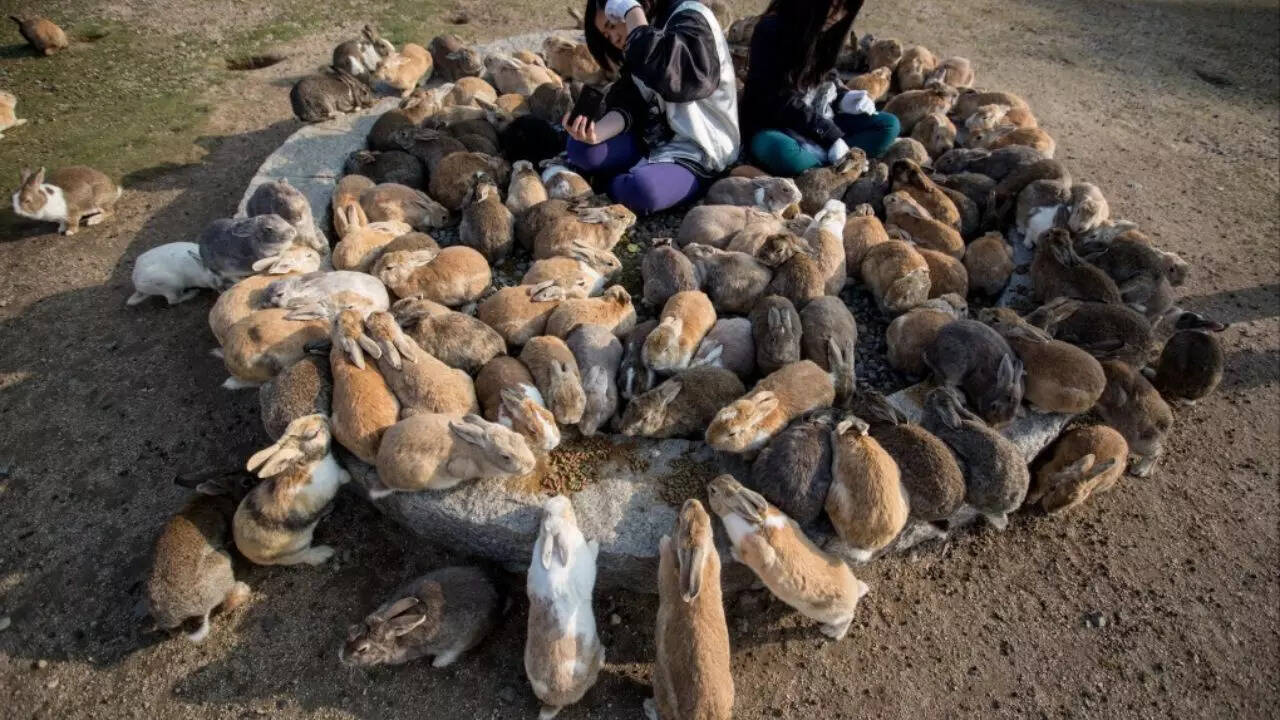
Ōkunoshima, or Rabbit Island, has a darker past. During World War II, it was home to a poison gas factory. The rabbits were used in experiments, reportedly. Today, the bunnies hop freely among the ruins. Hunting is prohibited. Cats and dogs are banned. It seems the rabbits have claimed the island entirely. Visitors come to feed them and explore the eerie remnants of the factory. The contrast is striking: soft, innocent rabbits among historical remnants of war.
Assateague Island
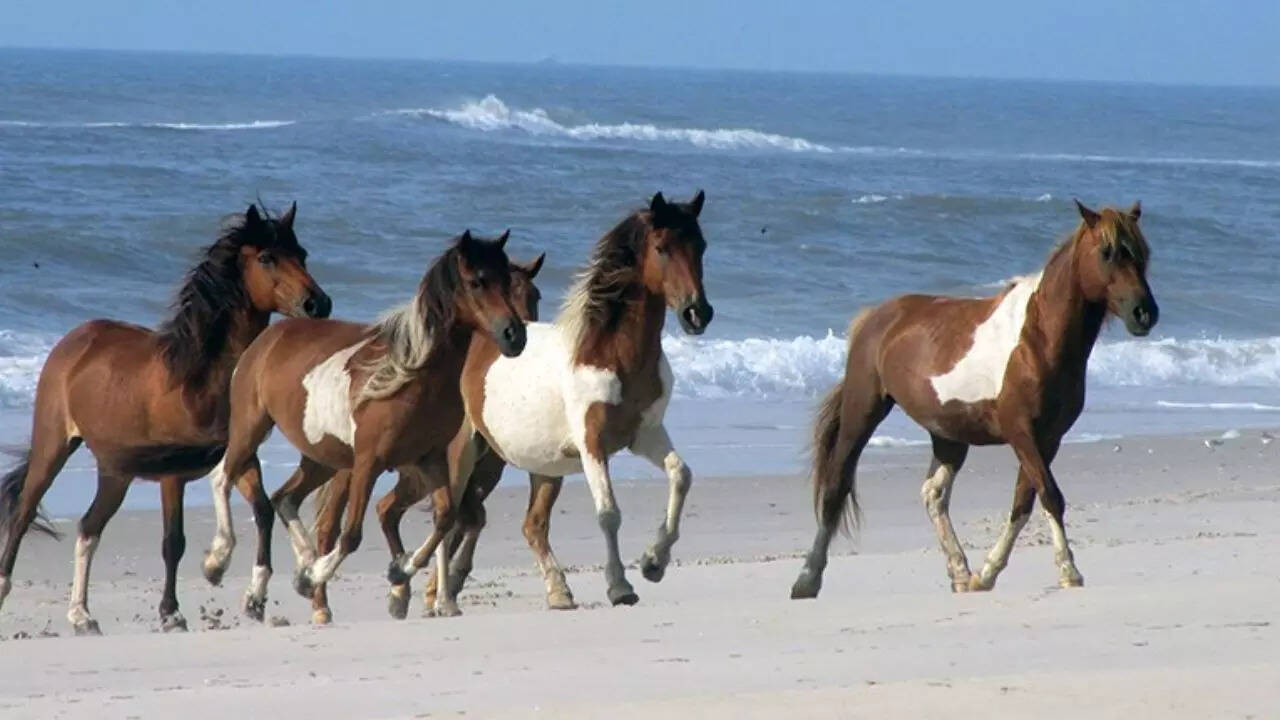
Assateague Island is 37 miles long. Split between Maryland and Virginia. The real residents? Wild ponies. Some say they survived a shipwreck. Others? A mystery. Chincoteague, Virginia, rounds up their half of the ponies each year. People can buy them or return them to the wild. Maryland? They leave the ponies to roam freely. It seems these ponies set the pace for life here.
Seal Island
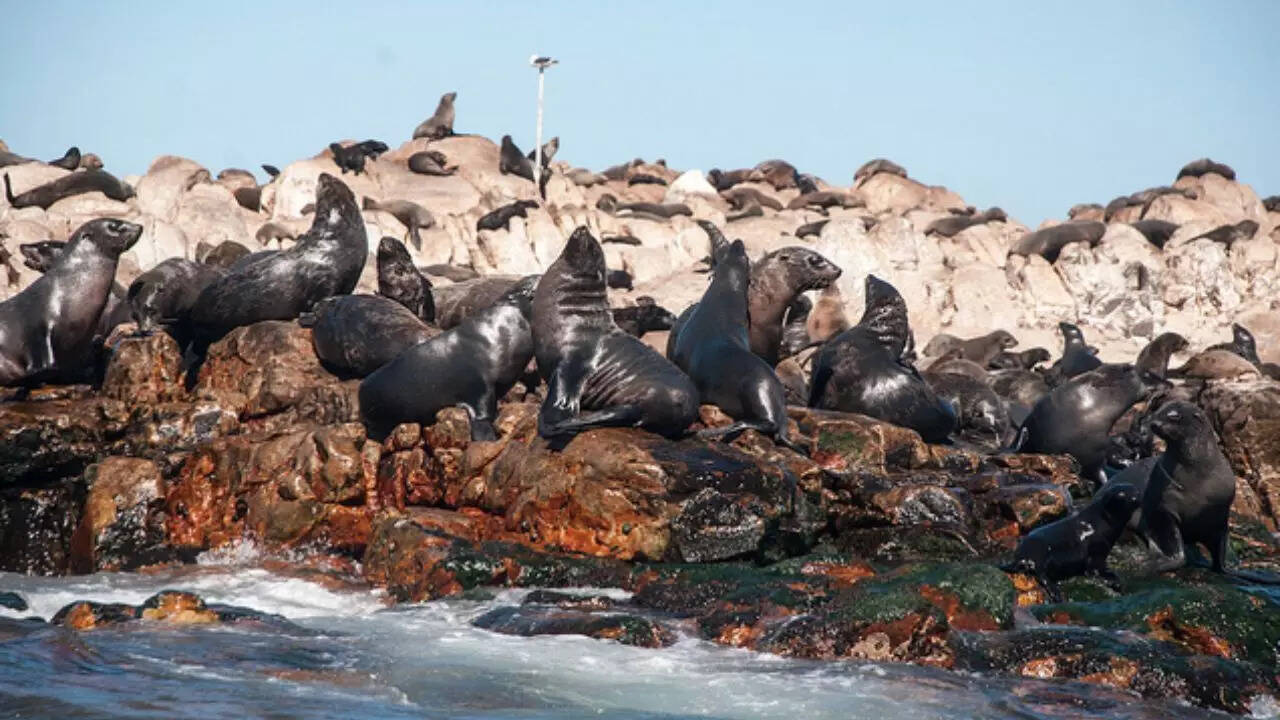
South African Tourism
Seal Island is more rock than land. Covered with Cape Fur Seals. No vegetation. Humans tried once; a radar during World War II but the elements won. The seals thrive. But the waters are dangerous. Great White Sharks patrol the area, circling like predators in a deadly dance. Any seal straying too far risks becoming a meal. Nature here is brutal, efficient. Humans might visit by boat. Mostly to watch. Not to intervene.
Monkey Island
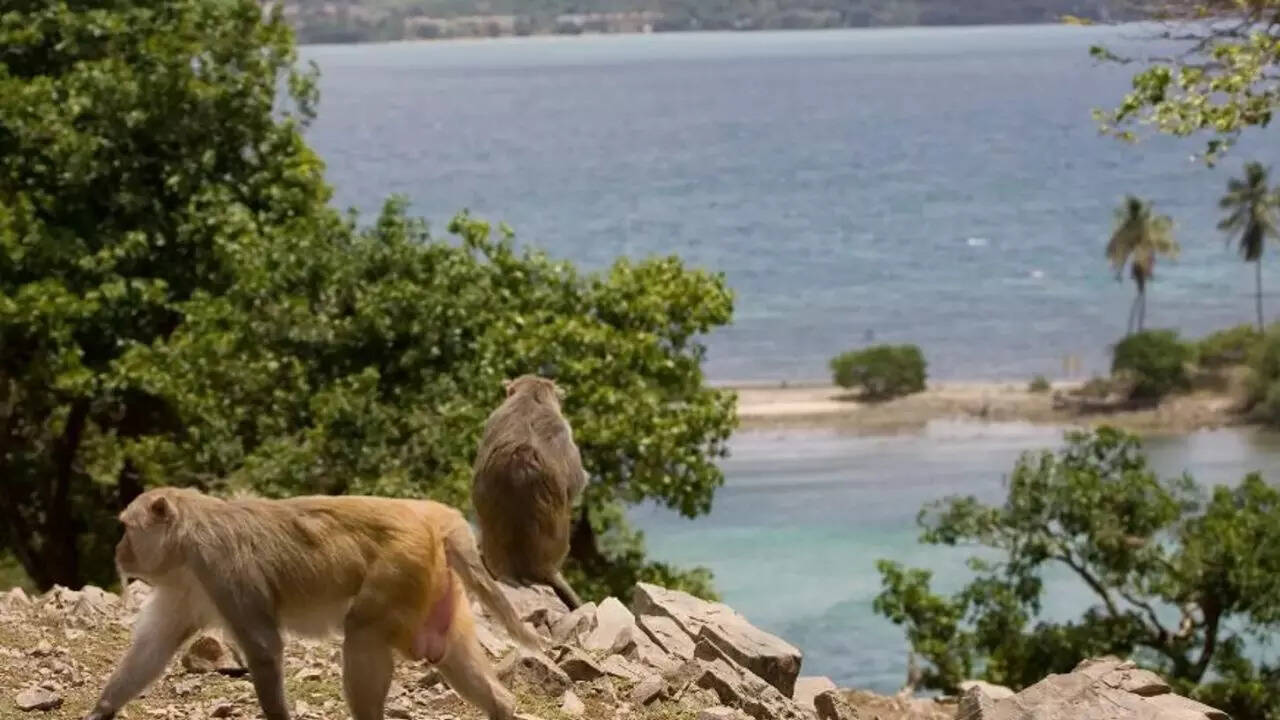
Source: Forbes
Cayo Santiago hosts around 950 rhesus monkeys. Brought from India in 1938 for research. Now? They roam freely. The island remains a research site. But casual visitors can only view the monkeys from the water. The monkeys move in groups, climb, and interact. It seems the humans’ presence is minimal. The monkeys? The real rulers.
Snake Island
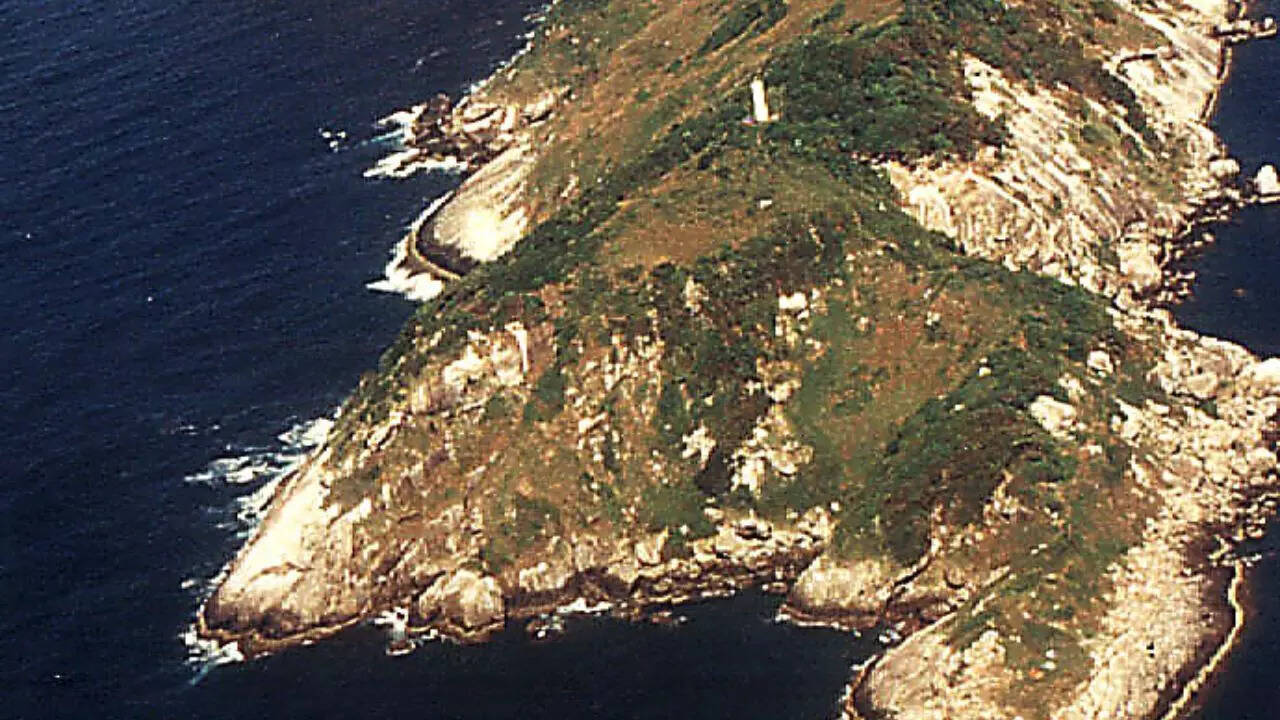
And then there’s Snake Island, named Ilha de Queimada Grande is infamous. Home to the Golden Lancehead Viper, one of the deadliest snakes in the world. Experts estimate one to five snakes per square metre. Humans are forbidden to land. Any step ashore could be fatal. The snakes here hunt birds, their main prey. It seems this island is absolute animal territory. Humans are simply not welcome.