




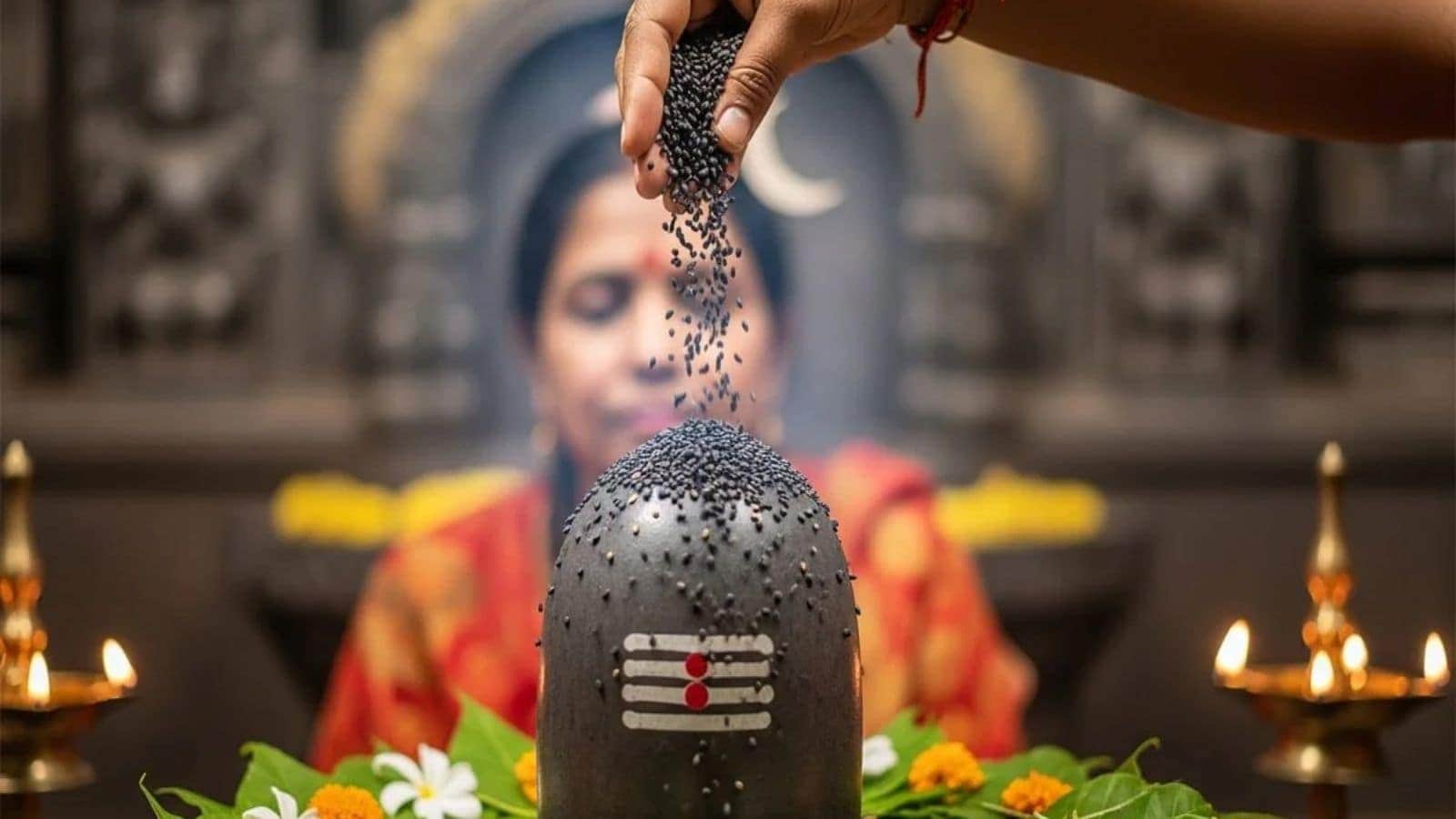
Maha Shivaratri is among the most sacred festivals in the Hindu tradition. This day is devoted to worshipping Lord Shiva, also known as Bholenath and Mahadev. Though Shiva is capable of sudden anger, he is equally swift to forgive, which is why devotees observe this day with deep devotion to seek his blessings. Temple bells ring out, and the air is imbued with spirituality as people chant Om Namah Shivay.
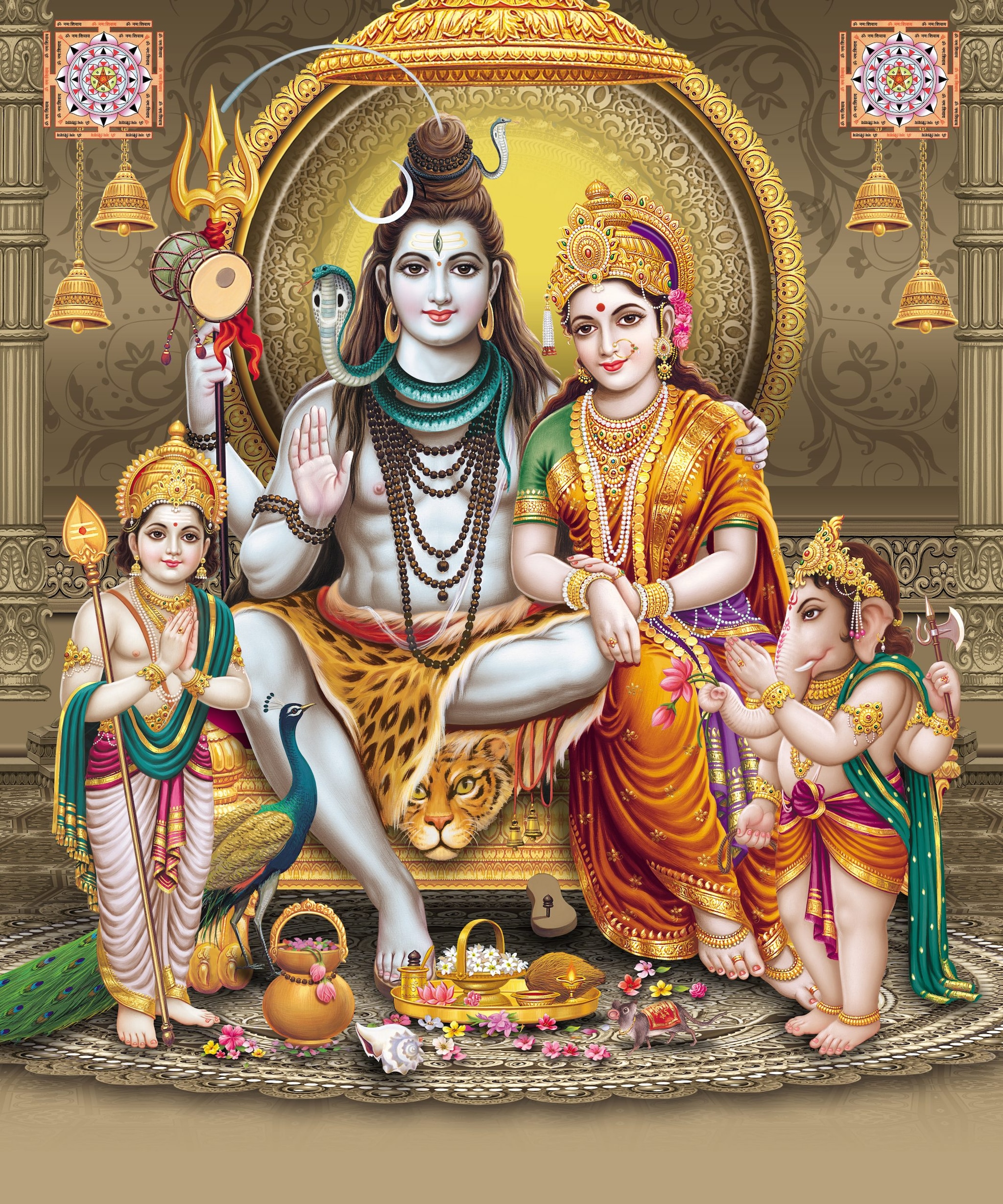
According to legend, Lord Shiva and Parvati’s divine wedding is said to have taken place on this auspicious night. Some spiritual traditions also hold that Shiva manifested in the form of a lingam on this day. The Shiva Lingam is believed to symbolise the union of the five elements: sky, air, fire, water, and earth. This is why performing Lingabhishekam on Maha Shivaratri is considered highly sacred. Devotees believe that fasting, keeping vigil through the night, and meditating on Shiva on this day can fulfil all their wishes.
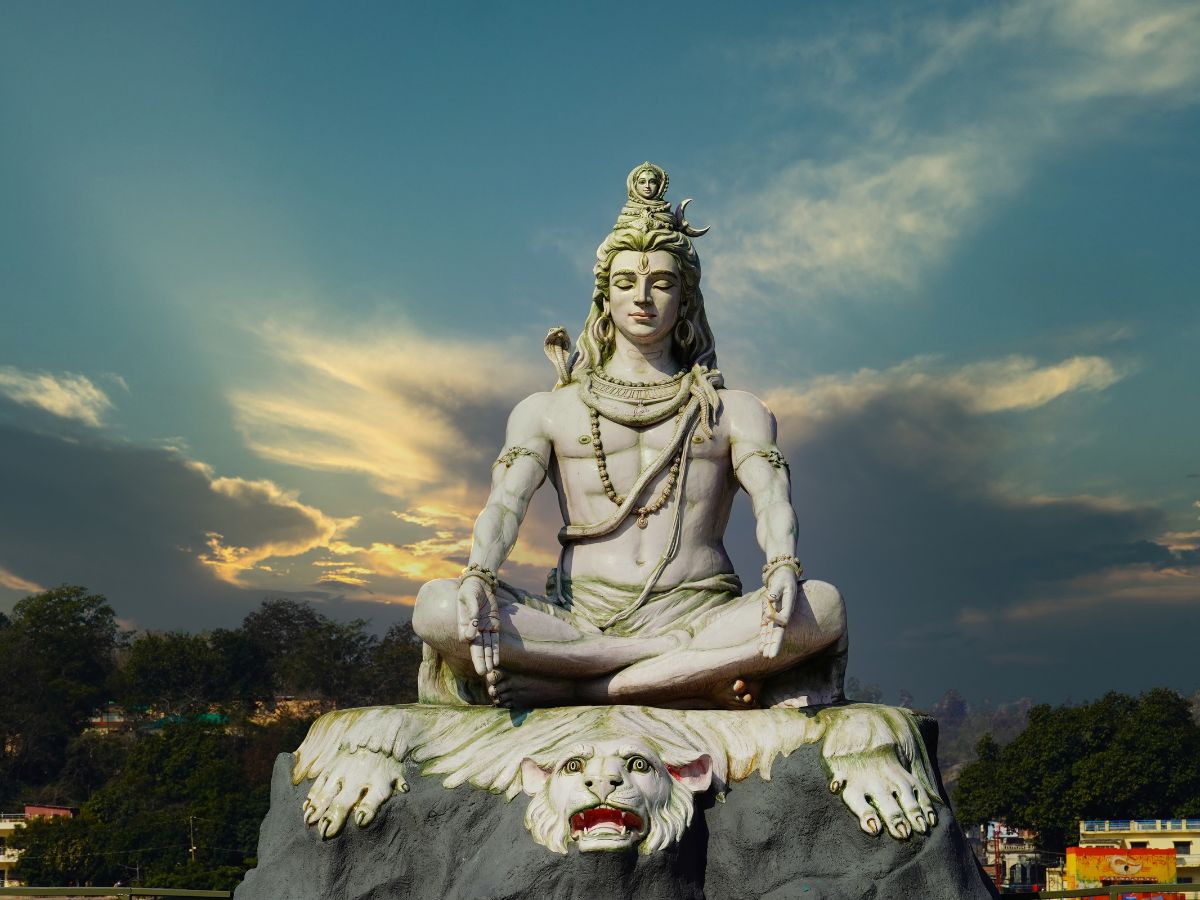
Maha Shivaratri is observed every year on the Chaturdashi tithi of the Krishna Paksha in the month of Phalguna. This year, the sacred tithi begins at 5:04 pm on February 15 and ends at 5:34 pm on February 16. However, this year’s Maha Shivaratri is regarded as particularly special. Astrologers note that, after nearly 300 years, five rare Rajyogas are forming, making it an exceptionally auspicious period for devotees, both spiritually and astrologically.
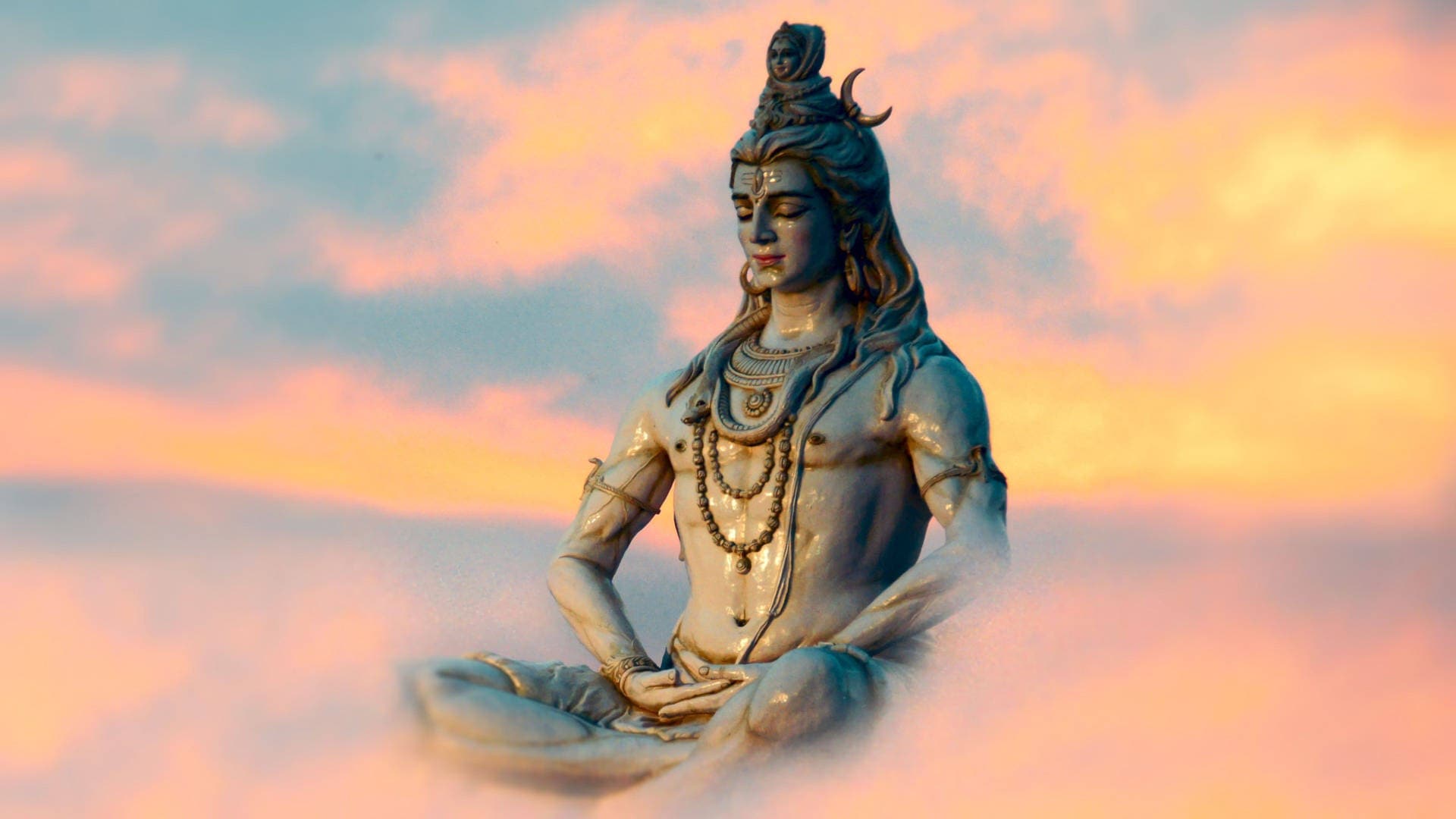
On this occasion, Mercury and Venus together form the Lakshmi Narayana Rajyoga, while Mercury and the Sun create the Budhaditya Rajyoga. The combination of the Sun and Venus gives rise to the Shukraditya Yoga. With Saturn in Aquarius, the Shasha Mahapurusha Rajyoga occurs, and the Sun, Mercury, Venus, Saturn, and Rahu together in Aquarius form the Panchagraha Rajyoga. Astrologers consider the simultaneous occurrence of these five auspicious yogas a truly rare event.
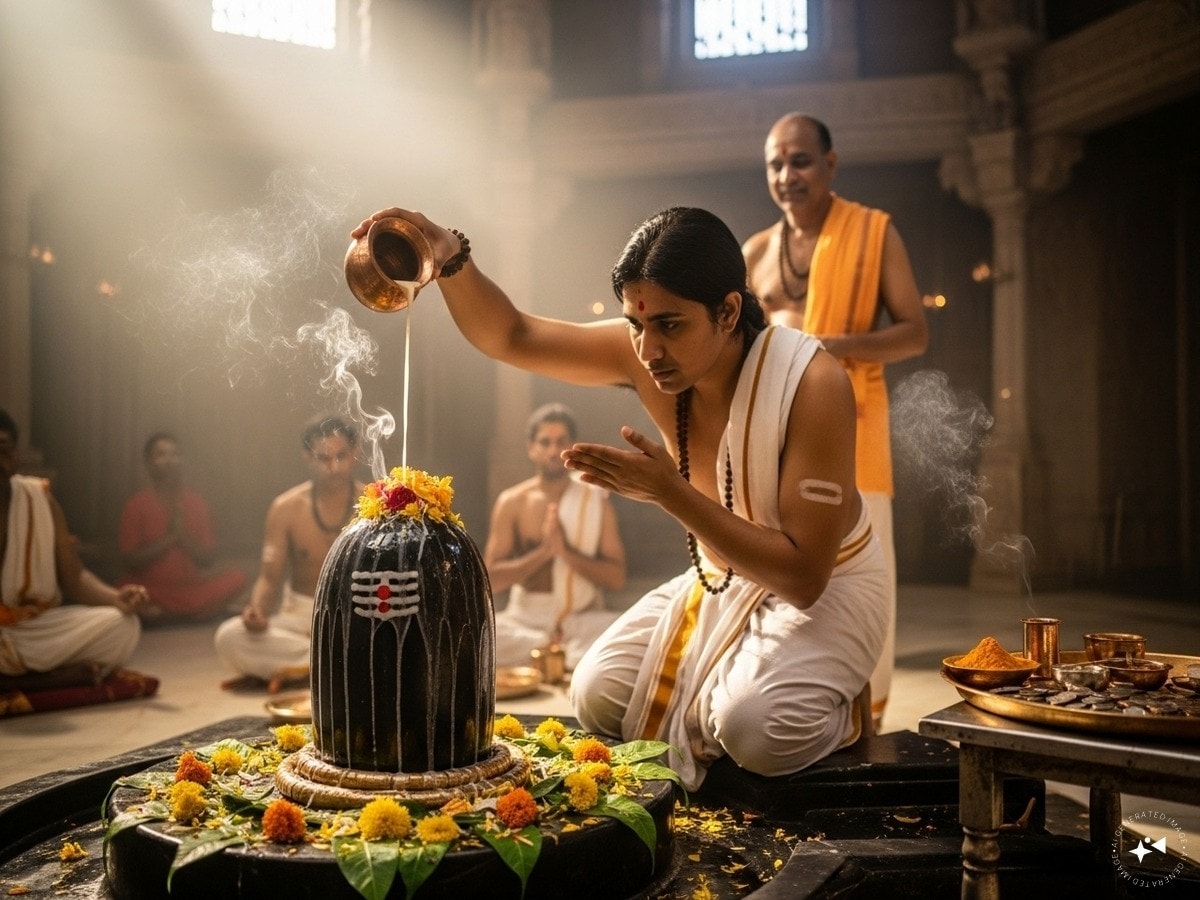
On Maha Shivaratri, it is recommended to follow certain rituals to honour Lord Shiva. Begin the day with a bath and visit the temple to perform abhishekam. Performing panchamrit abhishekam using milk, curd, honey, ghee, and sugar is said to invoke Shiva’s blessings. Scriptures note that offering bael leaves is particularly dear to him. Staying awake through the night, chanting Om Namah Shivay, or performing Rudrabhishekam brings great merit. Fasting, keeping the mind pure, and practising charity are believed to attract Lord Shiva’s grace.
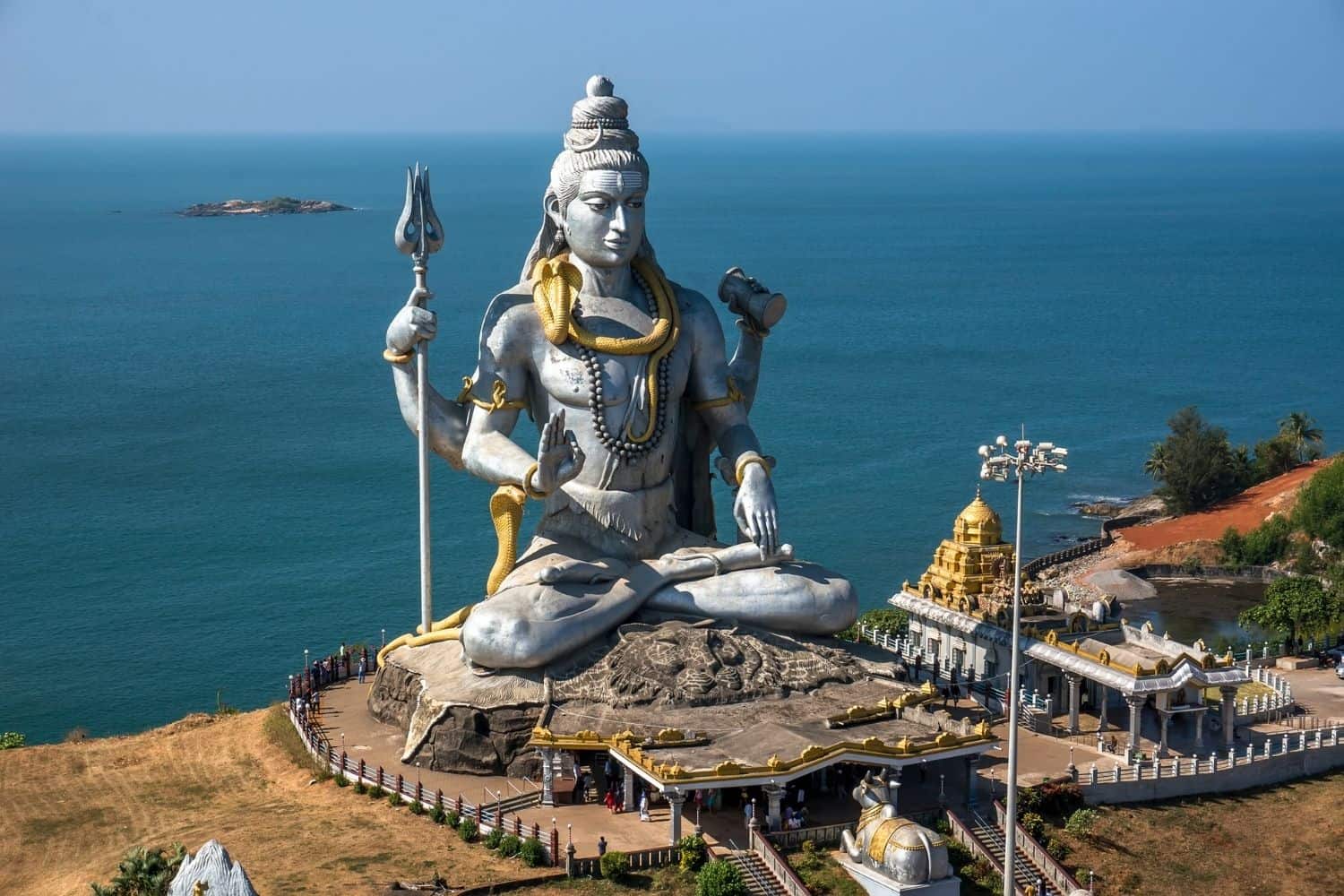
This Maha Shivaratri, marked by the formation of five royal yogas after three centuries, is regarded as spiritually unparalleled. Devotees hold that worshipping Shiva with sincere devotion on this sacred night brings peace, happiness, and prosperity through the blessings of Mahadev.