



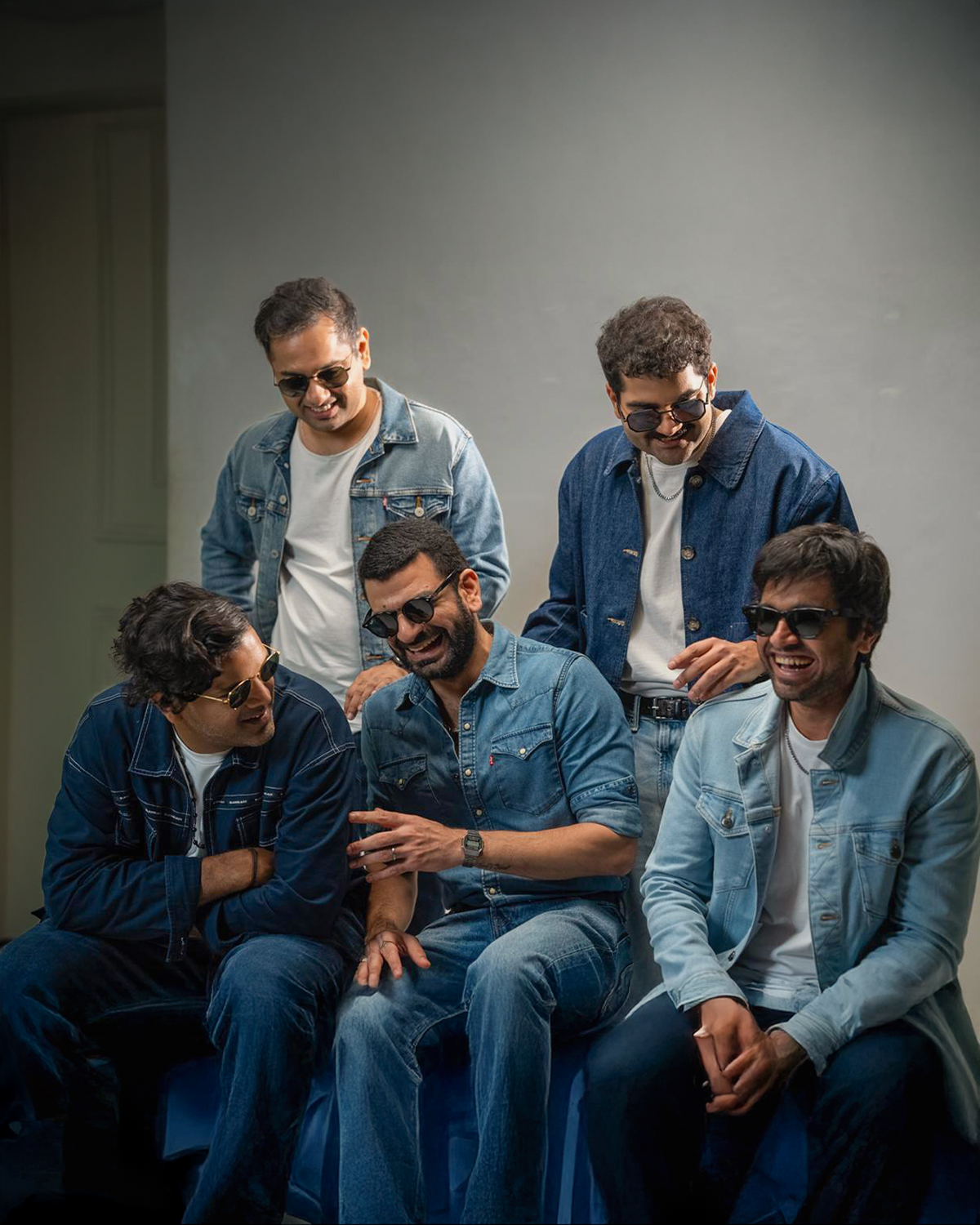
There are few music festivals in India that can claim to have aged alongside their audience. Fewer still have done so without losing their original intent. SulaFest, now returning for its 15th edition on January 31 and February 1, 2026, at Sula Vineyards in Nashik, belongs firmly to that small category.
Long before vineyards became shorthand for lifestyle travel or music festivals turned into content farms, SulaFest positioned itself as a meeting point for sound, land and people who came not just to be entertained, but to listen.
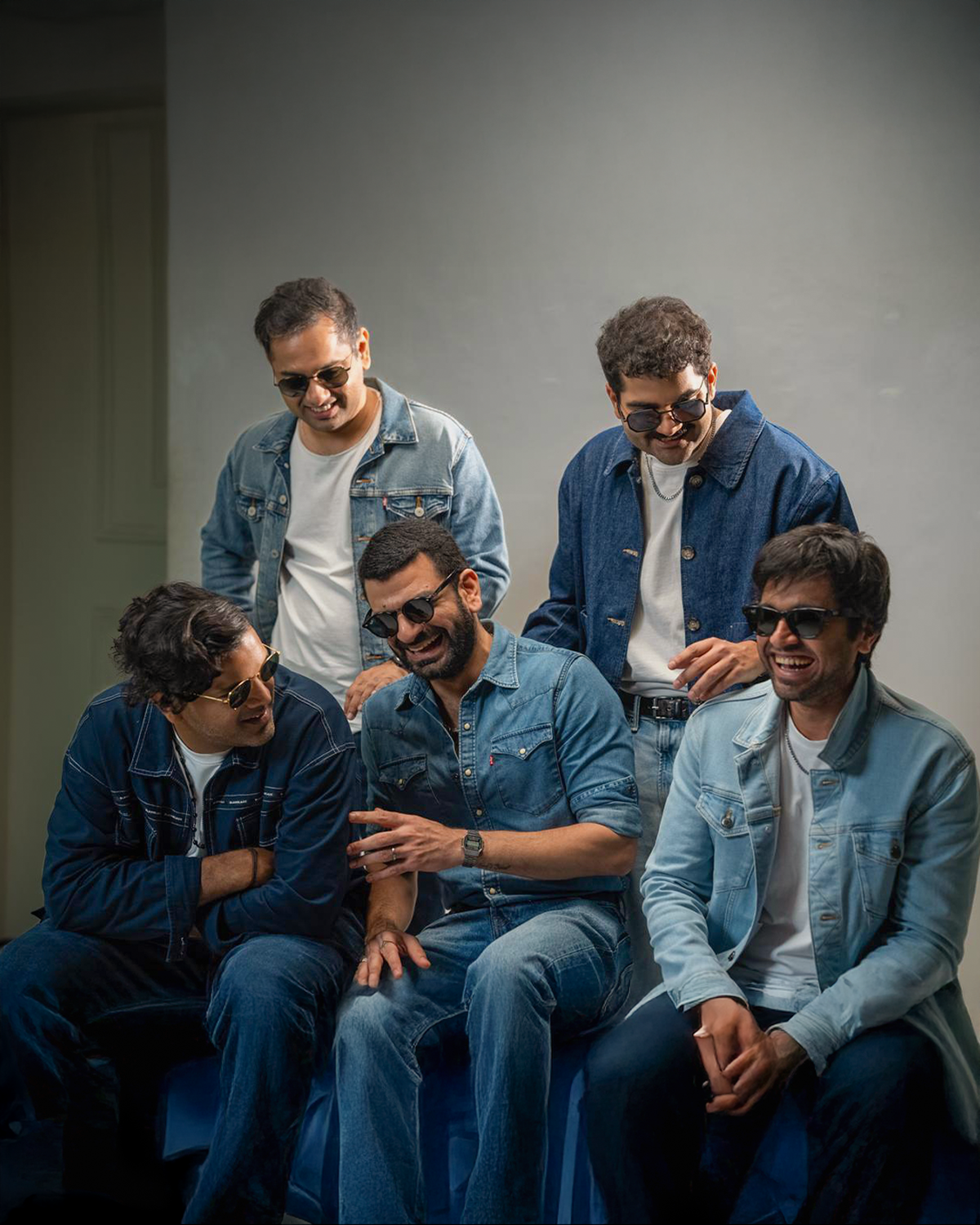
The Yellow Diary
| Photo Credit:
Special arrangement
The festival’s return last year, after a five-year hiatus, felt like a recalibration. The pause, according to Rajeev Samant, CEO of Sula Vineyards, allowed the team to strip the festival back to its essentials.
“The break helped us reimagine SulaFest as a more intentional, immersive experience rooted in authenticity,” he says. Scale, he realised, was never the point. “Connection has always been our intent. Between artists and audiences, between wine and music, and between the festival and the landscape that hosts it.”
That thinking carries through into the 2026 edition, which leans decisively into homegrown talent while retaining the sense of discovery SulaFest has always been known for. The line-up reads like a snapshot of India’s contemporary independent scene: Nucleya and King headline, artists who have each reshaped the mainstream conversation in their own way, while still remaining deeply rooted in personal storytelling. Midival Punditz return with Karsh Kale and Kutle Khan, bringing together electronic production, live percussion and Rajasthani folk vocals in a collaboration that has long been foundational to India’s fusion movement.
Something personal
Alongside them are acts that thrive on intimacy rather than spectacle: The Yellow Diary’s lyric-driven indie pop, Swarathma’s folk-rock with its unmistakable political and cultural edge, and Princely States Dub Orchestra’s high-energy blend of ska, dub and reggae, designed as much for participation as performance.
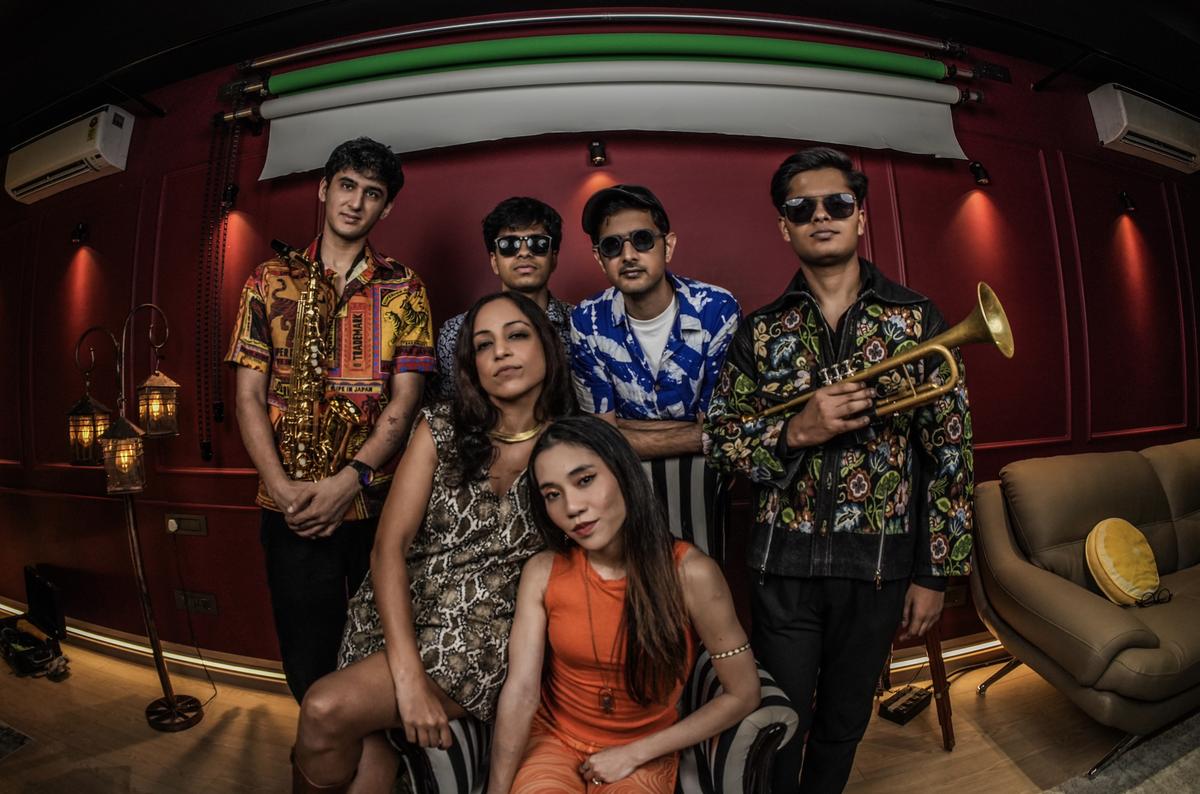
Princely States Dub Orchestra
| Photo Credit:
Special arrangement
Gaudi brings his globally informed dub sound, while Dot.’s understated songwriting offers contrast and pause. Dark Circle Factory’s art-rock experiments, Daira featuring Queendom’s electronic-pop sensibility, OG Shez’s hip-hop and Suggahunny’s bass-heavy dub and dancehall textures round out a roster that refuses to sit comfortably in any one genre.
For rapper Arpan Kumar Chandel, aka King, who will be performing at SulaFest for the first time, the festival’s influence was felt long before he stepped onto its stage. “You could sense that it was nurturing a culture — artists expressing themselves honestly, audiences listening with openness, music existing without pressure,” he says.
Artists who have been part of SulaFest’s longer arc speak of it in similarly personal terms. Chaitanya “Chazz” Bhalla of Princely States Dub Orchestra, known for its genre-bending blend of dub, jazz, rock, and psychedelic soundscape, remembers attending the festival as a listener before performing in 2017 with The Skavengers.
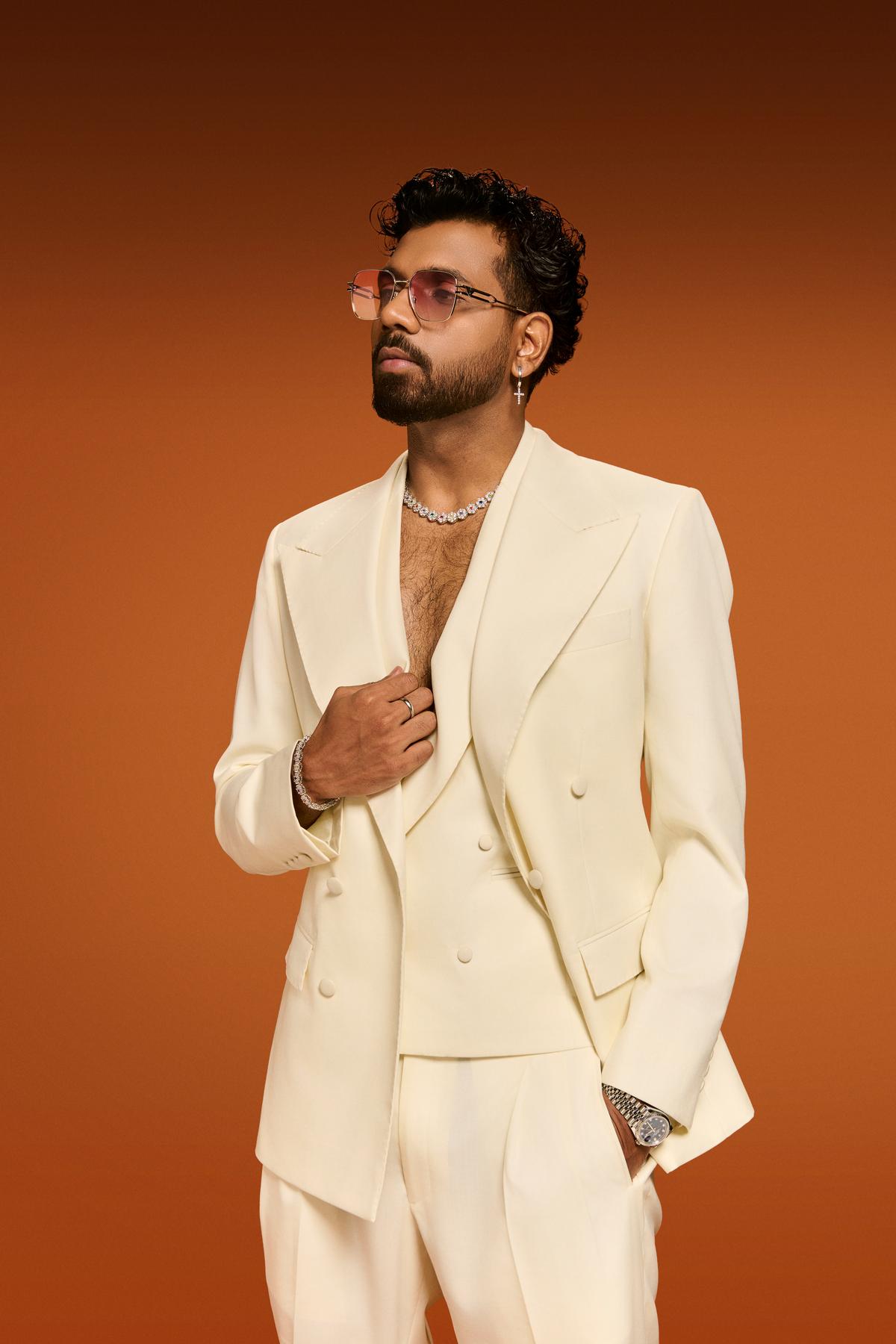
King
| Photo Credit:
Special arrangement
He recalls warming up the stage for international acts, discovering bands like Dubioza Kolektiv, and watching legends such as The Beat with Ranking Roger, Parov Stelar and Jungle across different editions.
What stayed with him, though, was SulaFest’s instinct for music-first curation. “It’s one of the few festivals that focuses on experience rather than metrics,” Chazz says. Returning this year with PSDO feels like a progression, a marker that the band — and the scene — has levelled up.
That sense of continuity is especially evident in The Yellow Diary’s relationship with the festival. Guitarist Stuart D’Costa remembers playing a sunset slot at SulaFest as far back as 2011, returning again in 2014, and watching it steadily grow while retaining a distinct identity.
As an audience member, he recalls discovering international acts like The Cat Empire and Balkan Beat Box, but SulaFest also holds a memory that has nothing to do with music programming. “Twelve years ago, this is where I met the love of my life,” he says. “She dragged me onto the dance floor. This year, we’re recreating that memory.”
That closeness is central to how the festival functions. “In an intimate setting, there’s no hiding,” says The Yellow Diary’s Harshvardhan Gadhvi. The proximity forces artists to be more authentic than perfect, responding to the room rather than retreating behind volume or effects. It is a dynamic that works particularly well in Nashik, where the audience, as Sahil Shah of The Yellow Diary notes, arrives ready to listen. “Softer genres and lyric-driven songs speak differently in a vineyard setting,” he says. “The audience has travelled, and they’re there for the music.”
Published – January 27, 2026 07:24 pm IST


