




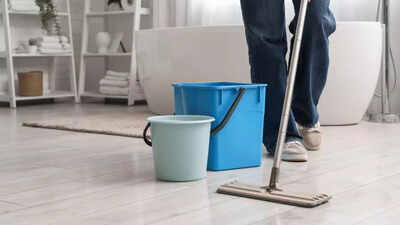
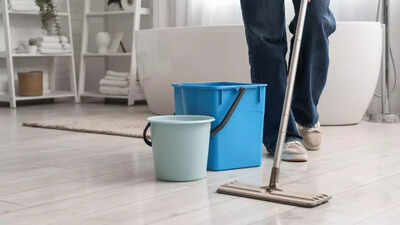
Mopping floors is a task that not many people can avoid, but what if it could actually be quite invigorating and have that freshly clean smell attached to it? It is sad to say that it is not uncommon for people to thoroughly wash and mop their floors, only to find that they can still detect a stinky and dull finish lurking in the corner or in every corner that they turn to look. The good news is that it doesn’t have to be that way. It is always possible to turn and tune up that basic mop water into a floor-cleaning superhero sensation by just adding a few key ingredients that have nothing but completely natural properties and are even found or derived from common household items that you may have lying around!
7 Things to add to your mop water to make the floors cleaner
A simple change to your mop water can make a big difference in how clean and fresh your floors feel. Here are seven things that you can mix into mop water:White vinegar has been a cleaning legend due to its versatile uses extending far beyond its ability to cut through grime. Its slightly acidic pH ensures it can effectively dissolve dirt and residue left behind by foot traffic. Mix it into your water when mopping, and it can effectively dissolve sticky residue for cleaner floors without lingering chemical odours. If you have concerns over its strong smell, blending it with essential oils should correct any odours.

Lemon juice naturally freshens and aromatises any room with its invigorating scent. The acidity of lemon juice has been shown to have the same effects on grease and smells as vinegar. Simply mix some lemon juice with water in your mop bucket to freshen your floors to a clean, fresh smell. Another benefit of this natural cleaning ingredient is its ability to give a shining appearance to hard surfaces.

If you want a quick, fresher fragrance in your home, you can resort to essential oils. Some of the best ones you can try include lavender oils, tea tree oils, eucalyptus oils, and orange oils. Not only do they dispense a great fragrance to your mopping liquid, but they also impart a mild antiseptic quality to it. All you need to do is mix a few drops of your desired oils in a gallon of mopping liquid and get mopping!Baking soda is most recognised for its deodorising properties. By incorporating it with the water used for mopping, it is effective at eliminating various smells because it doesn’t merely disguise odour but eliminates it too. Another great property of baking soda is that it is mildly abrasive and thus useful for lifting dirt, too, and it is safe on most types of floors.Use a little mild dish soap. This is quite helpful if mixed properly with water for mopping. It ensures the removal of grease and other dirt that may not be completely removed by water. Just add a little water and make it sudsy but not foamy. If it becomes too slippery, it may not be clean. This will be very helpful before cleaning thoroughly.
- Rinse-free floor cleaners
Ready-to-use, rinse-free floor cleaners can be purchased off the shelf to dissolve away dirt without any need for scrubbing or rinsing. In your mopping bucket, these cleaner additives can enhance your water’s cleaning ability and also leave a fresh, scented finish. Simply follow usage directions for dilution, opting for fragrance-free chemicals for sensitive noses or households where pets and kids are present.
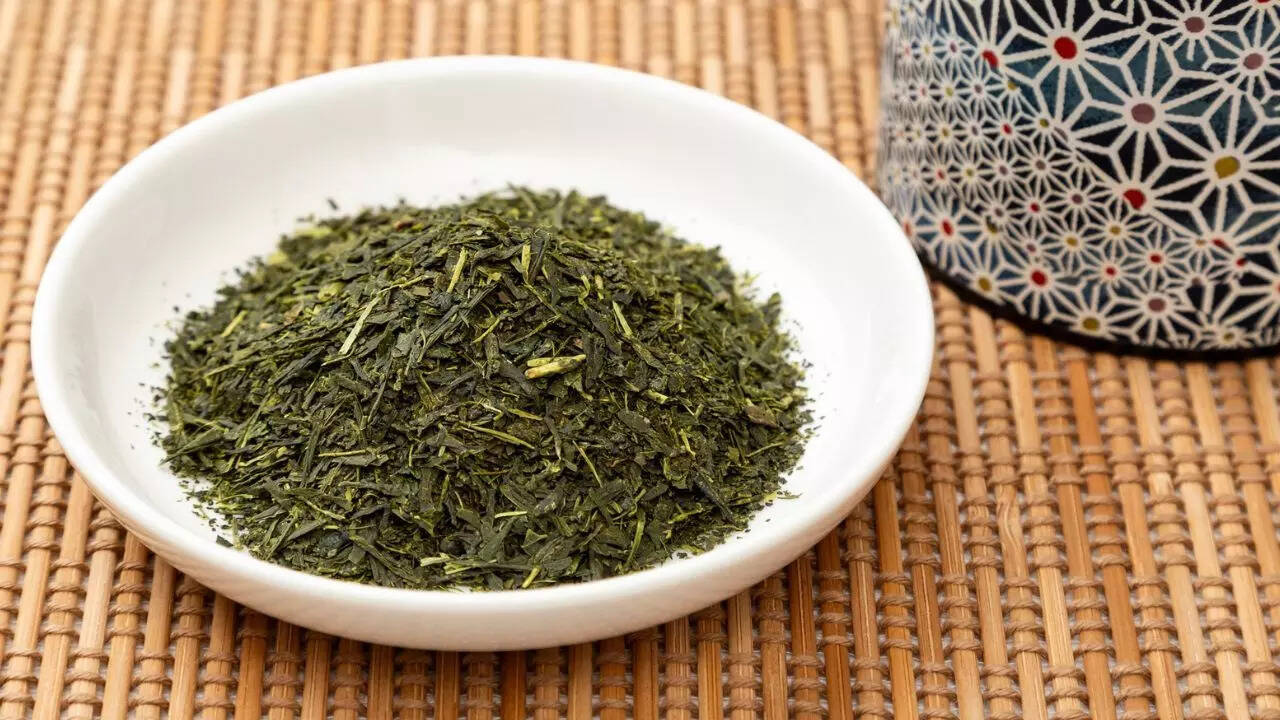
This may sound strange, but brewed green tea can be a pleasant addition to your mop water. The scent of the brewed green tea is not overwhelming but quite refreshing. It also has abilities that help break down light dust and eliminate unpleasant odours. Adding steeped tea to your mop water will be a great, eco-friendly alternative. This is not just a great way to revive your floors, but also makes your home smell light and calm.
Can you use vinegar and baking soda together in mop water
Some people may be wondering whether mixing two household favourites that are always used to clean floors, vinegar and baking soda, together could give their floors a boost in cleanliness. The thing is, vinegar and baking soda are great cleaners on their own, but if they are properly mixed, they may as well be poured down the drain because they won’t be that effective anymore, since they can create a harmless chemical reaction that eliminates their ability to clean properly. For instance, baking soda should be applied to floor areas that are hard to clean, and then vinegar can be used to clean it up properly by mixing it with water.