




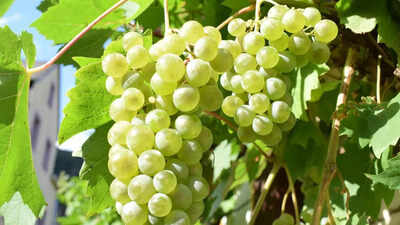
A home vineyard, and in turn, a home grape farm, proves to be one of the most gratifying gardening adventures you can ever embark on, especially if you get to witness firsthand your very own grapes developing in the first harvest right from your own planted vineyard! Whether you wish to grow sweet dessert grapes, organic juice grapes, or even wine grapes, having a proper foundation will go a long way in every step you take in developing your very own home vineyard and home grape farm! Unlike most other fruits that require extensive attention from you almost every day, your grapevine happens to be pretty adaptable after planting, and with proper attention and maintenance, you can easily grow your very own healthy and productive grapevine and can enjoy a healthy yield!
The ultimate guide to growing healthy grapes in your own backyard
Follow these steps to grow delicious and healthy grapes in your backyard with ease:
- Choosing the right location
It is essential to find the best location. Grapevine plants require at least 6 to 8 hours of direct sunlight per day to allow the grapes to ripen to a sweet flavour. It is also essential that there is sufficient airflow to prevent the development of diseases in the plants, as well as to facilitate the pollination of the plants. Grapevine plants also require a site that is well-drained to prevent root rot, which may be a result of standing in a low-lying location.Healthy soil is the base for productive vines. Grapes love well-draining, sandy loam that is high in organic matter. Check your soil pH; it should be between 5.5 and 7.0 for proper nutrient uptake. Improve fertility and drainage by incorporating compost, aged manure, or leaf mould. Taking the time now to adequately prepare the soil greatly enhances the vigour and health of your grapevines, making future care far easier.
- Selecting and planting grapevines
Choosing the right variety is key. Determine whether you want table grapes for eating, juice grapes, or wine grapes. Purchase certified organic starts or healthy rooted cuttings to give your vineyard the best start. Dig a hole twice as wide and deep as the root ball in which to plant, setting the vine; firm it gently, and then water it deeply to settle its roots. Young vines need consistent moisture during their first season to establish a strong root system.Grape vines require meticulous watering. For young vines in their first year, watering should be done in depth, and once a week, depending on rain. As vines mature, they become less sensitive to water, so you should change to less frequent deep watering that promotes root development. Mulching with straw or bark helps retain water, reduces soil heating, and prevents weeds from growing. Well-watered vines should have robust leaves with grapes that are sweet and luscious.Grape vines are climbing plants and require support. The installation of a trellis system will raise vines above ground level, promote exposure to sunlight and facilitate pruning. Some options are:
- Single wire trellis — simple and beginner-friendly
- Vertical shoot positioning (VSP) — ideal for wine grapes and airflow
Construct your trellis before planting because you don’t want to interfere with the roots later on. When done correctly, this support helps vines grow well while allowing for maximum fruit production.
- Seasonal care for healthy grapevines
A big part of this process involves taking care of the vines seasonally. In spring, the aim is to prune the dormant vines and train the new growth on the trellis. While summer represents an important period where thinning of too much foliage is essential to improve air circulation, autumn marks the period for harvesting the fruits at the ripe stage. Meanwhile, in winter, it is important to shield the vines from harsh conditions by layering.
How to protect grapes from pests and diseases
Pests, insects, and diseases can affect grape production. To ensure healthy vines, it is necessary that you:
- Inspect regularly for aphids, spider mites, or caterpillars
- Prune carefully to remove dead or diseased wood
- Use organic sprays like neem oil if needed
- Keep the area clean to prevent fungal diseases
- Early control prevents heavy infestations, protecting grapes from damage.
How to wash grapes before eating
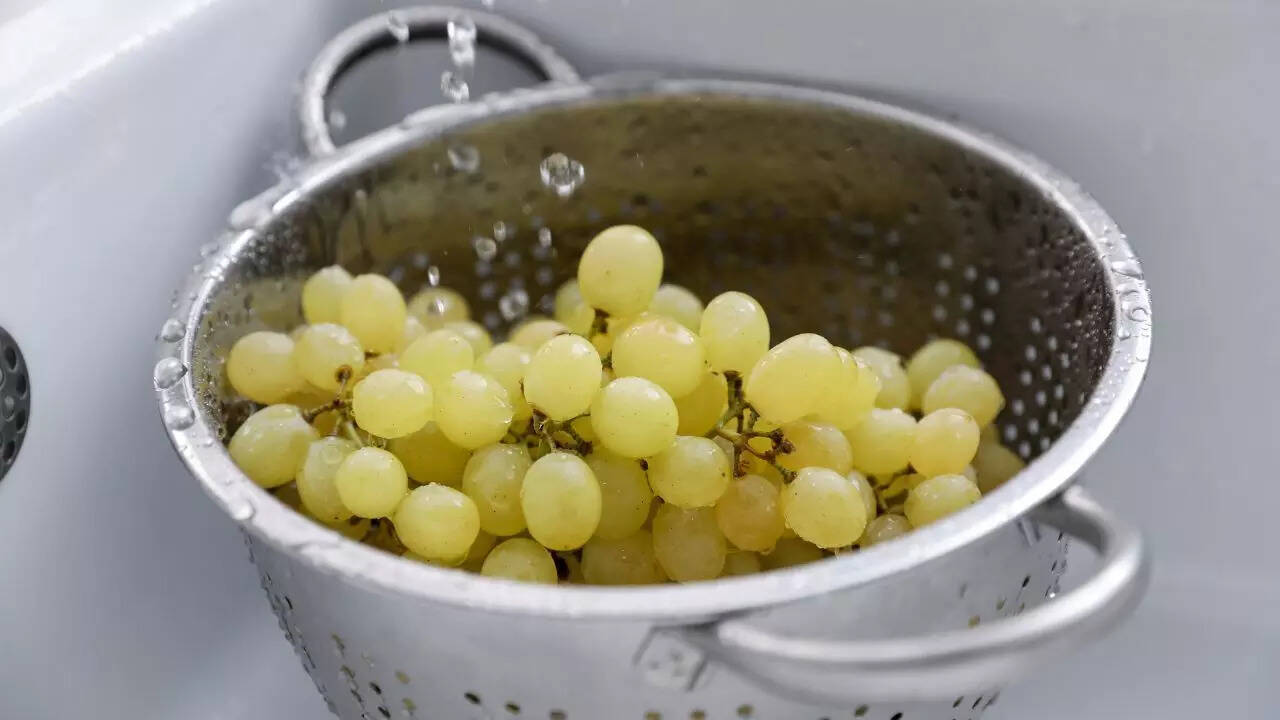
Even homegrown grapes require washing:
- Rinse under cold running water to remove dirt and insects.
- Soak in a mild vinegar solution, which is 1 part vinegar and 3 parts water, for 5 minutes to remove pesticides or bacteria.
- Rinse again thoroughly and pat dry with a clean cloth or paper towel.
It is, therefore, important that you wash grapes well to ensure that they are clean and ready to be enjoyed.