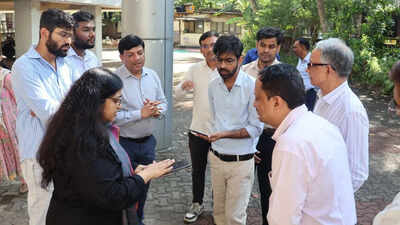




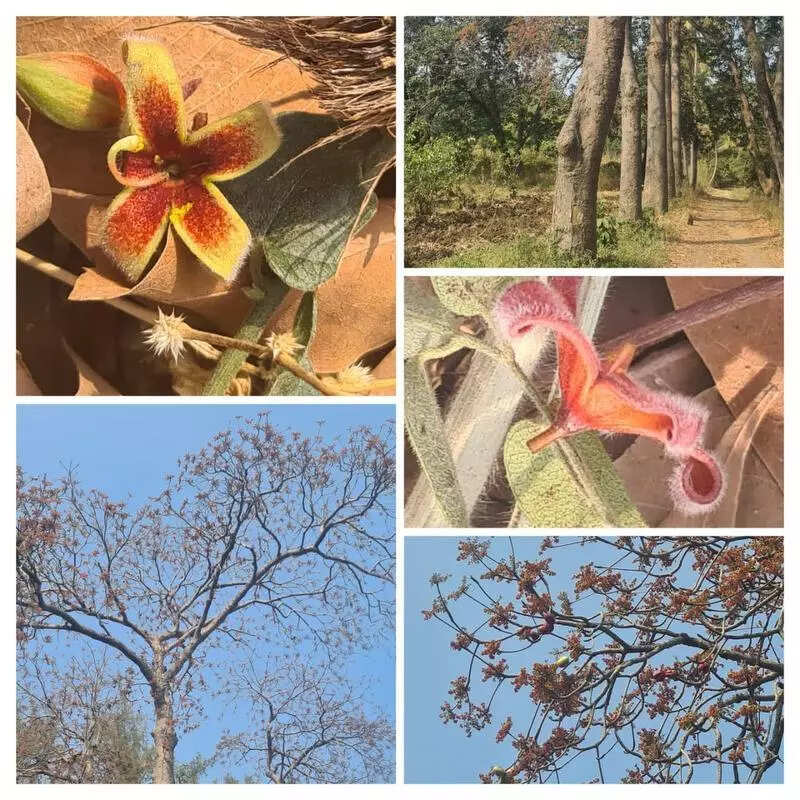
The mapping exercise was conducted by a group of citizens as part of an ongoing initiative to document the flora and fauna of the city’s river corridors and green lungs, including the notified biodiversity heritage site at Ganeshkhind. Ajay Homkar, a volunteer with Pune River Revival (PRR), said that the initiative aims to build a long-term ecological record. “The goal is to systematically document trees, birds, and other wildlife within the botanical garden and along the river. By understanding these ecosystems better, we can advocate more effectively for their protection,” he said. The documentation team encountered a thriving but complex ecosystem. Despite the urban surroundings, the area remains a vital habitat for avifauna. Key sightings included plum-headed parakeets, spotted owlets, grey hornbills, and several species of water birds,wild-almond trees in bloom and mature riparian trees draped in lianas (woody climbing vines). However, the team faced significant physical challenges. “Movement was difficult in certain patches due to thick undergrowth and dense vegetation. Furthermore, many trees and lianas are currently in a pre-spring phase, shedding leaves, which made species identification more complex,” Homkar noted. The exercise also exposed the heavy toll of urban neglect. Volunteers observed raw sewage flowing through the stream and a significant accumulation of plastic debris. “We saw plastic bottles being carried by the current and getting trapped in the riparian bushes. This is a clear indicator of the continued pollution of our river systems,” Homkar said. Following the documentation session, the group conducted a small-scale cleanup to remove the trapped plastic. The group also raised concerns regarding the ongoing construction of a nearby sewage treatment plant (STP). While the plant is intended to help the river in the long run, the current construction phase is causing immediate ecological damage. “Heavy machinery and extensive digging have led to the loss of small bushes and grasslands. This has destroyed the micro-habitats of birds, insects, and other fauna that rely on this specific green cover,” Homkar added.