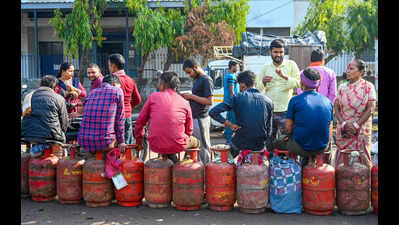






New Delhi: The city’s energy consumption patterns are undergoing a silent but significant transition, with households steadily shifting from traditional LPG cylinders to piped natural gas (PNG), according to a Delhi govt report. While the overall energy demand in the city continues to rise, data for 2021-22 and 2024-25 shows LPG sales remained flat for several years and in some segments declined.
On the other hand, PNG connections increased from 12.6 lakh in 2021-22 to over 17.2 lakh in 2024-25 — a jump of nearly 37% in four years. The data for 2025 will be known later this year, a govt official said. Experts in the energy sector say this shift reflects changing consumer preferences and infrastructure expansion in Delhi’s residential areas. PNG has emerged as a more convenient alternative to LPG with domestic consumers finding the former cost-effective as well. While subsidised LPG cylinders may appear cheaper upfront, stable PNG pricing and ease of use make it more economical over time in areas covered by gas pipelines. It also offers uninterrupted supply, no booking hassles and a lower per-unit energy cost. This trend aligns with Delhi govt’s broader push towards cleaner fossil fuels on the roads to curb urban pollution. The city’s petrol consumption rose steadily from 693 thousand metric tons (‘000 MT) in 2021-22 to 1,035 ‘000 MT in 2024-25. However, diesel sales peaked at 662 ‘000 MT in 2022-23 before declining to 614 ‘000 MT in 2023-24 and further to 558 ‘000 MT in 2024-25. This gradual shift away from the use of diesel is another indicator of changing fuel dynamics in the city. Govt officials attribute this to tighter emission norms, a ban on diesel vehicles after 10 years of age and a shift towards CNG and electric vehicles. Back to PNG. Its network in Delhi expanded at a rapid pace, with the total pipeline length doubling in the past five years from over 16,000 km to nearly 32,000 km, an Indraprastha Gas Ltd (IGL) official said. This played a key role in connecting more households to the network. However, most unauthorised colonies in the city are still outside this grid, leaving their residents dependent on LPG cylinders. This is largely due to safety concerns and technical feasibility, which prevent laying and maintaining gas pipelines in these areas. Nevertheless, the number of PNG connections is set to rise further as govt has stepped up efforts to extend the network to the city’s villages. More than 260 out of Delhi’s nearly 350 villages have already been connected to the grid. Work to link the rest of the areas is underway, with all villages in Delhi likely to be covered within the current year, the IGL official said.