





2025 was a year of recalibration for Hindi cinema. Massive blockbusters like Dhurandhar and Chhaava reaffirmed Bollywood’s unmatched box-office muscle by refining its mastery of high-octane nationalist spectacles and massy emotional dramas to suit the socio-political climate. The audience responded by showing a shift from strait-jacketed narratives such as War 2 and Sikandar to pick brutal depictions of violence and hate. Star value crumbled, while the scenes and dialogues, which seemed to be written with their social media virality in mind, became the new normal.
Romantic comedies also saw a drop in footfall as romance tinged with melancholy resurfaced. Saiyaara, Tere Ishk Mein, Dhadak 2 and Metro…In Dino found favour while the likes of Param Sundari and Sunny Sanskari… struggled. Be it jingoism or liberalism, the audience showed a shift towards layered narratives. Tehran and 120 Bahadur were no less patriotic in their themes, but didn’t identify the adversaries by their faith or clothes.

Beneath the tentpole triumphs lay a quieter revolution—tender, authentic mid-sized films such as Humans In The Loop, The Great Shamsuddin Family, Superboys of Malegaon and The Mehta Boys, alongside festival standouts, Homebound, Jugnuma and Agra, proved that heartfelt storytelling and nuanced relationships could coexist with the blockbuster variety, marking a maturing industry, utilising OTT options, learning to serve both the heartland and the discerning audience without abandoning either.
Here are 10 films you must catch up on before 2026 envelops you in its hustle and bustle.
Homebound
Even as the pandemic lockdown receded into a distant memory for the market and its attendant political proselytisers, director Neeraj Ghaywan made us look into a rear-view mirror to discover that the fractured social reality is closer than the world makes us feel. Homebound explores themes of friendship, caste and communal discrimination, migration, and desperation amid socio-political challenges in not-so-shining parts of India, without overt melodrama. What makes it special is the compassionate, empathetic portrayal of marginalised lives and the unfulfilled promises of progress. Layered with symbolism, Ghaywan follows two childhood friends with Dalit and Muslim second names chasing police jobs for dignity and stability, only for their bond to strain under mounting social distancing created by society and a raging virus. Bankrolled by Karan Johar and made with an eye on festivals and the international audience, it is not as introspective as Masaan, but its social commentary is not flattened by ambition and big Bollywood. All eyes are now on January when the list of Oscar nominees will be out.
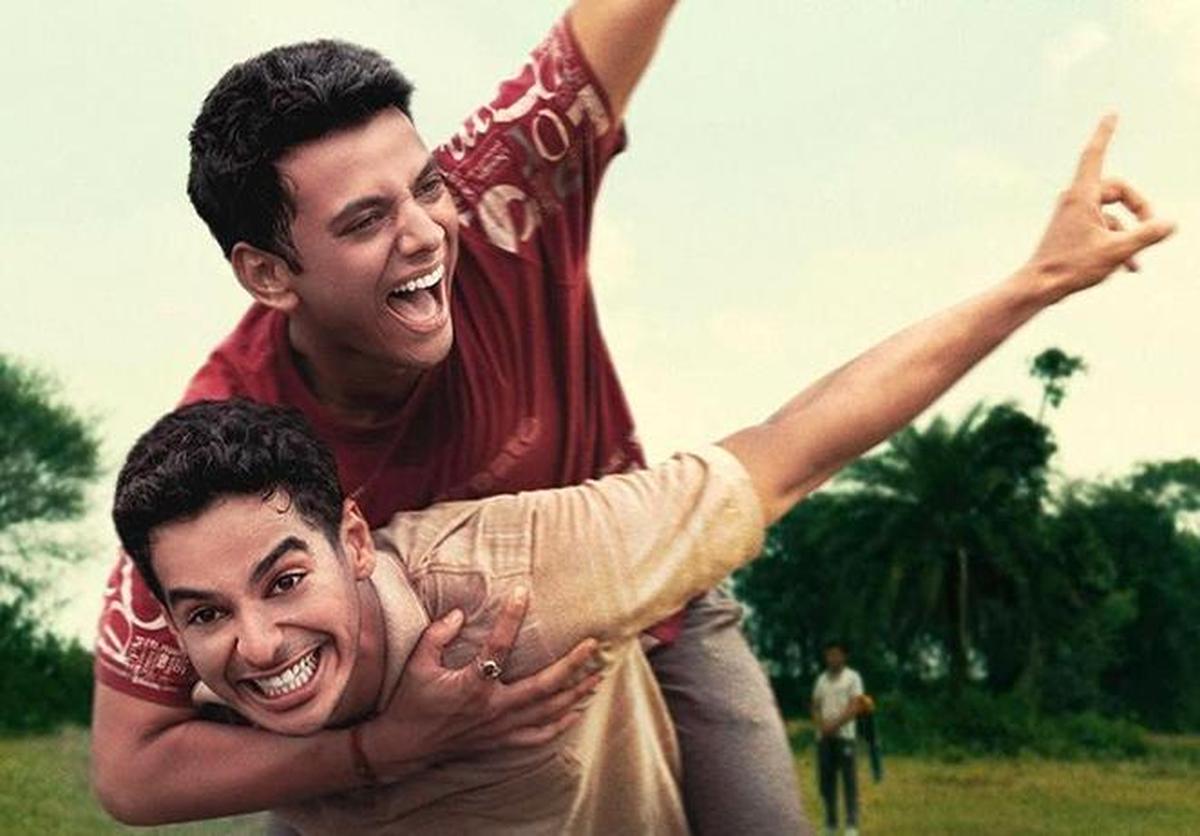
A still from ‘Homebound’.
Humans in the Loop
One of the most thought-provoking Indian films of recent years, Humans in the Loop, spotlights unsung women powering global artificial intelligence while reflecting on humanity’s imprint on machines. Unlike most films that portray AI as futuristic or dystopian, director Aranya Sahay focuses on the real-world “human-in-the-loop” process: data labelling by low-wage rural workers. It follows Nehma, tenderly played by Sonal Madhushankar, a single Oraon mother in Jharkhand who returns home after a divorce to annotate images and videos for AI. The film shows how biases from dominant cultures seep into AI, contrasting this monotonous tech work with lively Indigenous ecological knowledge and community life.
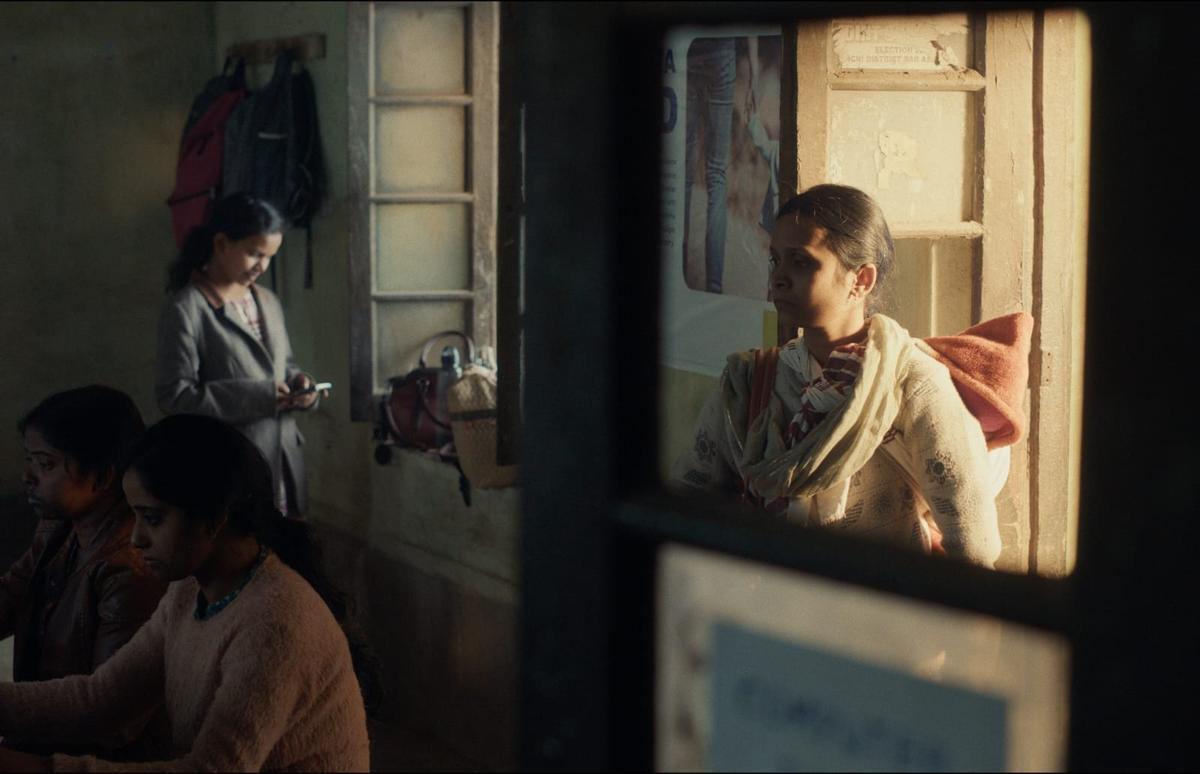
A still from ‘Humans in the Loop’.

The Great Shamsuddin Family
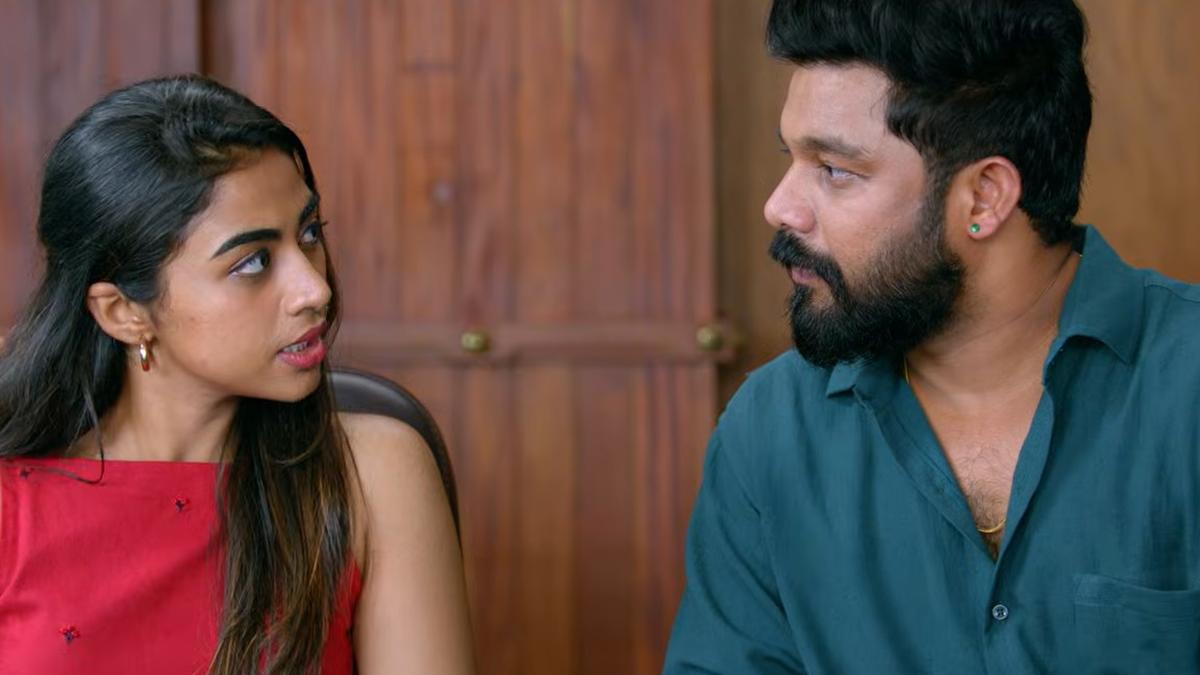
Anusha Rizvi’s warm, witty comedy-drama stands out for its relatable portrayal of family chaos and subtle social commentary. The film’s greatest strength lies in its outstanding cast, particularly the women who dominate the screen. Led by Kritika Kamra, Farida Jalal, and Sheeba Chaddha, the ensemble makes the characters’ quirks and concerns absolutely tangible. In an era of polarised storytelling, the film offers a rare, unpretentious depiction of an upper-middle-class Muslim household. It normalises everyday Muslim life without stereotypes, subtly weaving in contemporary anxieties like interfaith relationships, minority insecurities, and societal tensions through oblique references rather than heavy preaching.
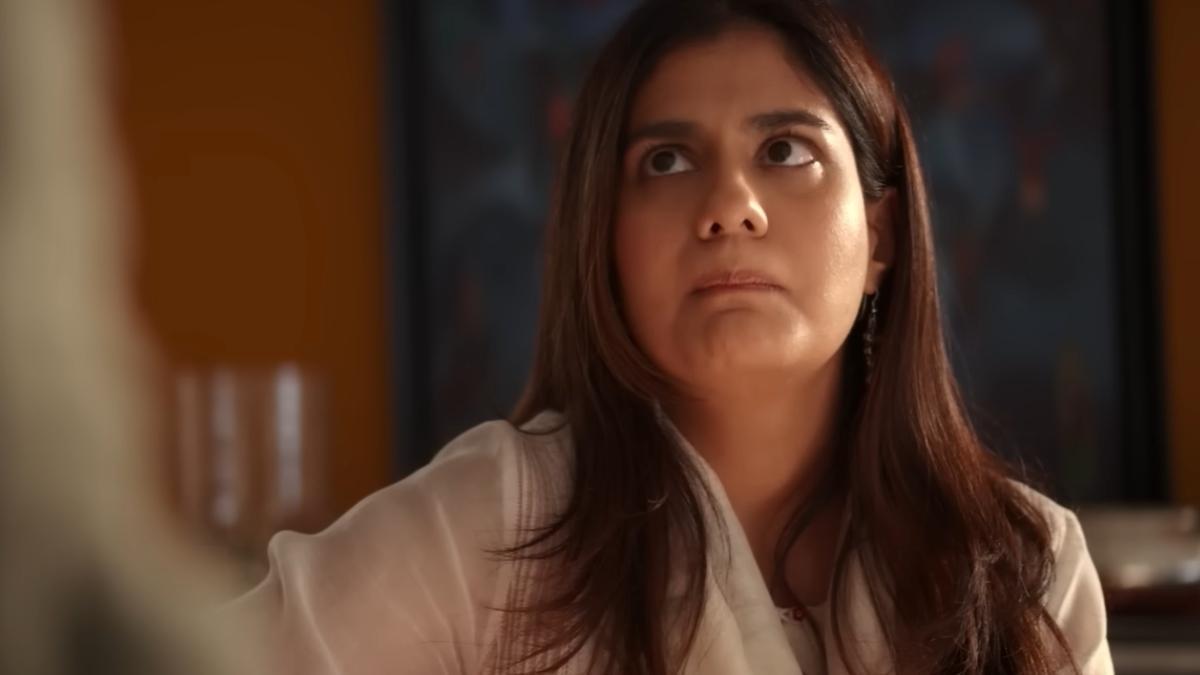
Jugnuma: The Fable
Coming at a time when the debate about the original inhabitant and the migrant trespasser is raging across the world, Raam Reddy mounts a fable that captivated with its challenging ideas and distinct voice. Made for the connoisseurs of cinema, the evocative visuals and elements of magic realism are reminiscent of Marquez and M. Night Shyamalan, yet Raam creates his own unique world in the Himalayan hills. Shot on 16mm film, the visuals feel like weathered memories stored deep in one’s conscience, prompting moments of guilt and self-reflection. Deftly navigating the moral ambiguity of the central character, Manoj Bajpayee gives wing to Raam’s imagination.
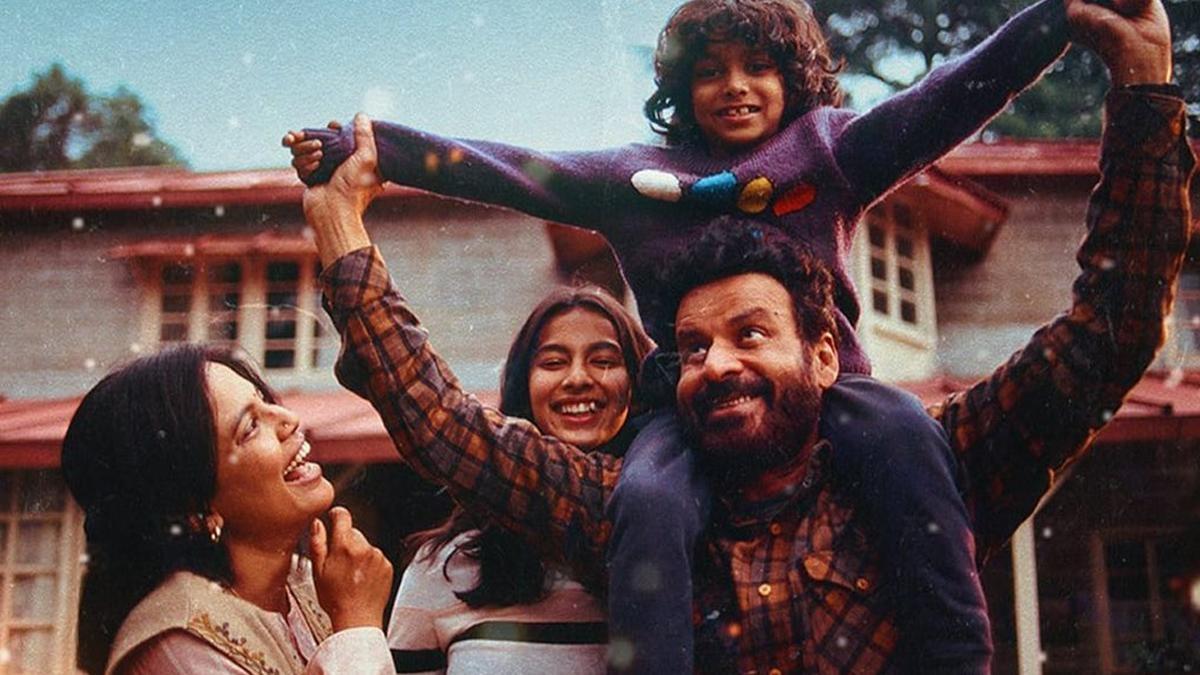
Manoj Bajpayee in ‘Jugnuma: The Fable’.
Saiyaara
This monsoon, Bollywood rediscovered young love with age-appropriate actors. At a time when most filmmakers overemphasise the physical attraction part, Mohit Suri set up a metaphorical relationship between the tune and the lyric through talented newcomers, Aneet Padda and Ahaan Panday. If Ahaan portrayed the qualities of a star, Aneet demanded undivided attention for her measured performance as a heartbroken girl who deletes Instagram from her phone to create space and etch something lasting into the memory of time. The headstrong singer boy questions privilege and shuns instant fame for fidelity. Both exuded the much elusive X factor that propels actors into stardom. With songs that could melt the coldest of hearts and memory playing the villain, the film became an answer to rage-baiting that threatened to pull us apart this year.

Haq
The best form of propaganda is when it doesn’t feel like one. Based on the Shah Bano case that crystallised the charge of Muslim appeasement against the government of the day and continues to evoke polarised reactions, Suparn Verma’s Haq tackles the clash between personal law, secular rights, gender justice, and interpretations of faith without turning preachy, sensationalist, or vilifying any particular community or party. With an even-handed gaze, Suparn thoughtfully probes patriarchy and the misuse of religious norms, focusing on human dignity and equality. As a resilient woman fighting for maintenance rights, Yami Gautam Dhar delivers a career-defining performance, full of restraint, rage, and quiet strength. Emraan Hashmi shines as the manipulative yet competent lawyer-husband, bringing quiet menace and layered conviction to a challenging role.
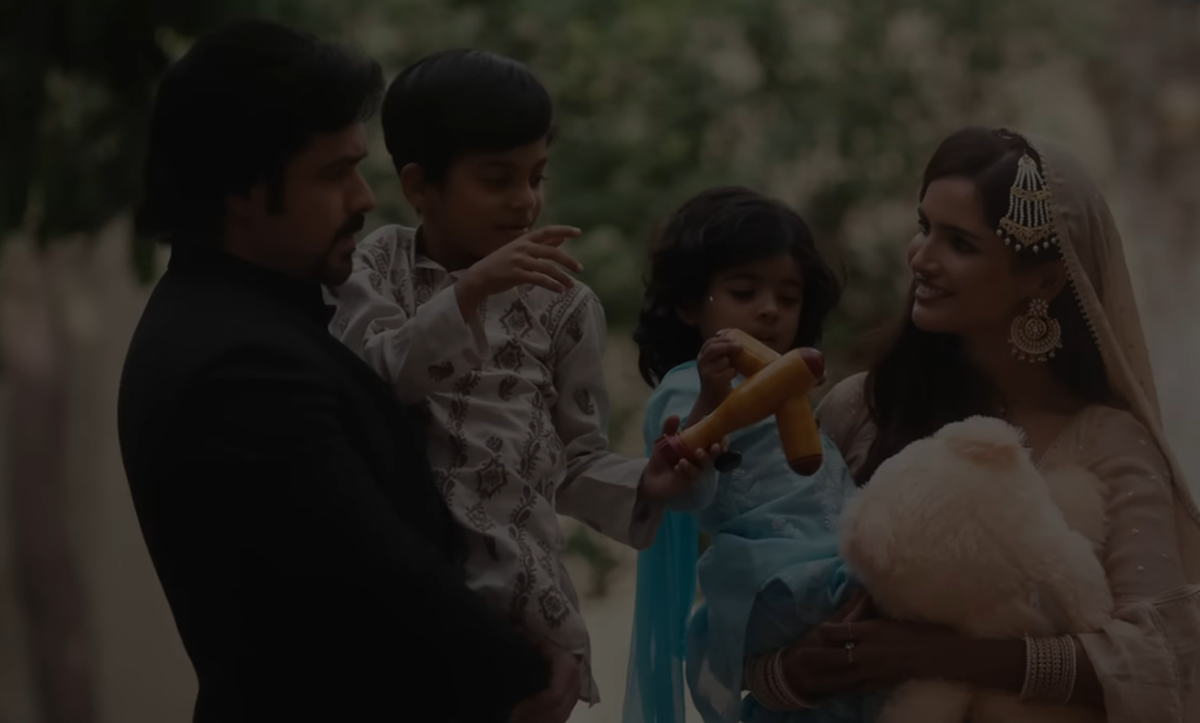
Emran Hashmi and Yami Gautam Dhar in ‘Haq’.
Agra
A festival favourite that challenges viewers, Agra sparked discussions on desire, space, and societal rot in a way few films dare. Set in a suffocating Agra household, director Kanu Behl examines male sexual misery amidst fractured relationships and urban frustration. It probes how patriarchy, repressed desires, and lack of personal space lead to psychological breakdown and violence. Debutant Mohit Agarwal and Priyanka Bose bring nuance and courage to mentally and physically damaged characters who complete each other.
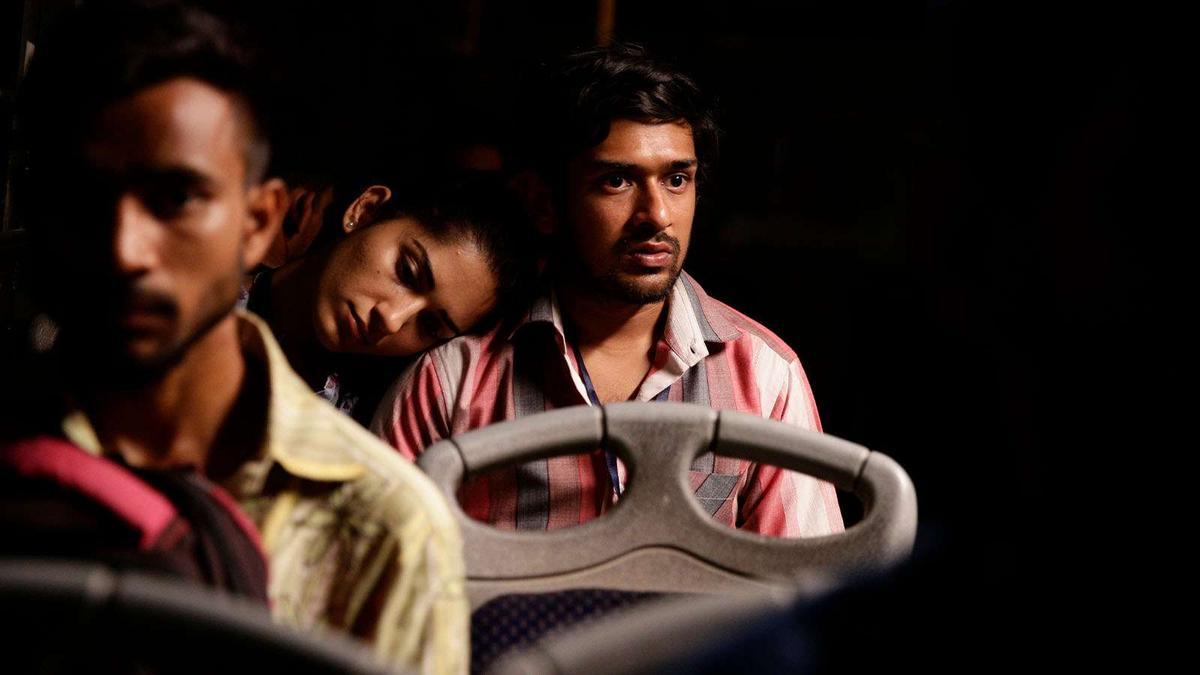
A still from ‘Agra’.
Maintaining emotional honesty, Kanu imparts the screenplay a worm-like rhythm and thriller-like unease. Showing empathy for flawed characters without redemption or judgment, the film becomes an unsettling reminder of patriarchy’s self-destructive nature.
The Mehta Boys
An authentic and relatable exploration of father-son dynamics, set over a forced two-day company after the mother’s death, Boman Irani’s debut directorial venture delicately unpacks unspoken emotions, grief, pride, and reconciliation without melodrama. The film’s heart lies in its nuanced performances. Boman delivers one of his best performances as the stubborn, grieving widower, winning praise for blending old-age eccentricity with quiet pain. Avinash Tiwary complements as the insecure son, Amay, capturing emotional turmoil and generational frustration with restraint. The unsaid elements, subtle gestures, and avoidance of grand confrontations make The Mehta Boys profoundly human and universal.
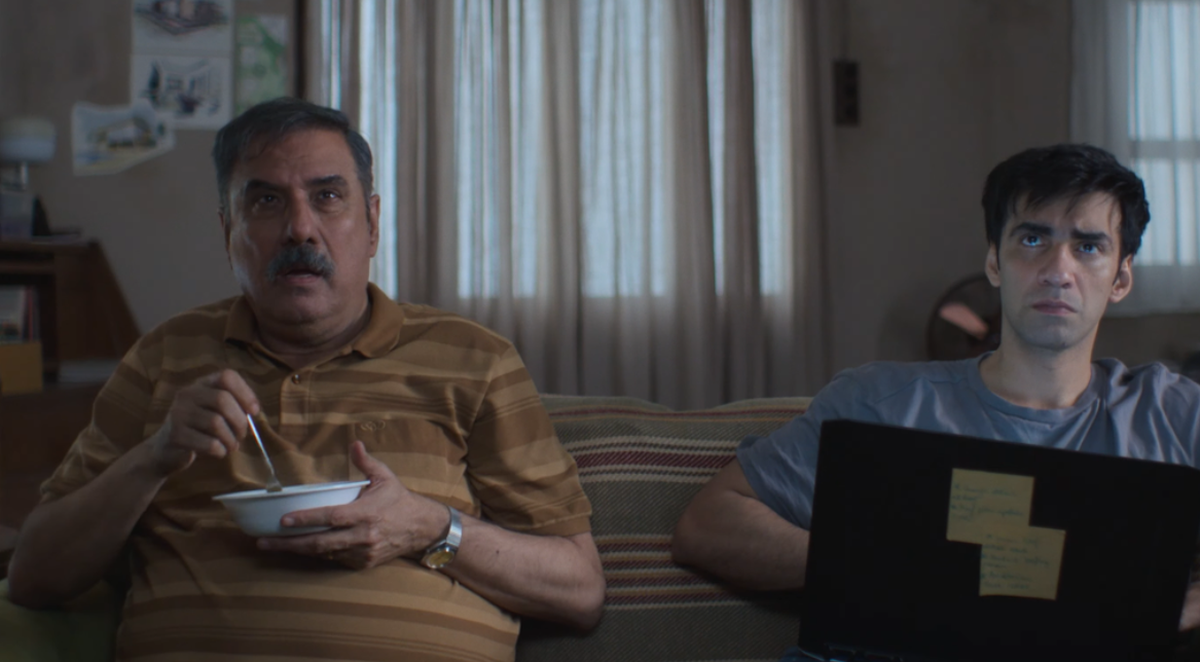
A still from ‘The Mehta Boys’.
Stolen
Inspired by a 2018 Assam lynching, Stolen deftly explores class divides, urban-rural chasm, and mob hysteria fuelled by misinformation and social media, systemic failures in a polarised society. Juxtaposing privilege with marginalisation and complicity in inaction, it probes moral dilemmas and perils of good intentions, sparking conversations on contemporary India’s fault lines. Director Karan Tejpal makes a bold, impactful debut, and Abhishek Banerjee drives the film as the pragmatic elder brother who transforms from a bystander to a survivor.
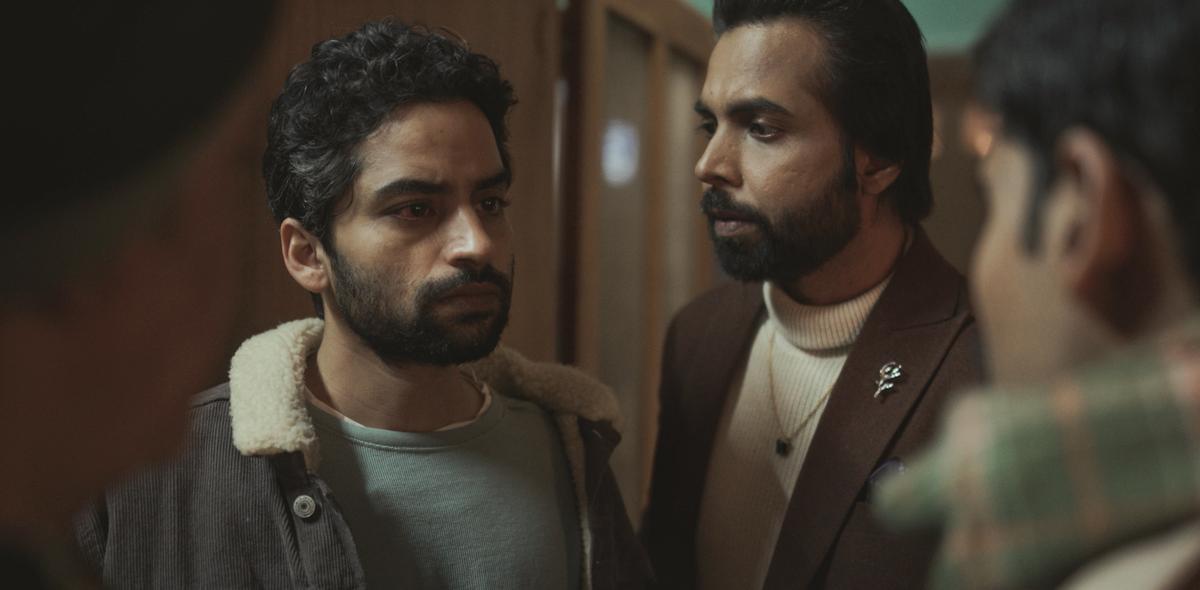
Shubham Vardhan and Abhishek Banerjee in a still from ‘Stolen’.
Dhurandhar
Aditya Dhar redefines the contours of the nationalist propaganda genre with a bold, brutal, and technically superior monster that dog-whistles its way to set the cash registers ringing at the box office, desperate to open files that can rage-bait the audience into submission.

A rare Indian spy thriller that exposes the machinations of Pakistan’s deep state and plays on the prevailing sentiment of majoritarian fear that sees Hindus as a weak lot waiting for an avatar, Dhar covers the simplistic political messaging with layered emotional drama and intrigue, heightened by superlative performances by Akshaye Khanna and Rakesh Bedi and sound design by Shashwat Sachdev. Its craft might be at odds with cinematic conscience, but Dhurandhar’s unmistakable swagger is worth a watch, and its success gives a sense of the nation’s pulse and the churn in storytelling in mainstream cinema in the days to come.
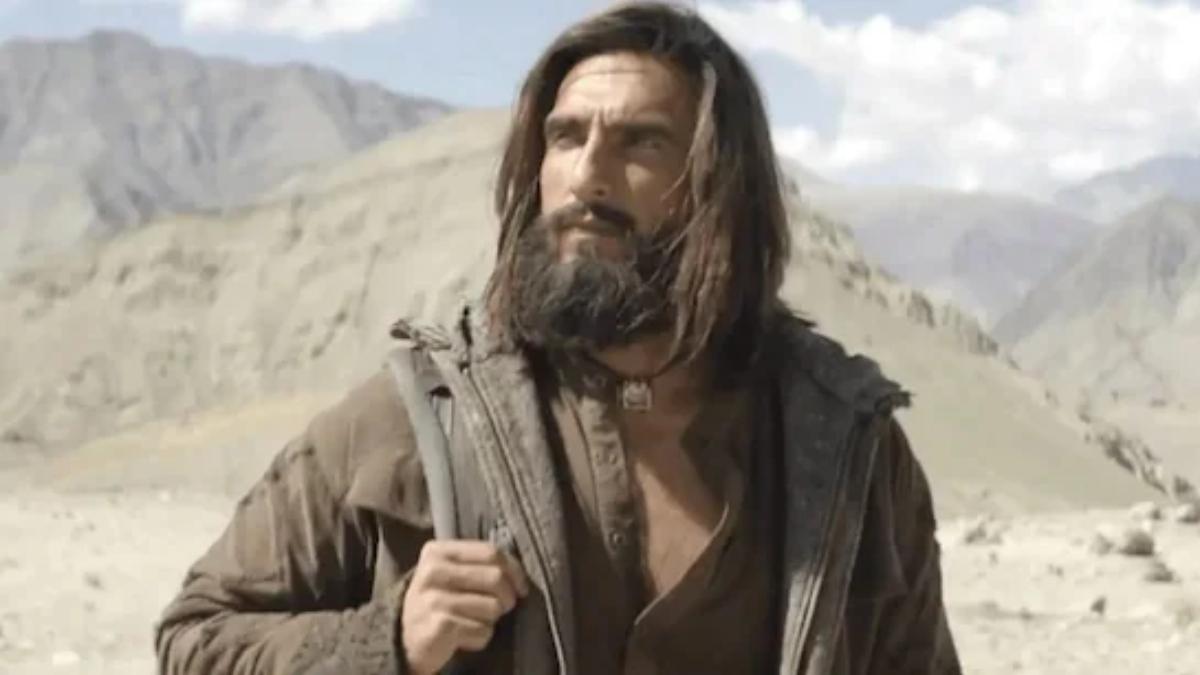
Ranveer Singh in ‘Dhurandhar’.
Almost there:
120 Bahadur: A sincere, smart, and technically proficient tribute to the heroic last stand at Rezang La in 1962, featuring intense war sequences and Farhan Akhtar’s commanding performance, which evokes genuine pride in unsung soldiers from the plains who rose to the occasion.
Ghich Pich: A tender, authentic coming-of-age drama that evocatively captures 2000s middle-class nostalgia, with endearing performances and organic explorations of father-son tensions, rebellion, and sexual identity.