





NEW DELHI: As the city’s markets glittered with festive lights and shoppers scrambled for last-minute deals this week, many thought they had stumbled upon an early Christmas miracle: Tucked away on electricity poles, shop windows and parking meters were QR codes promising a ‘free gift’. However, those who scanned the code didn’t find a voucher or a discount; instead, they received a lesson in digital self-control. This clever ‘cyber trap’ was the opening act of Santa Ki Seekh, an innovative two-phase awareness campaign launched by Delhi Police commissioner Satish Golchha.
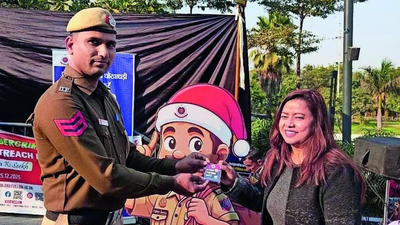
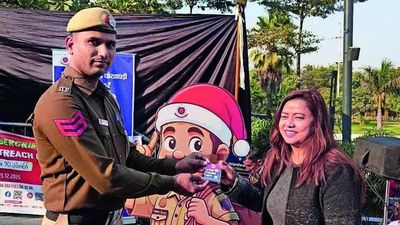
Recognising that this is the prime season for digital predators to strike, police chose to fight fire with a simulated spark. Between Dec 23 and 25, thousands of citizens were “trapped” by these dummy QR codes, only to be met with a sobering message about the risks of scanning unknown links. By Thursday, the campaign transitioned into high-energy street engagement. Across all 15 police districts, from bustling malls to crowded markets like Connaught Place, Barakhamba Road and Janpath, cops set up outreach hubs where Delhiites could drop in and ask queries related to various cybercrimes. “The atmosphere was a blend of carnival and classroom. In place of warnings, the public was greeted with interactive quizzes, cyber-safety games and street playsthat turned complex technical threats into relatable human stories,” additional commissioner of police Sanjay Tyagi said. The second phase wasn’t just about pointing out dangers lurking online, but about empowering people. Families who participated in the sessions walked away with more than just knowledge; they received small gift items printed with essential cyber-safety tips – a tangible reminder to stay vigilant. Officers held open Q&A sessions, debunking myths about online fraud and emphasising the importance of reporting such incidents immediately after they take place.