



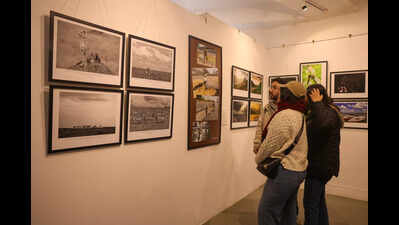
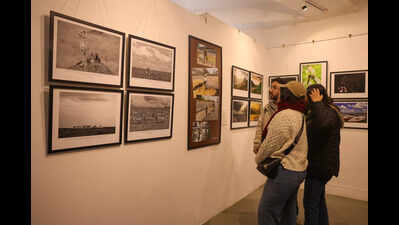
Imagine a newspaper article, an online story or a magazine without an image. Isn’t it unthinkable? Photographs don’t just complement a story, they often tell one on their own. Highlighting the power of visual storytelling, photojournalists from All India Working News Cameramen’s Association are exhibiting their work at the seventh edition of The Big Picture, at the India International Centre.
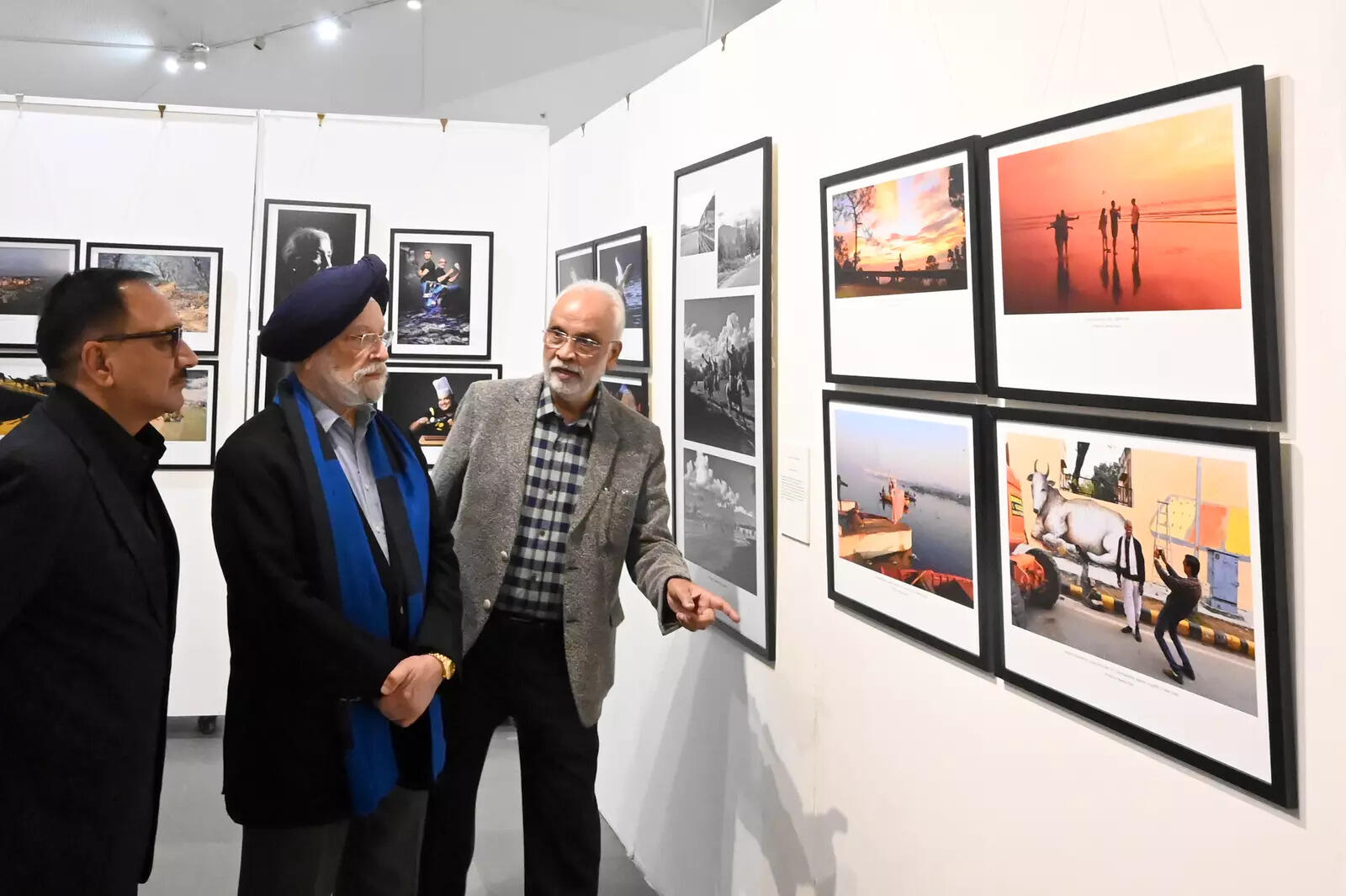
Hardeep Puri visited the exhibition on the day of the inauguration
The exhibition brings together over 250 works by 69 photojournalists, ranging from veteran V Rajagopal’s iconic frames of 12 Prime Ministers, Shailendra Pandey’s photos of Dantewada’s women Maoists, Kamal Kishore’s avian captures and Prashant Panjiar’s vibrant frames from Dongria Kondh’s Niyam Raja Parab.
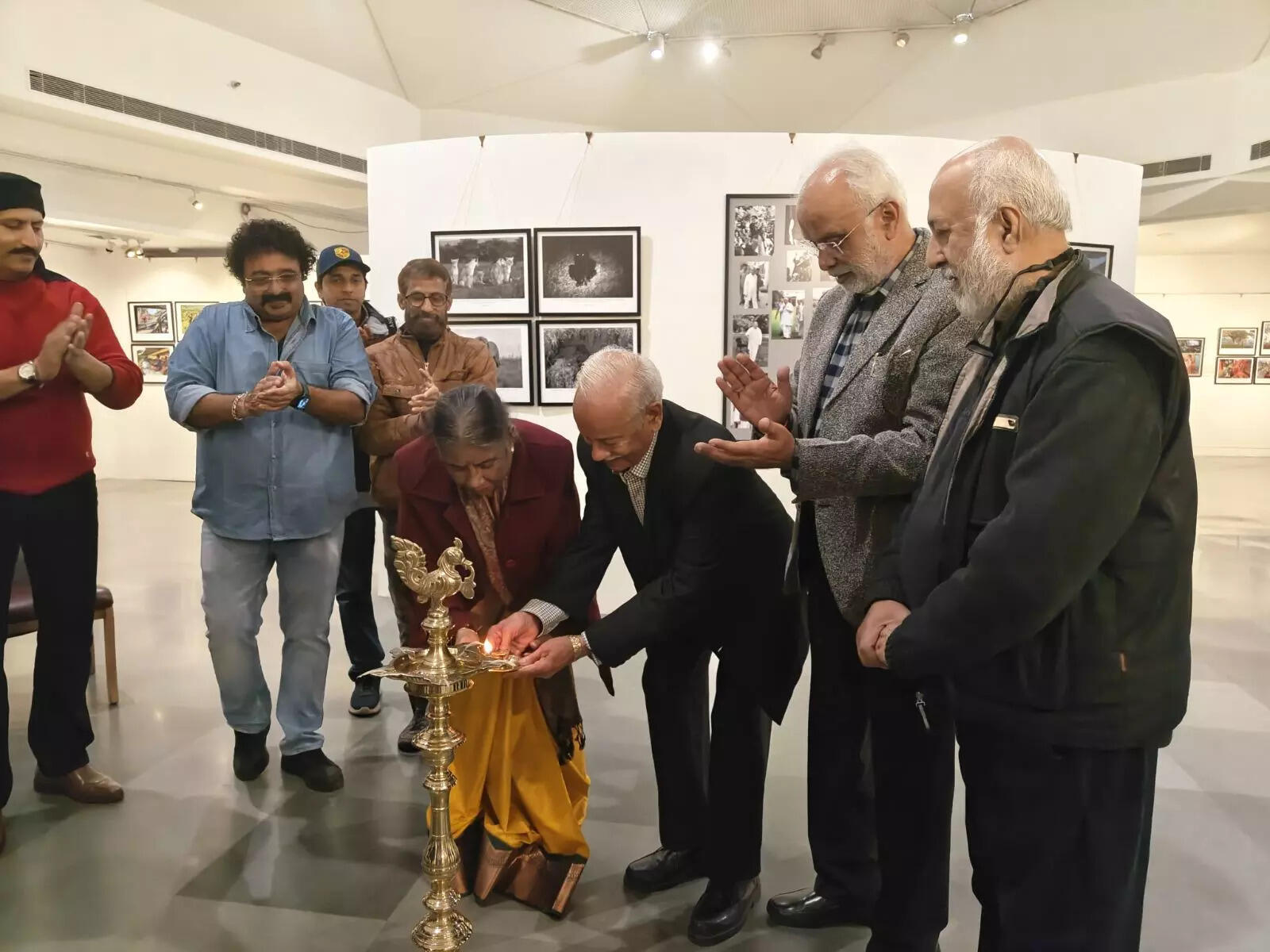
Veteran photojournalists V Rajagopal, SN Sinha and Sondeep Shankar at the inauguration
‘Encourage photojournalists to showcase their work’ From festivals and frolic to disasters and conflicts, the idea behind curating the exhibition is to showcase the versatility of skill of capturing a story. Giving a walkthrough of the gallery, SN Sinha, veteran photojournalist and the President of WNCA, said, “Photojournalism is dying. What differentiates photojournalists from photographers is how they think before capturing a story. With technology, clicking a picture is easy, narrating a story isn’t easy. It has to be thought through. Photojournalist pehle sochta hai, phir photo leta hai. Today, media is design-oriented, so the space or value attached to photos are significantly changed. The role of photojournalists is still relevant and extremely important.”
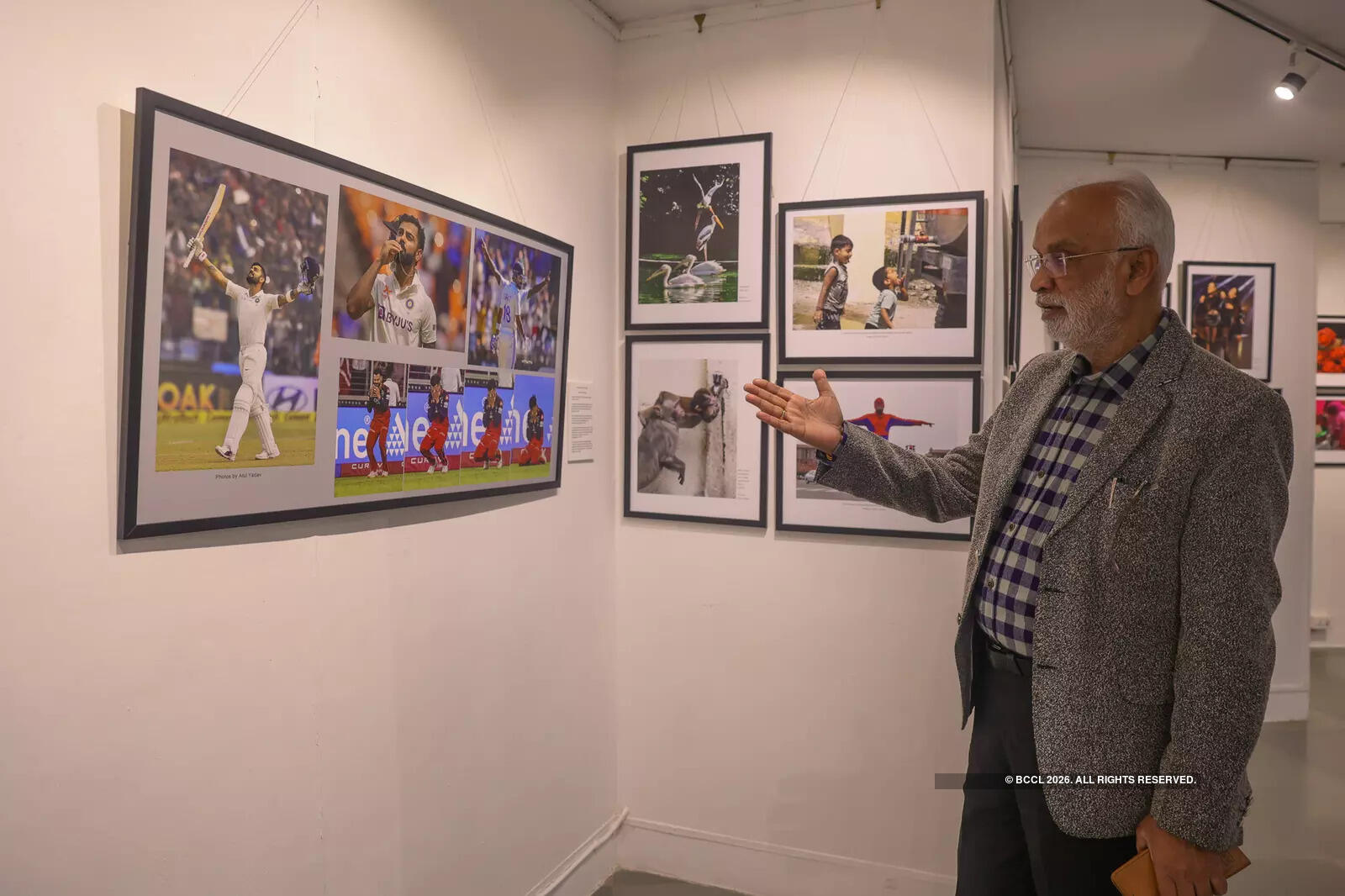
SN Sinha, veteran photojournalist and the President of WNCA, giving a walkthrough of the exhibition
Adding to the need to navigate the AI age with caution, veteran photojournalist Sondeep Shankar, who took over three months to curate the exhibition, said, “Photojournalism is the visual documentation of history. The exhibition had no theme, and the idea is to encourage photojournalists to showcase their work, even if these images have been published earlier. With the use of AI becoming all pervasive, the exhibit is an endeavour to uphold the ethics that photojournalists and camerapersons must adhere to.” Many of those whose pictures are on display were present at the event.
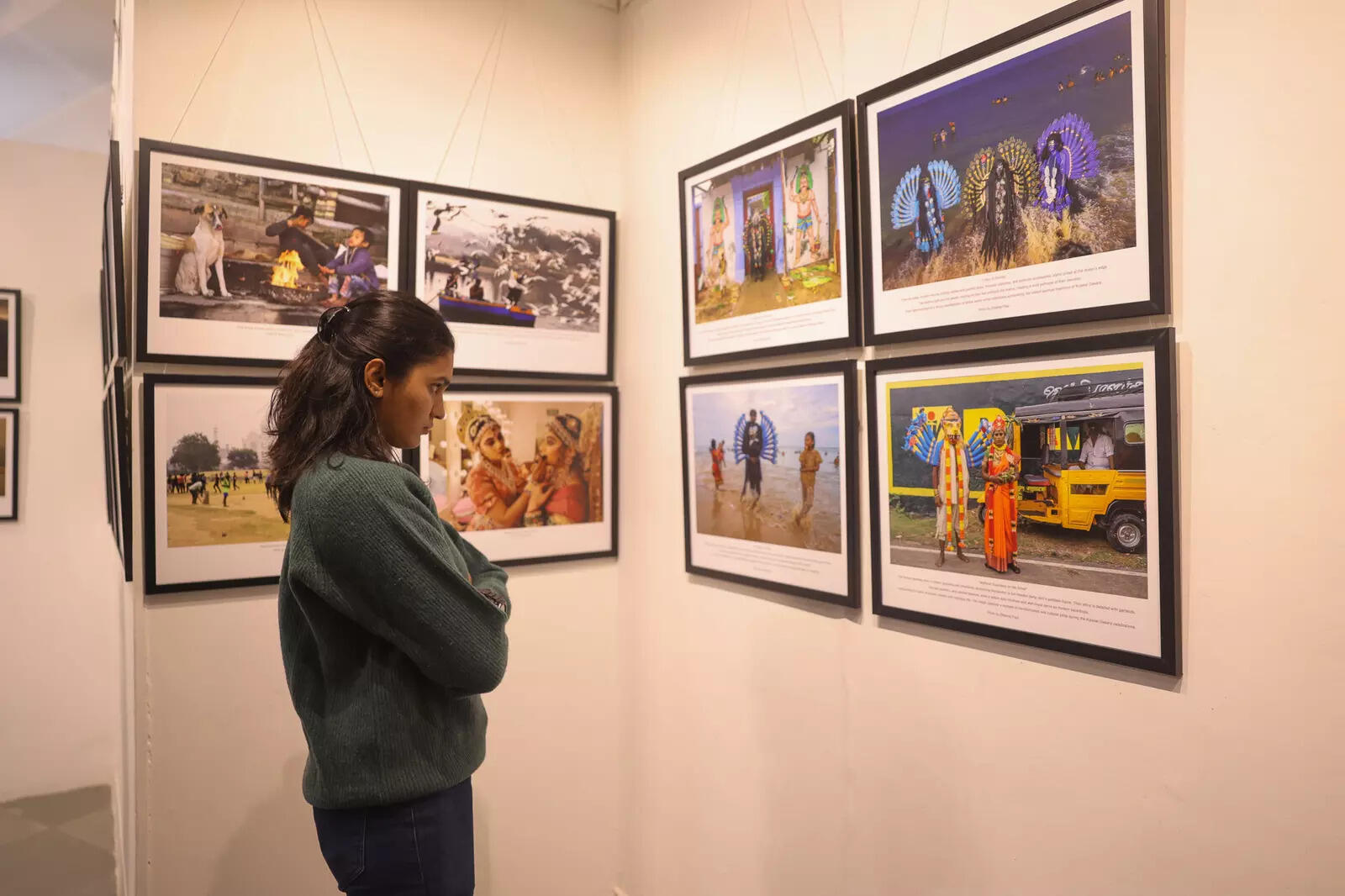
Visitors felt the exhibition spotlights the photojournalists behind many of the most recognisable news images
Visitors felt the exhibition spotlights the photojournalists behind many of the most recognisable news images. Abhishek Upadhyay, an attendee, said, “I have seen some of the pictures displayed here earlier. I have seen them in papers, on TV screens and on social media, but missed seeing who clicked those pictures. The exhibition focuses on photojournalists’ work, giving them the due credit.” Pragya Chauhan, a Delhi University student who visited the exhibition, said, “We are losing the habit of reading, so visual storytelling is key in connecting the younger audience to real issues and human stories. They say a picture is worth a thousand words, and these photos are a testament of that.”
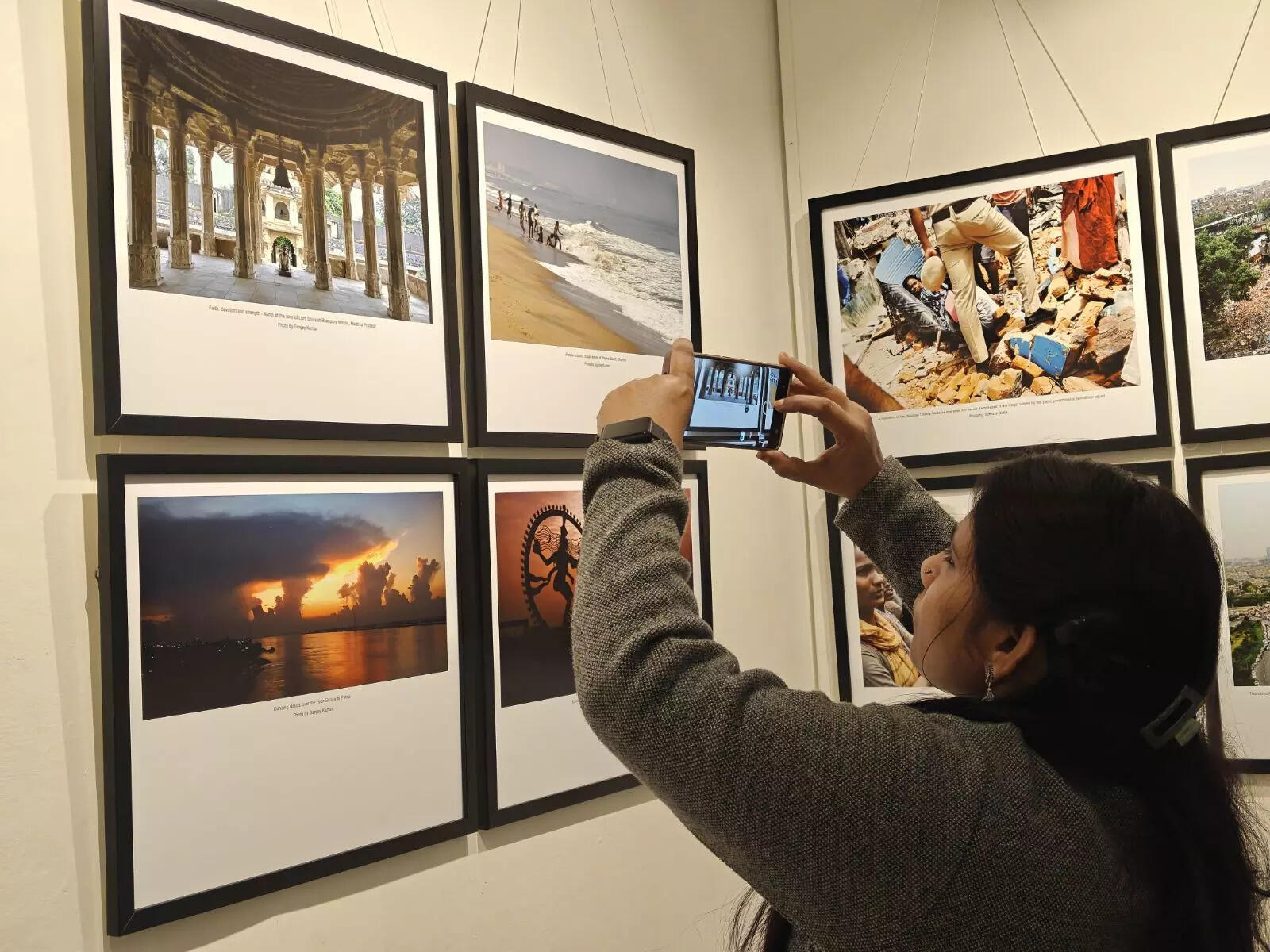
A visitor at WNCA exhibit