





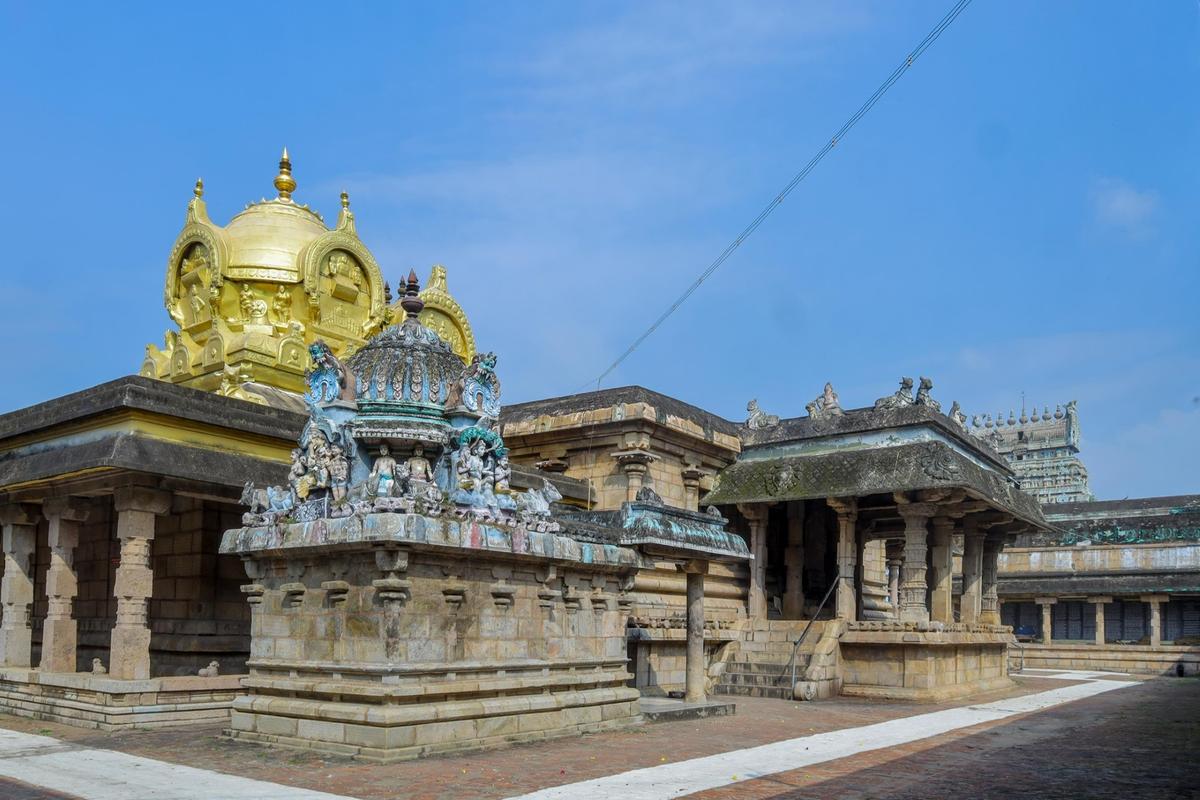
Thiruveezhimizhalai, an idyllic village near Kumbakonam, occupies a significant place in the Saivite tradition. Legend has it that, during a severe drought, Lord Shiva placed coins known as padi kaasu —on the pali peedam near the Veezhinathaswamy temple tank to help feed the poor, at the behest of Gnanasambandar and Thirunavukkarasar. ‘Vaasi theerava kaasi nalguveer’, the Thevaram hymn by Gnanasambandar beseeches the Lord to bestow these coins.
Inside view of Veezhinathaswamy Temple at Thiruveezhimizhalai, a village near Kumbakonam.
The village has also produced illustrious exponents of the nagaswaram — S. Subramania Pillai and S. Natarajasundaram Pillai — popularly known as the Thiruveezhimizhalai Brothers. Subramania Pillai was the first nagaswaram vidwan to receive the Sangita Kalanidhi in 1956.
When this writer visited their house nearly 20 years ago, Natarajasundaram Pillai’s son, N. Swaminathan, recalled a visit by the legendary Semmangudi Srinivasa Iyer and M.S. Subbulakshmi. They had brought with them a record player and recorded ‘Payyada paimeede’, a padam in raga Nadanamakriya.
This incident highlights the vast repertoire and musical depth of yesteryear nagaswaram maestros, particularly the Thiruveezhimizhalai Brothers, who had learnt vocal music from the inimitable Konerirajapuram Vaidyanatha Iyer. The brothers, after Malaikottai Govindaswamy Pillai, organised the Tyagaraja Aradhana for many years. The portrait of Tyagaraja without a tambura, which was carried during the unchavritti, is still preserved at the residence of Subramania Pillai.
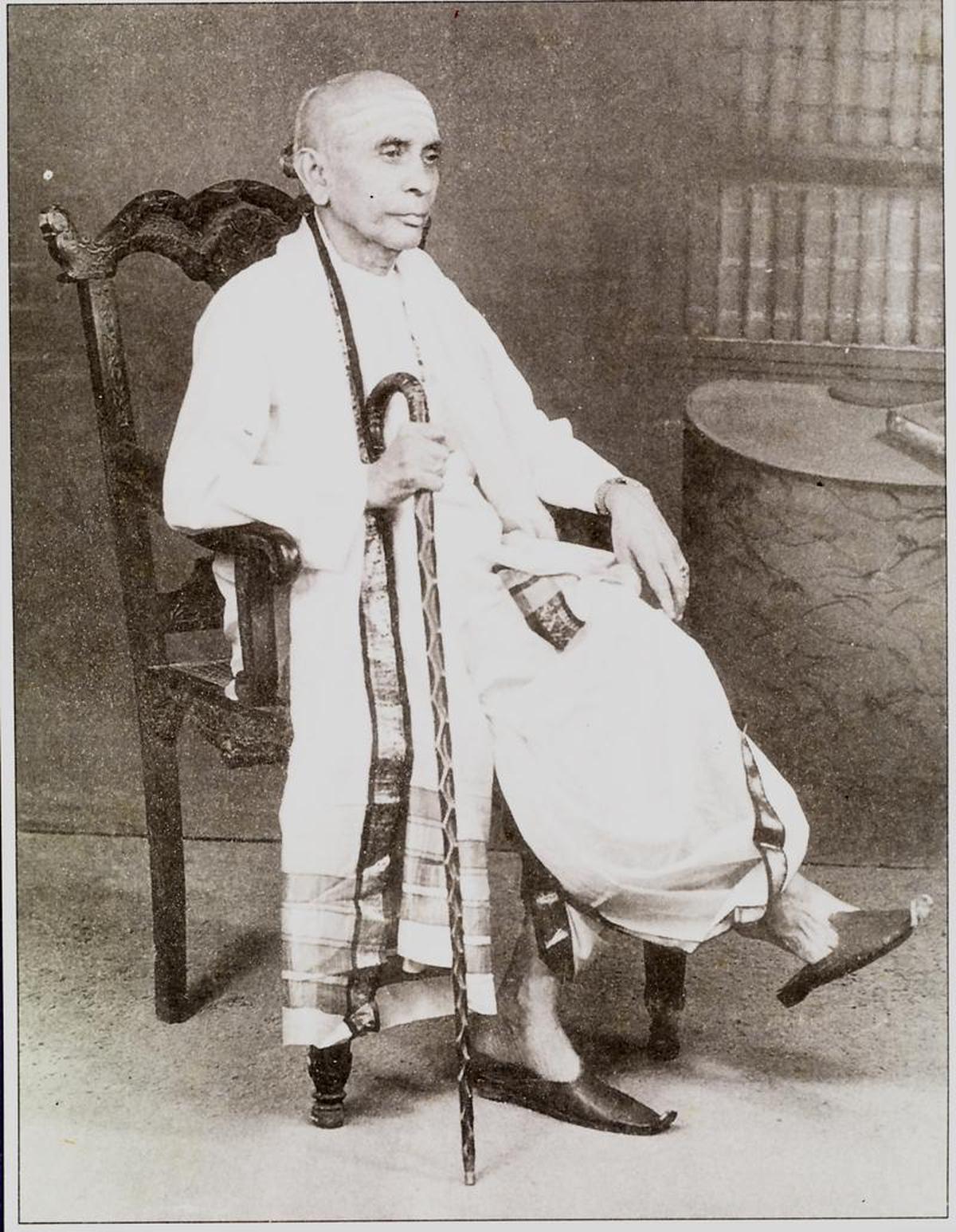
Mudikondan Venkatrama Iyer
The Hindu Archives
| Photo Credit:
The Hindu Archives
In fact, the Thiruveezhimizhalai Brothers began their musical journey as vocalists. . “Our guru told us to learn a large number of keerthanas, as it would help us in the elaborate rendering of ragas and pallavis, and also imbibe the elements required for raga exposition from these compositions,” said Subramania Pillai in his presidential address at the Music Academy’s annual conference year.
Mudikondan Venkatrama Iyer, another Sangita Kalanidhi, in his tribute to Subramania Pillai, published in The Music Academy souvenir, observed that the Thiruveezhimizhalai Brothers would first learn kritis vocally before rendering them on the nagaswaram. “Only then will the music sound perfect and resemble vocal rendering,” he wrote.
Venkatrama Iyer also reminisced about an invitation extended by Swaminatha Pillai, the father of the Thiruveezhimizhalai Brothers, to stay in their village and learn music. “He promised to make me an excellent singer if I stayed with them for six months,” wrote Venkatrama Iyer, who learnt the intricacies of layam from the legendary thavil vidwan Ammachathiram Kannuswami Pillai. Another thavil artiste, Iluppur Panchapakesa Pillai — known as Thavil Panchami—was an all-rounder. A vocalist who had released a disc, he set the chittaswaras for Tyagaraja’s keerthana ‘Niravathi sukatha’.
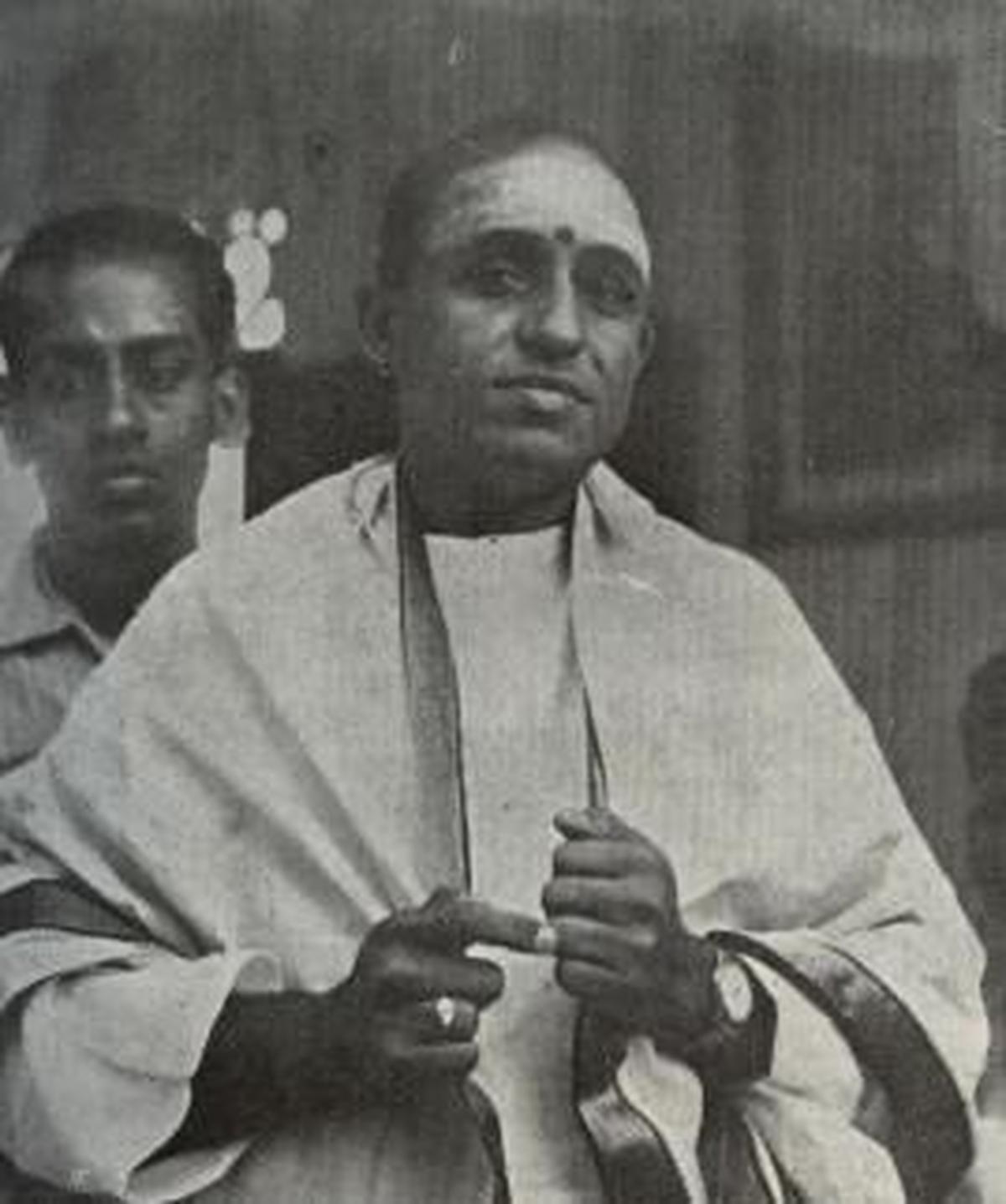
Semmangudi Srinivasa Iyer
| Photo Credit:
The Hindu Archives
In earlier times, nagaswaram and thavil artistes constantly exchanged ideas and learnt from one another, enriching the tradition through close collaboration and mutual respect. Semmangudi Srinivasa Iyer spoke of how his own knowledge was enriched by listening to Thiruvenkadu Subramania Pillai and others during temple festivals, even as he was learning from Gottuvadyam vidwan Thiruvidaimarudur Sakharama Rao. “I moved around with the nagaswaram player on the cold nights of Margazhi, and the Sankarabharanam rendered by Subramania Pillai still echoes in my ears,” he said at the 90th birth anniversary of Subramania Pillai.
In his memoir, Papanasam Sivan, celebrated as Tamil Tyagaraja, waxed eloquent about the elaborate rendering of Bhairavi by the nagaswaram player P.S. Veeruswami Pillai at Nagapattinam. Veerusami Pillai excelled both in raga alapana and keerthana rendering.
P.S. Veeruswami Pillai, another Sangitha Kalanidhi awardee, would learn keerthanas by inviting a vocalist to his house. “While the singer would sit near a pillar in the muttram and sing, Veeruswami Pillai would walk around, listening. After hearing it a couple of times, he would master the keerthana and render it in his own way,” recalled Ganesan, who kept tala for Veeruswami.
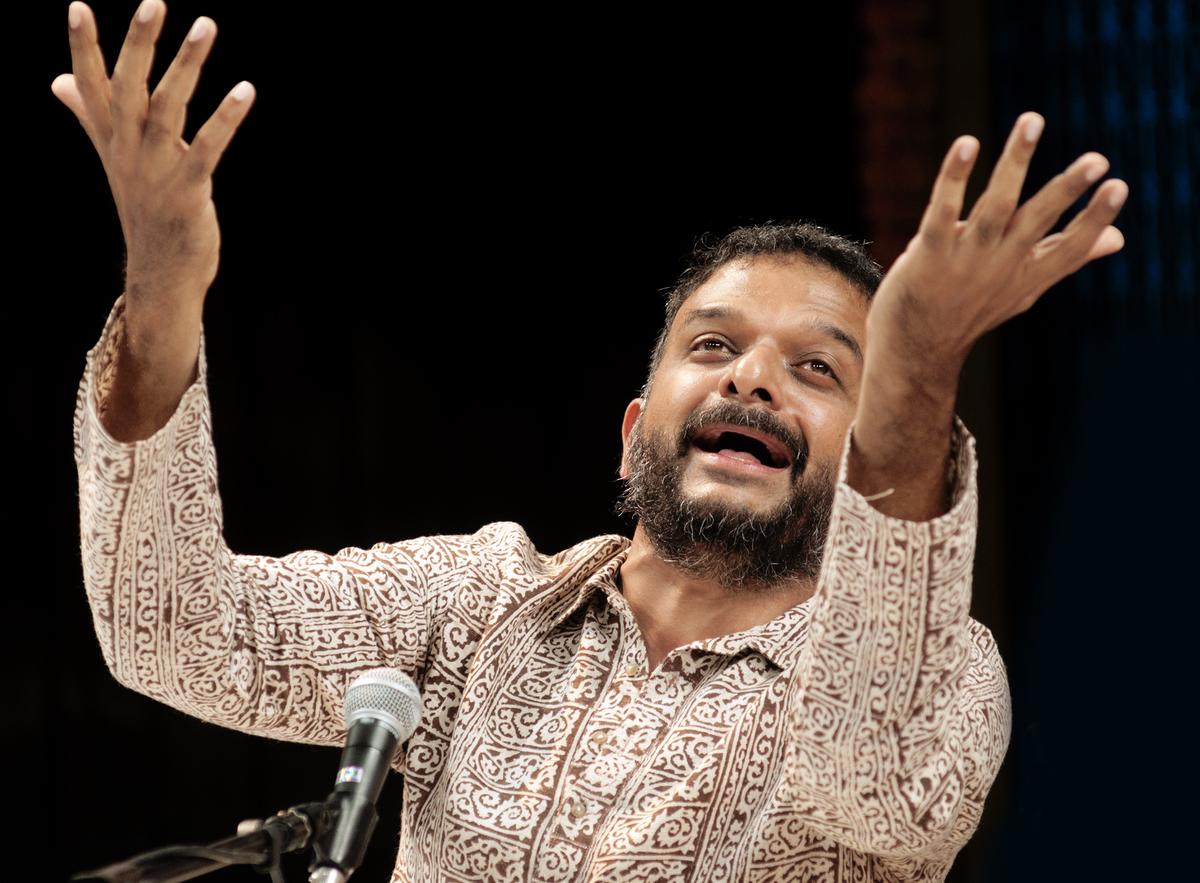
T.M.Krishna
| Photo Credit:
Special Arrangement
Raga alapana has, for long, been the forte of nagaswaram players, who perform them for long hours during temple festivals.
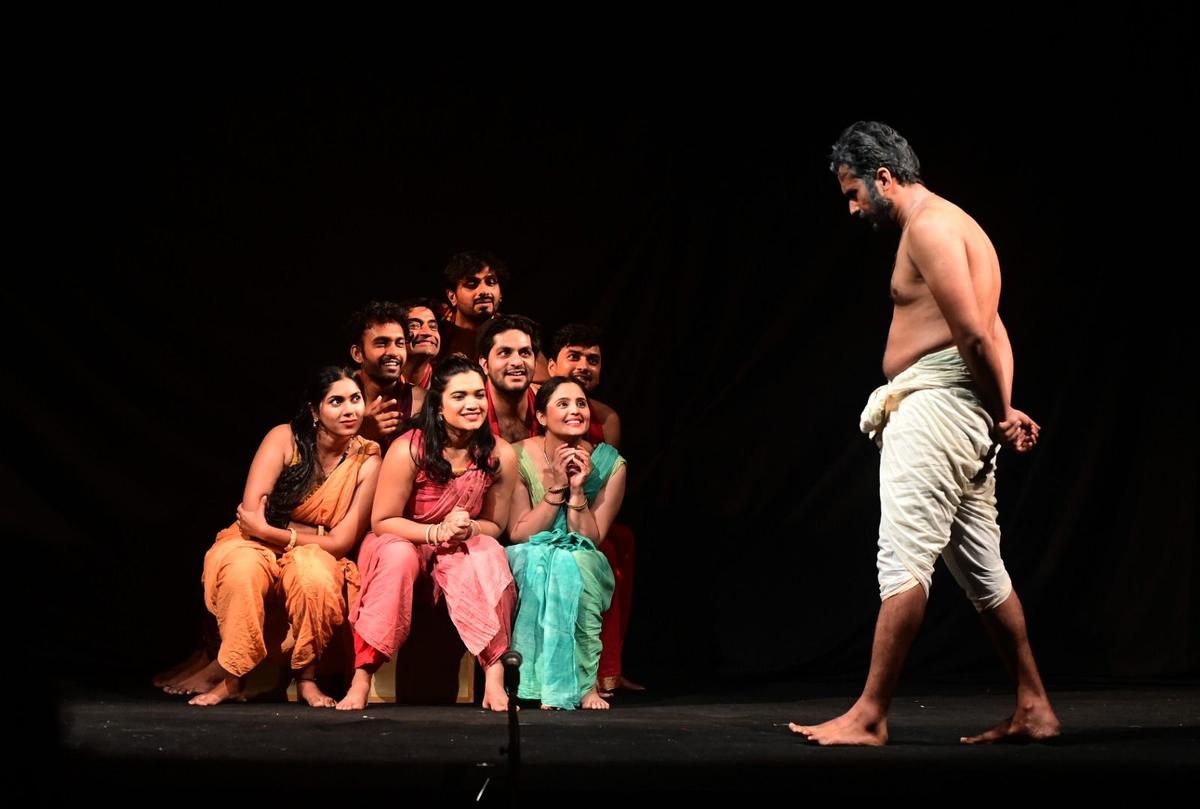
“It is well-known that nagaswaram vidwans played different ragas at different times of the day, and on most occasions in the form of an alapana. During festivals, alapana was a key component of their musical presentation. It cannot be an accident that the main form of Carnatic music presentation in the nineteenth century was the alapana. It is said that musicians sang alapanas for over an hour or more. We have an idea of the duration of nagaswaram presentations in the nineteenth century, so it is logical to presume that they would have been at least of the same duration in an earlier era,” writes vocalist T.M. Krishna in his book A Southern Music: Exploring the Karnatik Tradition.

T.N. Rajarathinam Pillai
| Photo Credit:
Special Arrangement
Though Veena Dhanammal was a celebrated artiste in the Carnatic music world, and musicians thronged her house to listen to her playing, she preferred listening to nagaswaram vidwan T.N. Rajarathinam Pillai. T. Sankaran, her grandson, narrates an incident in his book Isai Methaigal.
Once, when Dhanammal was unwell, Rajarathinam Pillai visited her. She played the tambura, and he played the nagaswaram. After some time, she asked, “Brother, what is this raga?” Rajarathinam replied that he had tried his hand at Vachaspati. “Oh, is this Vachaspati? I know the raga. Why don’t you play Bhairavi or Kamboji?” she said. He then played those ragas.
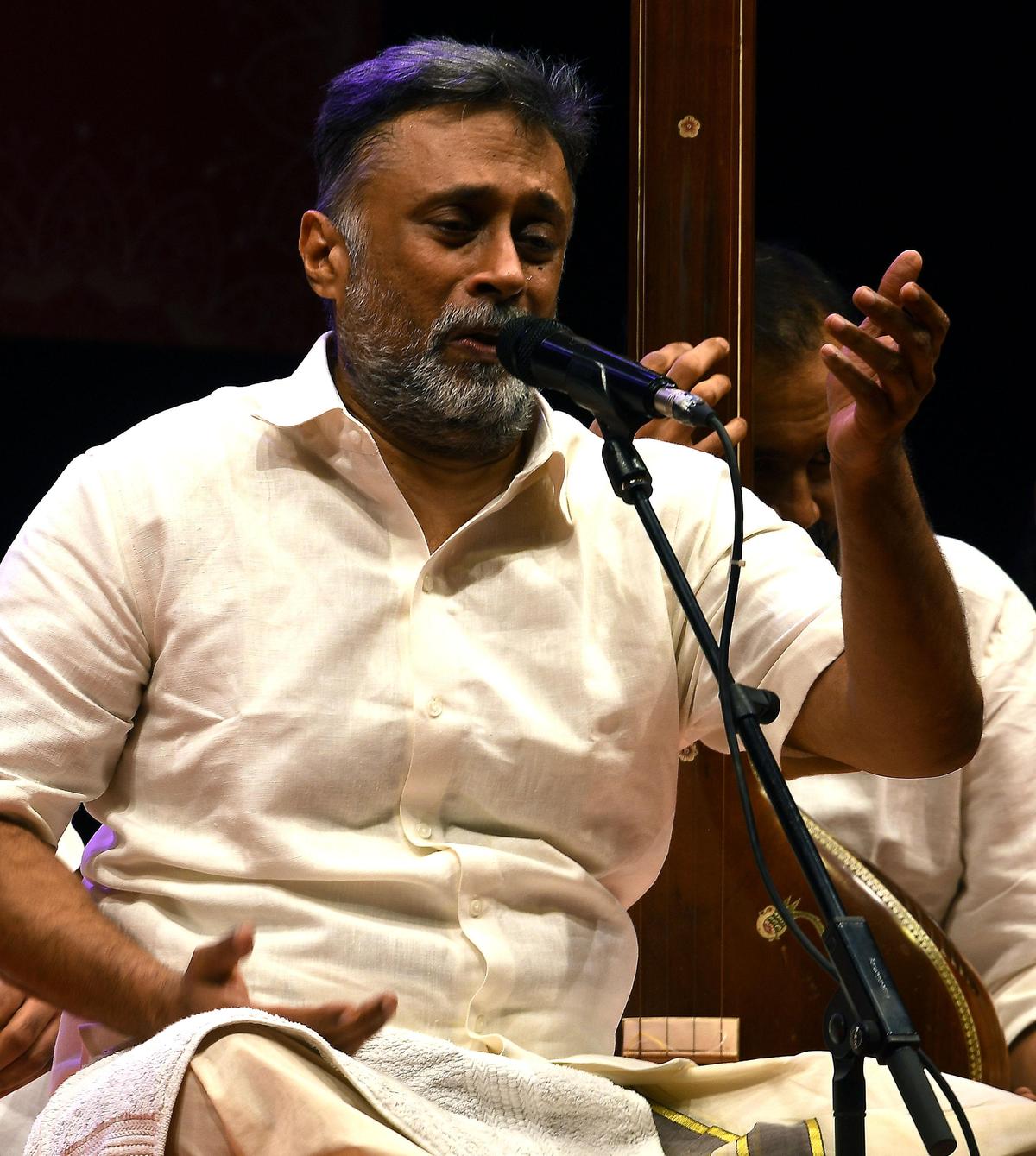
Sanjay Subrahmanyam.
| Photo Credit:
K.V. Srinivasan
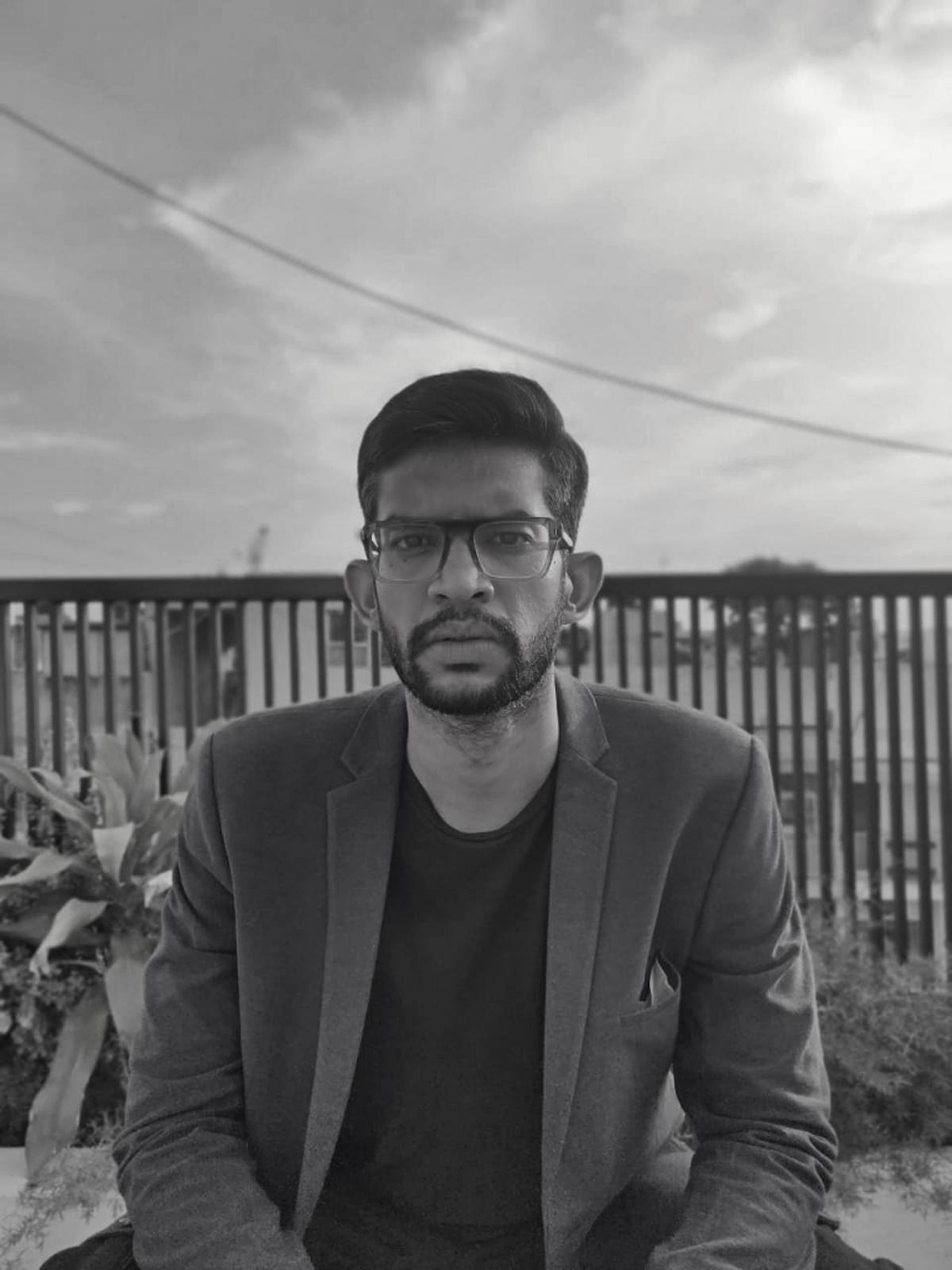
In his book, On That Note, Vocalist Sanjay Subrahmanyam, writes how he benefited from interactions with nagaswaram players. He mentions nagaswaram vidwan E. Uthirakumar, brother of Vyasarpadi Kothandaraman, teaching him an easy lesson on singing Husseni at Thiruvaiyaru.
“‘Ada, summa sa pa sa vecchu paadunga!’ (Just keep singing the notes ‘sa pa sa’); Huseni will come through. That was an eureka moment — until then nobody had explained the raga this way to me. He even sang using just these three notes for five minutes that day. I remember being blown away by how he explained it and the way the raga came together. Even now, every time I sing Husseni, I remember his lesson,” writes Sanjay, who later learnt from Semponnarkoil S.R.D. Vaidyanathan. He says his conversations with Vaidyanathan opened up, psychologically, a space of freedom in his singing.
“Until then, for me, sound production was a very minimalist affair, except in the upper octave, where I sang full-throated. The ornamentation and phrasing of my music were mostly minute, almost like filigree work. But nagaswaram music is all about longer swoops — sweeping sounds that move in slow, long curves. When I mixed these sweeps with raga singing, the soundscape itself began to change,” he further writes.