




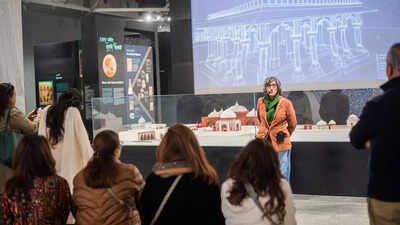
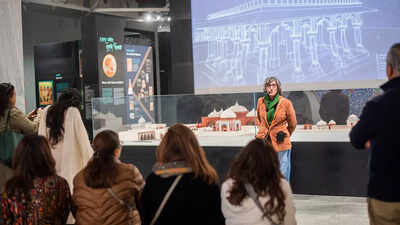
“What you are going to eat today, as the walk rounds up, is Mughal food – not Mughlai,” announced storyteller Parvati Sharma, as she led the Forgotten Feasts walk at Humayun’s Tomb World Heritage Site Museum. From Babur’s love for mangoes to Akbar’s experiments with vegetarianism, she wove the walkthrough with anecdotes that transported attendees straight into the 16th century.The dinner, set up in a dimly lit corner of Sunder Nursery with the tune of the rabab playing in the background, was curated by Soity Banerjee, a consultant with Aga Khan Trust for Culture, and prepared by Zaika-e-Nizamuddin, an enterprise by a group of homechefs from Basti Hazrat Nizamuddin. The experience was supported by
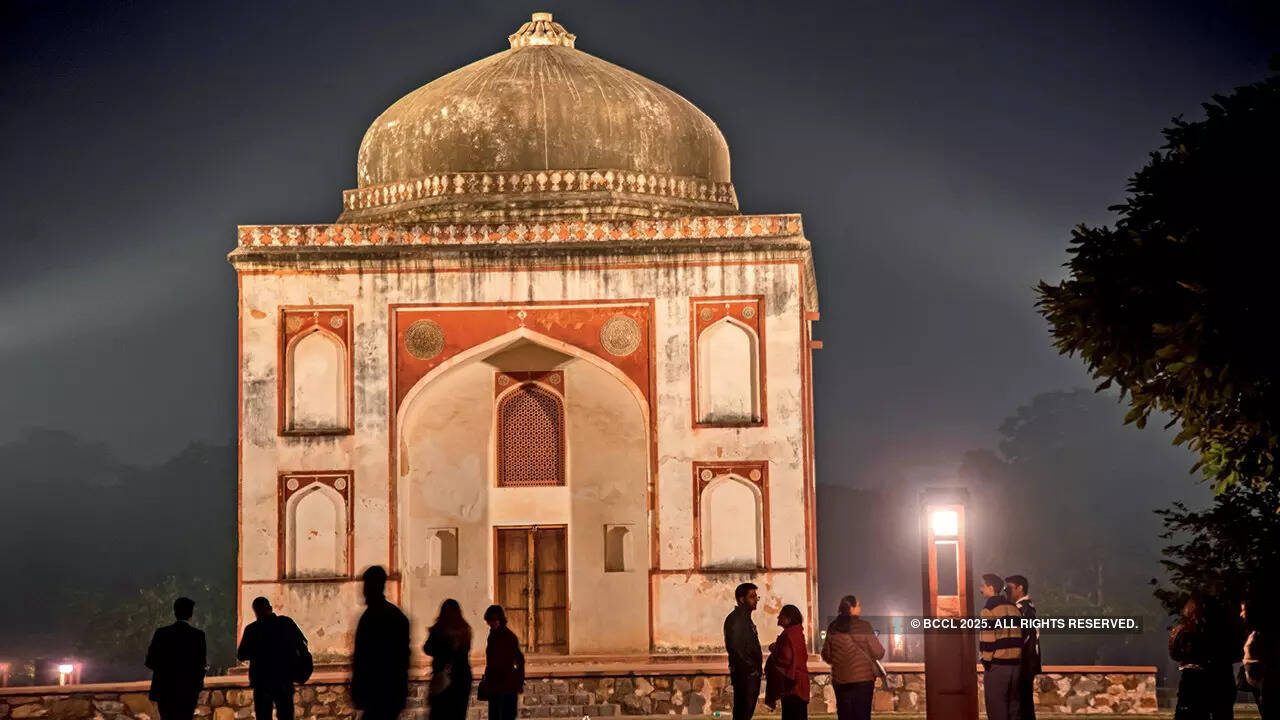
The walkthrough rounded up with a dinner at Sunder Nursery
“Forgotten Feasts is a simple attempt to feed our curiosity about the early Mughals and what they ate,” shared Soity, “Attendees experienced interpret
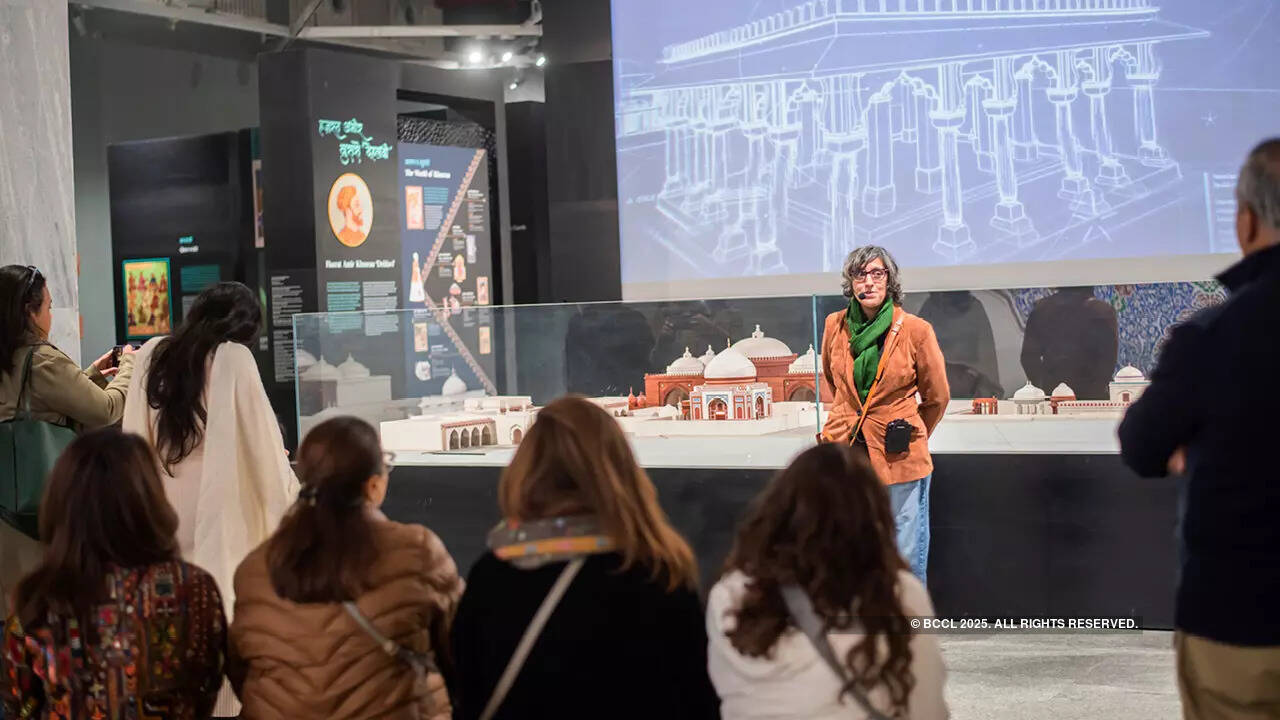
When Delhi dined like the Mughals
Parvati added context through culinary history, “Jahangir and his wife Nur Jahan were aesthetes: they loved hosting parties. Khush rang raita, coloured raitas made of spinach, beetroot, almond, and saffron, is mentioned in the Alwan-e-Nemat. The roast meats were something Babur loved. The Sufiyaana khana, including badenjan (brinjal) and saag, emerged during Akbar’s time and are mentioned in the Ain-e-Akbari. Dal-e-mirch, which was spiced with black pepper, finds a mention in Alwan-e-Nemat and is on the menu.”
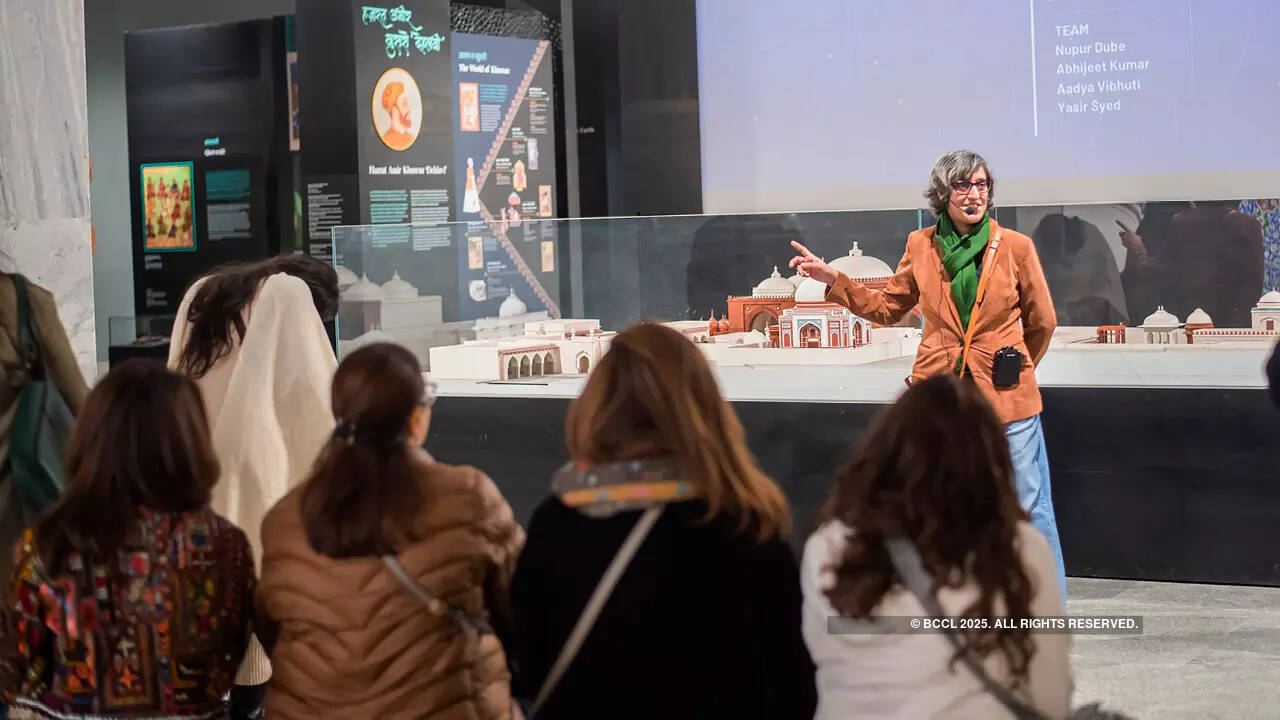
Parvati Sharma led the walkthrough at Humayun’s Tomb World Heritage Site Museum
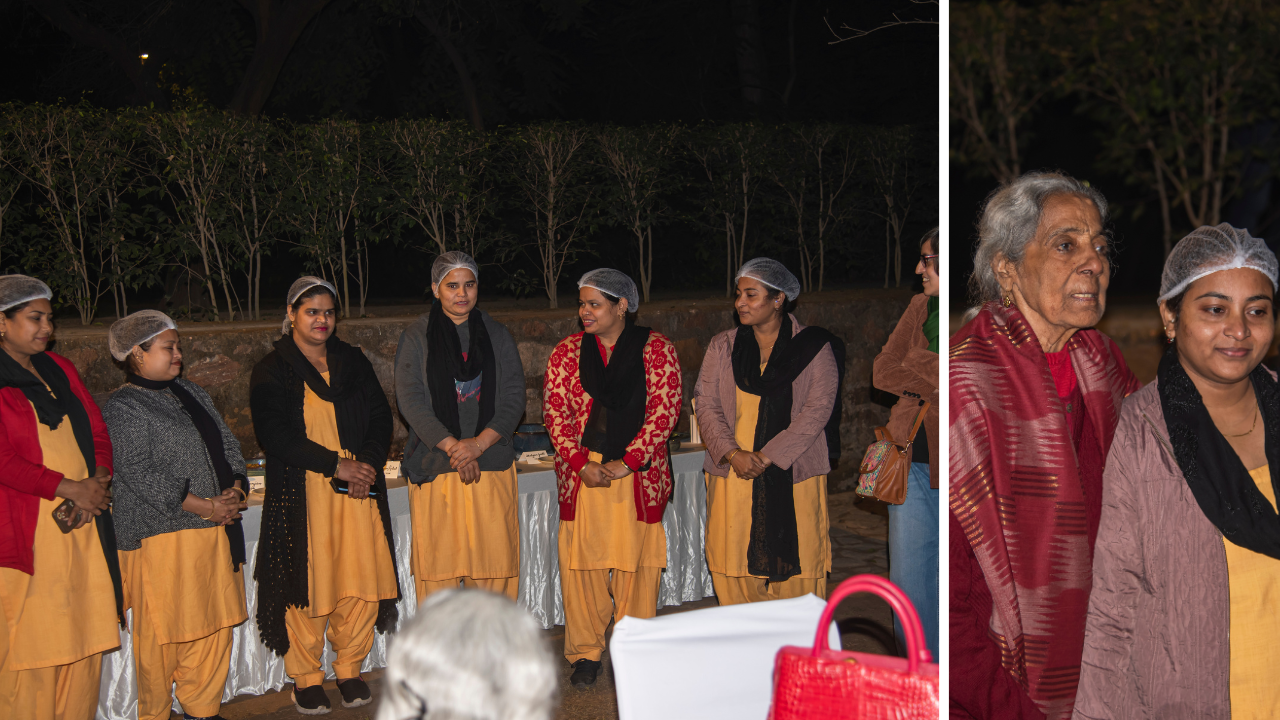
Team Zaika-e-Nizamuddin; Salma Yusuf Husain, who translated Alwan-e-Nemat
Pehle toh jab humne recipes suni, humein laga logo ko pasand ayega bhi ya nahi – bina mirch, tamatar ka khana. Humein lagta tha ki Mughlai khana toh qorma hai, lekin aisa nahi hai Fatima, a cook with Zaika-e-Nizamuddin
‘Many vegetarian equivalents of core non-vegetarian dishes entered the kitchens during Akbar’s time’Parvati shared that the Mughal food served at the event was prepared without ingredients like chillis, tomatoes, and potatoes. “Many vegetarian equivalents of core non-vegetarian dishes entered the royal kitchens during Akbar’s time,” she added.
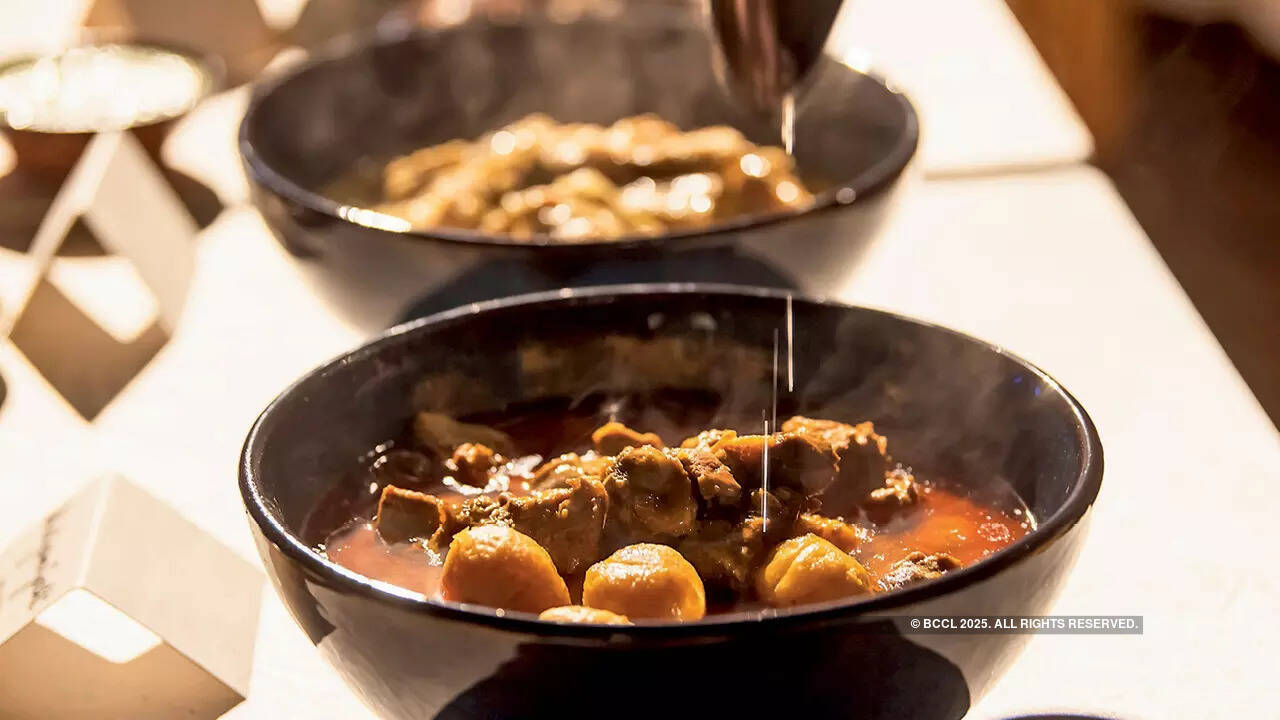
Giving a peek into Mughal gastronomy, the shalgam ghosht (mutton cooked with turnip), showcased that the Mughal cuisine predated the arrival of potatoes in the Indian subcontinent
Kavin Gulati, an attendee, shared, “Such an experience, so immersive, helps bring back lost or lesser-known cultures to this contemporary environment.” To this, another attendee, Huzefa Ahmadi, added, “It was an interesting fusion between history and culinary journey.”
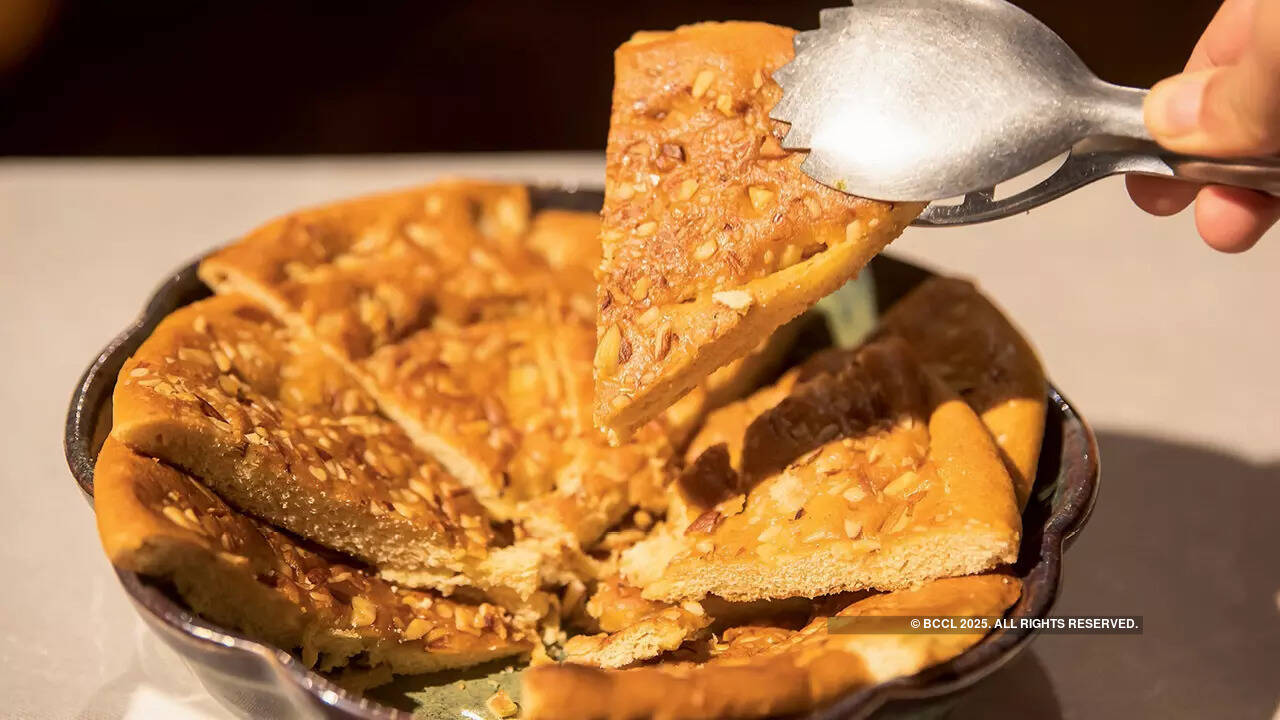
Soft, sweet sheermal was the perfect pairing with both vegetarian and non-vegetarian curries
Vegetarian spread: Prepared without modern-day staples like tomato, potato or chillies, the early Mughal all-vegetarian plate featured dal-e-mirch (dal tempered with black pepper), khush rang raita made of beetroot, kebab-e-nakhood made of moong dal, and khamiri roti. It also featured dal khushka, a rice preparation with chana dal, and saag
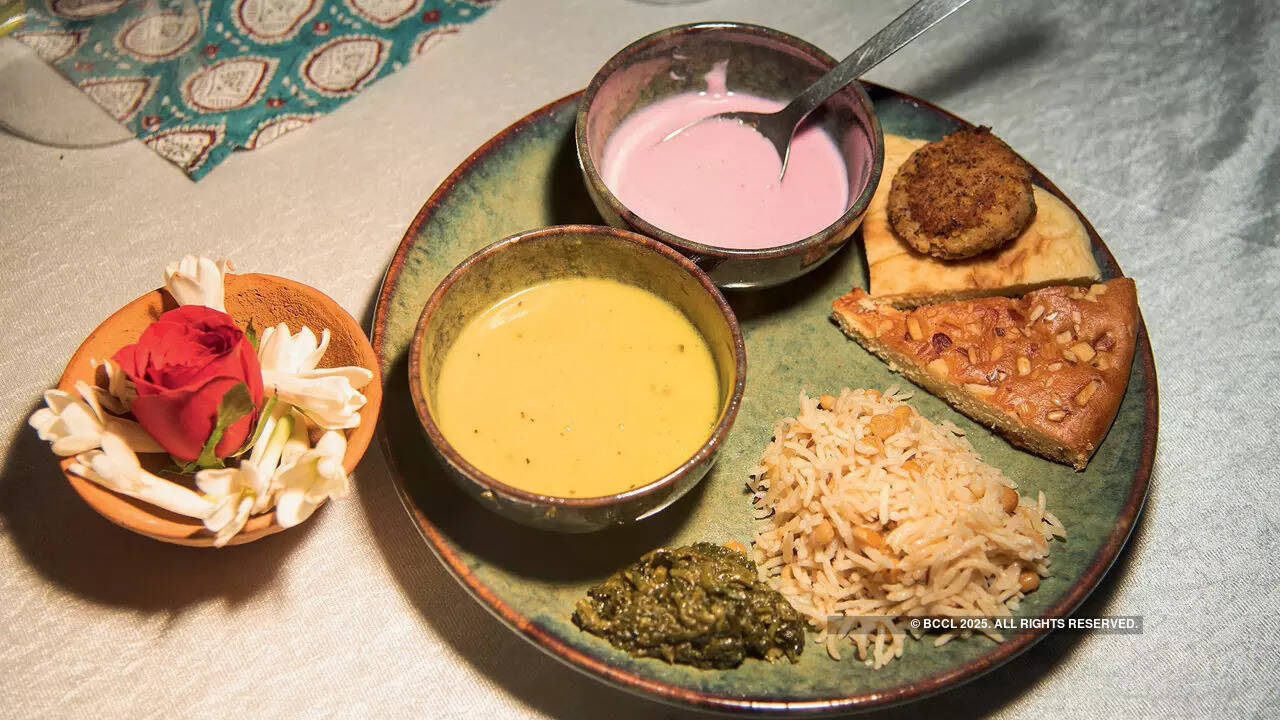
The fare was prepared without modern-day staples like tomato, potato or chillies
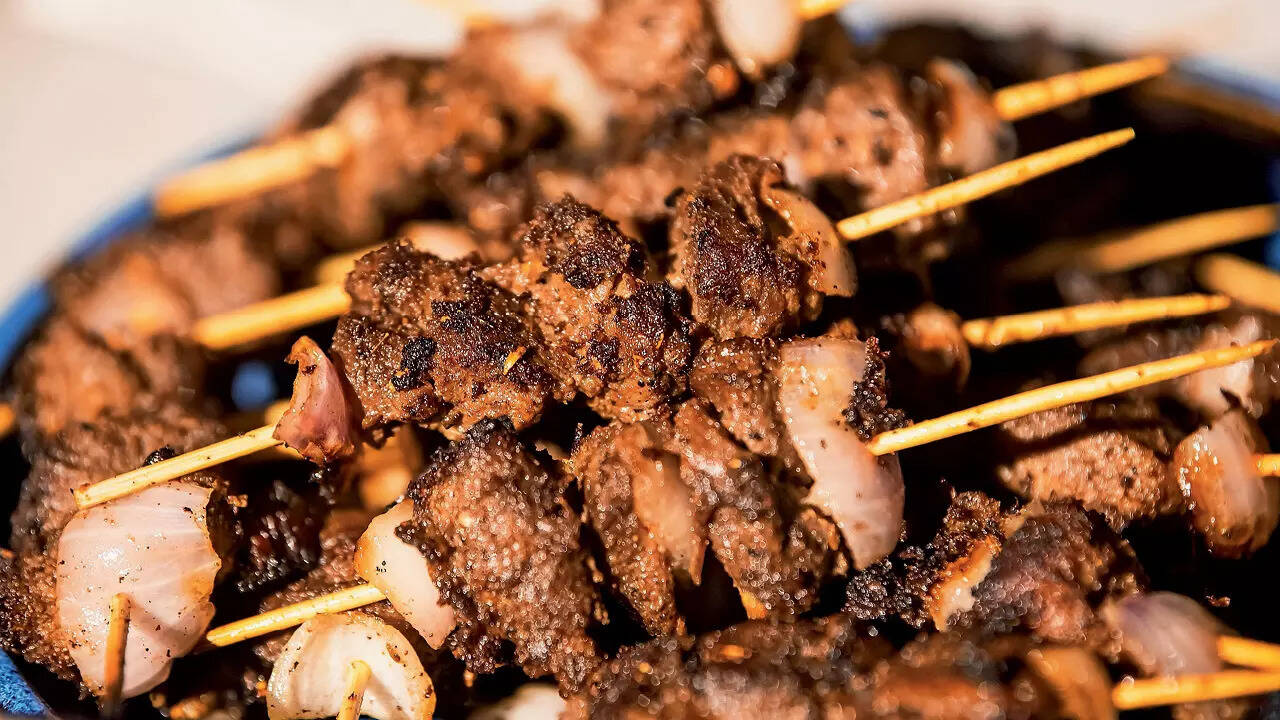
Succulent Husaini kebabs were prepared by referring to a recipe from the Persian cookbook, Alwan-e-Nemat, translated by Salma Yusuf Husain
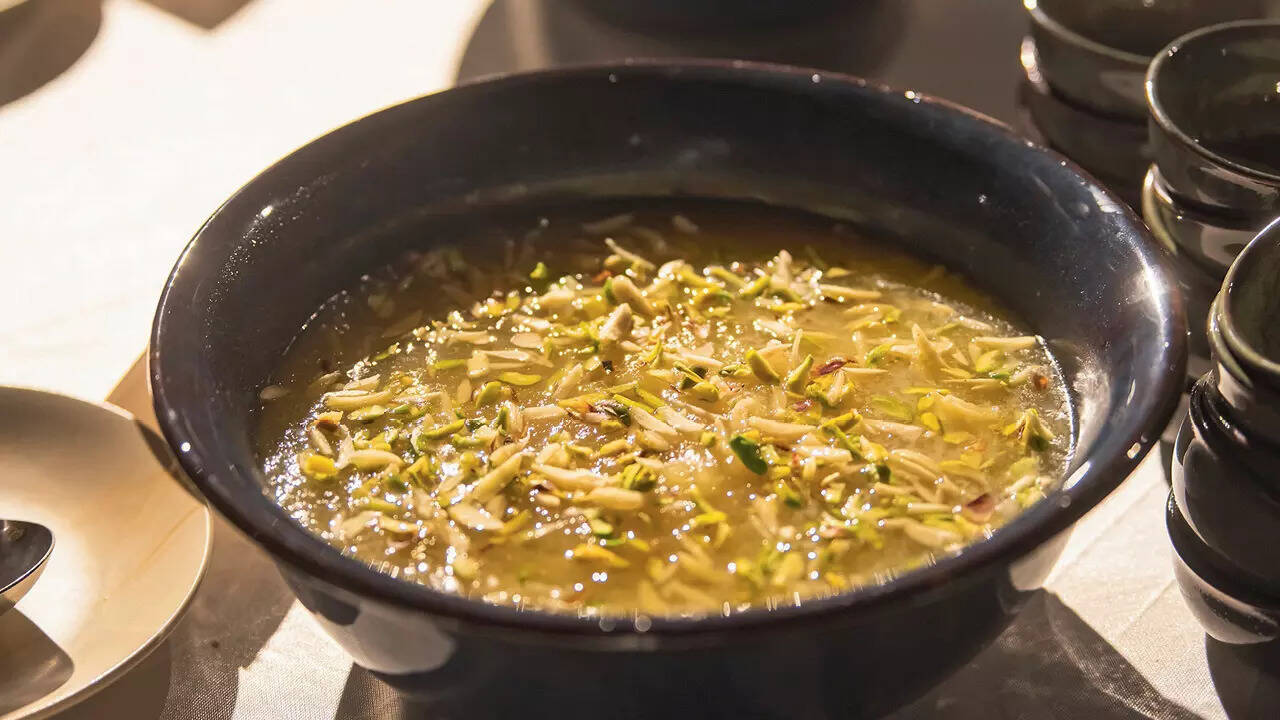
Laden with pistachios, the apple halwa was served as the indulgent finale