







Plants do far more than beautify a home, they are believed to influence finances, attract positive energy, and usher in good fortune. When placed in the correct direction, they are said to bring happiness, prosperity and steady growth. However, placing plants without following Vastu rules, especially in sensitive directions, may invite negative energy, mental stress and obstacles to progress. This is why experts emphasise the importance of following Vastu principles when positioning plants.
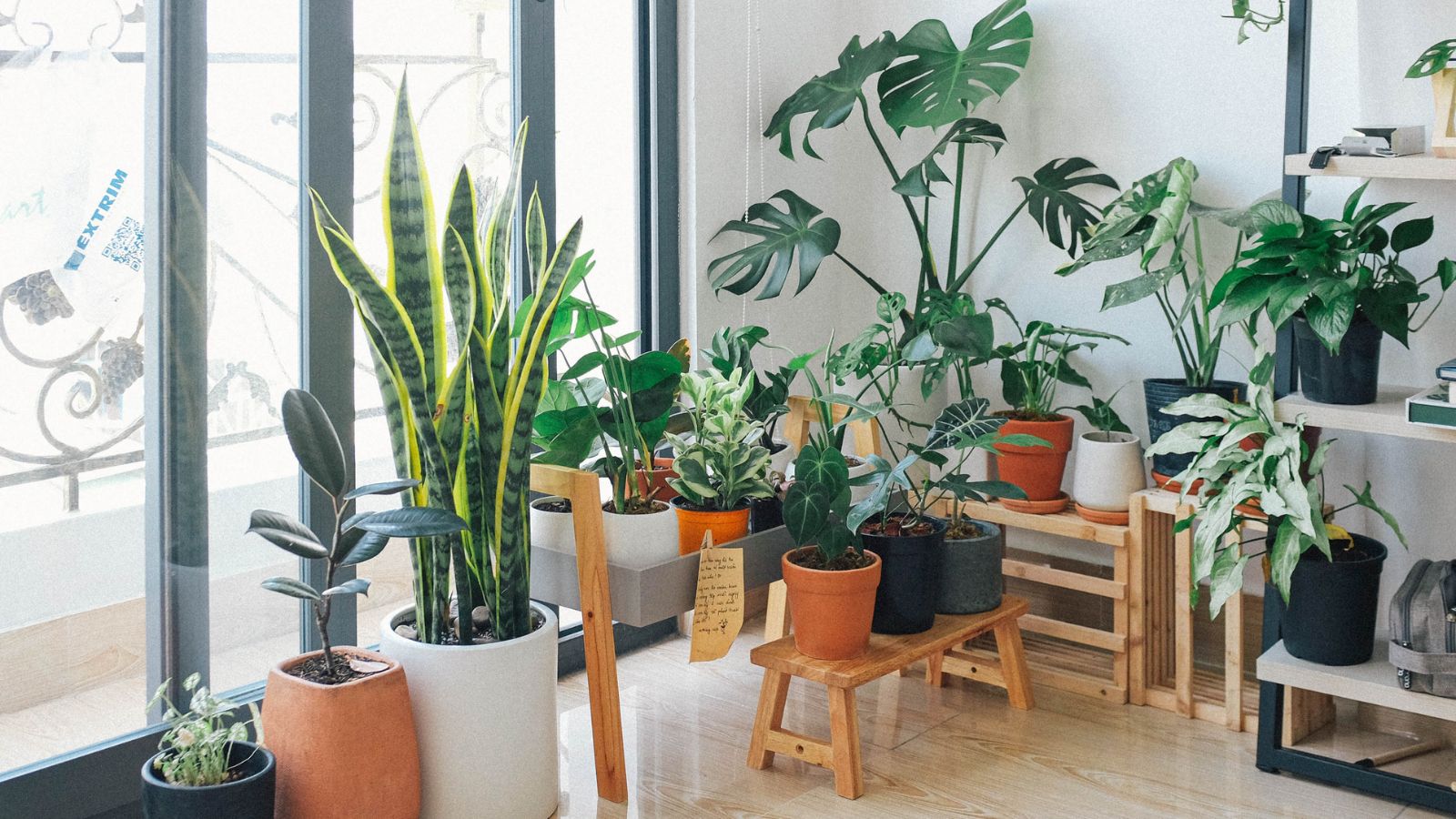
According to Ayodhya-based astrologer Kalki Ram, adhering to Vastu guidelines while planting is considered highly auspicious. Among all directions, the south is regarded as particularly delicate in Vastu Shastra. Associated with Yama and the Pitru Devas, it requires special care before placing any object, especially plants, in this zone. Certain plants placed in the south direction are believed to create Vastu defects and bring unfavourable results. Here are four important plants that should never be placed in the south direction:
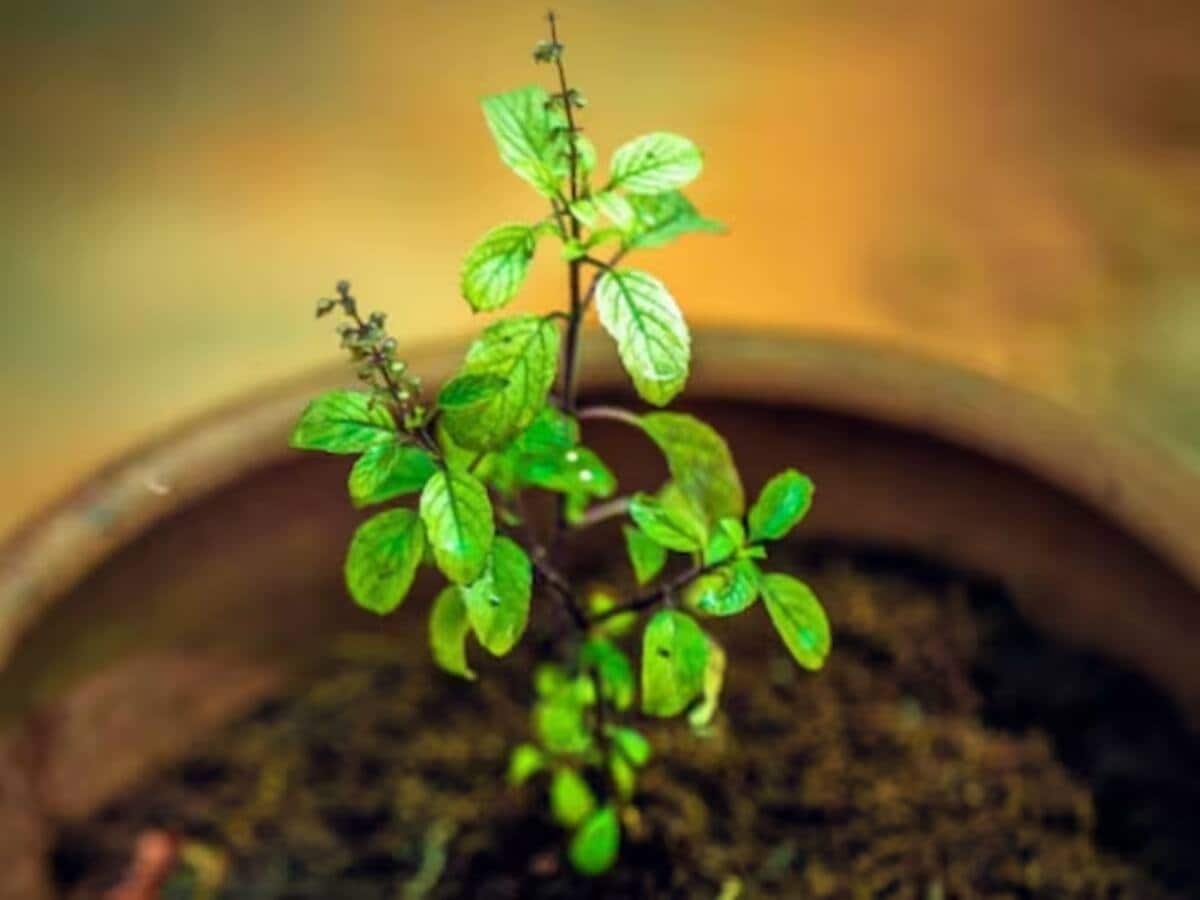
1. Tulsi Plant: Revered in Sanatana Dharma and regarded as an embodiment of Goddess Lakshmi, Tulsi holds immense significance. Yet, according to Vastu, placing Tulsi in the south direction can lead to health issues and financial strain. The east, north or northeast are considered the most auspicious directions for it.
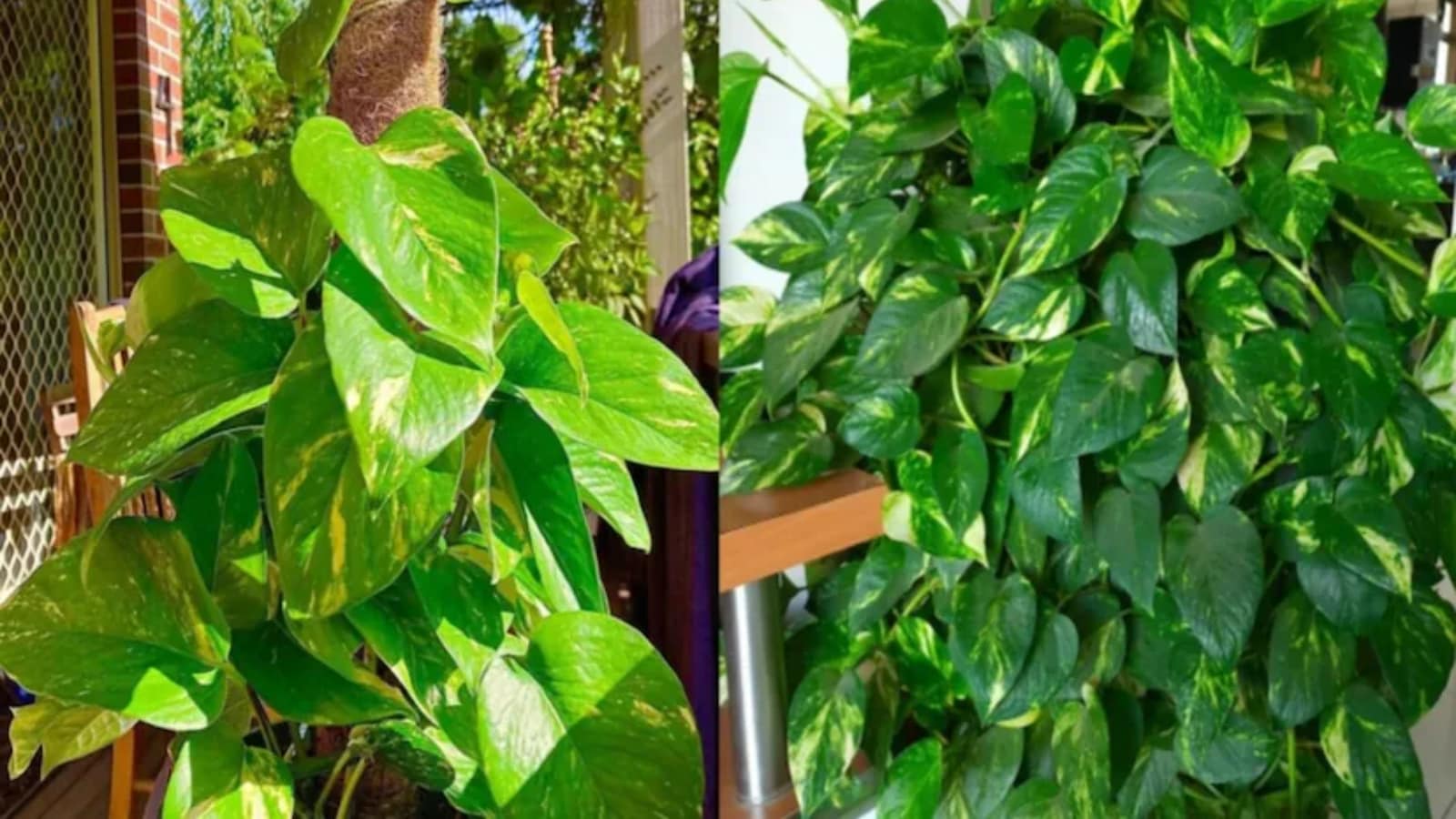
2. Money Plant: Often associated with wealth and good fortune, the Money Plant should also be avoided in the south direction. When kept here, it is believed to cause financial instability and increase tensions within the household. The south-east direction, linked to prosperity, is considered ideal for this plant.
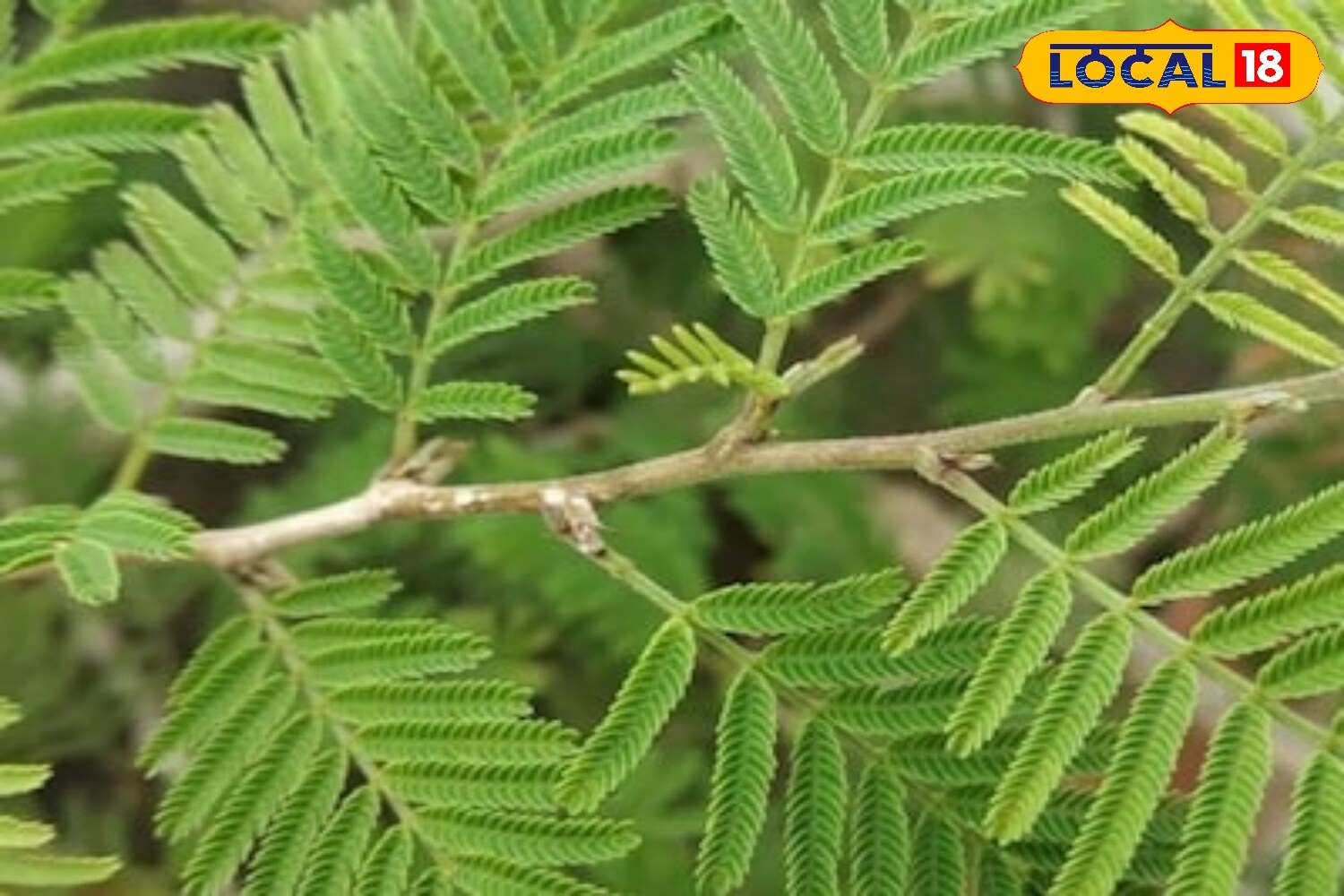
3. Shami Plant: Sacred in both religious and astrological traditions, the Shami plant is connected with Lord Shani and Lord Shiva. According to Vastu, planting it in the south is inauspicious. Keeping it in the north or east is said to attract the blessings of Lord Shani and bring positive outcomes.

4. Banana Plant: The banana plant holds a revered place in Sanatana Dharma and is dear to Lord Vishnu, especially on Thursdays. It should never be planted inside the house, and certainly not in the south direction. Doing so is believed to diminish spiritual positivity and increase Vastu-related imbalances. Instead, it should always be planted outdoors, ideally in the east or north.
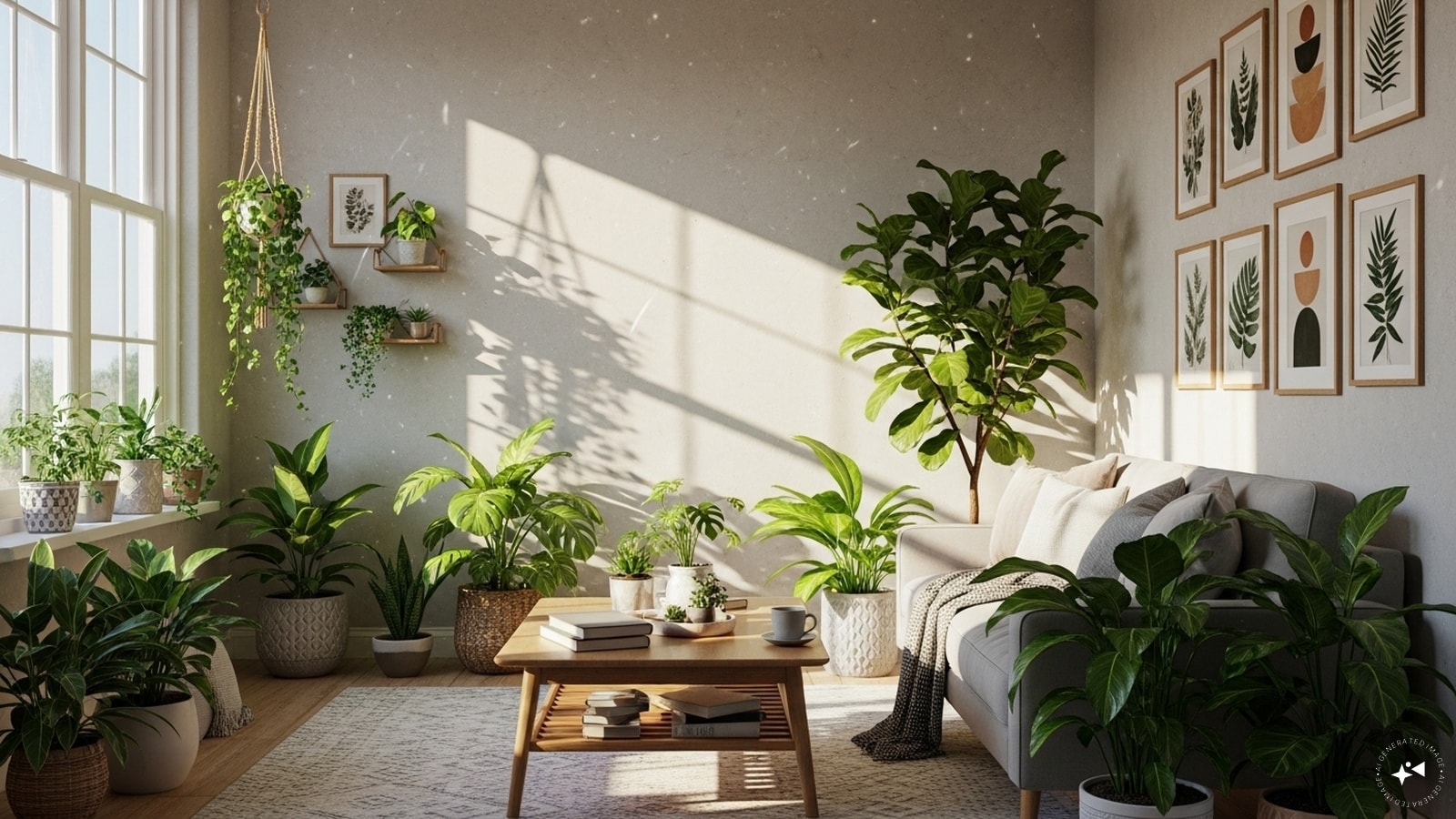
By following the correct directions when planting, the flow of positive energy in the home is strengthened. Observing these Vastu rules helps prevent defects caused by placing sacred or symbolic plants in unfavourable positions.