





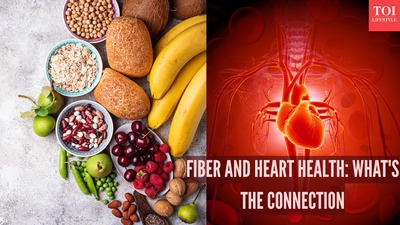
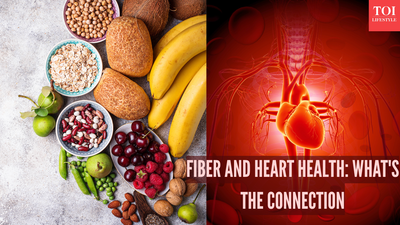
When we hear the word fiber, most of us immediately think of digestion or constipation relief; but fiber is doing far more behind the scenes than we give it credit for. Beyond keeping your gut running smoothly, it plays a powerful role in protecting your heart, supporting your medications, and even reducing the long-term risk of heart attacks and heart failure. Dr. Dimitry Yaranov, a cardiologist, explains how important fiber is for our heart, more than our gut, let’s see how..

Dietary fiber slows down how fast sugar from your food gets into the blood, to help prevent large insulin spikes that can damage your blood vessels over time. It helps lower LDL cholesterol and triglycerides, so there is less “bad” cholesterol available to build plaque in your arteries. Over years, as Dr. Yaranov says, this combination will translate into fewer blocked arteries, better blood pressure numbers, and lower rates of heart disease and premature death in people who consistently eat more fiber.
For those already living with high blood pressure, diabetes, or heart failure, increased fiber intake has been shown to lower systolic and diastolic blood pressure and improve fasting glucose and insulin levels. These changes might look small on paper, but across millions of heartbeats a day they mean less mechanical stress on the heart muscle and less injury to the delicate lining of blood vessels. That’s why cardiologists now talk about fiber as part of actual heart treatment, not just a side note for gut comfort.
What fiber does inside the body
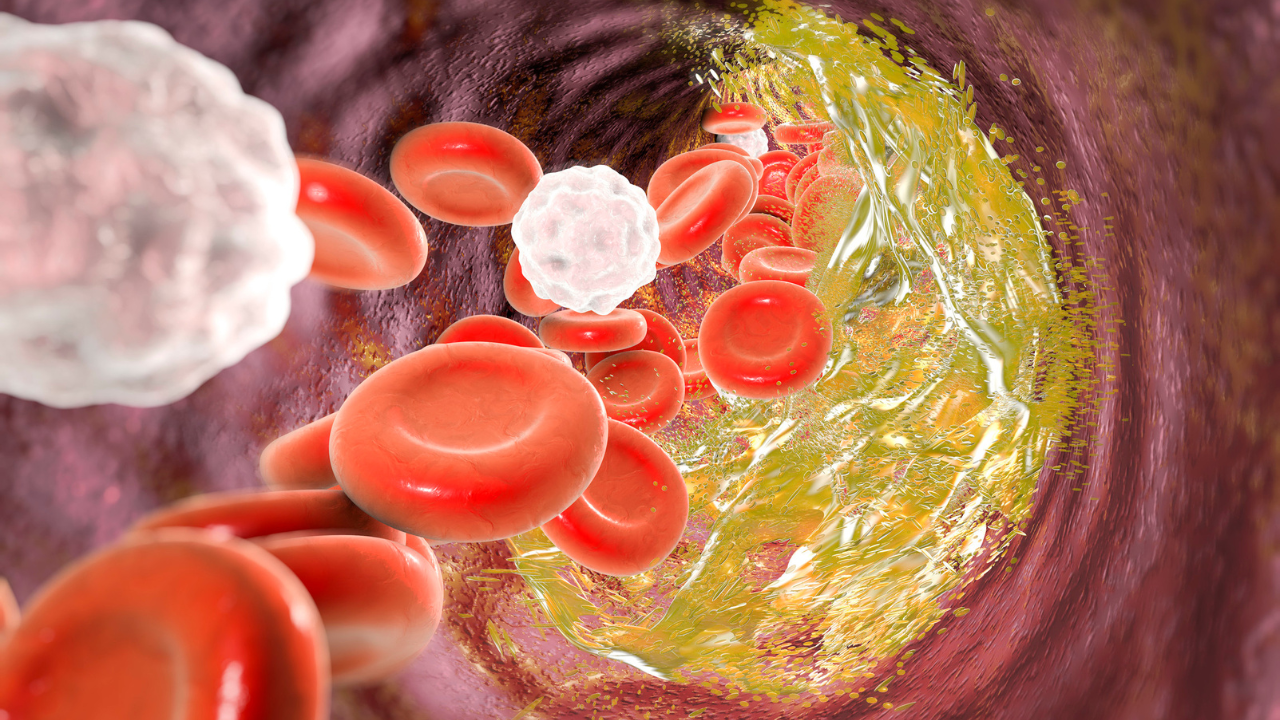
Once fiber reaches the gut, it soaks up water and forms a gel that slows digestion and sugar absorption. The steadier flow of glucose means the pancreas does not need to release huge bursts of insulin after every meal, providing protection against insulin resistance and metabolic syndrome. Long-term, that can reduce the risk of type 2 diabetes being a major driver of heart attacks and heart failure.Some of these fibers are fermented by bacteria in the gut into short-chain fatty acids; these have potent anti-inflammatory and cholesterol-lowering effects. They make the endothelium-the inner lining of your arteries-calmer and more flexible to handle changes in blood flow without cracking or scarring. Less chronic inflammation, healthier vessel walls-together, it means a lower chance that some small plaque will suddenly rupture and trigger a heart attack.
Why more fiber often means fewer heart attacks
Large population studies indicate that individuals who habitually consume larger quantities of fiber tend to have fewer heart attacks, strokes-and lower cardiovascular death rates compared to individuals consuming very little. The benefits seem to appear with relatively modest increases, such as with an additional 10 grams of fiber per day, which may cut cardiovascular risk by about ten to fifteen percent. These protective effects are observed even after accounting for medications, indicating that fiber offers something beyond what pills can accomplish.In clinical trials related to high fiber diets among patients with high blood pressure and diabetes, there were reported drops within months in cholesterol, triglycerides, blood pressure, and fasting glucose. In heart failure, research links higher fiber intake with improvements in insulin resistance and inflammation, both important drivers of disease progression. In other words, fiber quietly lightens the workload on a struggling heart from multiple angles at once
The catch with fiber supplements and heart medicines

There’s an important point that usually gets missed in all the short social media clips. The same gel-forming property that makes fiber so helpful can also trap medicines in the gut and reduce how much of the drug actually gets absorbed into the bloodstream. This has been shown with drugs like digoxin used in some people with heart failure and with other medications that have a narrow therapeutic window.Because of this, many experts recommend taking fiber supplements at a different time than your prescription medicines, keeping at least a couple of hours in between. This keeps heart drugs clear for absorption to do their job and still allows you to enjoy the long-term benefits of fiber for blood pressure, cholesterol, and metabolic health.
How to add fiber safely for your heart
For most people, it will be safest to focus first on whole food sources such as oats, beans, lentils, vegetables, fruits with skin, nuts, and seeds, and not jump immediately into high-dose powders. Gradually increasing the fiber intake with plenty of water will enable your gut to adapt to and minimize bloating and discomfort. If you already take medicines for heart failure, blood pressure, arrhythmia, or blood thinning, check with your cardiologist or pharmacist ahead of time in starting any supplement and agree on timing so that one does not cancel out the other.Let’s look at the bigger picture here: Our gut and your heart talk to each other all the time-and fiber is one of their main shared languages. When fiber shows up regularly on your plate, your blood sugar, cholesterol blood pressure all tend to move in a kinder direction, and your medications often have less work to do.