





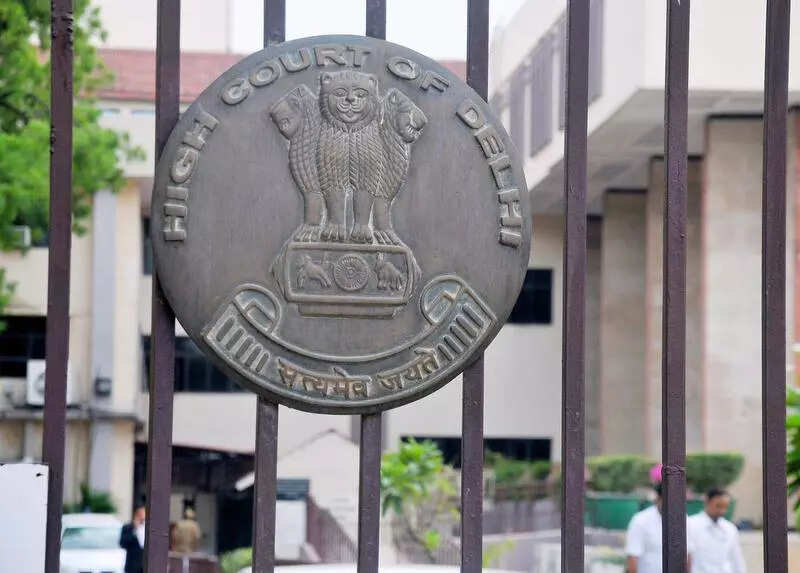
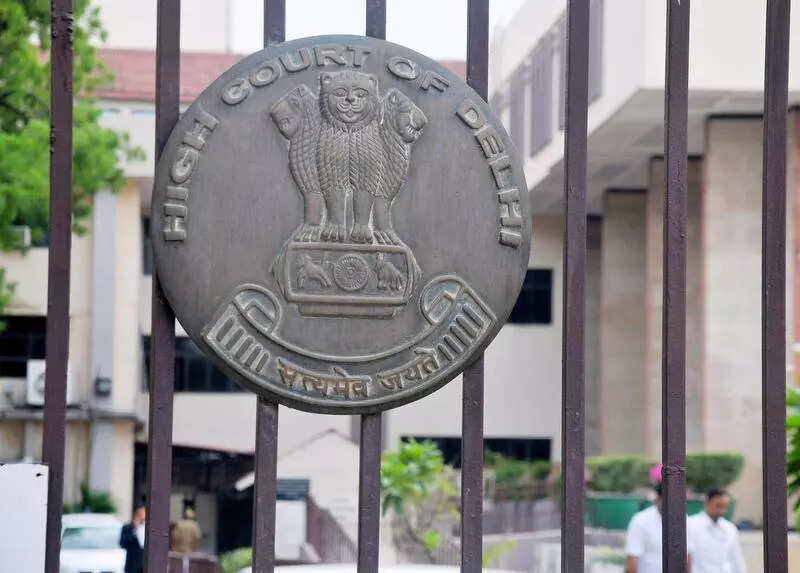
New Delhi: Delhi High Court refused relief to a student who missed the Common University Entrance Test (CUET) by six minutes, citing the sanctity and discipline of examinations.The 18-year-old candidate had moved the court claiming that on May 13 she reached the exam centre at around 8.36 am – six minutes beyond the scheduled time of the test –but was denied entry. A bench of Justices Prathiba M Singh and Rajneesh Kumar Gupta was hearing her plea against a single judge’s order declining to intervene in the matter. The division bench dismissed her appeal on May 31, observing, “One might feel that it was only a matter of six minutes, but the authorities could not be blamed for enforcing the rule of gate closing timings strictly, and discrimination was not a valid ground to interfere.”The bench observed that the information bulletin of the National Testing Authority (NTA) and the admit card gave very specific instructions on reaching the centre around 7 am, two hours prior to the commencement of the examination, as gates would be shut around 8.30 am. The bench said leniency in the conduct of such a large-scale examination would lead to chaos, and the discipline of the examination ought to be maintained.“The CUET is an important entrance examination, and the discipline in arriving at the exam hall in time, taking the seat in time, and being at the centre before the gate closing time are all part of the discipline and ethos of the examination ecosystem, which ought not to be relaxed, in as much as the same may lead to huge inequities between similarly placed students,” the court said.However, the bench, being extremely conscious of the negative impact on the student’s career, said it could not lose sight of the discipline required to be maintained in such examinations. The bench said, “The CUET UG exam is an exam where more than 13.5 lakh students from across the country appear. If discipline is not followed in such an exam, the timely announcement of results, timely admission to colleges and universities are all likely to be jeopardised, and there would be a cascading effect.“New Delhi: Delhi High Court refused relief to a student who missed the Common University Entrance Test (CUET) by six minutes, citing the sanctity and discipline of examinations.The 18-year-old candidate had moved the court claiming that on May 13 she reached the exam centre at around 8.36 am – six minutes beyond the scheduled time of the test –but was denied entry. A bench of Justices Prathiba M Singh and Rajneesh Kumar Gupta was hearing her plea against a single judge’s order declining to intervene in the matter. The division bench dismissed her appeal on May 31, observing, “One might feel that it was only a matter of six minutes, but the authorities could not be blamed for enforcing the rule of gate closing timings strictly, and discrimination was not a valid ground to interfere.”The bench observed that the information bulletin of the National Testing Authority (NTA) and the admit card gave very specific instructions on reaching the centre around 7 am, two hours prior to the commencement of the examination, as gates would be shut around 8.30 am. The bench said leniency in the conduct of such a large-scale examination would lead to chaos, and the discipline of the examination ought to be maintained.“The CUET is an important entrance examination, and the discipline in arriving at the exam hall in time, taking the seat in time, and being at the centre before the gate closing time are all part of the discipline and ethos of the examination ecosystem, which ought not to be relaxed, in as much as the same may lead to huge inequities between similarly placed students,” the court said.However, the bench, being extremely conscious of the negative impact on the student’s career, said it could not lose sight of the discipline required to be maintained in such examinations. The bench said, “The CUET UG exam is an exam where more than 13.5 lakh students from across the country appear. If discipline is not followed in such an exam, the timely announcement of results, timely admission to colleges and universities are all likely to be jeopardised, and there would be a cascading effect.“