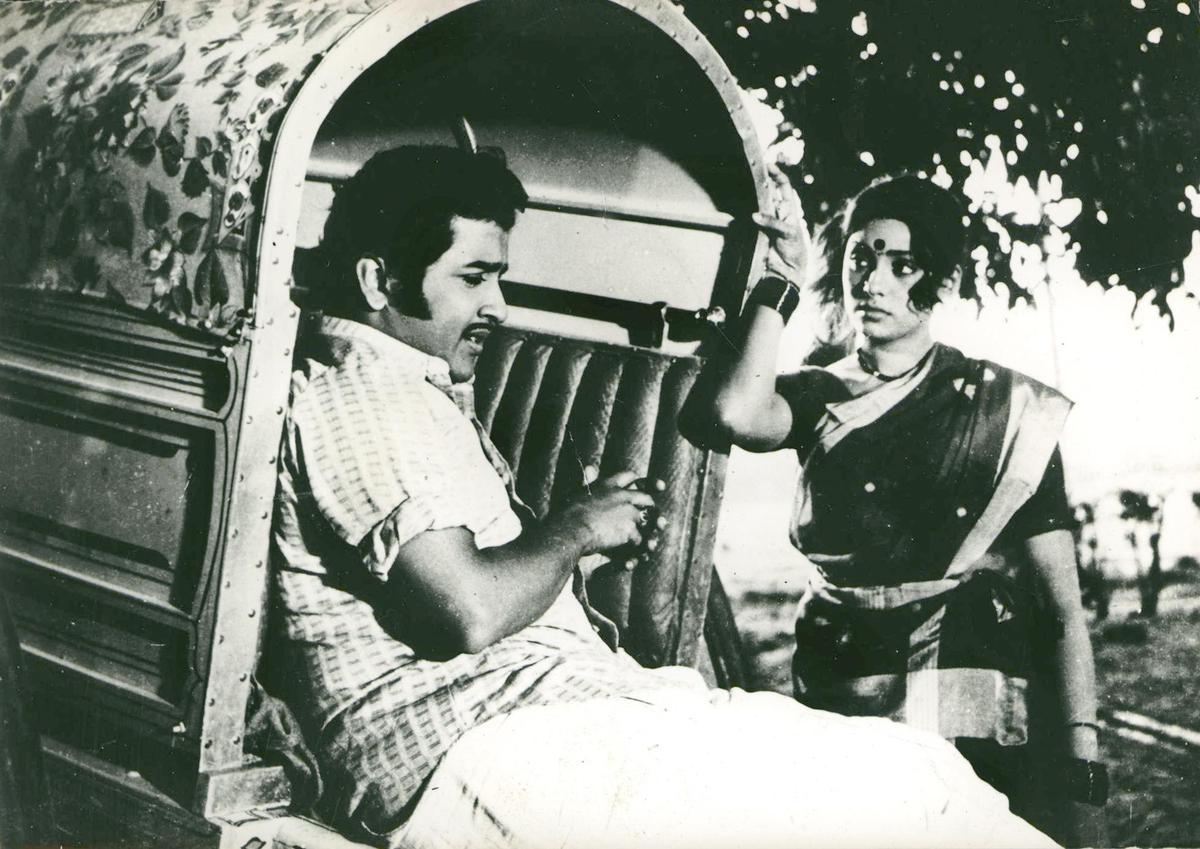




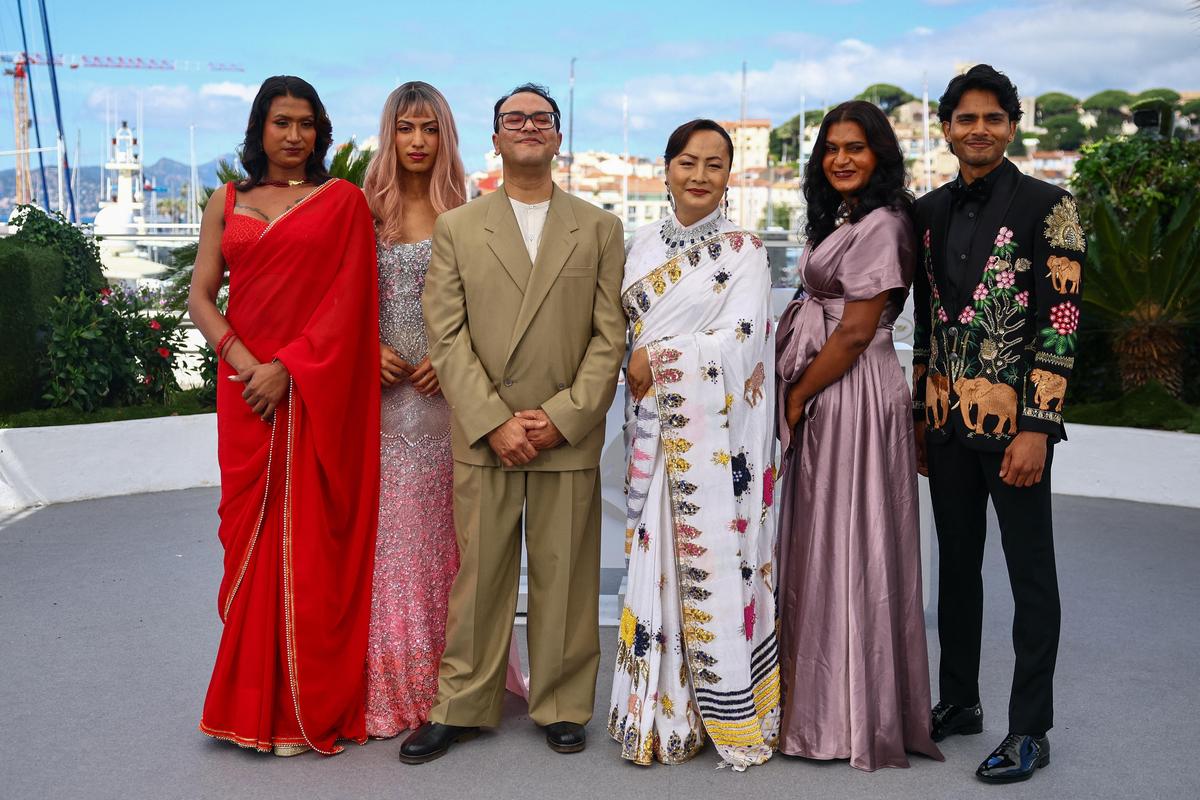
This year was special for South Asia at the Cannes Film Festival, despite no Indian feature films being in the official selection. We only had Mehar Malhotra’s short film Shadows of the Moonless Nights in the La Cinef section, and the restored version of John Abraham’s Amma Ariyan (Report to Mother, 1985) in the Cannes Classics.
Nepal beat us to the awards, with Abinash Bikram Shah’s Elephants in the Fog winning the Un Certain Regard Jury Prize, and the Best Sound Creation Award. The film, set in a feisty kinnar or transgender community living on the edge of a forest with wild elephants, humanises an often despised community. I was thrilled to note that Nepali-American designer Prabal Gurung created custom couture for the spirited transgender cast. It always helps to have a veteran designer guide first-timers on the red carpet.
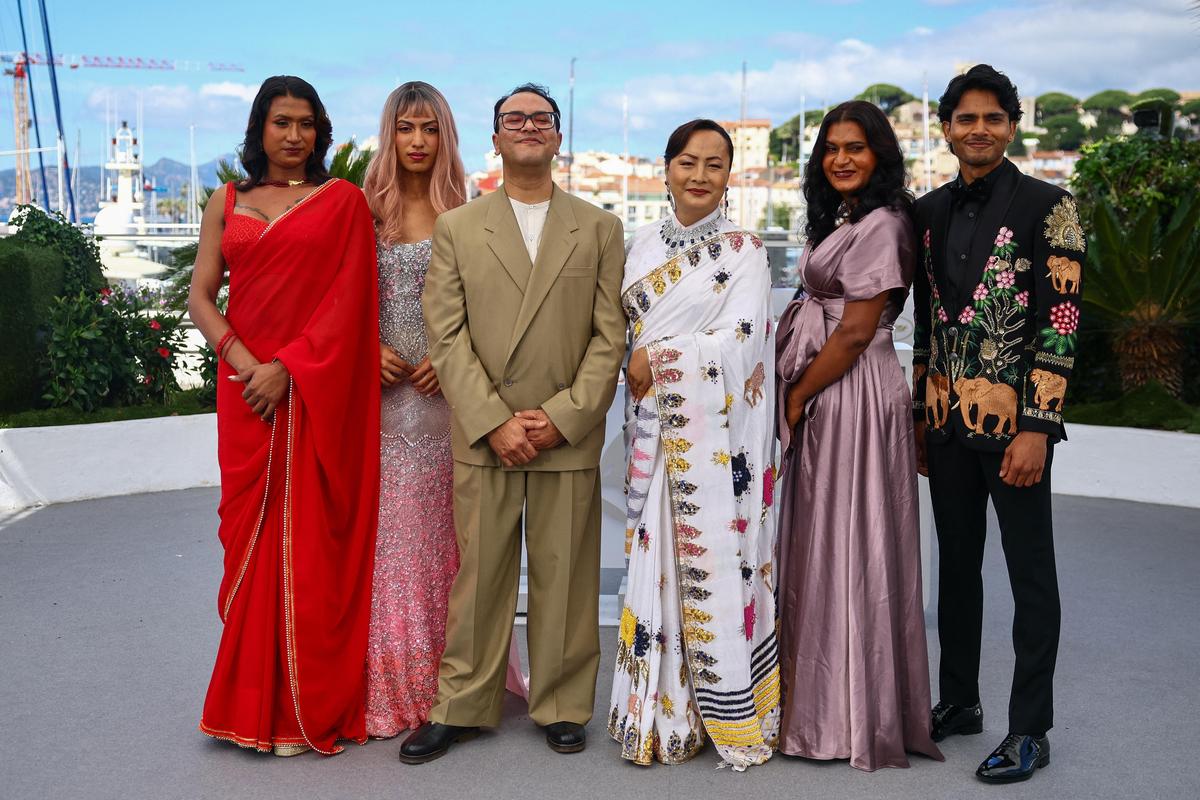
Director Abinash Bikram Shah and the cast of Elephants in the Fog, Pushpa Thing Lama, Saha Din Miya, Jasmine Bishwokarma, and Aliz Ghimire
| Photo Credit:
Reuters
Meanwhile, from the Indian segment it was a proud moment to see Payal Kapadia — whose film, All We Imagine as Light, won the Grand Prix at Cannes two years ago — as president of the Semaine de la Critique/Critics’ Week. Very few in India have had this honour, and it made me recall my time as a Critics’ Week jury member in 2023. (Kapadia and I are the only Indians to have been invited to this jury in the last five years, and perhaps even longer.)
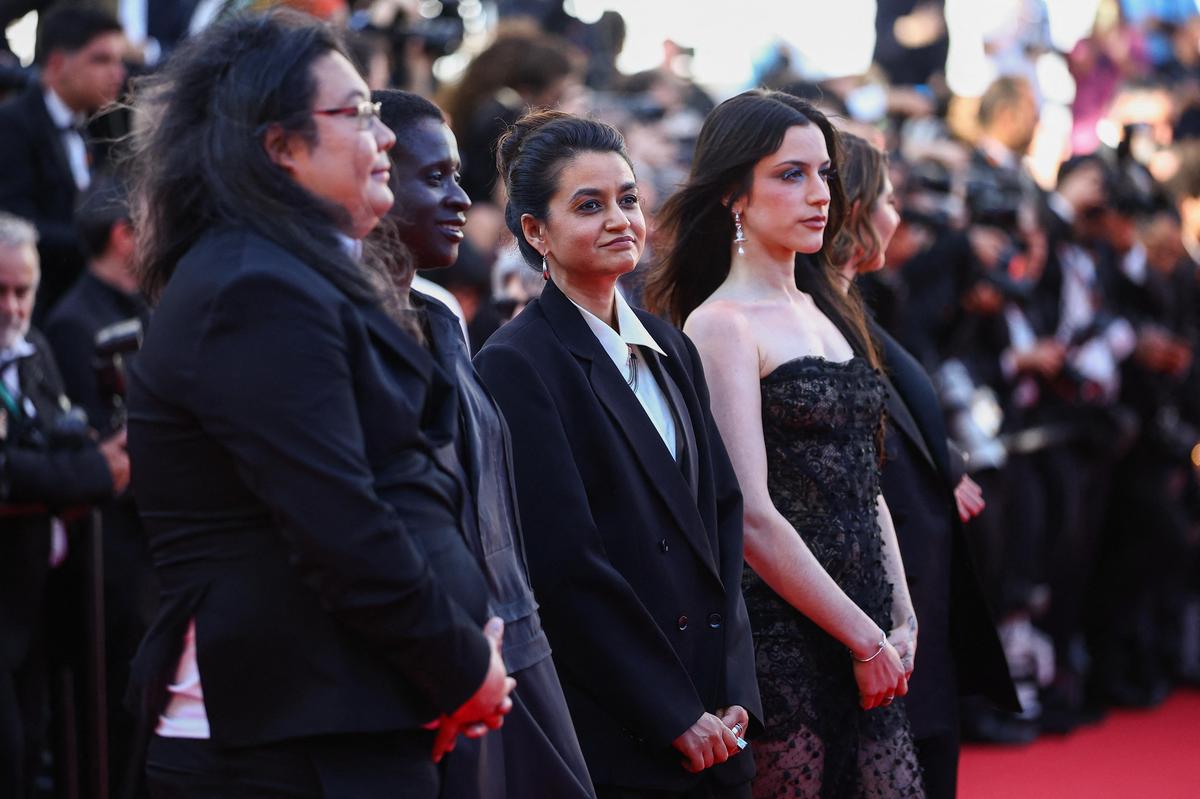
Payal Kapadia, president of the 65th Semaine de la Critique’s jury with jury members Donsaron Kovitvanitcha, Ama Ampadu, and Oklou (aka Marylou Mayniel)
| Photo Credit:
Reuters
The jury judges first and second features, and shorts. Back then, I shared the responsibility with German actor Franz Rogowski, French director Audrey Diwan (her film Happening won the Golden Lion in Venice in 2021), Portuguese cinematographer Rui Poças, and Sundance Film Festival’s director of programming, Kim Yutani.
Evenings on the French Riviera
I recall how, as jury members, we were invited to the opening night red carpet at the Palais des Festivals, the film screening, and then dinner. Having arrived in Cannes only a few hours before the evening was to start, I quickly changed into an elegant black handloom sari and velvet blouse, and went down to meet the jury.
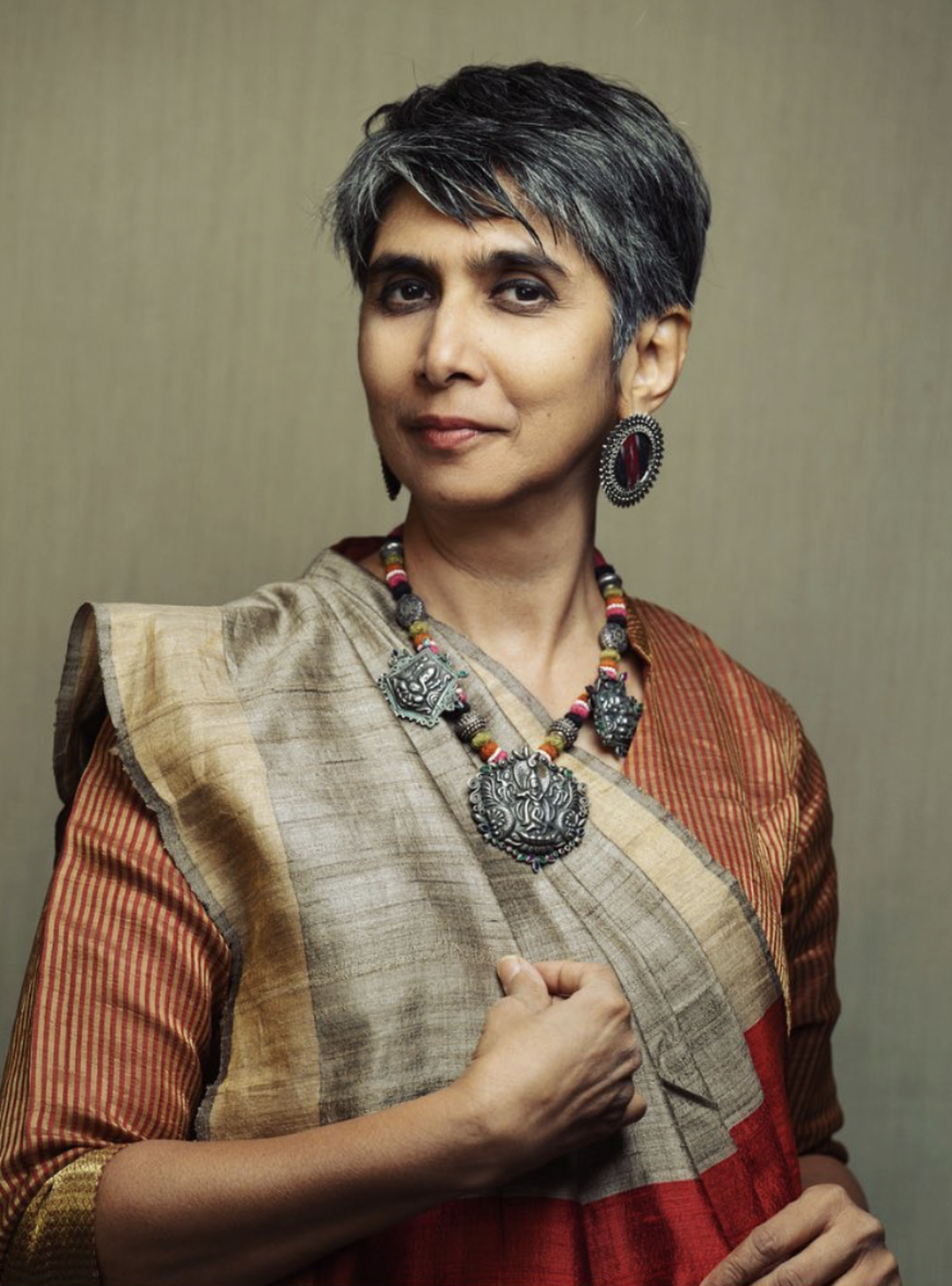
Meenakshi Shedde
| Photo Credit:
Aurelie Lamachere
As Ava Cahen, then artistic director, introduced us to each other, Franz Rogowski turned to me and said, “Excuse me.” He then leaned over and closed the top button at the back of my blouse. “You look absolutely lovely,” he added, smiling. I nearly fainted from his generous compliment, but also died of embarrassment at our awkward blouse button introduction. That’s why I detest blouses with buttons at the back, which need a second pair of hands to do them up properly.

The next day, an Indian media headline went, ‘Who’s that woman on the red carpet in a sari?’, along with a photo of all of us. Since I was on a film jury, and hadn’t hired a PR agent, nobody knew me. The media train their lenses on the stars and influencers, laser-focussed on translating their five seconds of fame into zillions of online views.
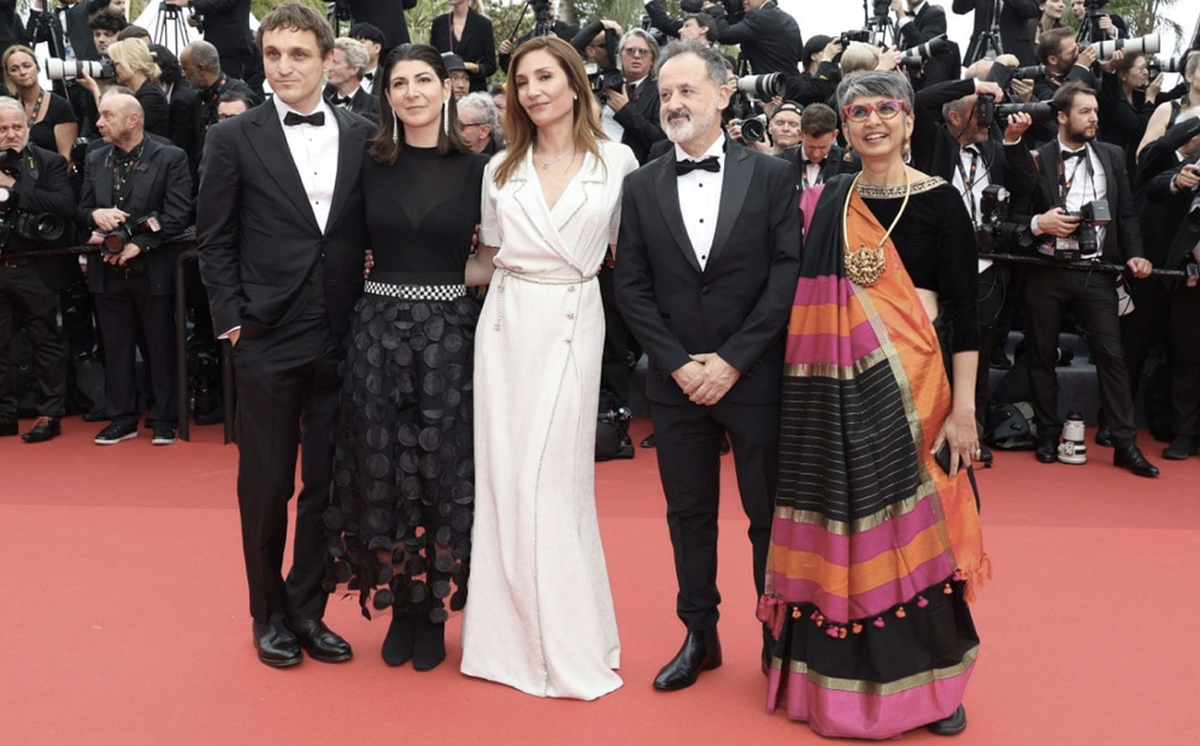
(L-R) Franz Rogowski, Ava Cahen, Audrey Diwan, Rui Poças and Meenakshi Shedde
| Photo Credit:
Pascal Le Segretain
The strategy has paid off. Today, rumours swirl of fixers who charge over ₹2 lakh to arrange quick photos/reel shoots on the red carpet before the bouncers arrive. Alongside, the media also focuses on the films at the Marché du Film, not realising that at the business wing anyone can hire a booth or tent to promote their films. It is not the same as being in the official selection with Cannes’ highly-curated films.
This edition saw actors such as Alia Bhatt and Aishwarya Rai Bachchan draw a lot of attention for their couture. I wonder if there are still Cannes goers like me who do #FestivalsOnALoveBudget, and wear mainly saris or clothes borrowed from friends, delighted to showcase our rich textile heritage with a Baluchari, Paithani or Garad silk.
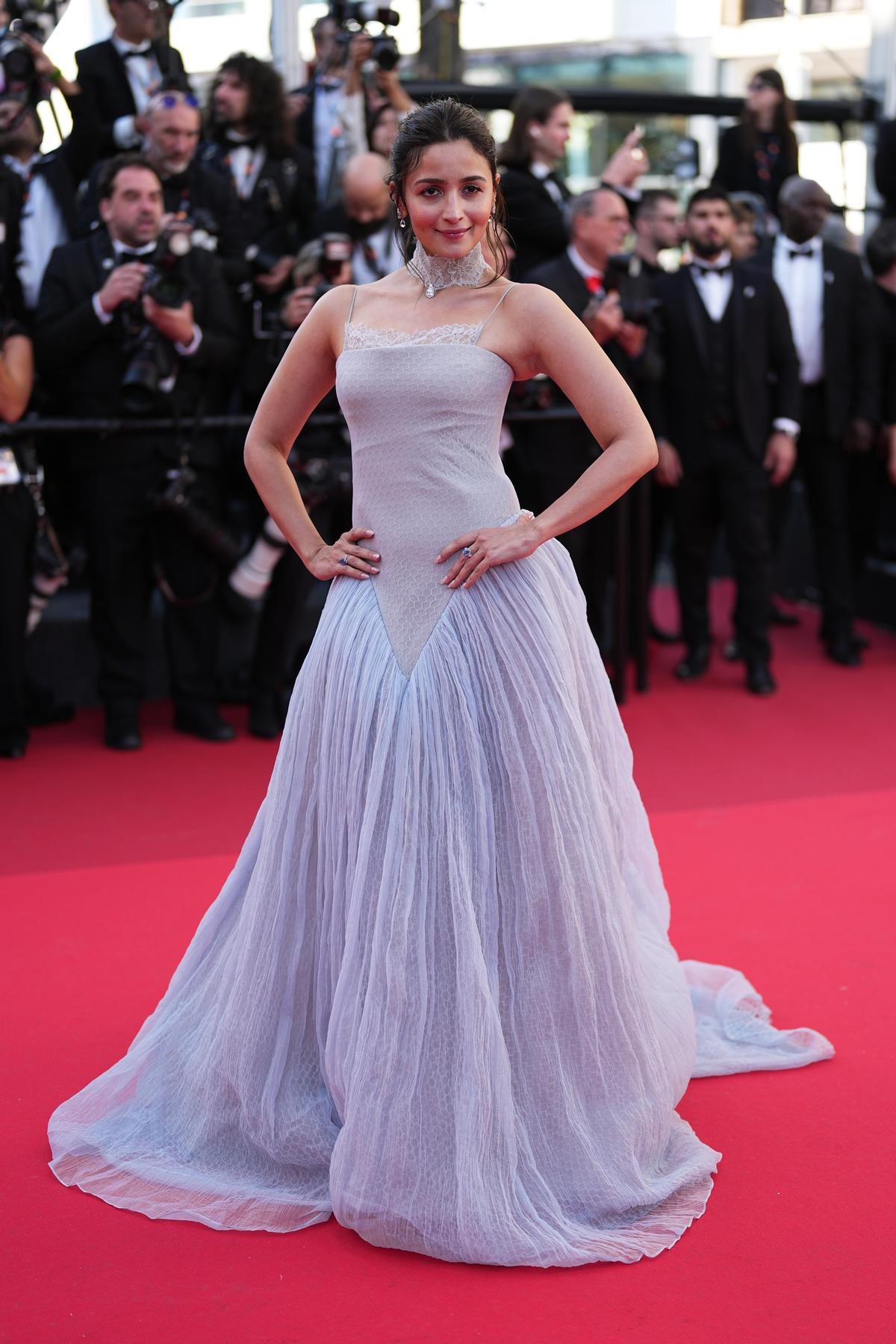
Alia Bhatt at the premiere of A Woman’s Life
| Photo Credit:
AP

When Bata shoes made the cut
Meanwhile, D-Day 2023 had a few outliers. When our jury went on stage to announce the Critics’ Week prize winners, I remember most men had turned up quite dandified. But not Rogowski. He was in a plain cotton button down shirt and pants, refusing to be cowed down by Cannes’ famous fashion terror. “We’re German, you know?” he told me with a shrug. We had a lot in common — I’d worn a pair of ₹100 black rubber-soled Bata shoes on the opening night red carpet because it was predicted to rain.
My abiding image of Cannes will be of the women who preen on the red carpet in extravagant gowns with eight-foot-long trains. Some, I discovered, pre-arranged a ‘train girl’ just to hold and arrange it for photos. But horror follows these photos — how can they watch a film in the Palais des Festivals sitting with the whole train tucked under them?
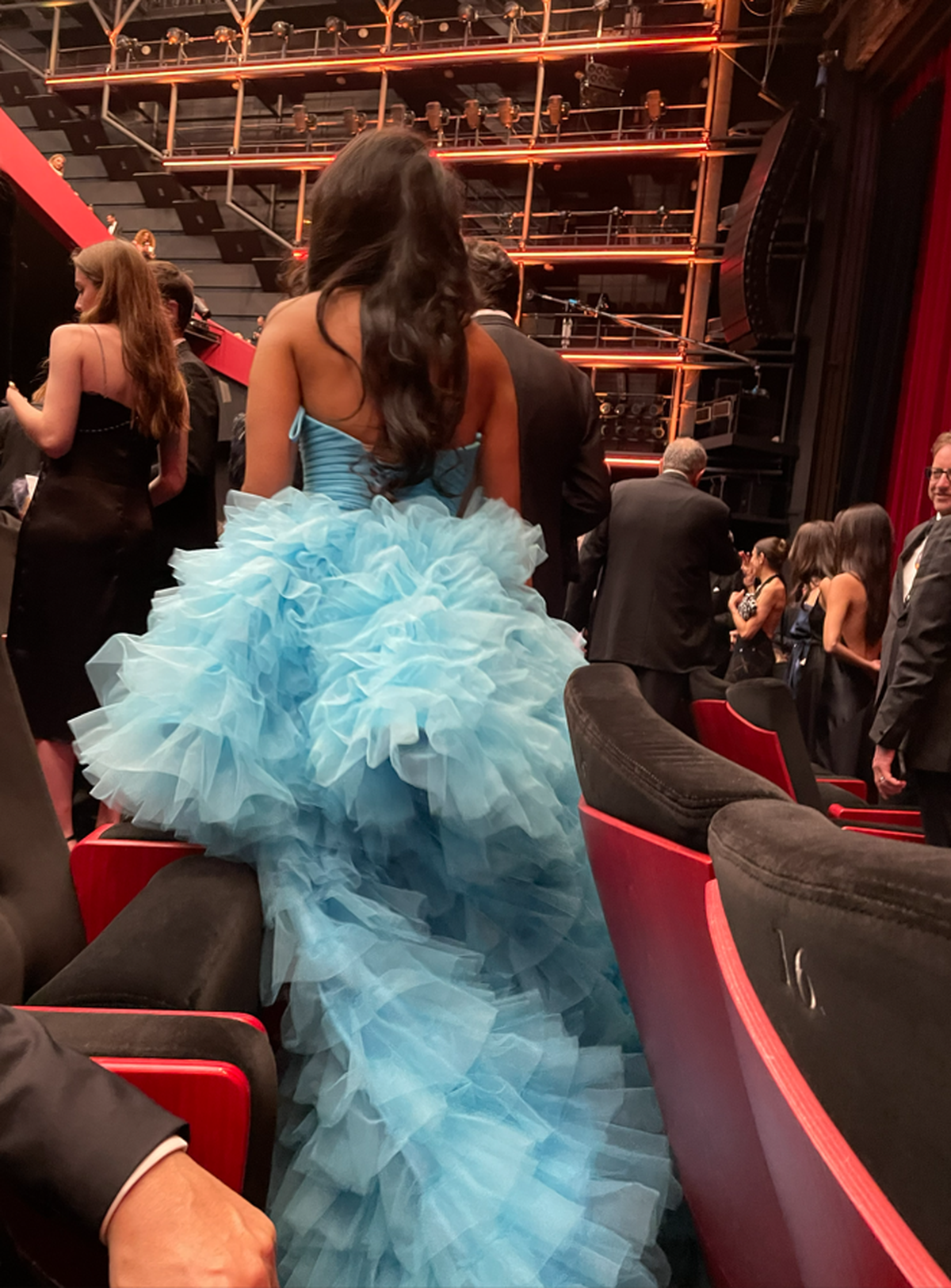
Attendees in extravagant gowns with eight-foot-long trains
| Photo Credit:
Meenakshi Shedde
Plus, it often rains in Cannes, and I have photos of women walking desolately, holding these wet, bedraggled trains draped over their arms. And if they couldn’t get a cab, they were often barefoot, holding their high heels in their hands. Because after the drama, who cares?

A woman with her bedraggled train draped over her arm
| Photo Credit:
Meenakshi Shedde
An independent curator to festivals worldwide for the last 27 years, the writer is the Toronto International Film Festival’s Senior Programme Advisor (South Asia), and was the Berlin Film Festival’s South Asia Delegate from 1998-2025.
Published – May 23, 2026 08:14 pm IST