




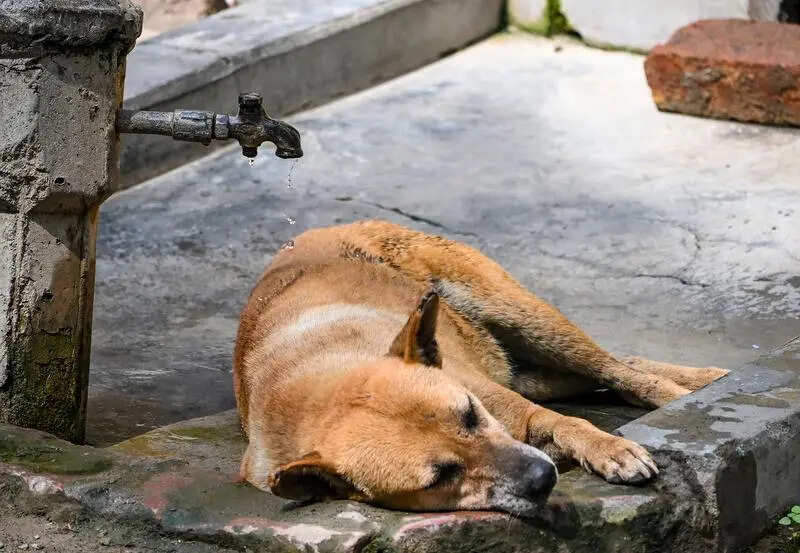
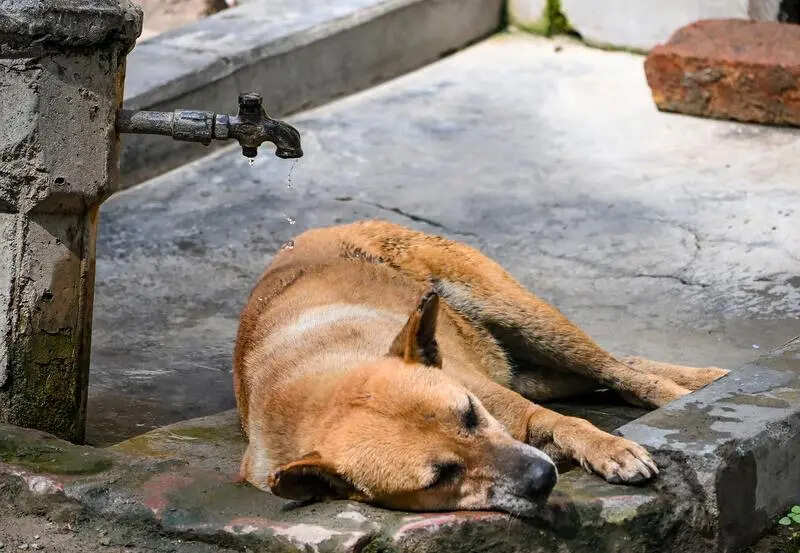
Pune: Veterinary clinics across the city are witnessing a sharp rise in heat-related illnesses among pets as extreme summer temperatures make their presence felt. Animal doctors are reporting packed waiting rooms and an increase in emergency cases. Heatstroke, dehydration, and respiratory distress are among the most common conditions, with many pets arriving in critical condition after exposure to peak afternoon heat. Riya Mehta, a pet parent to a nine-year-old Labrador, said her dog showed alarming symptoms after a short walk during one early evening. “He could not stop panting heavily even after an hour. He was not his usual self and refused treats and water. We thought he was disoriented. But when we rushed to a clinic, the vet said it was early-stage heatstroke and critical that we got him for treatment quickly.”Undri-based veterinarian Dr Nirmika Joshi told TOI, “We have treated over 100 cases of heat-related ailments in both pet cats and dogs over the last week, and this trend has been going on since last month.”Pets with heavy or double coats, who are not native to tropical climate, such as Huskies, Saint Bernards and Golden Retrievers, are particularly vulnerable during extreme heat. Their dense fur traps body heat and slows down cooling. But notably, veterinarians caution against shaving these coats as a quick fix.“The outer coat actually acts as insulation, protecting pets from direct sunlight and helping regulate body temperature. Shaving can remove this natural barrier, increasing the risk of sunburn, skin damage and even overheating. Instead, regular brushing to remove excess fur, maintaining hydration, and ensuring access to cool, shaded environments is essential,” said Dr Joshi.For smaller breeds with stout noses, the impact can be just as severe. “My Shih Tzu began vomiting and was extremely lethargic recently,” said Karan Bhide, a resident of Undri. “We did not even step out for long, but the indoor heat was enough to affect him. Our local vet clinic was so crowded that we had to wait with other pets showing similar symptoms,” he said.Cat owners are also reporting distress. “My cat stopped eating, was hiding constantly, and felt unusually warm to the touch. I assumed cats handle heat better, but the vet said dehydration had already set in,” said Ayesha Khan from Erandwane.Veterinarians say assumptions often delay treatment. Veterinarian Dr Neha Kulkarni, who has a clinic in Katraj, said, “Heatstroke can escalate very quickly. Symptoms like excessive panting, drooling, vomiting, confusion, or collapse should never be ignored. By the time a pet stops responding, it is already an emergency.”She added that prevention is critical during such summer temperatures. “Avoid walks between 11am and 5pm. Always check the ground temperature before stepping out. If it is too hot for your hand, it is too hot for their paws. Ensure constant access to fresh water, and keep indoor spaces well ventilated.”Stray animals are among the worst affected during extreme heat, as they have little access to shade, clean water or cooler surfaces. Many are forced to walk or rest on burning roads and pavements, leading to painful paw burns, dehydration and heat exhaustion. Animal welfare groups say simple steps of kindness, such as placing bowls of water outside homes, providing shaded resting spots, and avoiding cruelty like driving over resting animals reduces suffering during peak summer months.