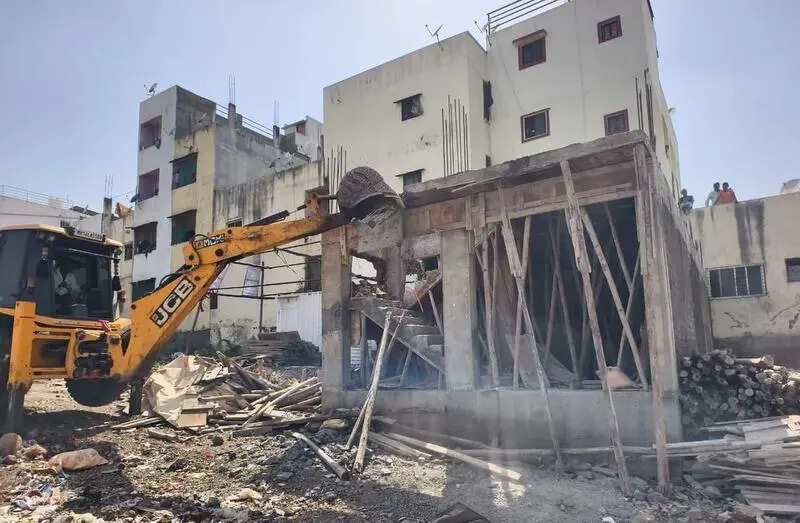




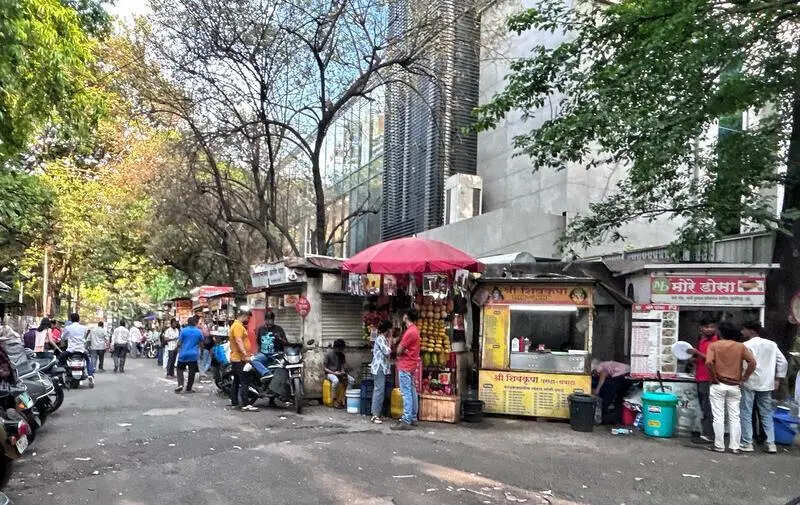
Pune: Mayor Manjusha Nagpure on Sunday directed the anti-encroachment department of the civic body to introduce mandatory measures like police verification and QR code-based digital IDs to regulate street vendors across the city.The PMC standing committee, in its budget last month, suggested steps for increasing vigilance on street vending. Now, the anti-encroachment department will also deploy a 24×7 squad to deal with illegal hawkers and vendors.“The move is aimed at curbing encroachments on roads and, at the same time, ensuring that the livelihood of registered vendors is protected. Authorised vendors will, however, have to maintain public hygiene and ensure that their operations do not obstruct traffic,” Nagpure said in a statement.A survey of roadside vendors was conducted more than 10 years ago when the Pune Municipal Corporation (PMC) enrolled and issued licences to nearly 29,000 vendors across the civic limits. Over the years, PMC limits expanded along with an increasing population and newer marketplaces emerged. The number of roadside vendors is estimated to have shot up to between 40,000 and 50,000 today.Residents have pointed out that unauthorised street vendors not only occupy premium road space but also pose problems like crowding, and pose difficulties for pedestrians. In a move to tackle these issues, digital IDs will help the civic body as they will store crucial data regarding the vendor’s business type and authorised location, among other information.“High court has given various directives for better management of hawkers. The authorities, including PMC, should act on them. Action against street vendors should be stopped until all the directives are followed,” said Sanjay Shanke of Janeev, an organisation working for the betterment of hawkers.PMC had received 38,000 applications from hawkers when a survey began around four years ago. The administration had also finalised 525 official vendor zones against the hawkers’ demand of 1,900 zones.Vendors said that the much-talked-about hawker zones were not useful, as the civic body has not done enough for their publicity. As a result, most of them fail to attract visitors.Roadside vendors have also put forth their demands. They too want a biometric survey, distribution of new certificates and a reduction in fees paid to the administration. “Clean water supply, drainage lines, toilets, roofs for protection from the heat, rain, lighting, and CCTV cameras should be provided at vendor zones,” a hawker said, choosing anonymity.Legal DefinitionThe Street Vendors (Protection of Livelihood and Regulation of Street Vending) Act, 2014, has defined a street vendor as a person engaged in vending articles, goods, wares, food items, or merchandise of everyday use or offering services to the general public on a street, lane, sidewalk, footpath, pavement, public park, or any other public place or private area from a temporary built-up structure or by moving from place to place. It includes hawkers, peddlers, squatters, and all other synonymous terms that may be local or region-specific, and the words ‘street vending’ with their grammatical variations and cognate expressions shall be construed accordingly.What Action Can Be Taken?The Street Vendors Act aims to protect the rights of vendors, but the latter are liable for action if they flout norms. A fine is charged if a vendor is engaged in activities without a certificate of vending, contravenes the terms of the certificate of vending, or contravenes any other terms and conditions specified for the purpose of regulating street vending. The fine can be extended up to Rs2,000, as may be determined by the local authority.