



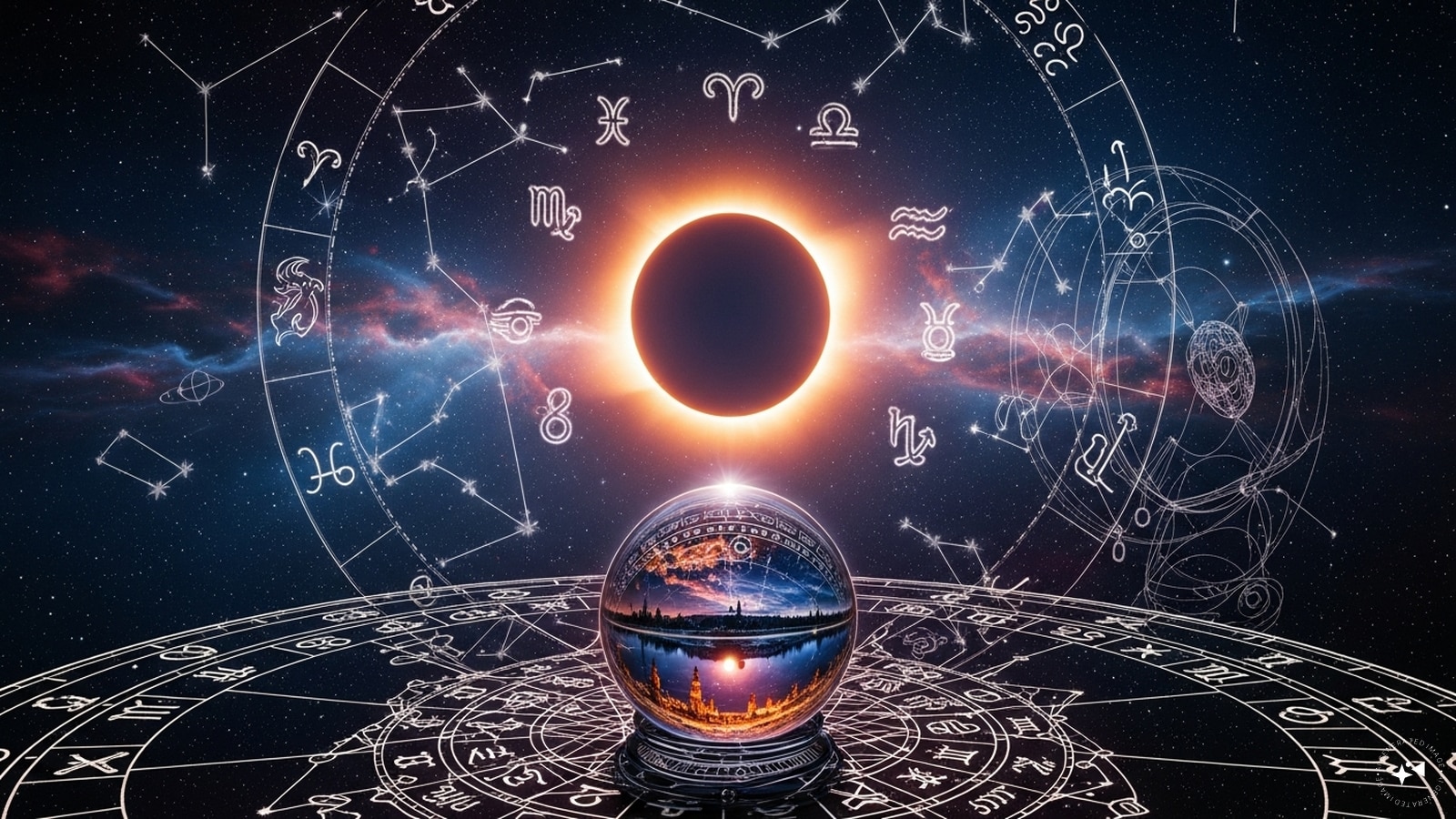
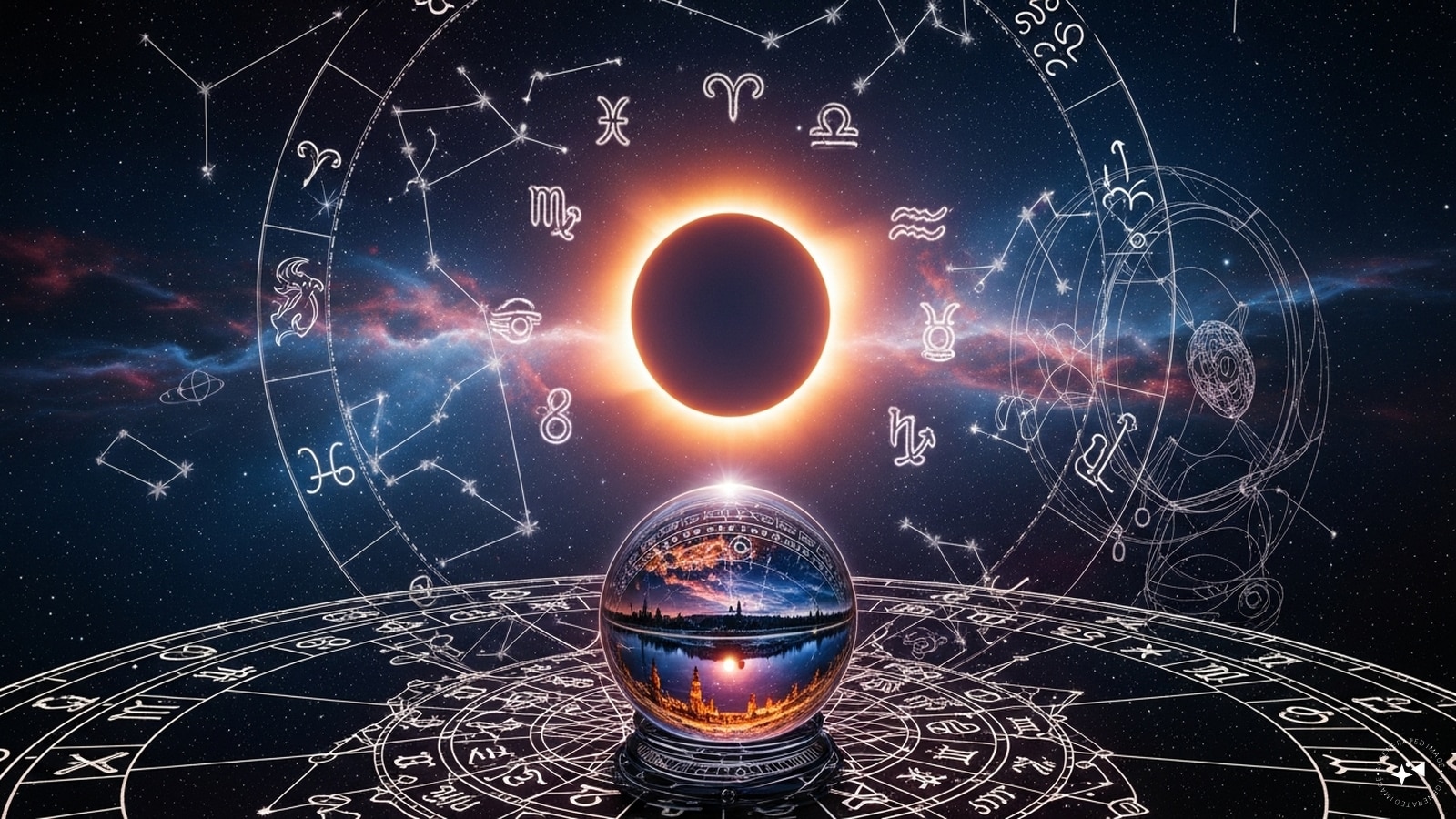
An old belief says: “If two eclipses occur within 15 days, either rulers suffer or the masses do.” This idea is once again gaining attention.
Traditionally, such eclipse pairs are seen as a sign of tough times—impacting governments or common people. In reality, it’s often the public that bears the bigger burden.
A World Already Under Stress: From conflicts like Russia–Ukraine to the US-Israel-Iran war, global instability is already rising, fuelling fears of larger crises.

Some predictions link eclipse clusters to clashes between leaders and citizens—leading to protests, blame games, and economic uncertainty that directly affect daily life.
In 2026, there are four eclipses—two solar and two lunar. The first solar eclipse occurred on February 17, followed by a lunar eclipse on March 3—just 15 days apart. Another solar eclipse is expected on August 12, followed by a second lunar eclipse 17 days later. This means eclipse pairs will occur close together again. A similar pattern was also seen in 2025, when two eclipses happened in quick succession
Impact in India: Unseasonal rains and erratic weather are already worrying farmers. Crop damage—especially wheat and rabi crops—could hit food supply and push inflation higher, affecting common households. While astrology suggests caution, science doesn’t confirm direct links. The key is to stay alert—not anxious. Focus on preparedness, smart decisions, and adapting to changing conditions.
Disclaimer: This content is based on general beliefs and information. Consult certified experts before making decisions. (All images: Representative/AI-generated)