



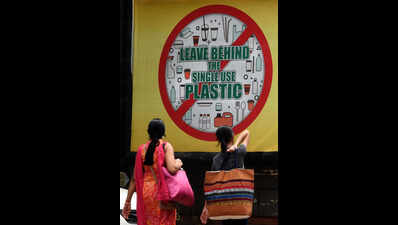
New Delhi: Three years after enforcing a nationwide ban on select single-use plastic (SUP) items, the capital continues to struggle with compliance. A new study has revealed widespread violations across the city.According to a report by environmental group Toxics Link, titled Revisiting Single Use Plastic Ban, that highlights major gaps in enforcement and calls for urgent nationwide action to strengthen implementation, banned plastic products were found in 86% of surveyed locations in Delhi, raising serious concerns about enforcement and behavioural change.The study, conducted between April and Aug 2025 across 140 sites in Delhi, paints a stark picture of the ground reality.From bustling street markets to transport hubs and religious sites, SUP items such as carry bags, plastic cutlery, cups and straws remain deeply entrenched in daily commerce.The findings reflect a broader national trend, with an average 84% non-compliance across four major cities, Bhubaneshwar, Guwahati, Mumbai and Delhi.The Centre’s SUP ban, announced on July 1, 2022, prohibited the manufacture, sale and use of 19 low-utility, high-litter plastic items. The move was aimed at curbing plastic pollution, which has severe environmental and health consequences, including microplastic contamination and ecosystem damage.The Delhi findings suggest that policy intent has not translated into practice.In the capital, compliance varied sharply across sectors. Organised retail spaces such as malls showed near-total adherence. However, the informal sector — such as street vendors, food stalls, juice sellers and weekly markets — recorded nearly 100% lack of compliance.This divide highlights a structural enforcement gap as smaller vendors often operate beyond the consistent reach of regulatory checks.The persistence of SUPs is not due to a lack of alternatives. Items such as paper cups and plates, newspaper wrappers, wooden cutlery, steel utensils, aluminium foil containers, bagasse plates, cloth bags and thicker reusable plastic bags above 120 microns are available in many locations. Yet, adoption remains limited. Vendors cited higher costs and strong consumer demand for plastic carry bags as major barriers. In fact, a significant proportion of vendors reported that customers still expect free plastic bags, reinforcing continued use.“The continued presence of banned plastic items in the majority of locations suggests that enforcement remains inconsistent,” said Ravi Agarwal, director of Toxics Link.Another critical issue is the continued production and supply of banned plastic items. Despite enforcement drives, these products remain easily accessible, pointing to gaps in manufacturing, oversight and distribution control. The study notes that without addressing the supply chain, enforcement at the retail level will have limited impact.Experts argue that Delhi’s situation reflects the need for a shift from policy to practice. Stronger monitoring, stricter penalties and targeted interventions in high-violation sectors are essential. Equally important is sustained public awareness to change consumer behaviour.“Vendor reluctance to transition away from single-use plastics (SUPs) is partly influenced by customer preferences. Customers also perceive disposable plates and cutlery to be more hygienic than reusable items. Our survey found that this perception, along with the cost advantage of SUPs, continues to drive their use,” said Satish Sinha, associate director at Toxics Link.