


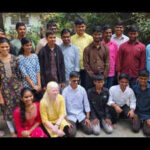


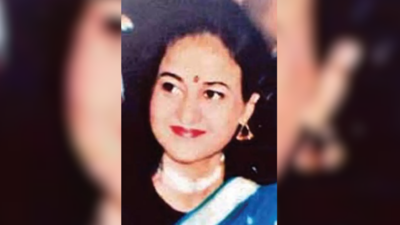
NEW DELHI: For many in this generation, the name Priyadarshini Mattoo barely rings a bell, but for those who know, it echoes with pain, injustice, and a haunting silence. Her case was not just about a brutal crime — it was about a nation’s collective heartbreak. It was the sheer emotions of many that fuelled the long, relentless battle for justice.Priyadarshini was just 25 when she was found strangled in her home in 1996. A decade later, in 2006, a group of students — many still in school or college — came together to lead the ‘Justice for Priyadarshini’ campaign. They rallied together, knocked on doors, held vigils and demanded answers. They may not have known Priyadarshini personally, but her story felt personal. Their movement reignited public memory, and under growing pressure, Delhi High Court took up the case for day-to-day hearings.“The brutality of the case sparked national outrage. But over the years, that outrage faded — overshadowed by new headlines and collective forgetting,” said Vivek Raina, who was part of the campaign.Another member was Aditya Razdan, now working with an MNC, who still remembers the weight of the Mattoo family’s pain. “They were Kashmiri Pandits, displaced migrants who built their lives back from scratch. They had no power, no influence. But they believed in the system. They got their daughter into law school, thinking education would empower her. And then this happened. In her own home. In the capital.”For Dhruv Suri, then a law student and now a lawyer, the memory of Priyadarshini’s father, Chaman Lal Mattoo, remains vivid. “His determination was the only reason the case stayed alive. Even when he was exhausted, he never gave up. He believed the judicial system existed for the common man. He used to say, ‘It must deliver justice.’ But when the trial court acquitted the accused, despite acknowledging his likely guilt, he was devastated.“Despite this, Mattoo never stepped away. “Even in his old age, he would show up for every hearing, speak to the media, and meet activists like us,” said Suri. “The public support gave him hope. People came out on the streets, and journalists ensured his voice was heard.”That year, HC overturned the trial court’s acquittal and convicted Santosh Singh of rape and murder. A few months later, it handed down a death sentence. “That judgment mattered,” said Raina. “It showed justice could be delayed but not denied. But then came the twist.”In 2010, Supreme Court commuted the death sentence to life imprisonment. “We were heartbroken,” said Suri. “We connected with the family… it felt like justice slipped again. Still, we took some comfort in the fact that a conviction was upheld.”Raina remembers meeting Priyadarshini’s father once toward the end. “He was frail. His pain was unmistakable. I wasn’t married back then. Now I have a daughter. Now I understand his desperation, his helplessness… What justice did he really get?”Priyadarshini’s family slowly withered away in the long, painful fight for justice. Her mother died first, then her father — without getting closure. Her siblings, perhaps worn down by grief, remained distant from the struggle.What remains of Priyadarshini today is not just a name in a legal file, but the memories her father clung to. Suri recalls how he always carried her photos, spoke of her smile, her dreams. “Her legacy was his only reason to live. And now he’s gone too.”Aditya Razdan also met Mattoo during those years. “He barely spoke. He was just… broken. The system failed him.”As talk of the convict’s potential release resurfaces, those who once led the charge are watching in disbelief. “Ask an 18-year-old today, and they probably haven’t heard of Priyadarshini,” said Raina. “What message are we sending if he walks free?”Suri added, “He wasn’t some misguided youth. He was a law student, the son of an influential man. What are we telling society — that such a person gets another shot at life while the girl he killed gets forgotten?”Razdan said Priyadarshini’s father feared this exact moment. “He knew once he was gone, the case would slowly be forgotten. And here we are.”